
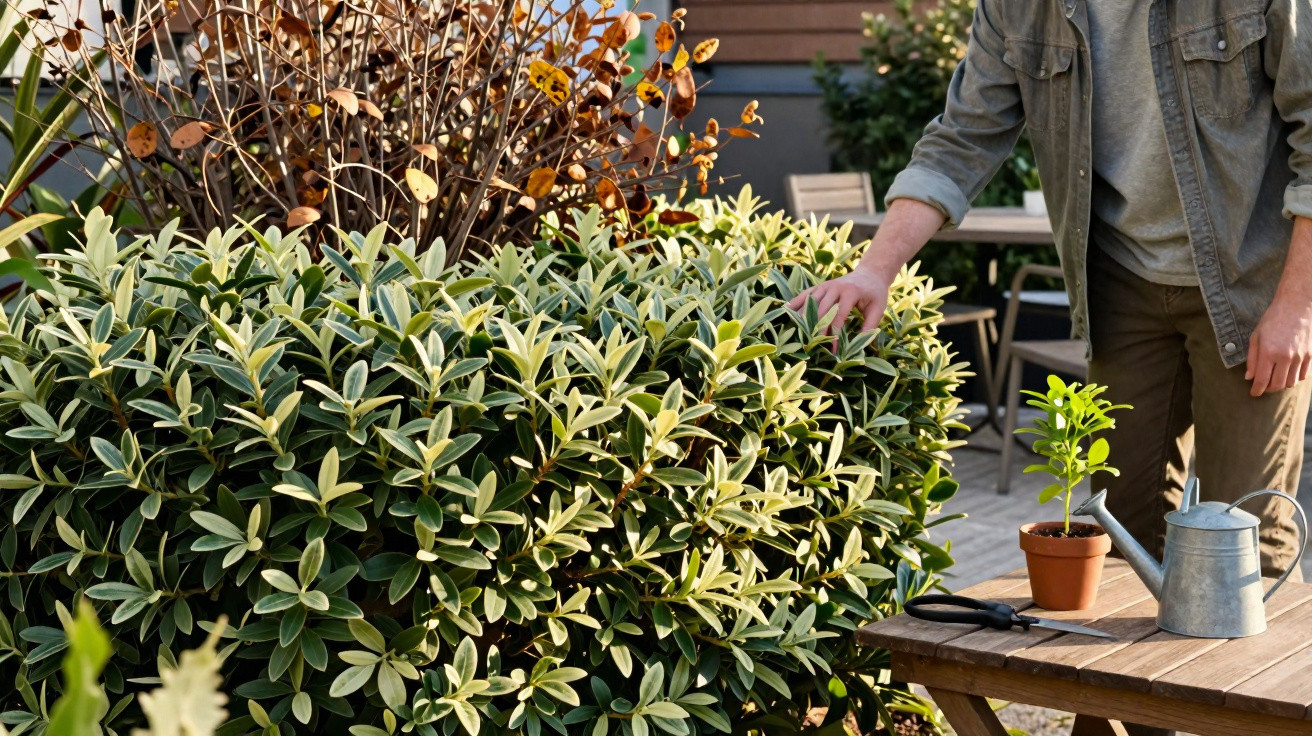
Many garden owners are despairing over hole-ridden Photinia hedges – yet another, remarkably undemanding shrub is now quietly taking centre stage.
Anyone who chose the fashionable Photinia ‘Red Robin’ shrub in recent years is often faced with a disappointing sight: bare branches, brown spots and an ongoing need for sprays. As entire neighbourhoods complain about the declining appearance of their hedges, a previously underestimated alternative is gaining ground: Pittosporum. But what makes it so resilient, and is it worth making the switch in Central European gardens?
Why Photinia fails in so many gardens
Spotted leaves and bare hedges: the fungal issue
The former favourite for front-garden hedges has a serious health concern. Photinia is heavily attacked by a particular leaf fungus. It first appears as tiny brown marks on the foliage. These soon spread, causing leaves to stop functioning properly, dry out and drop.
What started as a dense privacy screen often ends as a sparse forest of stems – with privacy completely gone.
Mild winters and damp springs are especially problematic. These conditions are ideal for the fungus, allowing it to multiply rapidly and infect entire rows of plants. In many newly built housing areas, it is now possible to see miles of hedges declining at the same time.
High maintenance with little reward
Many householders try to tackle the problem by:
- applying fungicides several times a year
- pruning frequently to remove diseased shoots
- continually collecting and disposing of affected leaves
Even with all this effort, results are often poor. Costs mount up, frustration grows, and the fungus usually returns the following year – frequently more severely than before. Amateur gardeners in particular can quickly lose enthusiasm and begin looking for a more sustainable answer.
The fashionable hedge has reached its limit
This decline strongly recalls the collapse of Thuja hedges a few years ago. Then too, one plant species had been planted extensively. Once diseases and pests take hold, such monocultures have little chance of coping.
Garden professionals have noticed a clear change in attitudes for some time. Photinia is being requested less frequently, while many nurseries are reducing their range. More robust species are taking its place – and this is precisely where Pittosporum’s quiet rise begins.
Pittosporum: the new favourite for dense, contemporary privacy hedges
Evergreen, colourful and easy to shape
Originally from warmer regions, Pittosporum has proved surprisingly adaptable in many Central European locations. The shrub offers several characteristics that are essential for a hedge:
- Evergreen foliage: privacy throughout the year, including winter
- Dense branching: forms an effective screen after only a few years
- Moderate growth: usually 20–30 cm of growth annually, making it easy to manage
- Attractive leaves: depending on the variety, green, grey-green or decoratively variegated
Many varieties have subtly glossy, almost leathery foliage. As well as looking refined, this creates a calm, graphic backdrop in borders for perennials or ornamental grasses. This appearance is a particular advantage in front gardens around modern homes.
Far less disease pressure
Pittosporum’s greatest strength is its resilience against the common leaf fungi that trouble Photinia. In practical terms, this means:
- a much lower likelihood of major leaf loss
- little need for chemical plant protection
- hedges that remain evenly dense for many years
Pittosporum is not considered invulnerable, but it is a far more dependable choice for anyone wanting a hedge without constant stress.
The environmental aspect now matters to many garden owners as well. Those wishing to avoid sprays need plants that are naturally more robust. On this point, Photinia is clearly at a disadvantage.
Low-maintenance rather than labour-intensive
Planting Pittosporum does not mean there is nothing at all to do, but the work involved remains manageable:
- Pruning: one light trim for shape each year is usually enough
- Watering: water regularly during the first years after planting, then only during prolonged dry spells
- Feeding: a little organic fertiliser or compost in spring is sufficient
Many varieties tolerate both sun and bright partial shade. Growth may slow in very heavy, waterlogged soils; in these conditions, add a drainage layer or plant in slightly raised strips instead.
Using Pittosporum as a privacy screen in your garden
The right planting density for a screening hedge
How closely plants should be spaced depends on the variety and the intended height. The following provides a broad guide:
| Planned hedge height | Recommended spacing |
|---|---|
| up to 1.20 m | 50–60 cm |
| 1.50–1.80 m | 60–80 cm |
| over 2.00 m | 70–90 cm |
For the quickest possible screening effect, plant somewhat more closely together. Those prepared to wait and seeking particularly sturdy individual shrubs over the long term can allow more generous spacing.
Suitable varieties for Central European gardens
Various species and varieties are available from plant retailers. Common options include:
- Pittosporum tenuifolium: upright in habit and particularly popular as a hedge plant
- Variegated varieties: with creamy-white or yellowish leaf margins, ideal for brighter accents
- Compact dwarf forms: for low edging or container planting
Winter protection is particularly important in harsher locations. Many varieties cope with light frosts, but during severe cold spells fleece, a layer of leaves over the root area, or a slightly more sheltered position can help.
Why mixed hedges are the better long-term choice
More species, less risk
Many specialists now generally advise against hedges made from only one plant species. This also applies to Pittosporum, however robust it may be. Mixed hedges reduce the risk that a single pest or fungus will ruin the entire privacy-screening project.
Successful combinations include:
- Elaeagnus (oleaster) for silvery, shimmering foliage
- hazel shrubs for more natural garden areas
- Cornus (dogwood) for colourful winter stems
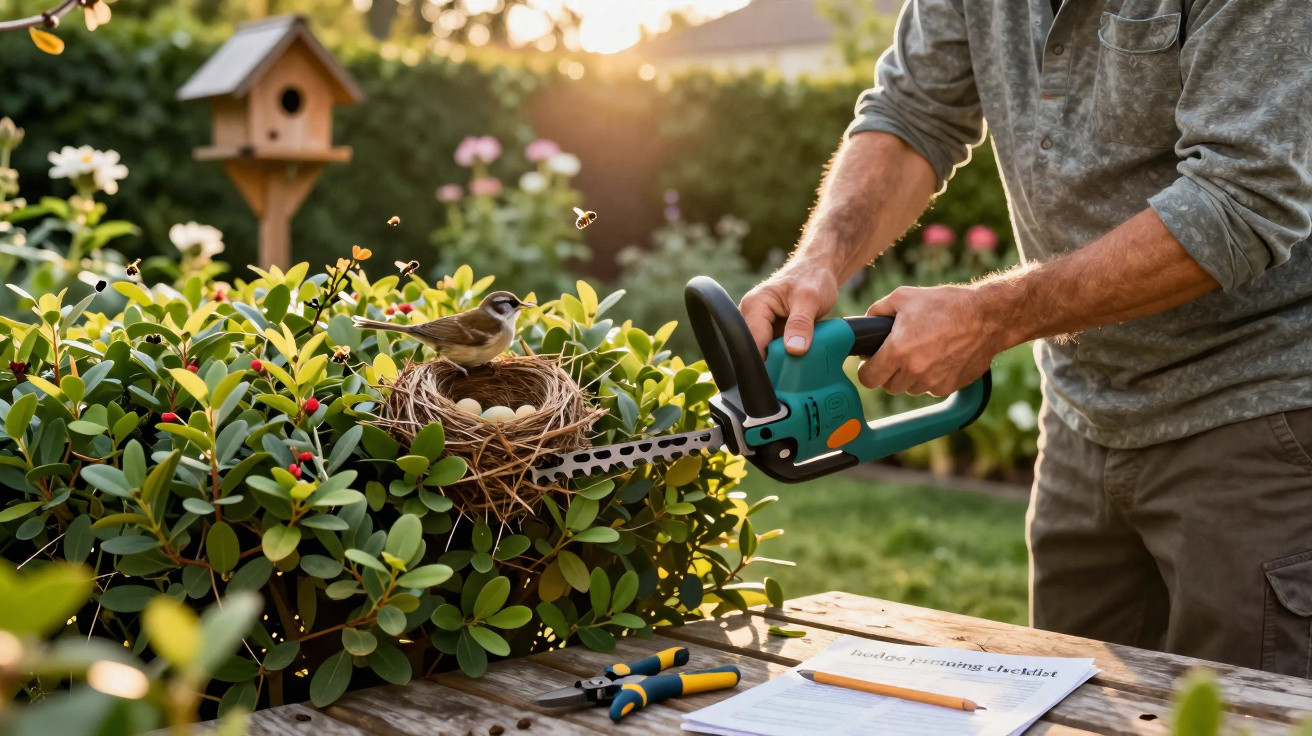
A mixed hedge does more than protect against prying eyes: it also creates habitat for birds, insects and small mammals.
Shrubs flowering at different times provide nectar over many months. Berry-bearing species supply birds with food in autumn and winter. A simple privacy screen can therefore become a small, resilient ecosystem.
Greater design flexibility for front gardens and terraces
Combining Pittosporum with other species also offers visual benefits. Light, variegated foliage can make darker conifers appear fresher. Together with grasses, it creates a modern, almost Mediterranean feel – without making the garden resemble a holiday brochure.
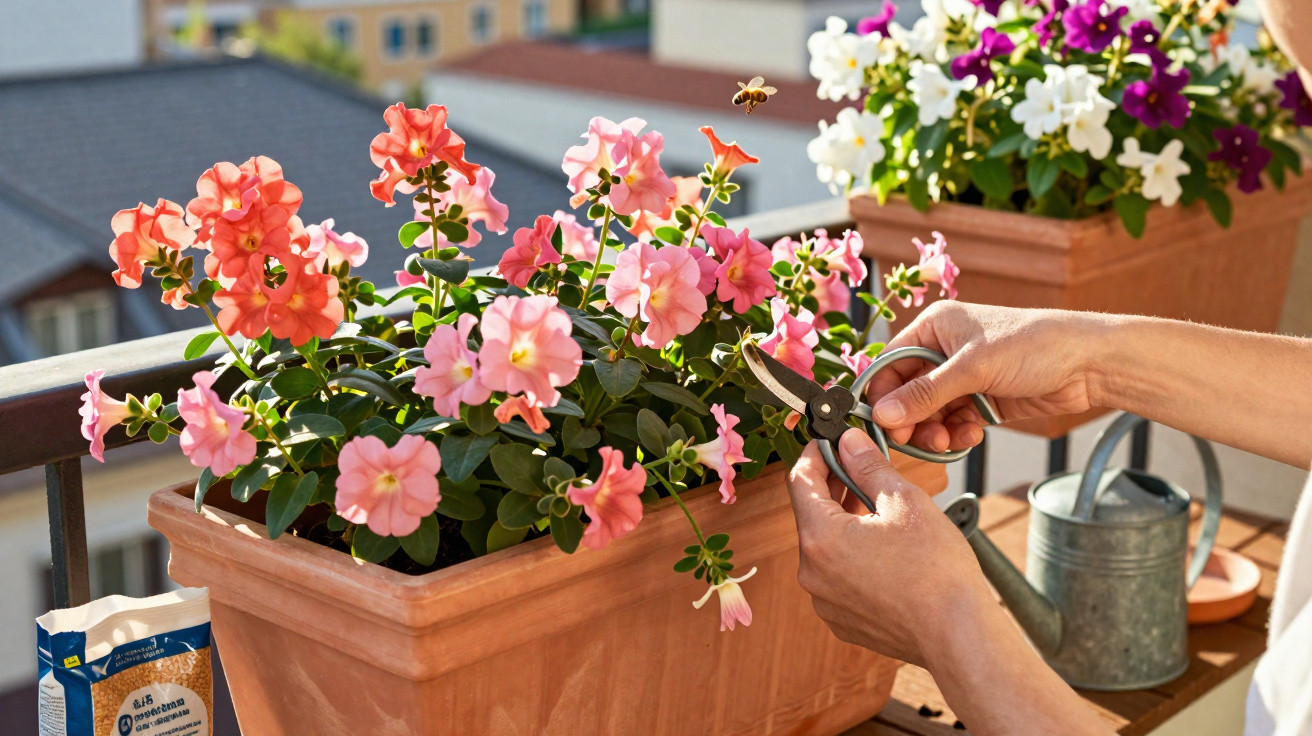
Conveniently, many Pittosporum varieties also suit large containers on balconies or terraces. This makes it possible to create a consistent style around the home, from the front garden to the roof terrace.
What garden owners should consider before changing over
Before removing a weakened Photinia hedge completely, it is worth assessing the situation carefully: if only individual plants are severely affected, partial replacement may make sense. However, anyone who has been struggling for years and repeatedly sees the same damage will often be better off with a complete fresh start.
Pittosporum offers stronger disease resistance, lower maintenance demands and attractive foliage. The only key concern is winter hardiness within the local microclimate. In exposed, windy sites or at higher elevations, it is advisable to trial individual plants before redesigning an entire boundary.
Those who choose a mixed hedge from the outset spread the risk and enhance their garden’s ecological value. Pittosporum can provide its central evergreen element, without the weaknesses that have led many gardeners away from Photinia.

Comments
No comments yet. Be the first to comment!
Leave a Comment