
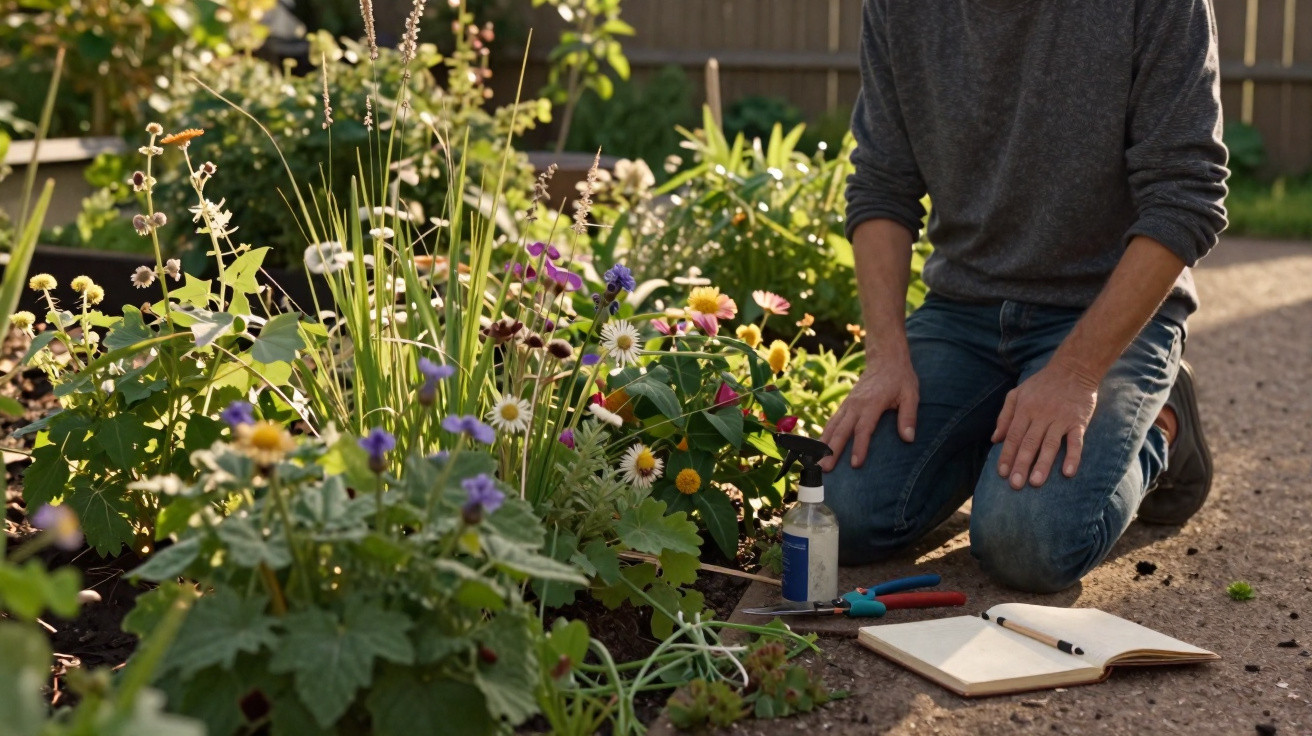
On a sweltering afternoon in late July, Mark stood at the centre of his compact urban garden with a hose hanging from one hand and realised how tired he was. It was not the temperature that had worn him out, but the battle he was having with his plants. Every stem had been staked, every leaf sprayed and every spent bloom removed on time. His beds were as immaculate as a textbook photograph - yet they felt oddly devoid of life. The soil was compacted. Flowers drooped after each gust, while the tomatoes broke with the slightest handling.
On the other side of the fence, his neighbour's garden was untidy by comparison. Its borders ran wild, self-sown marigolds emerged through gravel, and a rose arch leaned at an uncertain angle. But the plants looked hardier, more firmly rooted and almost rebellious.
Then a quiet idea formed at the back of his mind.
What if the plants that are allowed to struggle a little become the ones that survive the longest?
When gardeners stop micromanaging, plants start behaving differently
Spend time with people who have looked after the same garden for ten or twenty years and a pattern becomes apparent. Their plots may be less polished than the images in seed catalogues, yet their plants often appear stronger. Stems are sturdier, roots reach further down, and beds recover more quickly after storms or heatwaves.
These gardeners are not poised with secateurs whenever a leaf turns yellow. Nor do they immediately pour fertiliser on every stem that begins to droop. Instead, they stand back, observe and allow plants to contend with wind, dry weather and hungry insects before they intervene.
In time, that measured restraint changes the behaviour of the entire garden.
Consider Claire, a nurse who took up gardening to unwind after night shifts. During her first year, she cared for plants as though they were patients: closely watched, swiftly treated and recorded in a watering diary. “If a leaf drooped, I panicked,” she laughs. She watered each day, fed plants every week and tied up every tall specimen as soon as it started to lean.
By August, her flower border was exhausted. Daily watering had encouraged shallow roots, and the stems were thin and leggy because they had never needed to support themselves. A heatwave arrived while she was away for four days. When she returned, the pots were scorched and the cosmos had collapsed. The plants that endured were not the cosseted ones, but the self-sown calendulas that had received no “help” all season. Their leaves were coarser and their roots deeper. They were not especially beautiful, but they were alive and actively producing seed.
The following year, that experience altered how she worked in the garden.
The experience of gardeners such as Claire follows a straightforward principle: plants adjust to the conditions they receive. If water turns up at precisely the same time every evening, roots have little reason to travel beyond the surface. If every unsteady stem is secured to a cane, its tissues remain soft and pliable rather than strengthening. When pests are sprayed at the first sign of damage, plants reduce their own protective chemical responses.
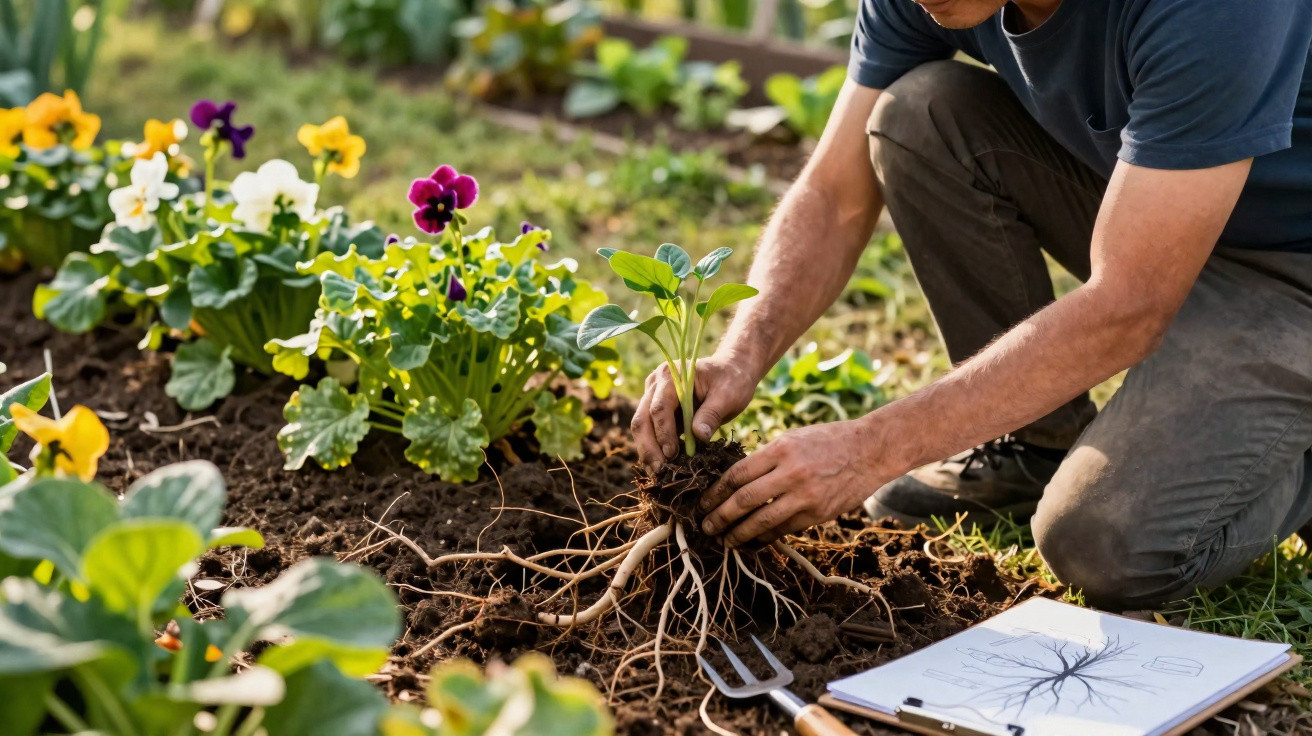
Ease off the assistance a little and plants begin to invest their energy in other ways. Roots delve deeper to find moisture. Wind movement prompts stems to develop structural fibres. A small amount of insect damage activates internal defences that help the plant as a whole. Across several seasons, this mild “stress training” affects more than individual plants. It reshapes the garden's overall character, influencing how it manages a drought or recovers from a late frost.
Practical ways to stop over-correcting nature in your garden
Knowing when to step in - and when to leave your hands in your pockets - is a quiet gardening skill. Watering is an easy place to begin. Rather than giving plants small amounts frequently, water thoroughly but less often. Allow the upper few centimetres of soil to dry before watering again. In response, roots will seek moisture deeper down and develop drought tolerance that no bottle can provide.
Apply the same principle to staking. Give support only to plants that genuinely cannot manage alone. Let many others sway and flex in ordinary breezes. That motion encourages them to thicken their stems, much as exercise strengthens muscles. The result may seem untidy during a blustery week, but after a season you will see which plants have learnt to stand more solidly.
At times, the most useful gardening tool is simply a brief pause before you act.
Most of us know the feeling: you spot a marked leaf or a wilting flower and immediately feel guilty. You search online for symptoms, reach for fertiliser or look for the “right” spray. You want to care properly for your plants and do not want one to die under your watch.
That instinct is entirely human, but it may produce a fragile garden. Repeated feeding encourages abundant but weak growth that flops over. Excessively neat borders remove shelter for beneficial insects. Uprooting every “weed” takes away valuable clues about your soil and microclimate. Honestly, nobody does all this every day, although gardens on social media can make it appear that everyone else resolves every issue immediately.
A kinder routine, with more patience for slow change, often gives plants the opportunity to adapt without assistance.
“Once I stopped trying to fix every tiny imperfection,” says 72‑year‑old gardener Alan, “the garden started fixing itself. I lost a few plants, yes. The ones that stayed are now practically looking after me.”
- Delay the rescue
Give minor wilting or leaf damage 24 hours before responding. Many apparent “problems” vanish when temperatures fall or the plant acclimatises. - Use stress as a teacher
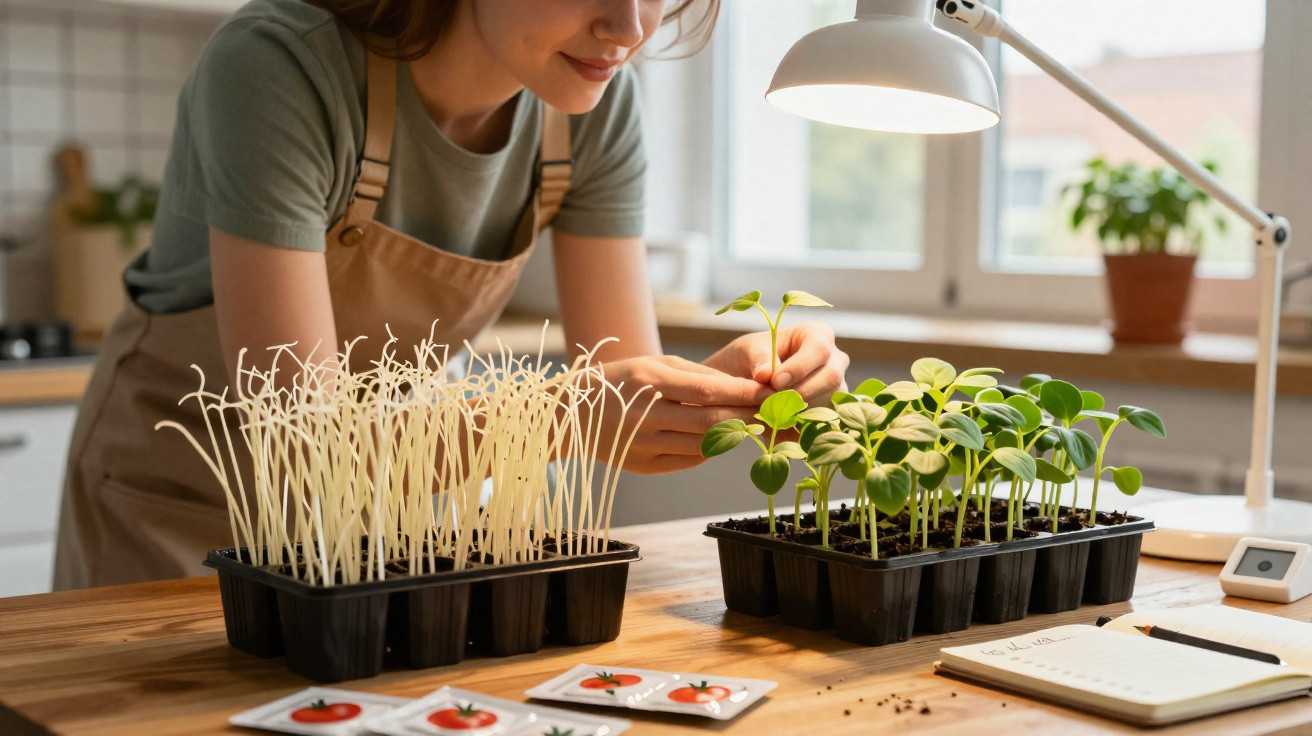
Before planting them out, allow seedlings to experience a light breeze or one day without water. Treat it as preparation rather than punishment. - Accept strategic losses
A few plants will fail. The space they leave can suit tougher varieties that are better matched to your actual conditions. - Shift from control to observation
Use one watering session each week solely to look. See which plants remain upright after wind and which retain their colour longest during dry spells. - Keep small wild corners
Retain a slightly messy patch for self-seeders, insects and experiments. This scruffy area often becomes the source of a resilient garden.
Letting nature lead changes the gardener as much as the plants
When gardeners reduce their constant corrections, their relationship with the garden changes too. Rather than a display that must be controlled, it becomes a conversation. A chewed leaf can be recognised as evidence of a healthy insect population instead of a failure. A plant that topples in midsummer may reveal something about drainage rather than feel like a personal reproach.
After a few seasons, you may become more attached to the determined rosemary that has endured three winters than to flawless dahlias replanted from tubers each year. You start noticing which plants volunteer in crevices and shaded spots. You experiment more and fret less.
The garden begins to support itself, while you no longer serve as emergency cover 24/7. You become a quieter collaborator: guiding in one place, holding back in another and trusting that the soil, weather and time should do part of the work.
| Key point | Detail | Value for the reader |
|---|---|---|
| Stress builds resilience | Permitting mild natural stress, including wind, short dry periods and minor pest damage, promotes deeper roots and stronger stems. | Plants handle heatwaves, storms and missed watering days more effectively. |
| Less intervention, smarter timing | Less frequent, deeper watering and selective staking move plants from dependence towards self-support. | Reduced workload, a lower water bill and a garden that does not collapse when routines are interrupted. |
| Observe before acting | Waiting and watching turn “problems” into information about soil, microclimate and plant suitability. | Sounder long-term decisions, fewer wasted plants and a more stable garden ecosystem. |
FAQ:
- Question 1 Will my plants die if I stop correcting every little issue?
- Question 2 How do I know the difference between healthy stress and real danger for a plant?
- Question 3 Can this approach work in containers or only in the ground?
- Question 4 What about pests-should I really let insects stay on my plants?
- Question 5 How long does it take to see the benefits of backing off a bit?
Comments
No comments yet. Be the first to comment!
Leave a Comment