
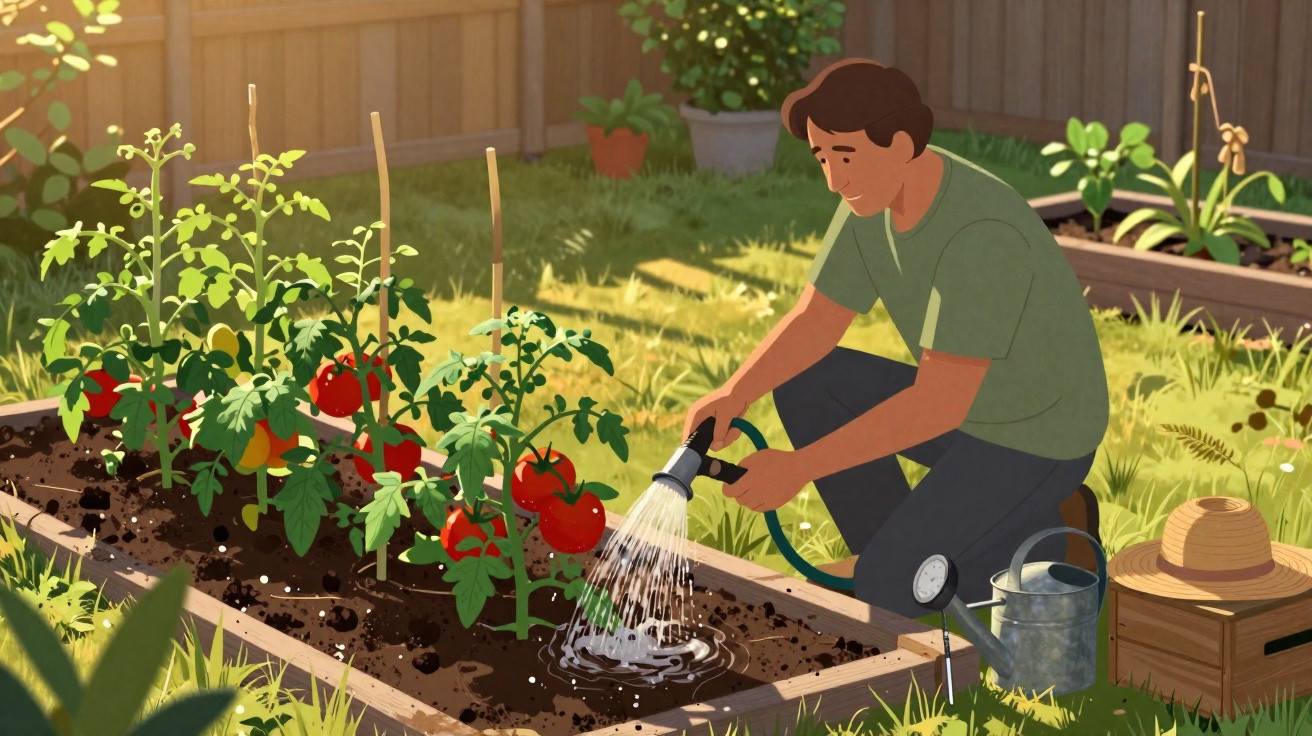
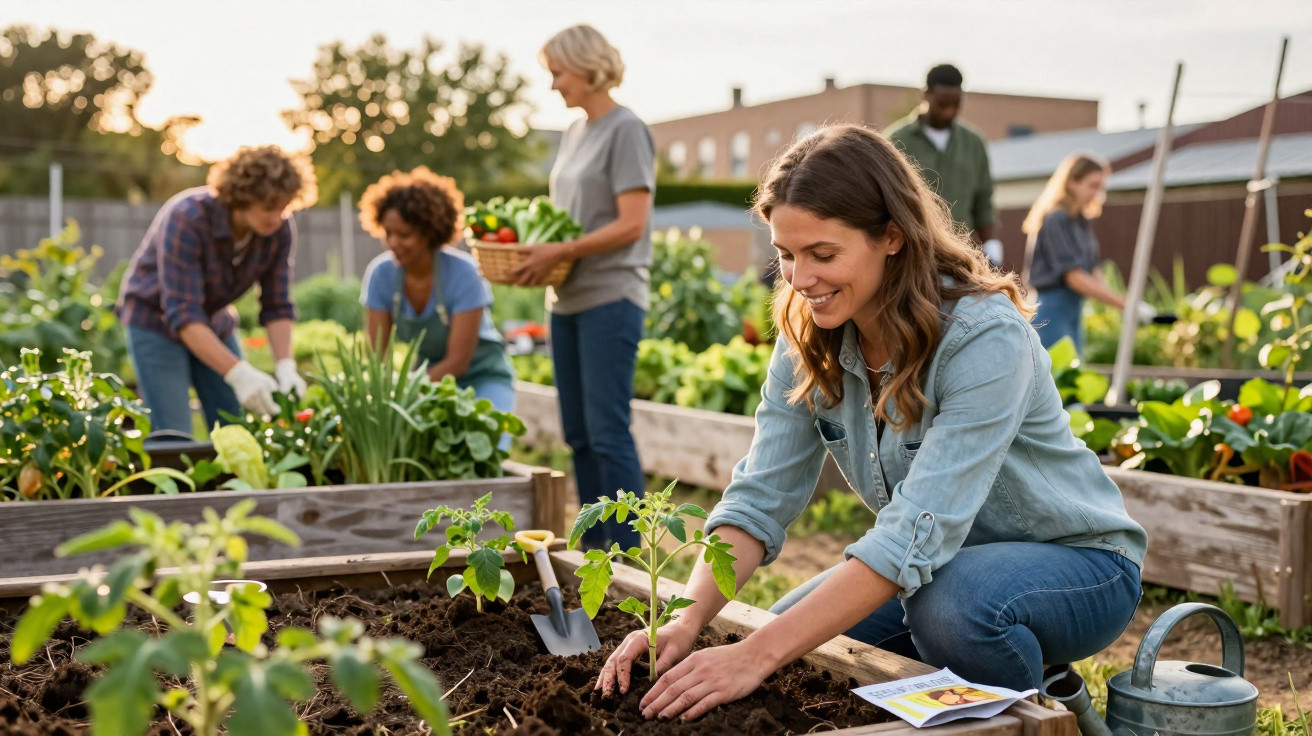
The street was still, apart from the soft spray of sprinklers and the steady drone of air-conditioning units struggling against the sun. At 7 a.m., before heat-warning notifications began lighting up phones, three neighbours were already outside with hoses in hand as though they were essential equipment. One swept water across the lawn in an easy arc, another carried a cracked plastic watering can from pot to pot, while the third was doing something else entirely. She was shaping shallow basins around each tomato plant and spreading material resembling shredded cardboard over the soil.
By midday, the first two gardens appeared weary and limp.
The third seemed as if the heatwave had passed it by.
The way people water is beginning to change.
The quiet revolution: watering less often, but much deeper
The major change is not a fashionable device or a clever sprinkler app. Gardeners dealing with punishing, recurring heatwaves are gradually adopting one straightforward practice: watering less frequently but far more deeply, usually at dawn. The familiar evening habit of walking around the garden with a hose is being replaced by a deliberate, concentrated soak a few times each week.
Plants once sustained by constant small drinks are now being encouraged to seek out their own moisture.
What is surprising is the speed of their response.
Speak to anyone growing tomatoes during a 40°C spell and a similar account tends to emerge. Emma, who gardens on a small city balcony, once watered her containers twice daily. She was always worried, repeatedly checking the compost and wondering why her plants still appeared thirsty by 3 p.m. Last summer, after seeing her water bill rise sharply, she changed her approach: every three days at sunrise, she watered generously and mulched with whatever was available - coffee grounds, shredded newspaper and old straw.
Within a fortnight, the soil was still moist after midday.
Her tomatoes stopped dramatically wilting each afternoon and began directing their energy towards fruit rather than survival.
The reasoning is simple, although it can seem counterintuitive when the air feels as though it is burning. Frequent, shallow watering dampens only the top few centimetres of soil, leaving roots shallow and inactive. Once the sun arrives, that surface layer can dry out within an hour, and plants suffer. A deep, gradual watering carries moisture 15–20 cm below the surface, encouraging roots to grow downwards. When those roots are established deeper in the ground, they are protected from surface heat and day-to-day fluctuations.
This new approach concerns more than the timing of watering.
It is about gently but decisively showing plants where the reliable water is found.
The new ritual: early, slow, and right at the roots
Gardeners who now cope well with heatwaves tend to follow the same routine: they water at sunrise, at such a slow rate that it can feel unnatural. Hoses are reduced to a trickle. Water is directed straight onto the soil at each plant’s base rather than sprayed onto leaves or thrown into the air like a miniature rain shower. Working one area at a time, they allow the ground to absorb all it can before moving on.
There is no hurrying and no repeatedly moving between beds.
Instead, it is a measured, peaceful soak that penetrates deeply.
When a garden looks parched, the natural reaction is to water at its most miserable moment: late afternoon, when leaves hang like tired umbrellas. This is often when people soak the foliage, feel reassured for a moment, then watch much of the water disappear as vapour. We have all experienced standing with a hose, spraying more mist into the air than water onto the soil and hoping it will somehow be enough.
In truth, hardly anyone manages that every day.
The new habit recognises this and accommodates it. If watering is less frequent as standard, then each occasional session needs to matter - reaching the root zone, where evaporation cannot take the water within an hour.
Gardeners exchanging advice in community groups increasingly sound less like people reviewing products and more like calm, encouraging coaches.
“We stopped thinking of watering as ‘giving plants a drink’ and started thinking of it as ‘charging the soil battery,’” says Mark, a volunteer in a drought-prone community garden. “The battery isn’t the leaves, it’s the underground sponge. If the sponge is full, the plants can handle a bad day.”
Several useful practices repeatedly arise from this idea:
- Water at dawn or very late at night to limit evaporation.
- Aim water at the soil rather than the leaves to minimise scorch and disease.
- Apply mulch - straw, leaves, compost or cardboard - to retain moisture.
- Water on fewer days each week, but run the water for longer on each occasion.
- Check the soil 5–10 cm below the surface instead of judging only the dry crust on top.
A new mindset for hotter summers
Once this change becomes noticeable, it appears everywhere: in the neighbour who has replaced half the lawn with deeply rooted native plants, or the friend who talks less about flower varieties and more about how seldom they need to water. The previous notion of a “pampered” garden, continually misted and carefully cosseted, no longer suits summers that set new records year after year. The new source of pride is nearly its reverse: a garden that remains attractive on a strict watering budget, with soil that still feels cool even at 3 p.m.
It’s not minimalism, it’s adaptation.
| Key point | Detail | Value for the reader |
|---|---|---|
| Water less often, but much deeper | One slow, thorough soak every few days instead of daily sprinkles | Stronger roots, plants that cope better with heat and missed waterings |
| Water early, right at the roots | Sunrise sessions, low pressure, soil-level watering, not foliage spraying | Less evaporation, lower bills, fewer leaf burns and fungal problems |
| Protect the moisture you add | Mulch, shade, and ground cover to keep soil cool and moist longer | Water lasts longer, garden looks fresher through extreme heat |
FAQ:
- Should I water every day during a heatwave? Usually no. For most established plants, deep watering every 2–4 days is preferable to a light daily sprinkle that dampens only the surface.
- Is it bad to water in the evening? Watering in the evening is fine when mornings are impractical. Direct water at the soil rather than the leaves, so moisture does not remain on foliage overnight and encourage disease.
- How long should I water each plant? Water for long enough to reach 15–20 cm into the soil. With a slow trickle, this may take 30–60 seconds per plant, and longer for larger shrubs or particularly dry ground.
- Do I still need mulch if I water deeply? Yes. Deep watering fills the “soil tank”, while mulch works as a lid by slowing evaporation and keeping that tank useful for days rather than hours.
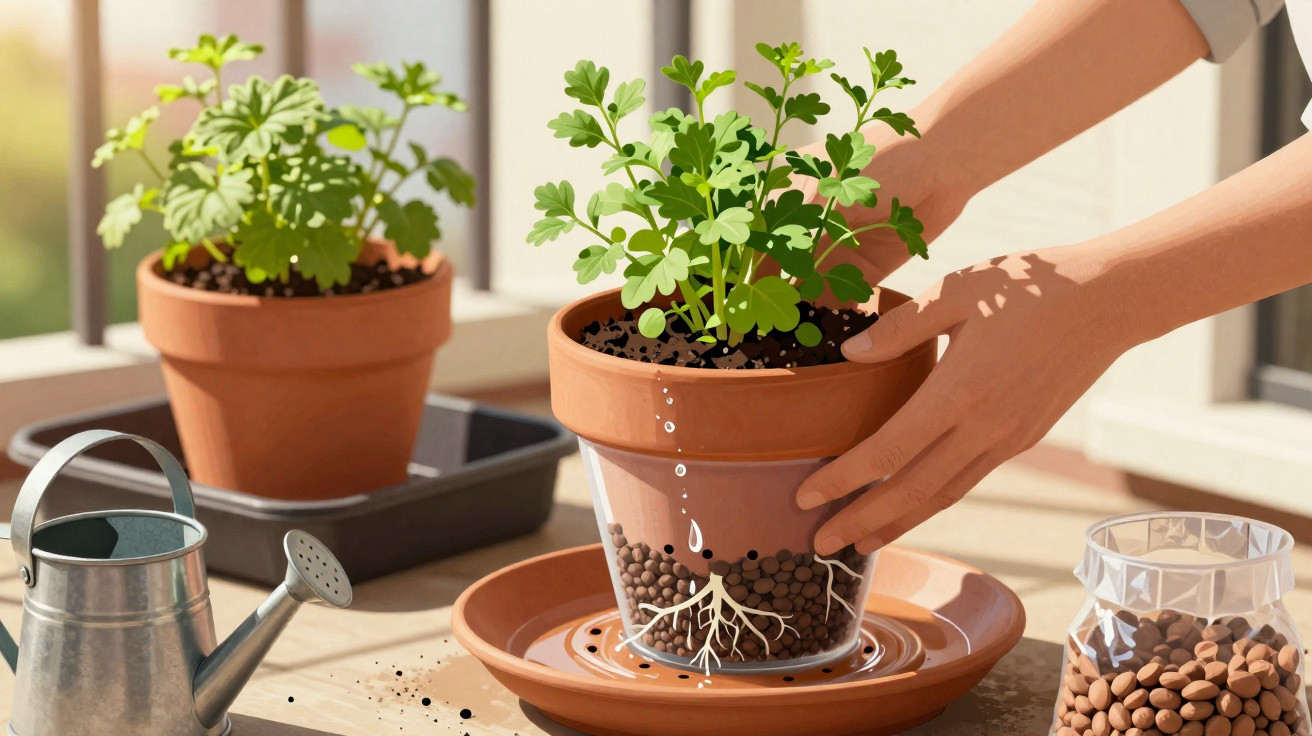
- What about pots and containers? Containers lose moisture more quickly, so in extreme heat they may still require daily or almost daily watering. The same principle remains: water slowly until it runs from the drainage holes.
Comments
No comments yet. Be the first to comment!
Leave a Comment