
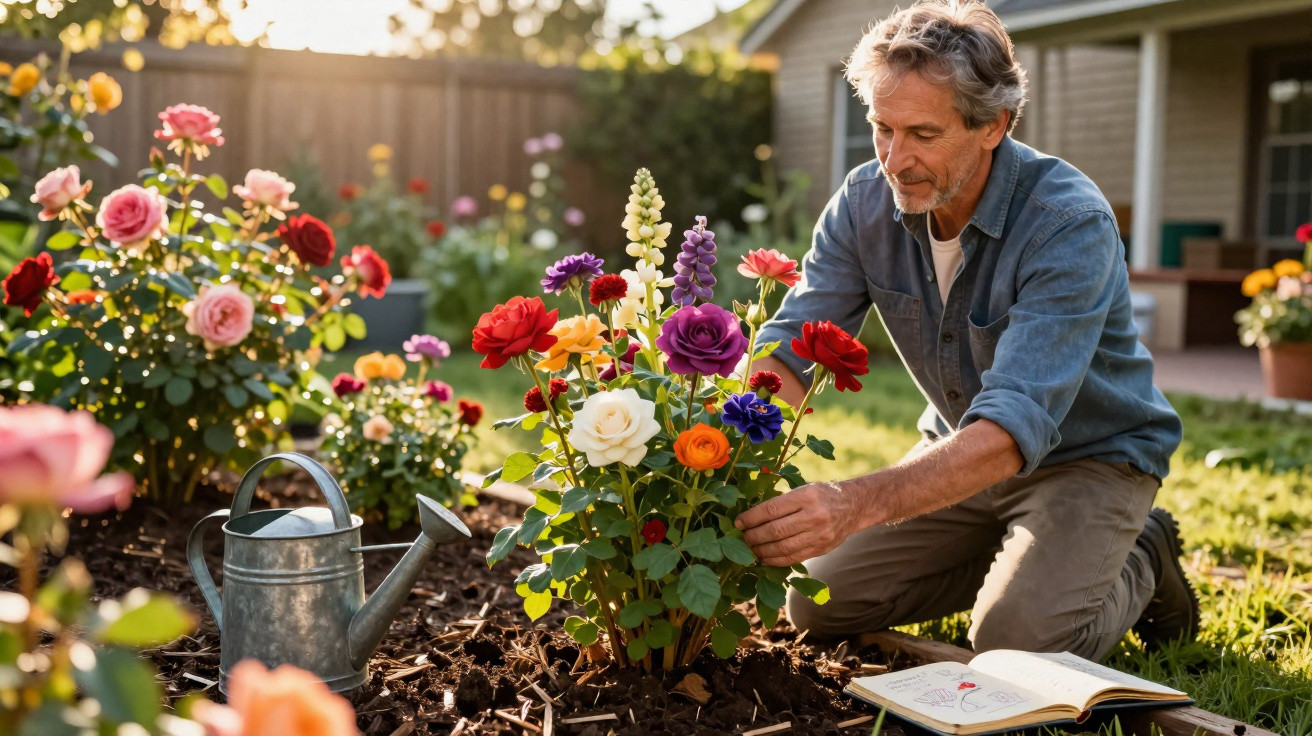
By early evening, when the light softens and the lawn has finally fallen quiet, the garden reveals another side of itself. The lupins at the far end suddenly shine more vividly than they did the previous year. The rows of roses look fuller, almost defiant, as though they are saying: “Look, we’re back – and better than ever.” Right beside them, a few feeble perennials look more ready to give up than to flower. We all know that moment of wondering: what am I doing right with some plants, and so badly wrong with others? Somewhere between the hosepipe and the watering can lies a small piece of everyday magic that is not really magic at all. You simply need to understand why some flowers in the garden bloom more strongly every year – and why others remain quiet.
When the garden reveals its memory
An established garden can sometimes resemble a photo album that has somehow fallen into the soil. Perennial borders left untouched for years may suddenly produce even more flowers than they did the season before. Certain plants seem to remember exactly where they are growing, how much light reaches them and which neighbours surround them. These flowers do not merely appear hardy; they become positively assured. And yet they have not been pampered in the way gardening guides often recommend. Some borders thrive on a quiet, gradual routine that settles into place over many years. Walking through such a well-established garden in early summer, you can sense an invisible plan at work.
I think of my grandmother’s garden behind a village house with crumbling render. Phlox, daylilies and delphiniums had been growing there since I was small. Each year, or so it seemed to me, they became a little taller, denser and more colourful. Nobody talked about NPK values or soil pH. My grandmother spread compost from an old wooden box, pulled out a few weak shoots in spring and watered in the evening with a metal watering can. That was all. Yet eventually the phlox reached my chest, while the daylilies turned the narrow strip along the fence into an orange flame. It felt as if those flowers had decided to reclaim the courtyard a little more forcefully each year.
What is happening has far less to do with magic than with biology and patience. Long-flowering plants in the garden – perennials, roses and some bulb plants – add to their root systems year after year. Their roots reach deeper and wider, branching ever more finely. With every season, they gather additional energy and nutrients, storing strength in rhizomes, tubers and rootstocks. As a result, it is not only the flowers that grow, but the entire “plant system”. Soil fed with organic matter, no relentless cutting back in autumn and a reasonably stable position all add up. Before long, a plant that was timid in its first year may look like a small shrub by its third. The garden does not forget what we give it, for better or worse.
What quietly prepares a strong flowering year
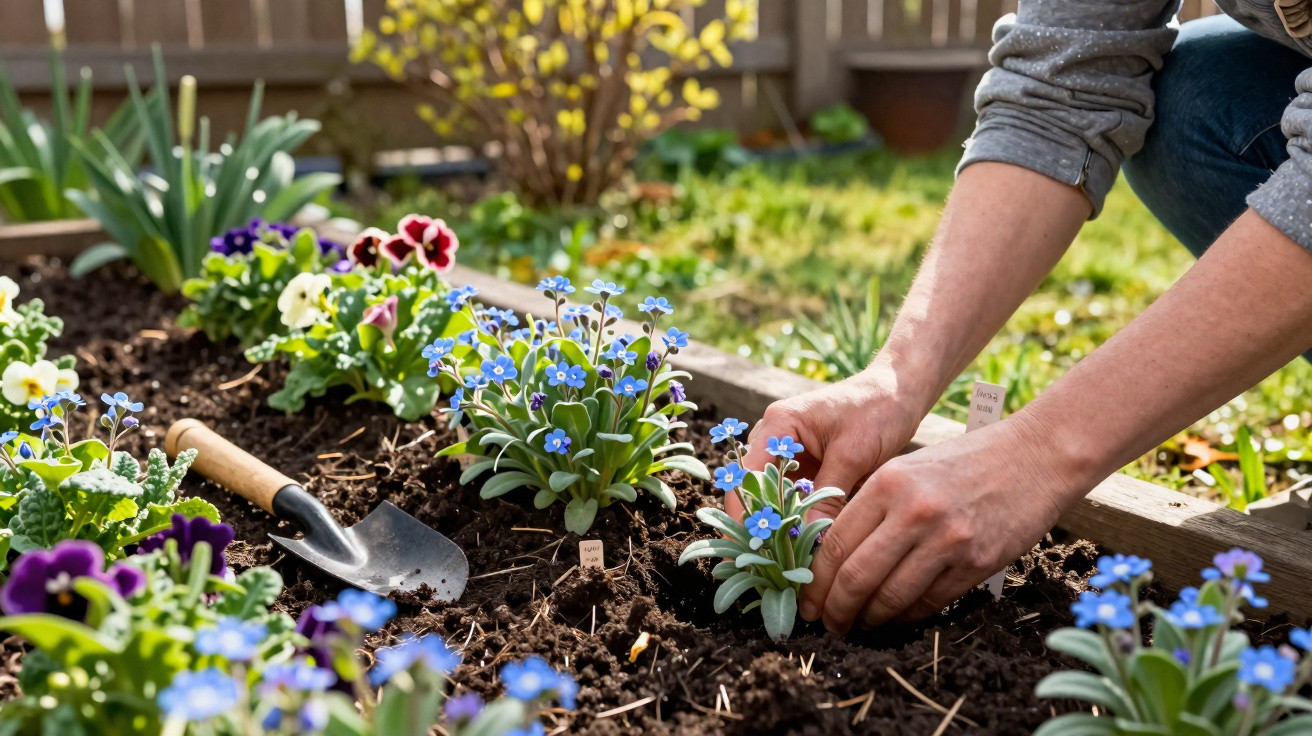
If you want flowers to bloom more strongly every year, the work begins not in May, when the first buds open, but in the previous late summer and autumn. One straightforward approach can work wonders: remove spent growth consistently but gently. Do not cut everything down to ground level or be heavy-handed; instead, do it in a way that stops the plant putting energy into seed production and directs it towards roots and fresh shoots. Combined with a layer of mature compost – not too thick, more like a blanket than a mattress – this creates the foundation for next year’s flowering display. Paying attention to each plant’s rhythm also helps: deal with spring-flowering plants after they bloom, and summer-flowering ones in late winter, giving them something like a natural training plan.
Many gardeners eventually decide that they do not have “green fingers” because certain flowers simply fail to take off. Honestly, it is often not a question of talent but of small errors repeated over time. Moving plants too often because their position does not look “aesthetic”. Continually digging between perennials until their web of roots is disturbed. Overfeeding with fast-acting mineral fertilisers which may create lush green growth in the short term, but can reduce a plant’s ability to adapt over the longer term. Let us be honest: nobody carries out a professional soil analysis every weekend. But those who avoid major extremes and allow plants time to settle in one place will, after a few years, be rewarded with precisely this result: more flowers, greater resilience and less drama.
One sentence a gardener at an urban nursery said to me has stayed with me:
“Most flowers do not want a new start-up plan every year; they want a reliable, moderately good environment.”
It may sound unremarkable, but it is a small key to success. A moderately good environment means reasonably suitable light, soil that is not completely depleted, and water supplied neither in floods nor in homeopathic doses. If you then make small adjustments each year, individual plants can develop into real garden presences. The most useful habits are:
- One thin layer of compost each year instead of three different fertilisers
- Less moving around and more patient observation
- Regular, though not perfectionist, removal of faded shoots
- Respecting plants’ dormant periods rather than “loving them to death”
- Working with the weather instead of watering against it
How a flowering routine becomes a small wonder
Anyone who stays with a garden for longer eventually notices that its most impressive bloomers are often the ones allowed to grow old in peace. You cannot see their annual rings as you would on a tree trunk, but you can sense them in the abundance and effortless confidence of their flowers. A border given five or seven seasons to develop tells a different story from a “dream garden” remade every year. Plants learn their position, their hours of shade and their frost. We, in turn, learn which species we can form a quiet alliance with. They may not be exotic showstoppers, but dependable classics that edge a little further forward each season. The result looks less like a catalogue photograph and more like a living place where you want to stay.
| Key point | Detail | Benefit for the reader |
|---|---|---|
| Roots rather than miracles | Perennial flowers invest in deeper, denser roots every year | Understand why patience and keeping plants in one place lead to more abundant blooms |
| Gentle care routine | Cutting back after flowering, a thin compost layer and no constant moving | Practical steps that bring stronger flowering without much effort |
| Garden as a long-term project | A border develops its own stability over several years | Adjust expectations and consciously enjoy long-term development |
FAQ:
- Question 1: Why do my perennials often flower better in their second year? In their first year, they put much of their energy into establishing roots and growth; in the second, they can turn that stored strength into flowers, which can look like an “explosion”.
- Question 2: Should I cut off all faded flowers so that more will appear? For many perennials and roses, yes: this directs energy into fresh buds and roots. For plants you want to self-seed, it is better to leave some flowers in place.
- Question 3: How often should I divide perennials to keep them vigorous? Depending on the species, roughly every 3–5 years, when the centre becomes bare or flowering declines; replant the healthy outer sections.
- Question 4: Can too much fertiliser weaken flowering? Yes. Overfed plants often produce plenty of foliage but fewer flowers; moderate use of an organic fertiliser is usually entirely sufficient.
- Question 5: Does soil really matter that much for recurring flowers? Very much so, because living, humus-rich soil acts as a buffer against drought, nutrient fluctuations and temperature peaks – exactly what strengthens long-lived flowering plants.

Comments
No comments yet. Be the first to comment!
Leave a Comment