
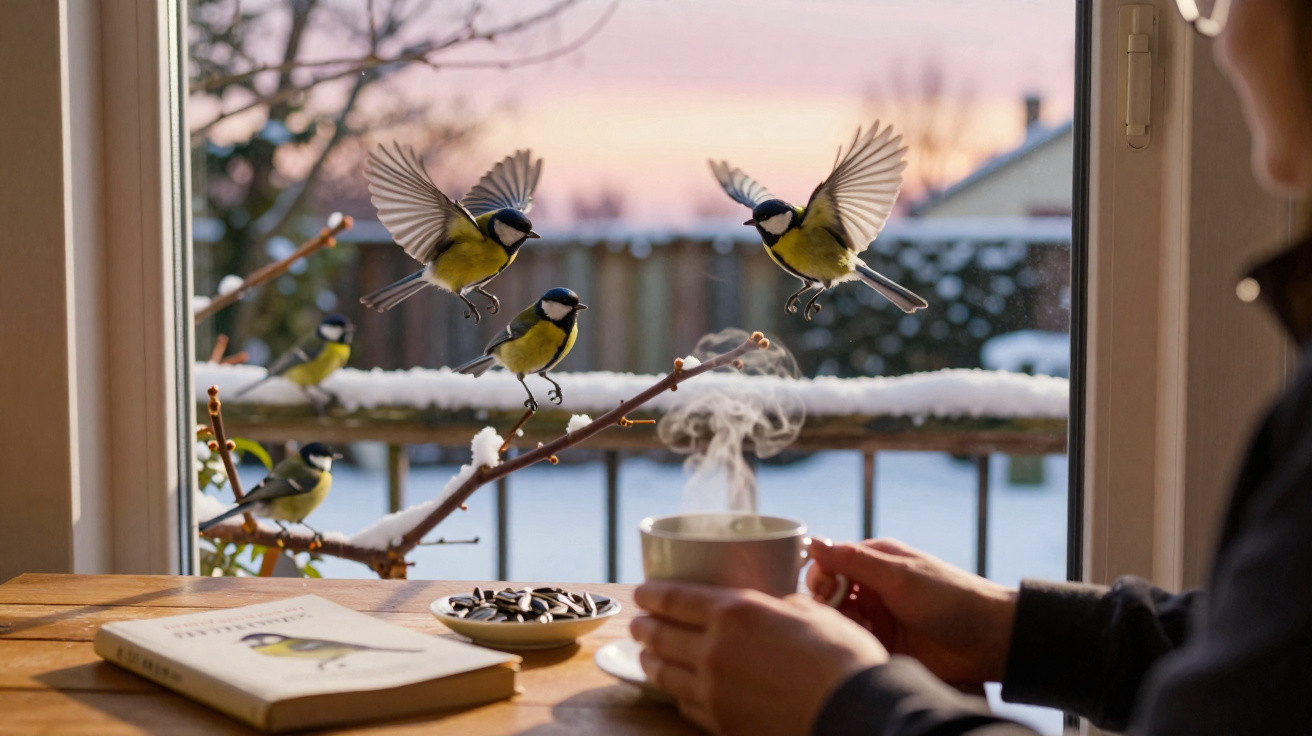
Many gardens feel lifeless in winter, yet next door the tits seem to arrive on cue. That difference has nothing to do with having a “greener thumb”, but with a surprisingly simple routine these birds remember as reliably as we remember breakfast time. Once you know it, you can enjoy a small wildlife show outside the window each morning.
Why tits avoid your garden in winter - or keep coming back
Tits are among the most common winter visitors to gardens across the UK. Blue tits, great tits and their relatives stand out with bright plumage and quick, lively flight. Even on dull days, their clear, cheerful calls can make things feel lighter.
And yet, plenty of gardens stay oddly quiet in winter. It can look as though birds are scattered at random, but there is a pattern. Tits aren’t casual drop-ins: they stick to habitual routes and timings as they move between feeding spots. If your garden fits that routine, you’ll be visited often; if it doesn’t, you’ll be overlooked.
"Tits don’t come when you feed at random - they come when you’re reliable."
The upside is that you can work with these habits easily. Choose a consistent time and provide the right food, and your garden can quickly become a regular stop on their daily circuit.
The crucial time: when tits will reliably stop by
What matters most isn’t how much you put out, but when you put it out. Tits learn the time when visiting you pays off. In winter, their day is shaped by short daylight hours and the need to replace energy fast.
Early start: feed just before sunrise
The best window is early morning, right before or at sunrise. That’s when the birds begin their “working day”. The night has drained their reserves, especially when temperatures hover around freezing or drop below it. At that point, every calorie counts.
If food is available that early, tits quickly register your garden as a dependable breakfast stop. After only a few days, they often turn up before you even open the door - they wait because they expect you.
- Fixed feeding time: daily, ideally at the same time
- Best option: just before or at sunrise
- Better to avoid: irregular, random top-ups
- Counterproductive: breaks of several days
If the feeder stays empty for days or the timing keeps changing, other food sources move higher up the birds’ “priority list”. They’ll then head for neighbours or parks where it’s more predictable.
Practical for real life: how to make the routine stick
Not everyone wants to step outside in pitch darkness just to put out bird food. A few practical approaches make it easier to stay consistent:
- Put the food out in the evening so it’s already there in the morning
- Use automatic feeders that are harder for rats or larger birds to raid
- Share the job with someone at home: “whoever gets up first feeds”
- If you’re away for a break, ask a neighbour to keep the feeding going
The less hassle the routine creates, the more likely you’ll keep it up until spring - and that consistency is exactly what the tits are relying on.
No energy, no chance: the right food for cold days
Timing alone isn’t enough. In winter, tits need especially energy-dense food to maintain body heat. Their metabolism runs flat out, and they lose a lot of warmth overnight.
Food that genuinely helps tits
Good winter options include:
- Black sunflower seeds: high in fat, easy to open, ideal for small beaks
- Fat balls without netting: use fat blocks/balls in feeders so birds can’t get tangled
- Fat blocks with seeds: often a favourite, especially in hard frost
- Seed-and-fat rings for tits: mixed seeds bound in fat and easy to hang
Avoid seasoned leftovers, bread, or salty foods. They offer little nutritional value and can harm birds.
"In winter, one thing matters most: high fat content, no fuss, no spices."
How to position feeding stations properly
Where you place the food often determines whether tits feel safe enough to use it. They need somewhere to dart to instantly if danger appears.
Useful criteria for a spot in the garden or on a balcony:
- Close to shrubs or trees that provide cover
- Far enough from large glass surfaces to reduce collisions
- Out of reach of cats - at least 2 metres above the ground and not beside anything climbable
- Sheltered from strong wind and persistent rain
Spreading several small feeding points around reduces stress and squabbling. It also allows more cautious tits to feed without being pushed aside.
Regularity without dependence: keeping your garden bird-friendly
Winter feeding can support birds, but it shouldn’t make them permanently dependent. Tits are wild animals that can and should find food on their own. Feeding is a boost during the toughest season, not a replacement for natural sources.
A rough guide for the feeding year:
| Period | Recommendation |
|---|---|
| November to March | Feed daily, focusing on high-fat, high-energy food |
| Spring | Reduce gradually as more natural food becomes available |
| Summer | Not essential; optionally small amounts of seed, but making the garden insect-friendly matters more |
If you keep your garden close to nature - with native shrubs, perennials and wilder corners - you offer birds food and shelter throughout the year. Winter feeding then becomes a valuable extra rather than the only option.
Biodiversity on your doorstep: more than just a nice photo
When tits turn up reliably each morning, it’s not only entertaining. They’re part of a delicate ecological balance. They eat pests, indirectly contribute to plant pollination, and they also serve as prey for other species.
Creating a bird-friendly garden supports an entire chain of life - from insects and small mammals through to birds of prey. Small actions make a difference: avoid pesticides, leave a pile of fallen leaves, and choose native plants.
For many people, feeding at the same time each morning becomes a small ritual. Step to the window with a cup of coffee and watch the tits arrive - almost to the minute. It quickly turns into a quiet moment that changes how the day begins, while also helping your local area stay that little bit more alive and species-rich.
Comments
No comments yet. Be the first to comment!
Leave a Comment