
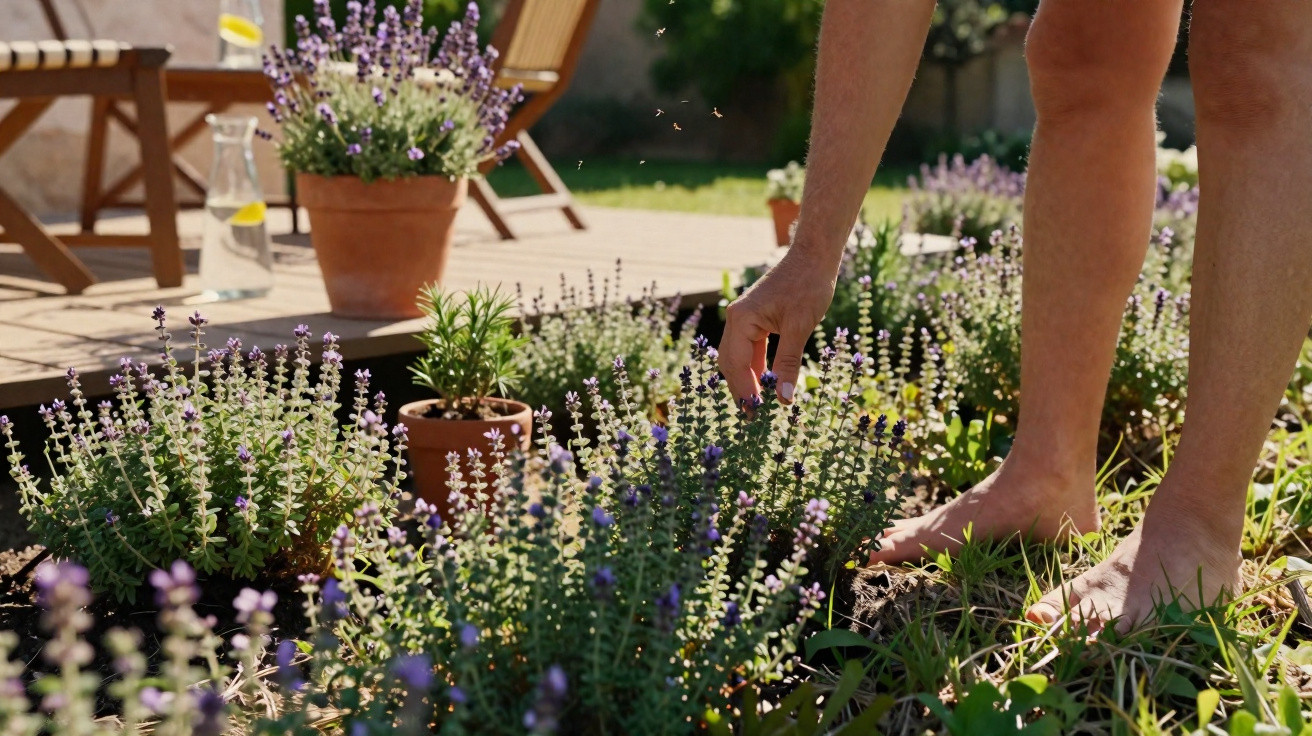
A modest-looking scented plant can change all of that.
Anyone who wants to enjoy summer in the garden often hits the same frustrations: the lawn demands water and attention, mosquitoes flock to damp corners, and you end up sitting on the terrace with repellent on your skin and yellow patches spreading through the grass. That’s why more and more hobby gardeners are turning to an option that tackles several issues at once: a low-growing thyme carpet that replaces lawn areas and makes mosquitoes less comfortable near seating.
Thyme carpet instead of a lawn: why this plant is in such high demand
The botanical name may sound fiddly, but what it does outdoors is straightforward: Thymus serpyllum ‘Coccineus’-often sold as red sand thyme or carpet-forming thyme-spreads like a living rug. It stays close to the ground, typically around 5–10 centimetres tall, and each plant forms a dense cushion about 30–40 centimetres across.
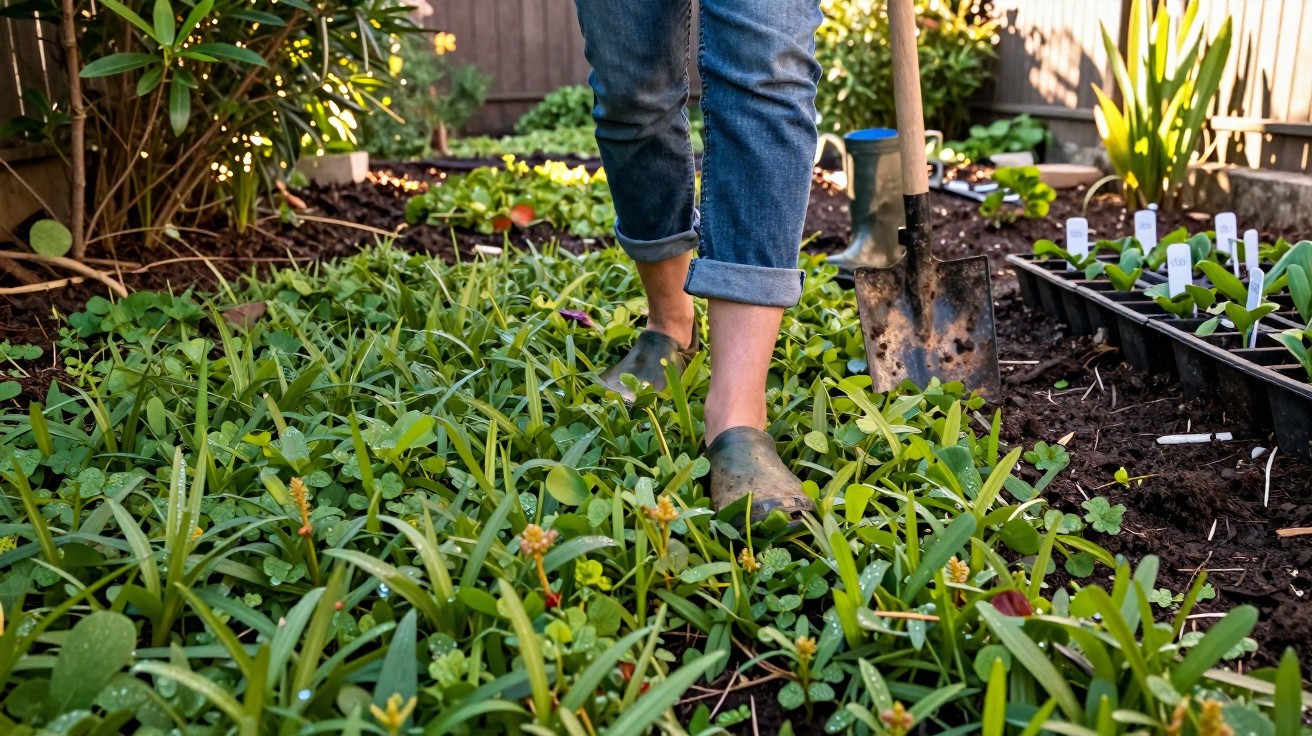
Where a lawn used to need constant mowing, you get a tough, ground-hugging, fragrant carpet with purple-pink flowers. Those blooms attract bees and bumblebees, while you spend noticeably less time on upkeep.
"Red sand thyme doesn’t just replace a lawn; it also makes the seating area drier, easier to look after and less appealing to mosquitoes."
Unlike thirsty ornamental turf, this thyme prefers poor, free-draining soil and full sun. Sandy or stony spots, slopes, or the area around a terrace are ideal. It’s particularly handy between stepping stones or along path edges, because it will keep growing where the mower gave up long ago.
Location, soil, climate: where a thyme carpet thrives
For the thyme carpet to knit together into a proper, continuous cover, it needs the right conditions.
- Light: A full-sun position-more sun is always better.
- Soil: Low-nutrient, stony or sandy, and absolutely free-draining.
- Moisture: Short dry spells are fine; waterlogging is not.
- Frost hardiness: Hardy down to about -25 °C, and the carpet usually remains visible all year.
Before planting, many garden owners work sand or fine grit into heavier soils. That helps rainwater drain away more quickly and stops the roots sitting in wet ground. If you have a gentle slope or an area of gravel, conditions are close to perfect.
How thyme makes the garden less attractive to mosquitoes
Mosquitoes especially like three things: moisture, sheltered nooks and still air. Conventional lawns, tightly clustered pots on the terrace and permanently wet saucers create exactly the sort of environment they thrive in.
Carpet-forming thyme shifts those conditions in the opposite direction. After rainfall it dries quickly, it holds very little water at the surface, and it allows air to move through. That reduces damp, cool hiding places at ground level where insects often gather.
It gets more interesting when you walk or wheel something across it. The small leaves contain aromatic oils, and when they’re brushed the familiar scent is released-spicy and fresh, with a slightly sharp edge. Those scent compounds can make it harder for mosquitoes to orient themselves, leaving them less settled in the area.
"Not a miracle cure-but one piece of the puzzle: thyme on its own doesn’t replace mosquito protection, but it shifts garden conditions significantly in your favour."
Many hobby gardeners’ own trials suggest that mixed planting around seating works particularly well. The result is a kind of “scent zone” where mosquitoes are less inclined to linger.
The best planting time and planting density for a closed carpet
If you want a resilient thyme carpet, it’s best to begin between late winter and late spring, once the soil is warming up but still holding some residual moisture. That gives young plants time to root strongly before the summer heat arrives.
Step by step to a thyme carpet
- Prepare the soil: Remove weeds thoroughly, loosen the ground, and mix in sand or grit if the soil is heavy.
- Space the plants: Allow 30–40 centimetres between plants; for faster coverage, plant roughly 9–12 plants per square metre.
- Water in: Water well after planting, and keep moisture even for the first few weeks.
- First-year care: Water only during dry spells, and later only during extended hot periods.
- Light trim: After flowering, shorten the shoots slightly so the carpet stays compact.
By the second year, gaps usually fill in noticeably. Where grass once turned thin and brown, you’ll have a stable, scented mat that can even be walked on carefully.
Scent barrier against mosquitoes: good companion plants around the terrace
Red sand thyme is most effective when it forms part of a broader aromatic edge around the seating area. In pots or raised beds, these pair well:
- Lemon basil: A fresh citrus scent, and a great fit for summer cooking.
- Lemongrass or lemon balm: Classic fragrant plants whose smell is less appealing to mosquitoes.
- Peppermint: Very strong aroma-best kept in pots, as it spreads aggressively in beds.
- Lavender: Drought-tolerant like thyme, attractive to pollinators and adds colour at the border.
One key point: don’t cram pots tight against the house wall or next to sliding glass doors. Leave a little space so shaded damp pockets don’t develop. Only put minimal water in saucers and empty any leftovers regularly.
Less watering, less mowing - but where are the limits?
Thymus serpyllum ‘Coccineus’ reduces the workload, but it isn’t a miracle plant for every part of a plot. In deep shade, under large trees, or in areas that stay wet, it will struggle or fail altogether. If you need ground cover there, you’ll have to choose different species.
Its look also differs from a traditional lawn. A thyme carpet flowers strongly, grows a little irregularly and feels more natural-almost like a miniature herb meadow. If you love perfectly clipped green surfaces, this alternative may only suit you to a point.
Even so, for many garden owners the benefits win out:
- Much less mowing
- Lower water use
- More food sources for insects
- A pleasant scent as you move through the garden
- Fewer damp zones around seating areas
Practical tips: keeping a thyme carpet vigorous for years
To keep the area healthy long term, it’s worth paying attention to a few details that are easy to miss day to day. Heavily compacted footfall spots, for instance, can thin the carpet. It helps to create firm routes with slabs or stepping stones through the thyme, rather than repeatedly treading the same patches.
If you have children or pets, watch which areas take the most wear. There you can either plan more robust stepping stones or increase the planting density slightly. Thyme needs very little organic fertiliser; in fact, it copes better with minimal feeding, because too much fertiliser makes it soft and more prone to problems.
After a few years, individual cushions can become woody in the middle. When that happens, lift small sections and replant them elsewhere like cuttings. It effectively rejuvenates the carpet without needing major new purchases.
More quality of life in the garden through small changes
If, on hot summer evenings, you’d rather go barefoot across a fragrant herb carpet than switch on the sprinkler, you’re part of a growing group of garden owners rethinking how they use their space. Often a portion of lawn remains, for example for children to play on. The rest becomes a mosaic of ground covers, gravel paths and aromatic beds.
Switching to Thymus serpyllum ‘Coccineus’ is a typical example of one small change delivering several effects: less watering, less machine noise, more food for insects-and an environment where mosquitoes find it noticeably harder to settle.
If you plan now in late winter or spring, you could be sitting on the terrace next summer while a spicy-scented carpet grows under the table, needs very little care and makes evenings outdoors far more pleasant.

Comments
No comments yet. Be the first to comment!
Leave a Comment