
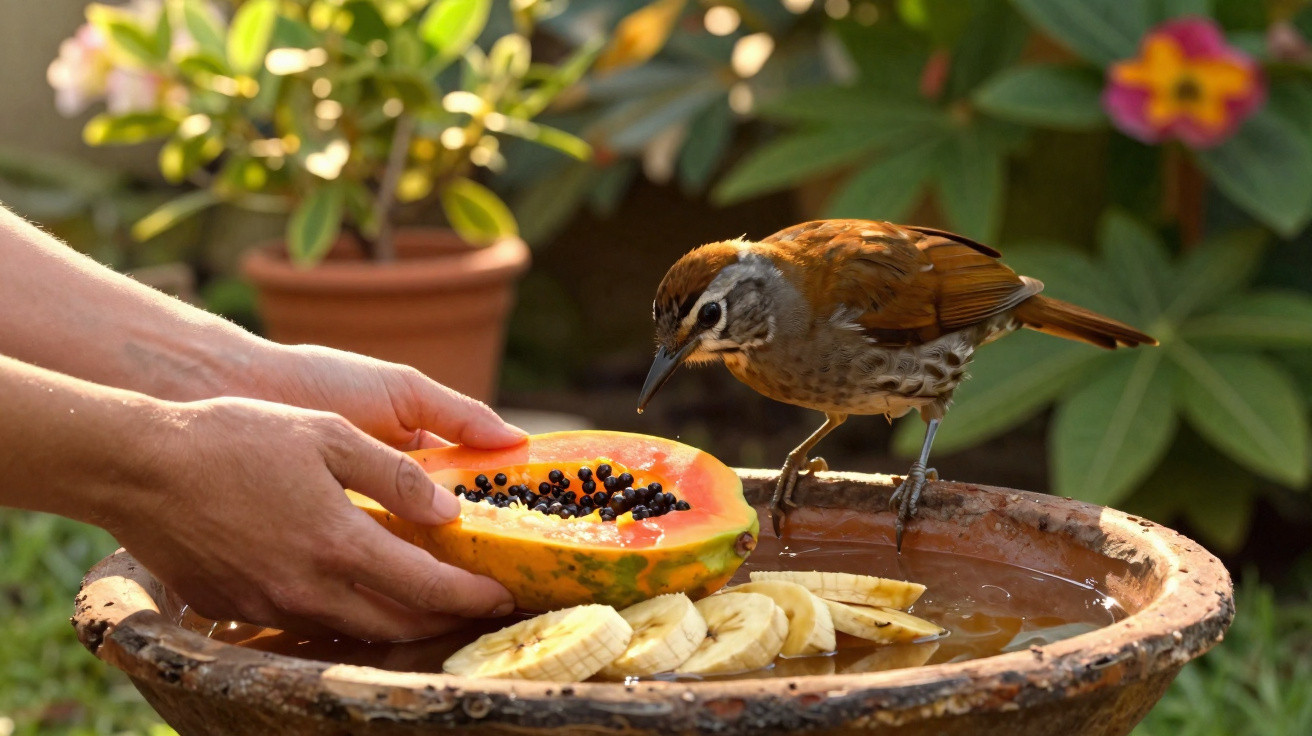
Many garden owners put up feeders, hang suet balls in the trees and then wait in vain for that bright orange-red breast. The local robin may flit in briefly, pinch a crumb and vanish again. The key trigger that actually makes it stick around is often right under your feet - and in most gardens it gets tidied away without a second thought.
Why the robin avoids your garden
The robin is one of the most familiar songbirds in central European gardens. It grows to only about 12 to 14 centimetres long, weighs little more than a chunky letter and looks almost endearingly small in photos. In reality, though, it isn’t living on charm - it survives through relentless hunting, and it does that almost entirely on the ground.
Around 90 percent of its food is found directly in leaf litter, among roots and in little dips in the soil. It mainly eats:
- woodlice, spiders and millipedes
- larvae in the soil and in decaying wood
- caterpillars and other insects
- small snails and young slugs
- occasionally worms and other soft-bodied creatures
That makes the robin a genuine worker in the garden: it keeps pests in check, reduces slug damage and catches large numbers of insects that would otherwise weaken your beds. In spring it needs huge amounts of animal protein to feed hungry chicks. Seed mixes from a feeder are, at that time, virtually irrelevant.
"If you only keep the bird feeder topped up but keep the ground clinically tidy, you’re setting the robin a beautifully laid table - without any food."
The secret favourite spot: a mini forest floor under shrubs
The robin’s real paradise isn’t by a balcony rail; it’s a few centimetres above the soil, under dense hedges and shrubs or along the edge of a thicket. There it feels protected, has cover from sparrowhawks and cats, and can find plenty of crawling prey close at hand.
What it needs is a patch that resembles a tiny woodland floor:
- a layer of leaves and organic material
- a few pieces of deadwood, small branches or thin logs
- dappled shade rather than blazing sun
- as much shelter from wind as possible
A natural layer roughly 10 to 15 centimetres thick is enough to hold moisture and create a living habitat beneath it. Fungi, bacteria and microscopic organisms break the material down; that process draws in woodlice, worms, larvae and other prey - an ideal hunting ground for a robin.
How to build a robin buffet with “wild mulch”
The good news is that you don’t need to buy anything expensive - no specialist feed and no elaborate contraptions. Your garden already provides what’s required, as long as you don’t rake it into bags and haul it off to the tip.
Step-by-step guide
- Pick a dense hedge or sturdy shrub in a fairly shaded corner.
- Rake the autumn leaves from the lawn and move them deliberately to that spot.
- Spread the leaves loosely - don’t compact them; air still needs to circulate.
- Add a handful of branches, thin twigs or small pieces of already-rotting wood.
- In one or two places, bury a few apple leftovers or untreated vegetable peelings.
The fruit scraps speed up decomposition and attract bacteria and microorganisms, which in turn draw in vast numbers of tiny creatures. Within a few weeks, what looks like an “untidy” pile turns into a natural feeding buffet.
"An unremarkable carpet of leaves and bits of wood can do more for robins than any decorative feeding station."
The biggest mistake: spring clean-ups with leaf blowers and rakes
Just as the robin is trying to establish its feeding hub, many keen gardeners clear everything away. By March at the latest, out come the leaf blower, the rake and the wheelbarrow. The layer beneath shrubs gets “cleaned up”, and the soil is left bare.
In one go, you remove:
- moisture held in the ground
- hiding places for small creatures
- larvae and eggs of many insects
- cover from predators
The robin then has to find a new territory - often simply next door, where someone doesn’t tidy quite so thoroughly. If you genuinely want to keep the bird around, leave your leaf-and-deadwood zone alone until at least mid-May. Once the main breeding period has passed, gentle thinning has far fewer consequences.
How to make your garden safer for robins
Food on its own isn’t enough. The little bird also needs escape routes and quiet. Gardens with lots of free-roaming cats are especially difficult. In that case, place the “robin area” where cats don’t constantly patrol - behind densely planted hedges, for instance, or in corners with hard-to-reach shrubs.
Useful extras can include:
- a shallow water dish on the ground, close to a wall or shrub
- loose, more natural hedging rather than tightly clipped monocultures
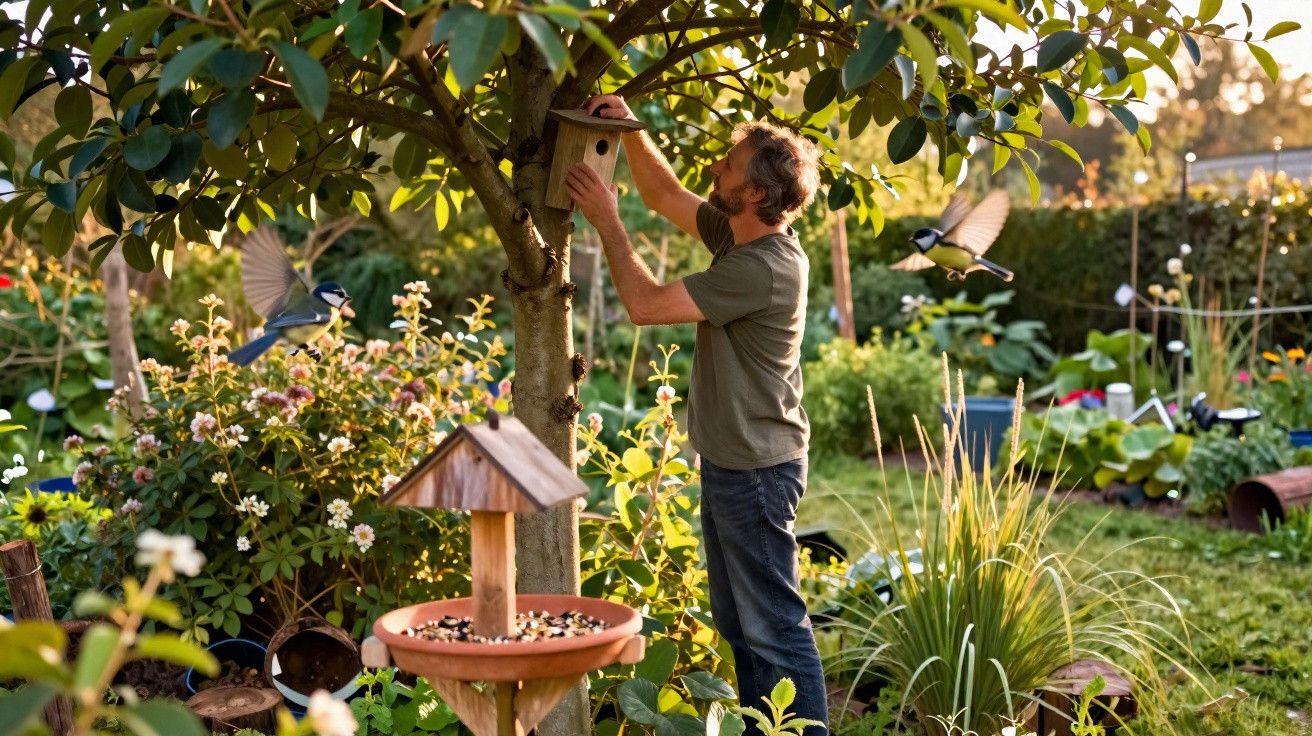
- a quiet nest box with a slightly larger opening, mounted 1.5 to 2 metres high
In winter, additional suet balls or shelled sunflower hearts can help, particularly during hard frosts. From spring onwards, it’s better to hold back and let the bird hunt for itself again. When raising young, the adults need real prey - not seeds.
Why “untidy” gardens are increasingly becoming refuges
Many front gardens now resemble barren stretches of gravel, concrete and chippings. For robins, that means no food, no cover and no life in the soil. Anyone who deliberately allows a wilder corner creates a counterbalance to that trend - with very little effort.
And the impact goes well beyond one bird. A leaf carpet also becomes home to beetles, spiders, springtails, earthworms and countless other species. That, in turn, benefits other birds, hedgehogs, common toads and even some bat species indirectly, because more insects are moving through the garden.
Practical example for small gardens
Even a small terraced-house garden with only a few square metres can accommodate such a patch. A half-metre strip beneath a single lilac shrub is enough. Leaves from the entire lawn can be gathered there. If you don’t have any trees of your own, ask neighbours in autumn - their “waste” can become a valuable habitat.
The crucial point: don’t keep walking over this strip. No play equipment, no compost heap on top, no plant pots. The calmer and less disturbed this spot is, the more readily a robin will accept it as the heart of its territory.
How this small hunter behaves day to day
Many people know the moment: you’re hoeing a bed or loosening the soil - and suddenly a robin appears a few metres away, hops closer with curiosity and waits. It’s simply taking advantage of worms and larvae being exposed. If there’s also a living leaf strip nearby, you’re effectively providing the ideal double service: a buffet at the hoe and reliable supplies under the shrubs.
Its life expectancy is also interesting. Although robins can theoretically live up to 15 years, many young birds die in their first winter. Cold, lack of food and predators take their toll. A garden with a sheltered, food-rich ground layer noticeably improves the odds that more youngsters will make it through.
What to remember if you love robins
If you really want to help this little singer, you don’t need a flawless ornamental look - you need a bit of courage to leave things less tidy. The deciding factor isn’t the bird table; it’s the ground, right under the shrubs. Leave the leaves, tolerate deadwood, and skip the spring clean-up - these simple choices are often what separates a fleeting visitor from a faithful regular.
In the end, the payoff is twofold: the garden feels more alive, maintenance can even decrease, and the robin repays you with its clear, distinctive song from a low branch - often just a few metres from where you like to sit.

Comments
No comments yet. Be the first to comment!
Leave a Comment