
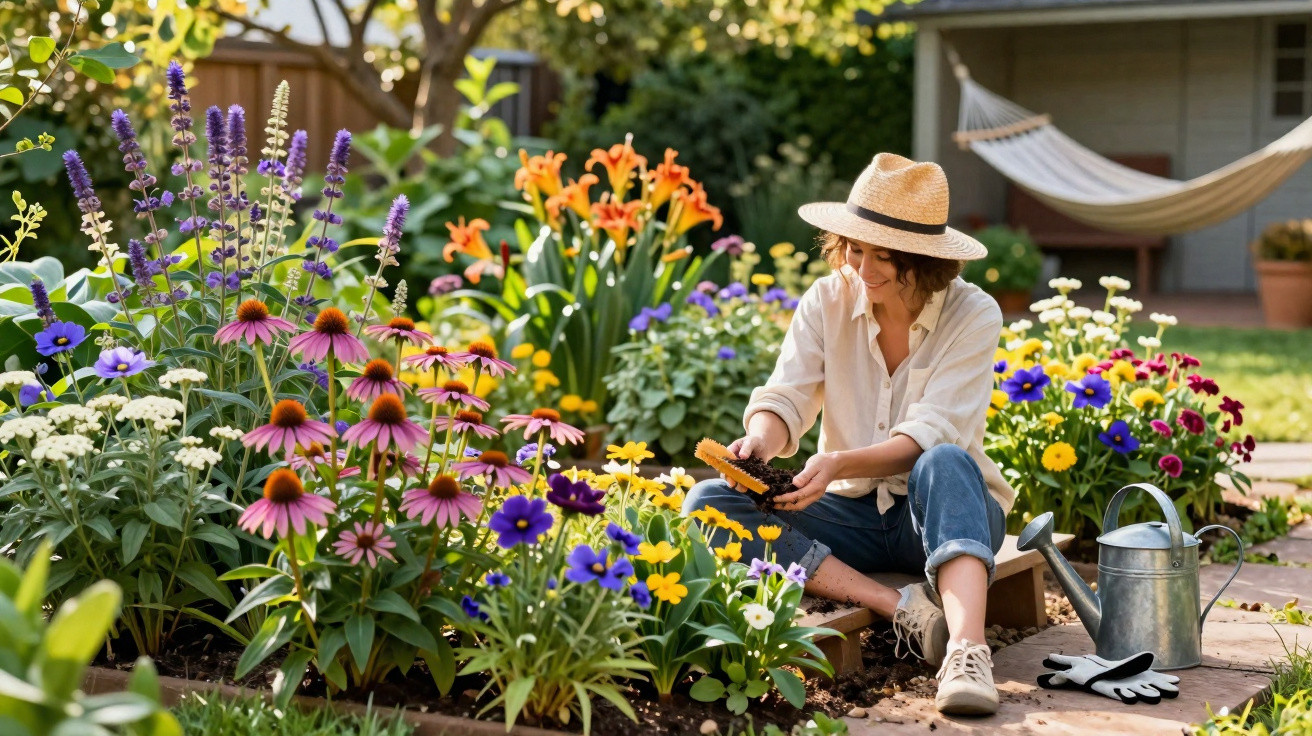
Many hobby gardeners go all-in in spring, only to shove the watering can into a corner in high summer in frustration. If you don’t fancy daily effort, there’s a much easier route: choose tough, perennial plants that return on their own, cope with unpredictable weather, and keep the garden colourful for months.
Why low-maintenance perennials are in such high demand right now
The past few years have made one thing obvious: sometimes it rains for weeks on end, and then we get relentless drought. Plenty of traditional bedding plants take offence at that - they sulk, pick up diseases, or simply die off. Hardy perennials handle these swings far better.
"Well-chosen perennials save time, money and nerves - and ideally flower for years in the same spot."
Perennial plants (often simply called perennials) survive in the ground. The visible growth can die back in winter, then in spring the plant re-emerges from its rootstock or rhizome. If you focus on robust species, you won’t need to buy replacements every spring or constantly fuss over them.
The 8 toughest perennials for lazy gardeners
1. Yarrow – the weatherproof long-flowering stalwart
Yarrow (Achillea) is a true classic for dry borders. It forms bushy clumps, grows to around 60 to 90 centimetres tall, and carries flat-topped flower heads in yellow, white, pink or red.
- very tolerant of drought
- copes with short periods of waterlogging better than many other perennials
- usually flowers from June to August, and depending on the variety even longer
- irresistibly attractive to insects and butterflies
A sunny position with relatively lean soil suits it perfectly. Too much fertiliser makes it soft and prone to flopping. If you leave the faded stems standing over autumn, they provide attractive structure in the border through winter.
2. Coneflower (Echinacea) – a colour magnet for bees and people
Coneflower brings strong colour into a perennial border. The large, daisy-like blooms with the distinctive central cone sit on sturdy stems and stand out immediately.
Handily, many Echinacea types originate from areas with big temperature swings. They cope well with heat, but they also manage cooler summers. Insects value them for their generous pollen and nectar.
If you want minimal work, choose varieties that match the site:
- full sun, ideally warm and sheltered from wind
- free-draining soil, with no permanent wet
- feed only lightly, otherwise stems can become weak
Cutting back the spent stems in late autumn is entirely sufficient. In exposed locations, a thin layer of mulch can act as winter protection.
3. Solomon’s seal – an elegant perennial for shade
Where many plants give up, Solomon’s seal thrives: in light shade and partial shade. Its arching stems with dangling flowers look almost refined. Many varieties produce white or faintly violet bell-shaped flowers in early summer, followed later by decorative berries.
In spring it shoots strongly and, over time, spreads via rhizomes. Once established, it needs very little attention:
- ideal beneath shrubs or on north-facing sides
- copes well with ordinary garden soil
- shrugs off short dry spells without trouble
The key point is to avoid repeatedly digging the soil deeply - those sensitive rhizomes don’t appreciate rough disturbance.
4. Catmint – a scented cushion that largely looks after itself
Catmint is widely regarded as one of the most undemanding perennials you can grow. Depending on the variety, it forms loose mounds or low carpets, flowering in soft blues and lilacs. The fragrance is mint-like and is appreciated by bees, bumblebees and, of course, many cats.
"Catmint is so low-maintenance you can almost forget it - until you catch the scent as you walk past."
It prefers sun and relatively dry conditions. After the first flush, a bold cut-back is worthwhile; many varieties reward this with a second wave of flowers. Beyond that, simply remove dead growth in spring.
5. Stonecrop – a succulent for the driest corners
Stonecrop (Sedum) stores water in its fleshy leaves. That makes it ideal for hot sites, rock gardens, green roofs, or full-sun containers on a balcony.
Its biggest advantage is how little care it needs. A few basics are enough:
- very free-draining, preferably sandy soil
- water sparingly, and don’t overdo it in summer
- no fertiliser, or only a tiny amount
The dense, plate-like flower heads usually bloom from late summer into autumn and provide an important food source for late-season insects. In winter, the brown seed heads look striking in frost - so don’t cut them down too early.
6. Purple coneflower varieties – tough and decorative at the same time
Alongside the classic coneflower, there are many cultivated forms with double blooms, unusual colours or compact growth. For a modern border that stays easy-care, mix several varieties in orange tones, pink or white.
For anyone who wants the lowest effort: stick to proven, winter-hardy varieties and avoid overly exotic hybrids. They may flower spectacularly, but can be more delicate. With robust selections, you’ll enjoy years of colour with minimal work.
7. Daylily – undemanding and long-lived
Daylilies are often described by gardeners as “plants for every situation”. They grow in sun and partial shade, accept a range of soils, and forgive even extended dry periods. Each flower lasts only a day, but new buds keep appearing - creating weeks of vivid colour.
They’re particularly appealing if you’re busy: daylilies don’t need staking or regular cutting back. Dividing the clumps every few years is enough to keep them vigorous. By planting several varieties with different flowering times, you can have blooms from early summer well into late summer.
8. Japanese anemone – a late-summer star with no extra demands
When many summer flowers start to look tired, Japanese anemone really gets going. Its delicate, floating flowers in pink or white bring a fresh lightness to the border in late summer and early autumn.
These plants like a position from sun to partial shade and humus-rich soil. Once established, they return reliably year after year. In very cold areas, a thin mulch layer helps in winter, especially in the first year after planting.
How to plan a low-maintenance perennial border the smart way
With a bit of forethought, a border can be both resilient and visually interesting. Three points make the start much easier:
- Assess your spots honestly: where is it genuinely sunny, and where is it mostly shady? How does the soil behave after heavy rain?
- Group plants by their needs: plant perennials with similar requirements together - for example, drought lovers in one area and shade lovers in another.
- Prepare the soil now instead of struggling later: loosen thoroughly before planting, remove weeds, and work sand into heavy soil.
| Perennial | Position | Water requirement |
|---|---|---|
| Yarrow | Sun | low |
| Coneflower | Sun | low to medium |
| Solomon’s seal | Partial shade to shade | medium |
| Catmint | Sun | low |
| Stonecrop | Sun | very low |
What lazy gardeners should genuinely pay attention to
Even more important than the varieties you choose is the establishment phase. In the first few weeks after planting, even tough perennials need regular watering until they’ve rooted in. After that, the workload drops dramatically.
Mulch - for example, shredded prunings or bark compost - helps the soil hold moisture for longer and suppresses weeds. That means less watering and far less weeding.
Everyday benefits: a garden that does the thinking for you
A border filled with hardy perennials doesn’t just mean less work. It supports the garden’s microclimate, feeds pollinators, and looks far more alive through the year than a short-lived annual bed. If you also tuck in a few spring bulbs such as crocuses or daffodils, you’ll have colour from March to October - for a very manageable level of effort.
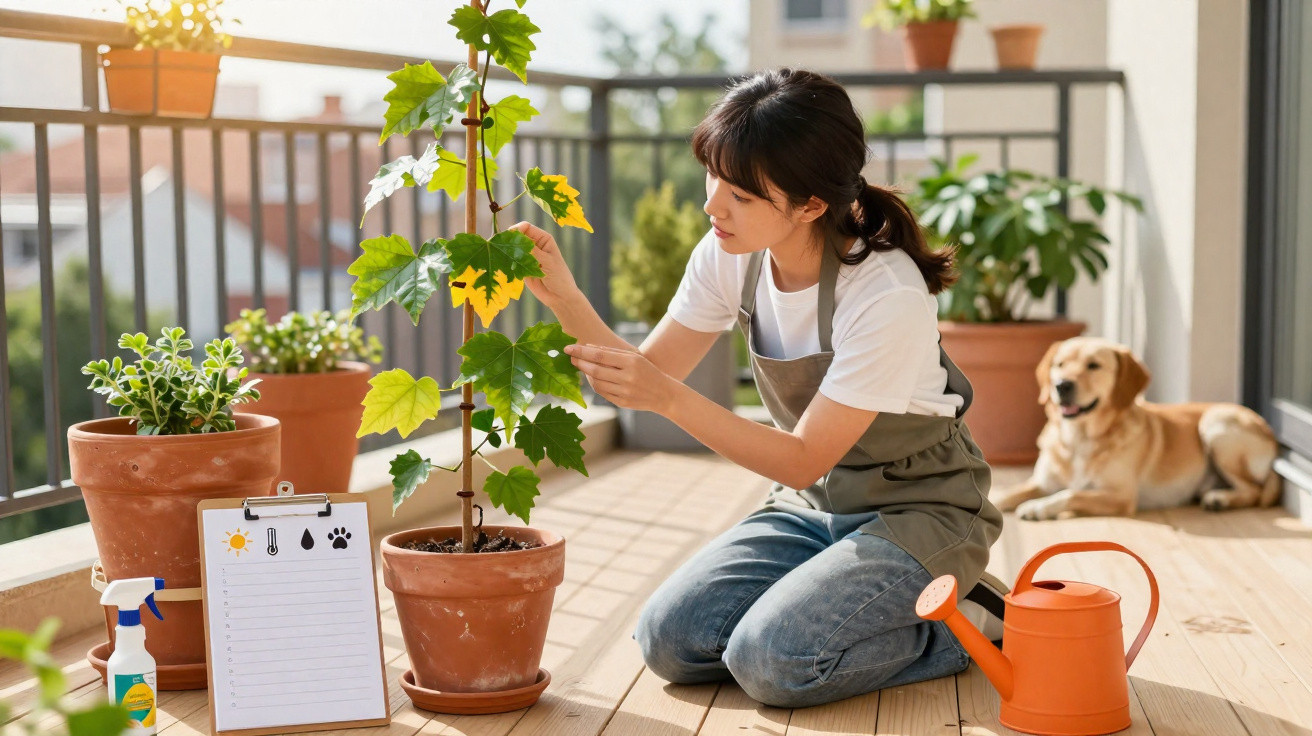
The same principle works on balconies and small patios. Many of the perennials listed will also thrive in large pots, as long as the containers have a drainage hole and the compost doesn’t stay wet all the time. With just a few well-chosen plants, you can create a green retreat that doesn’t demand hard gardening every weekend.
Comments
No comments yet. Be the first to comment!
Leave a Comment