
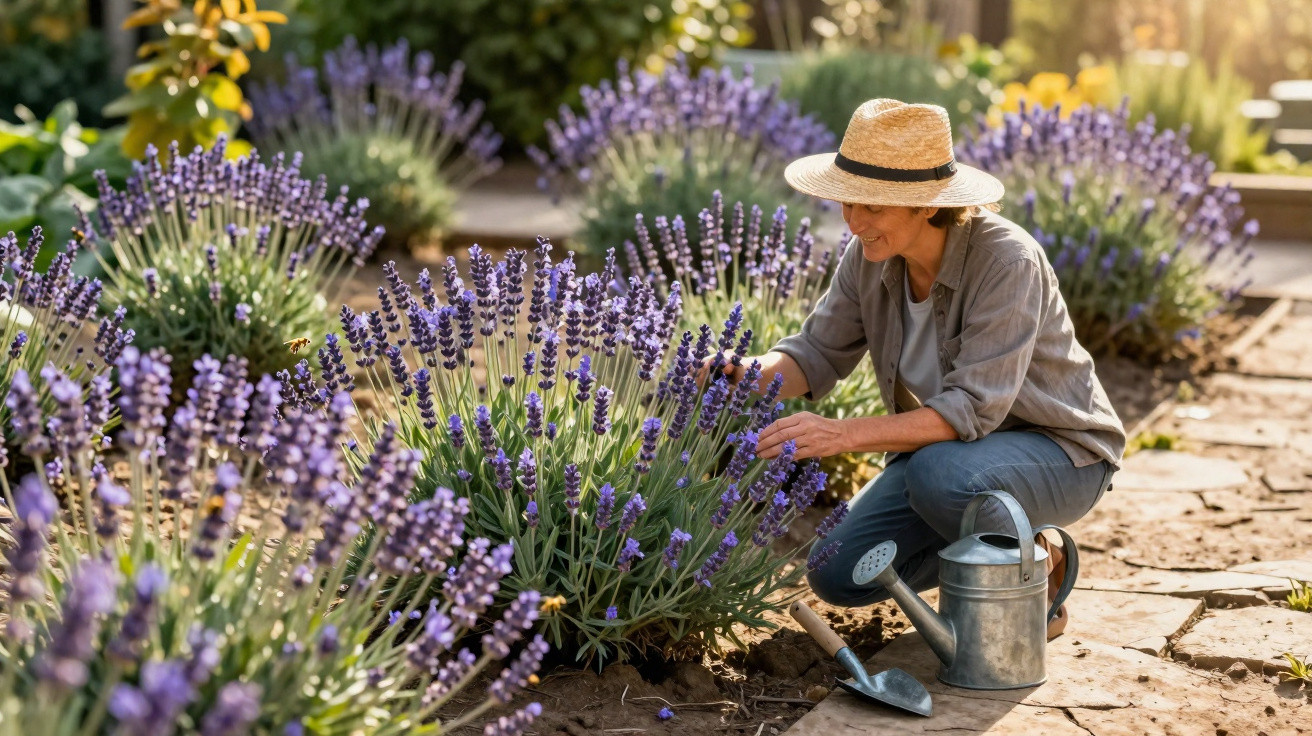
Plenty of amateur gardeners reach for lavender out of habit when they want to give a balcony or garden a Mediterranean feel. But there’s another, often overlooked perennial that delivers just as much holiday atmosphere, copes with more, flowers for longer, and attracts insects like very few others. Once you’ve planted it, you’ll wonder why you went without it for so long.
Lavender’s quiet successor: catmint for grown-up gardens
The plant in question is catmint-more precisely Nepeta × faassenii. Many people recognise the name from cat toys, yet ornamental garden varieties are still treated like a bit of an afterthought in borders and pots-completely unfairly.
Nepeta combines three qualities gardeners love: drought tolerant, winter hardy, and exceptionally attractive to pollinators.
In terms of looks, its blue-violet flower spikes can resemble lavender, but the overall effect is often lighter and more natural. Dense clouds of blooms seem to hover above grey-green, slightly downy foliage, instantly adding shape and rhythm to a border, container, or herb spiral.
A fragrance that hints at mint with gentle spice
Brush the leaves with your hand and an aromatic scent rises-minty, lightly spicy, with a touch reminiscent of Mediterranean herbs. Those aromas appear even in mild weather and sit over the garden like a subtle veil, especially on warm evenings.
Unlike some fussy scented plants, this perennial doesn’t need scorching heat to release its fragrance. If you enjoy sitting outside in the evening, you get a natural backdrop of scent almost for free.
A bee magnet in the border: why insects adore Nepeta
Catmint’s biggest advantage may be its ability to draw pollinators in as if by magic. Where other flowers are visited only occasionally, Nepeta clumps often feel like a busy roundabout from morning to evening.
If you want an insect-friendly garden, you’re almost automatically on the right track with Nepeta.
All day long you’ll typically see:
- honeybees out collecting
- a range of wild bee species
- bumblebees pushing deeper into the flowers
- daytime butterflies stopping for nectar
For garden owners, that pays off in two ways. First, you actively support biodiversity because pollen and nectar are available in abundance for months. Second, nearby fruit trees, berry bushes, or vegetable crops are more likely to be well pollinated-often improving yields.
Virtually indestructible: impressively robust from frost to heatwave
Down to –20 °C: winter barely troubles this perennial
Many plants that look Mediterranean can’t cope after a harsh winter. Nepeta is different: once properly established, it can handle temperatures down to around –20 °C without fuss. Above ground, it dies back over winter, but the rootstock stays sound and reliably sprouts again in spring.
That makes it a dependable choice for colder areas. If you’re tired of replacing half-frozen container plants each year, this tough perennial can save you real money.
A drought specialist for high summer
It isn’t just cold that it shrugs off-dry spells too. The narrow, slightly felted leaves reduce moisture loss, and once it has rooted in well, the plant manages with very little water.
The usual picture is this: while other summer bloomers droop in full sun, Nepeta bushes still look surprisingly perky. For anyone gardening in dry regions or going away on holiday without constant watering, that takes a lot of pressure off.
Catmint forgives missed watering, restrictions on water use, and forgotten holiday days better than most border plants.
A wash of colour from spring to autumn
Up to seven months of flowering with minimal effort
Another major strength is how long it blooms. In good conditions, Nepeta starts as early as April and keeps going into October. That’s around seven months of colourful flower spikes that keep renewing themselves.
There’s a simple trick for even more flowers: cut the plant back lightly around the middle of summer using secateurs or hedge shears. It will push fresh growth, then soon follows with a second strong flush of blooms that carries the garden into autumn.
Where it looks best in the garden
Nepeta is remarkably flexible. It’s particularly effective:
- as a soft, flowing edge along paths and patios
- at the front of perennial borders, where it can spill over stone edging
- in pots on sunny balconies and roof terraces
- among roses, acting like a blue carpet beneath taller blooms
- in the vegetable garden, visually framing paths
With its blue-violet tones, it pairs beautifully with white roses, yellow perennials, or plants with silvery foliage. The overall look quickly brings to mind classic postcard scenes from southern regions-without the drama of more temperamental plants.
Plant now: a simple start in a few steps
The best time to plant
The ideal time to plant catmint is in spring from the end of March, once the ground is no longer frozen and has begun to warm. That gives the perennial enough time to build a strong root system before the heat of summer arrives.
Pot-grown plants are widely available in season from almost any garden centre and many DIY stores. Young plants can look modest at first, but once planted they often take off surprisingly fast.
How to plant Nepeta correctly
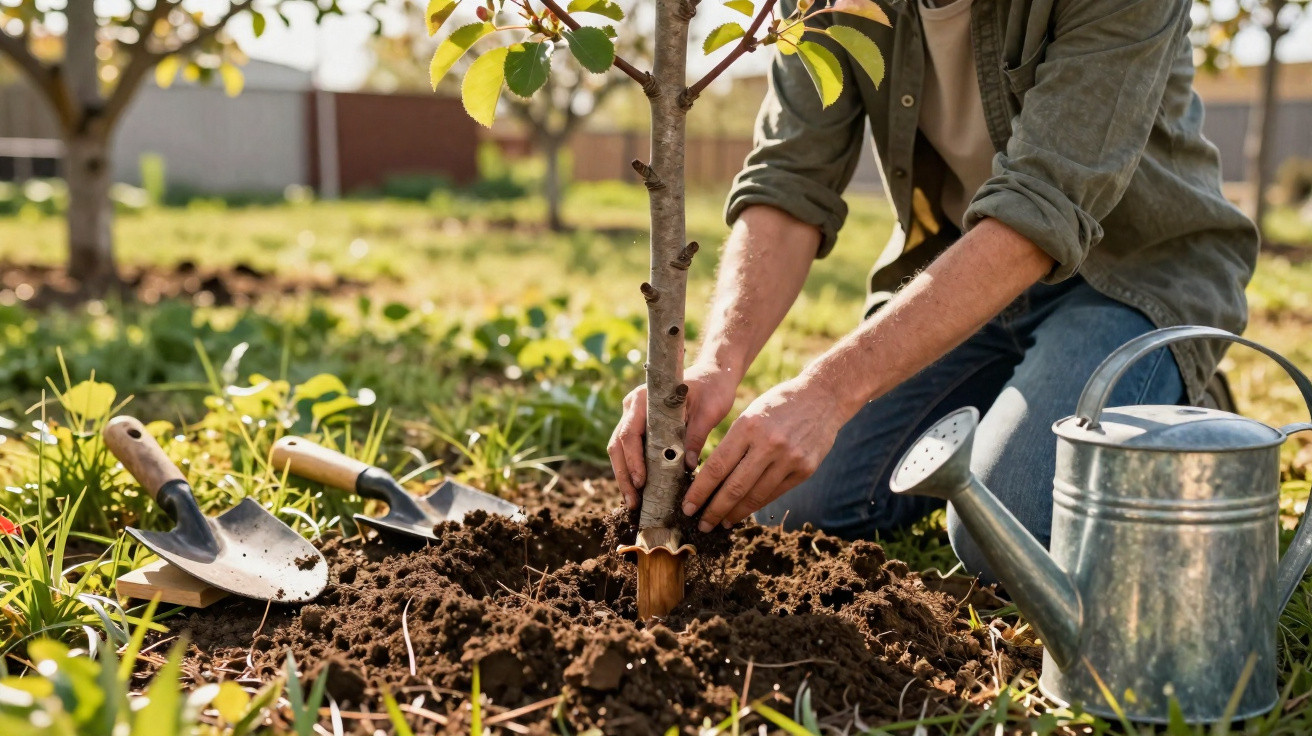
Even beginners can get this right. The essentials are plenty of light and free-draining soil. Step by step:
- Choose a spot in full sun to light partial shade.
- Loosen the soil; if it’s heavy clay, mix in sand or fine grit.
- Dig a planting hole roughly twice the size of the pot’s rootball.
- Set the plant in place, backfill with garden soil plus a little humus-rich compost, and firm gently.
- Water thoroughly so the soil settles around the rootball.
During the first few weeks after planting, don’t let the soil dry out completely. Once new shoots appear, the plant is considered established and only needs watering rarely.
More than ornamental: practical day-to-day benefits
Less weeding, less work
Nepeta forms broad, rounded mounds that cover the ground densely. A useful side effect is that weed seeds struggle to get the light they need to germinate. That can save many hours spent weeding on your knees.
If you plant several specimens with about 30 to 40 centimetres between them, they soon knit together into a closed cover that looks good and reduces maintenance.
Better for the climate, your back, and your nerves
Because this perennial thrives with very little intervention, it doesn’t just ease the watering bill-it’s kinder on your back too. Instead of constant watering rounds and fiddly winter protection, it’s usually enough to cut back the old stems once a year. The rest largely takes care of itself.
From a climate perspective, Nepeta also fits the times. It copes with heat and drought periods better than many traditional bedding and border plants, making it well suited to a gardening approach that uses fewer resources over the long term.
Who benefits most from Nepeta
This plant is especially appealing for people who:
- want a lively, insect-friendly garden
- travel a lot and can’t water every day
- live in colder areas but still like a Mediterranean feel
- want to enhance rose beds, natural-style gardens, or rock gardens
- would like to introduce children to bees, butterflies, and garden ecology
If you already grow lavender, there’s no need to remove it. In fact, combining lavender and Nepeta can look brilliant: similar colours, different growth habits, far more food for pollinators, and a long, varied flowering season.
One final tip: when buying, choose varieties clearly sold as hardy outdoor perennials, rather than relying on “play catnip” from the pet aisle. Ornamental garden selections keep their shape better, flower more generously, and turn balconies and gardens into places where people and insects alike are happy to linger.
Comments
No comments yet. Be the first to comment!
Leave a Comment