
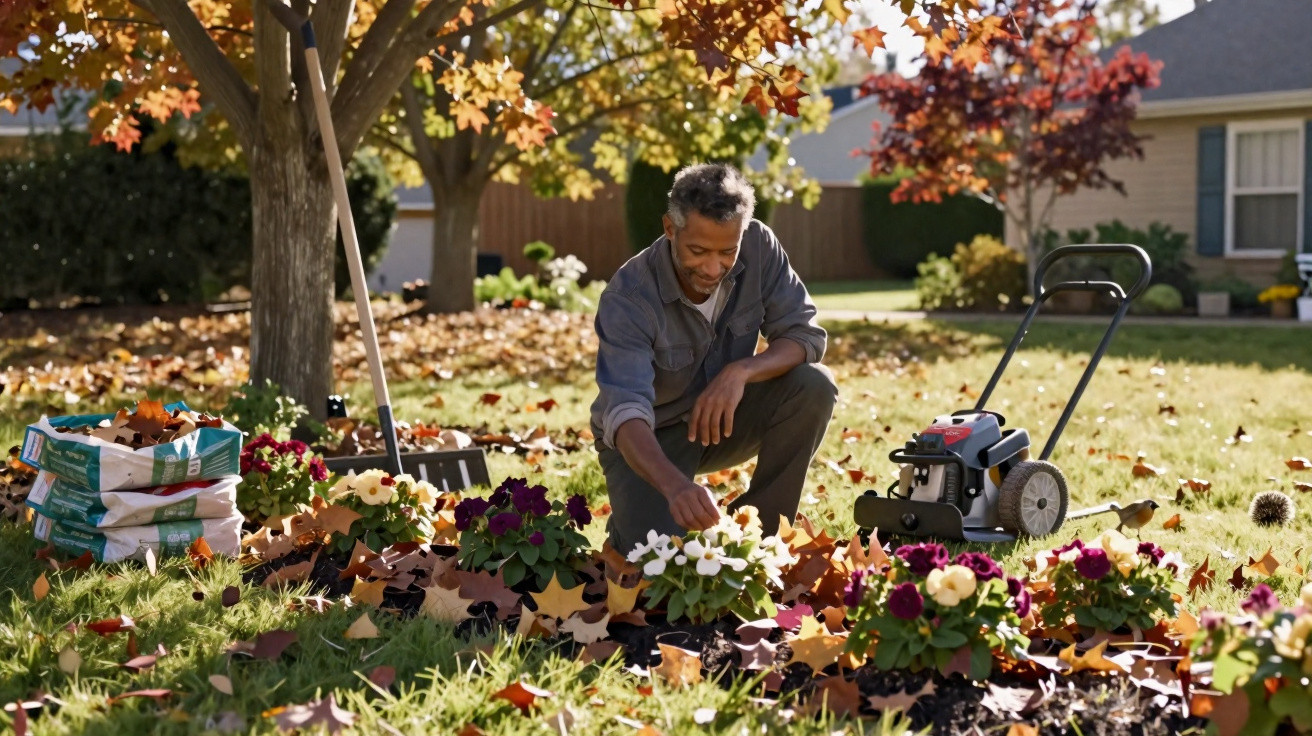
It can look so efficient, almost morally upright. “Getting the garden ready for winter,” people say, as though there’s only one correct way to do it.
Yet if you pause on a still street when the wind rises, something else becomes obvious. Leaves aren’t asking to be managed. They drift into sheltered nooks, collect beneath shrubs, and gather in corners as if they’ve already worked out the safest place to land. Autumn has been tidying itself for millions of years; we’ve only just turned up with rakes and leaf blowers.
So what if the yearly leaf purge isn’t smart at all? What if we’re clearing away the very material our gardens are quietly asking us to keep?
Why your autumn leaf clean-up is all wrong
Stroll past suburban gardens in late October and you’ll see the same routine everywhere: a blower herding every leaf into a precise heap, that heap shoved into plastic bags, then dragged to the kerb like it’s hazardous. The lawn ends up scraped bare; the borders look stripped and “done”. It also feels oddly dead.
We’re drawn to that tidy picture: no clutter, no unpredictability, just a clean sweep of green. But a garden isn’t a showroom floor. It’s a living system that relies on seasonal untidiness to stay well. When we hoover up every last leaf, we remove free protection, free food, and vital habitat that the soil and wildlife depend on.
In the grand scheme of the planet it’s a small thing. In a single garden, it can be a quiet catastrophe.
Ask municipal crews in plenty of cities how many tonnes of leaves they shift each autumn and the totals sound unreal. In some North American towns, services remove thousands of truckloads, after which the material must be processed, burned, or dumped. All that organic value, exported as if it were rubbish.
A British survey from a few years back reported that homeowners spend around 12 hours each autumn raking and bagging leaves. Not planting, not pruning, not designing the garden they actually want-just relocating dead foliage from one place to another. On a cold Saturday you can almost sense the shared resignation as another bin is hauled out to the pavement.
At the same time, gardeners who leave leaves where they’re useful often describe the opposite experience: soil that stays softer, fewer weeds, and more birds happily scratching around in the borders. That isn’t laziness; it’s copying the rules of the woodland floor.
What’s happening is simple. Leaves aren’t garden waste-they’re the remains of the “solar panels” trees used all season to capture energy. When you allow them to rot down in sensible spots, that stored value goes back into the ground as a slow, steady feed. Worms drag fragments below the surface, fungi thread through the litter, microbes get to work, and the whole underground food web gets going.
Remove every leaf and winter hits the soil directly: rain, wind, frost. Structure weakens, life in the ground cools and slows, and by spring you’re left with exhausted earth that needs extra watering and more fertiliser to recover. It’s like emptying your pantry just before a long winter.
We clear leaves because we assume they smother lawns and “make a mess”. The reality is more nuanced: everything depends on where the leaves end up.
What to do with your leaves instead
The clever autumn shift isn’t swearing off raking; it’s changing how you rake. Treat leaves as a resource you’re redistributing, not rubbish you’re eliminating. After a blustery day, walk the garden and simply observe. See where the leaves naturally gather-around tree bases, under hedges, in flower beds.
Those spots are doing you a favour. Brush or blow heavy build-ups off the main lawn, then move the bulk into rings around shrubs and perennials. On grass, leave only a light scatter-you should still be able to see green showing through-and relocate thicker mats into borders. For paths and patios, sweep into a designated corner “leaf bank” where the pile can break down undisturbed. The aim isn’t a leaf-free garden; it’s a leaf-wise one.
If you’ve ever looked closely at a woodland floor in autumn, that’s the pattern you’re borrowing.
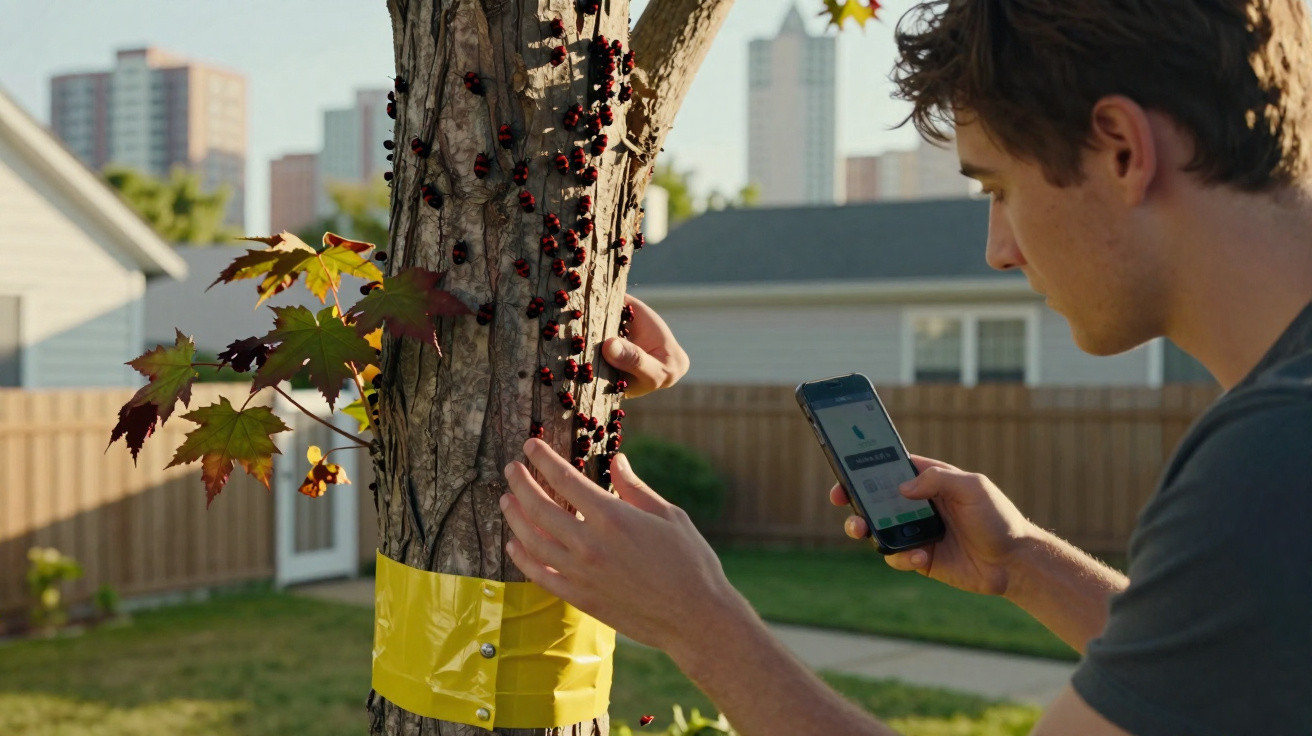
There’s a reason wildlife specialists often plead with us not to wage war on leaves. Beneath that scruffy layer is much of the garden’s winter story. Ladybirds shelter in crinkled piles. Lacewings, ground beetles, centipedes, solitary bees-many rely on undisturbed cover to make it through the cold months. When you vacuum the lot, it’s like evicting an entire block of flats in the middle of the night.
And there’s a human cost too. Autumn clean-ups can become a guilt cycle: you clear everything, a storm arrives, and the lawn is covered again. Suddenly you feel behind, disorganised, as though you’re failing at your own space. It’s draining. Gardening should be a conversation with nature, not a weekly appraisal.
Give yourself permission to stop chasing perfection. No garden inspector is coming. Birds won’t lodge complaints about “untidy” borders. They care far more about the insects tucked under those leaves than about our idea of neatness.
“When in doubt, ask what a forest would do,” says one urban ecologist I spoke to. “You never see a woodland sending its leaves out in plastic bags.”
A straightforward autumn approach might look like this:
- Leave a generous layer of leaves beneath trees, shrubs, hedges, and across flower beds.
- Pull dense, wet mats off the lawn, but allow a thin scatter to support soil life.
- Run over some leaves with the mower to shred them, then use the pieces as quick mulch on bare soil.
- Pack one simple leaf cage or bin to make free leaf mould for coming years.
- Keep driveways and drains clear, but let a little wildness remain around the edges.
Let’s be honest: nobody does this perfectly every day. You’ll likely deal with it in short bursts on cold weekends, with stiff fingers and a mug of tea that’s gone lukewarm on the step. That’s fine. Leaves don’t demand perfection-just a slightly better destination.
Rethinking what a “good” autumn garden looks like
Once you start treating leaves as an asset, your sense of what a “good” autumn garden is begins to change. A manicured, leafless lawn stops looking like the ideal and starts looking a bit… hollow. A light scatter of colour, a soft mulch under shrubs, a quiet corner where a small heap is left to rot undisturbed-these become markers of a living garden, not a neglected one.
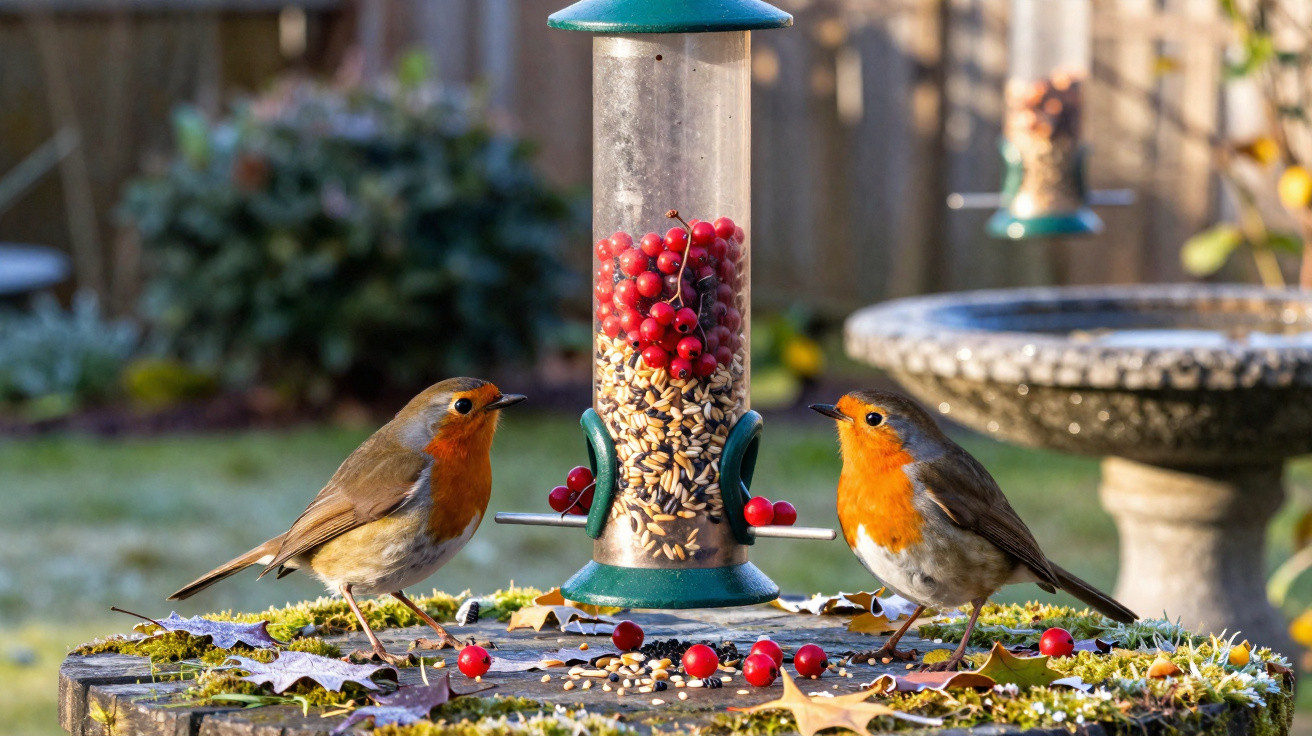
On a damp November afternoon, notice how birds behave from garden to garden. They hop over lawns that have been raked to sterility and head straight for borders where leaves and stems have been left standing. That’s where the food is. That’s where warmth and shelter are. In some deep way, a garden can feel more alive when it looks slightly unfinished. We’ve simply trained ourselves to treat “tidy” as the same thing as “successful”.
Many gardeners who switch to a leaf-friendly routine talk about emotional shifts as much as practical ones. The pressure eases. There’s less racing the calendar, less trying to force nature into submission. It starts to feel like cooperation. Instead of seeing each fallen leaf as another job on the list, you recognise it as the garden quietly doing work on your behalf.
There’s a forward-looking aspect as well. Keeping organic matter on the soil rather than exporting it helps build the sponge that holds moisture during summer heat. It creates small, buffered microclimates that support plants through late frosts and strange swings in weather. It gives pollinators and other beneficial insects somewhere to hide when the climate throws another curveball.
A modest change in how you handle autumn leaves is, in effect, a vote for resilience. It won’t repair the planet. It will make your patch tougher, kinder, and more self-sustaining. And the benefits can travel further than you expect-from a hedgehog finding refuge in your leaf pile to a neighbour rethinking their own routine after a glance over the fence.
| Key point | Detail | What it means for you |
|---|---|---|
| Leaves are a resource | They feed the soil, protect underground life, and reduce erosion | Less fertiliser to buy, a livelier and more self-sufficient garden |
| Change the action, not everything | Move leaves into borders and useful zones instead of binning them | A tidier garden where it matters, without losing the ecological benefits |
| Accept a little “mess” | A slightly wilder garden supports insects, birds, and resilience | Less pressure, more enjoyment, and a richer environment for everyone |
FAQ:
- Should I ever remove leaves from my lawn completely?
Yes, when they form a thick, wet mat that blocks light and air. Lightly rake or mow to break them up, then move most of that material into borders or under shrubs where it can act as mulch.- Are leaves bad for grass if I leave them all winter?
A thin layer is fine and can even be helpful. It’s dense layers that cause trouble, leading to bare patches and fungal issues. Think “sprinkling”, not “blanket”, for the lawn itself.- Can I use any kind of leaves for mulch?
Pretty much yes, though very tough leaves like oak or magnolia break down slowly. Shredding speeds things up. If your trees are diseased, compost those leaves separately and slowly, away from vulnerable plants.- What on earth is leaf mould, and why do gardeners love it?
Leaf mould is simply half-rotted leaves left to break down for a year or two. It turns into a dark, crumbly material that improves soil structure, water retention, and root growth. Basically, free premium compost.- Will leaving leaves make my garden look messy?
Only if they’re left randomly. If you gather them in deliberate rings around trees, neat mulched beds, or one small “wild corner”, the garden still looks cared for - just less sterile and much more alive.


Comments
No comments yet. Be the first to comment!
Leave a Comment