

The beds looked oddly bare. Only a few weeks earlier they’d been overflowing with tomato thickets and bean wigwams; now it was just exposed earth, raked flat, as if someone had scrubbed the page clean a touch too enthusiastically. My neighbour was already outside with seed packets, crouched down, mapping out what to sow next. The sunshine felt gentle, the air was damp with that end‑of‑season sweetness, and your whole body seems to insist: keep moving, don’t lose momentum.
But the soil is asking for something different.
Not another job.
A pause.
The secret season your soil is silently begging for
Most of us run the gardening year like a sprint: a burst of energy in spring, frantic harvesting through summer, then everything gets yanked out and we charge head‑first into the next plan. The beds rarely get a moment to breathe.
What’s often missing is a quiet chapter: a deliberate gap where the soil has time to reset. Not for ever-just long enough to recover.
This kind of seasonal break isn’t showy. You’re unlikely to share photos of an “empty” bed on Instagram. Yet it’s precisely in this in‑between period that the life underground-the stuff that actually feeds your plants-can rebuild.
Imagine two gardeners on the same street. One leaves their beds stripped and exposed after harvest. The other gives the soil a modest holiday: no digging, no constant replanting, simply a light blanket of leaves, perhaps a quick cover crop, and a few weeks of rest.
By next season, the contrast can feel almost embarrassing. The “holiday” beds stay damp for longer, weeds slide out far more easily, and young plants anchor quickly, as if the spot had been prepared just for them. The other beds are a different story: a crusted surface, tight soil underneath, and a growing need for more water, more fertiliser, more of everything.
We can talk for hours about compost and feed, but gardeners with those impossibly rich beds often share one low‑key habit: they schedule downtime.
So what actually changes during a pause? For a start, soil life finally gets room to do its slow, unseen work. Fungi can reconnect their networks without being chopped up by repeated digging. Microbes get on with breaking down old roots and mulch into stable organic matter. Earthworms move through the soil, aerating and blending it-without the disruption of a spade.
Overworked, uncovered soil behaves like a burnt‑out employee: less productive, more delicate, and quick to “shut down” under pressure. Soil that’s been allowed to rest becomes springier, darker, more crumbly, and better structured-able to hold both air and water.
Plants don’t actually live off the dirt itself – they live off the relationships inside it.
How to give your soil a real break (without abandoning your garden)
So what does a seasonal pause look like in everyday gardening, when you don’t have endless time or land? Keep it manageable: pick a single bed, or even one corner, that will get a rest period between crops this year.
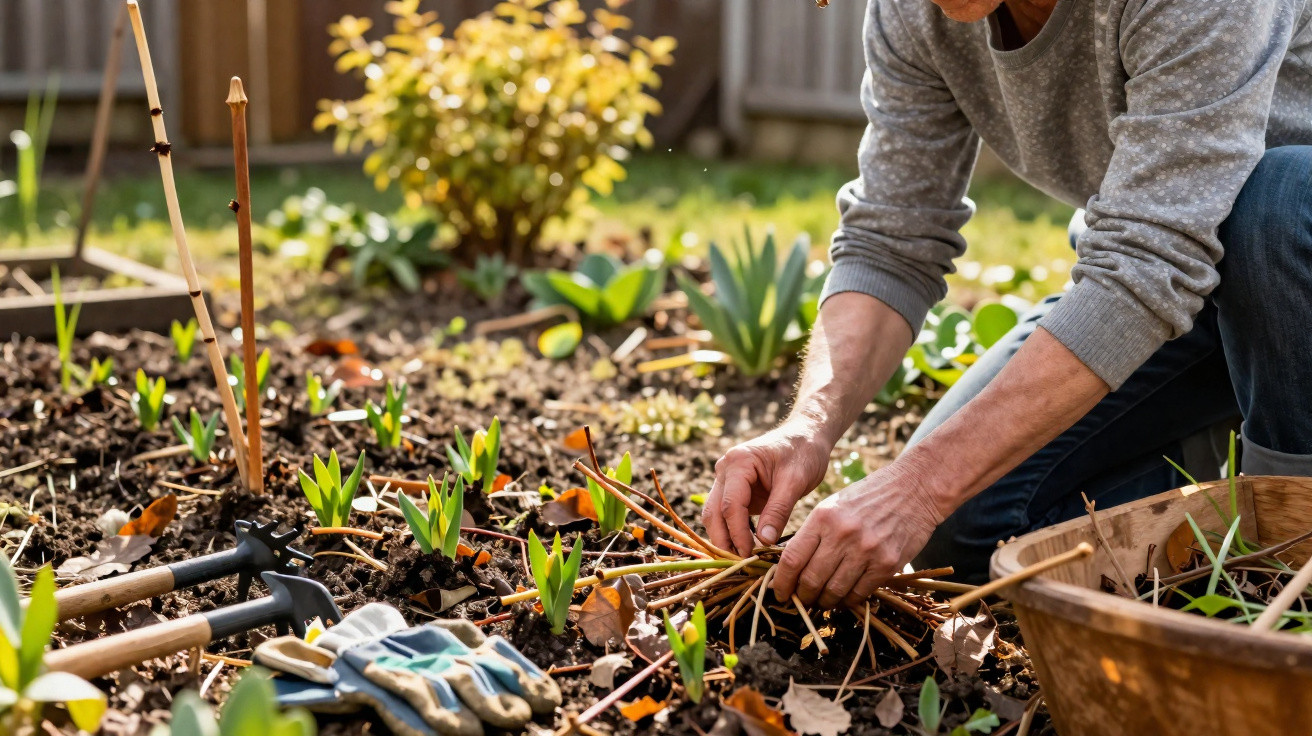
When your final harvest is done, cut plants off at ground level rather than pulling them out. Keep the roots in place so soil life has something to feed on. Then spread a thin layer of shredded leaves, straw, or half‑finished compost over the surface-and stop.
For 4–8 weeks, fight the impulse to dig, turn over, or “improve” anything. That undisturbed layer becomes a quiet laboratory where underground workers can restore what months of cultivation have gradually taken away.
This is where many gardeners stumble. A pause can feel like laziness. An empty bed can look like wasted space-especially when seed catalogues are whispering at you from the kitchen table. We’re naturally inclined to do things, and resting soil can look like doing nothing.
But the straightforward truth is this: healthy soil needs time off, just like you do. Driving it continuously encourages compaction, throws nutrients out of balance, and increases reliance on shop‑bought inputs. Often, the harder you push non‑stop cropping, the more you end up wrestling with pests, disease, and that hard‑to‑name plant “fatigue”.
We’ve all had that moment of staring at tired, struggling plants and thinking, “But I gave you everything.” Sometimes what was missing wasn’t another product at all. It was a season of relief.
One experienced market grower put it simply:
“Once I started giving each bed at least one rest window a year, my yields went up and my workload went down. The soil did the heavy lifting for me.”
During that rest window, you can still help-gently-by doing a few light‑touch things:
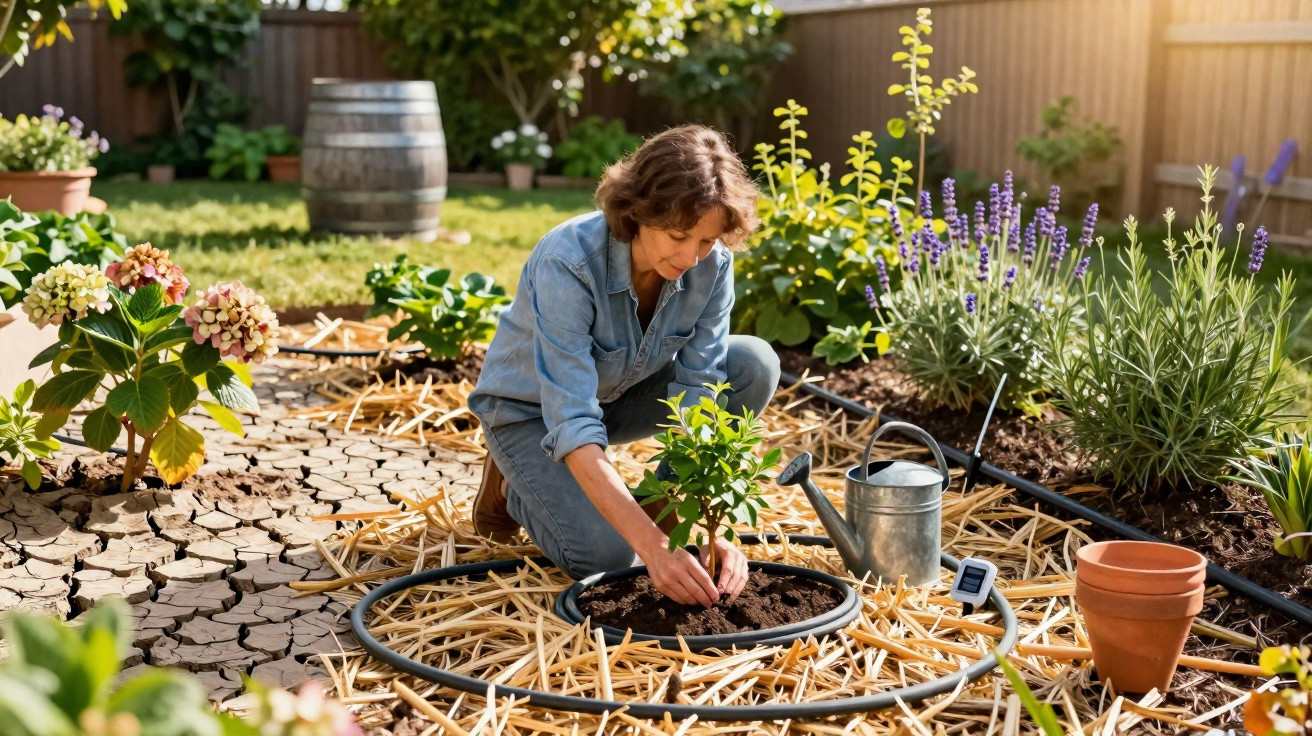
- Lay a soft cover – Leaves, straw, or grass clippings shield the surface from sun and battering rain.
- Start a light cover crop – A fast mix of clover, oats, or phacelia will provide shade, add organic matter, and return nutrients when it’s cut down.
- Let volunteers speak – Some “weeds” are really indicators of soil conditions; notice what shows up before pulling everything.
- Water occasionally in dry spells – Even at rest, soil life needs moisture to rebuild.
- Keep your hands off the shovel – Often the hardest step, and the most effective.
Letting the garden breathe changes how you garden too
Once you’ve lived through a season where a bed is intentionally “off duty”, your view of the garden often changes. That quiet patch of earth stops feeling like a missed chance and starts to resemble a long, deep inhale before the next growing rush.
You begin to spot details you previously hurried past: mulch thinning as it’s eaten from below, the soil turning darker week by week, birds and beetles moving into the calmer space. You might even find your own pace shifting, simply because that bed no longer demands constant choices.
Next year’s plants will answer the question in their own language-sturdier stems, deeper green leaves-about whether the pause paid off. Most gardeners who try it once don’t return to year‑round, no‑break planting. Instead, they begin to plan rest windows as carefully as sowing dates.
| Key point | Detail | Value for the reader |
|---|---|---|
| Seasonal pause | 4–8 weeks between crops with no digging or heavy disturbance | Reduces soil fatigue and improves long‑term fertility |
| Gentle protection | Use mulch or a light cover crop instead of leaving soil bare | Prevents erosion, feeds microbes, and limits weeds |
| Root retention | Cut plants at soil level and leave roots in the ground | Boosts soil structure and underground biodiversity |
FAQ:
- Question 1 When is the best time to give my soil a seasonal pause?
Late summer into early autumn works well in many climates, after major crops finish and before you plant winter vegetables or garlic.- Question 2 Will weeds take over if I “do nothing” for weeks?
If you cover the soil with mulch or a simple cover crop, weeds usually stay manageable. You’re not neglecting the bed-you’re shifting from constant cultivation to gentle protection.- Question 3 Can I still add compost during the rest period?
Yes. Spread compost on top before mulching, then let rainfall and soil life pull it down naturally rather than digging it in.- Question 4 Is this pause useful in very small gardens or containers?
Yes. Even leaving a single raised bed, box, or pot with old roots and a little mulch for a month can refresh the mix and improve later growth.- Question 5 Do I have to do this every year for every bed?
No. Rotate your pauses. Not every bed needs a break every season, but building in at least one rest window per bed every year or two pays off quickly.

Comments
No comments yet. Be the first to comment!
Leave a Comment