
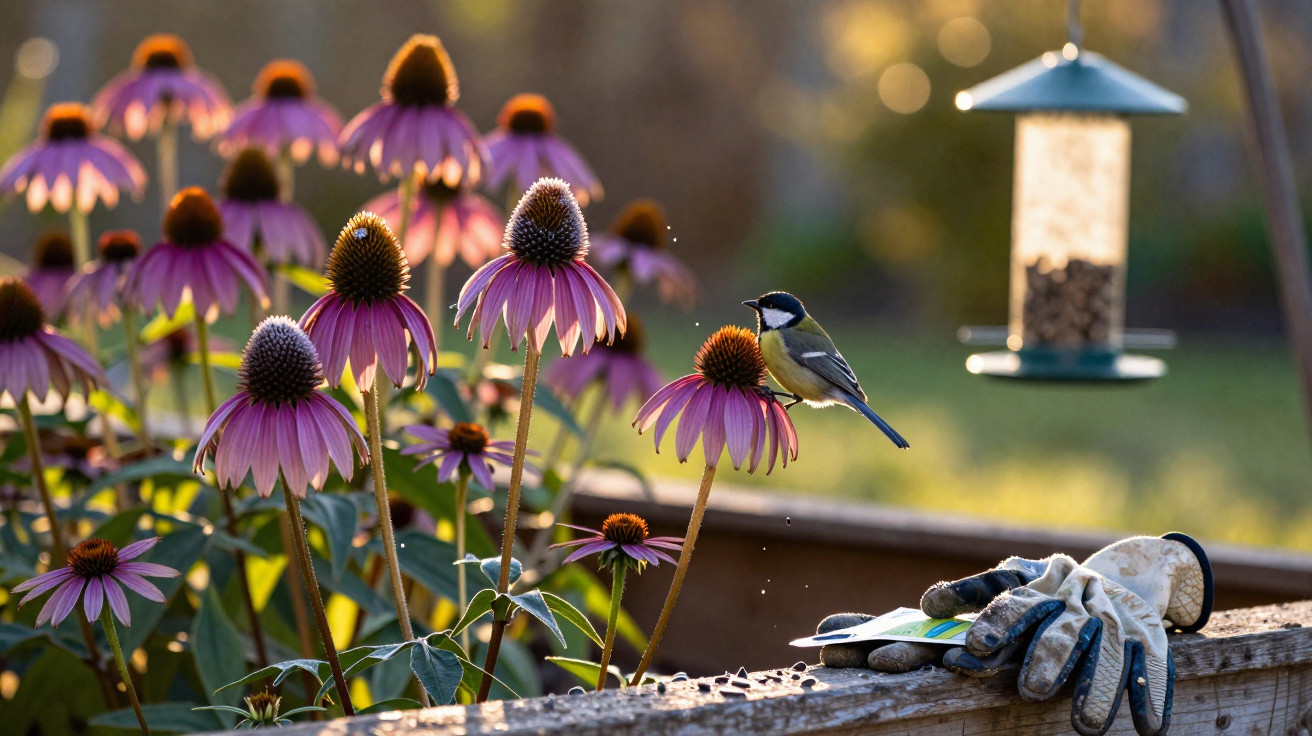
Thinking only in terms of a traditional bird feeder means missing a huge opportunity. There is one particular, almost forgotten perennial that reliably fuels birds through winter, looks spectacular in summer, and copes surprisingly well with both heat and frost. Best of all, you only need to plant it properly once.
Why a flower bed can do more than any bird feeder
Gardens often feel stripped back in winter: faded perennials are cut down, borders are “tidied”, and trees stand bare. For many birds, that creates pressure because natural food sources disappear. We then turn to feeders and shop-bought seed mixes-varying in quality and requiring ongoing attention.
"If you plan ahead in spring, you create a natural pantry for garden birds – without constant refilling."
The approach is simple: rather than only putting food out, you build a living buffet. Some perennials produce fat- and protein-rich seeds after flowering, which help tits, finches and sparrows get through cold spells. One of the strongest choices is a plant many people associate more with the chemist’s shelves than with the garden.
The quiet star plant: purple coneflower as a winter fuel station
That plant is purple coneflower, botanically Echinacea purpurea. In summer it produces large pink to purple blooms with a distinctive spiky, cone-shaped centre. It’s precisely that centre that makes the plant so valuable for birds.
Inside the flower cone, so-called achenes develop-small, dry fruits packed with oil-rich seeds. These seeds are real powerhouses: full of fats and proteins, exactly what small songbirds need to keep their body temperature steady during winter.
Purple coneflower brings several advantages at once:
- High nutritional value: oil-rich seeds, ideal in cold weather
- A natural “bird perch”: sturdy stems provide a secure landing place
- Long-lived: often stays in the same spot for well over a decade
- Hardy: tolerates frosts well below -20 degrees
- Double benefit: summer flowers for insects, winter seed heads for birds
"Every spent flower head of purple coneflower turns into a mini feeder – sought out by tits, goldfinches and greenfinches."
So instead of cutting off withered flower heads in autumn, simply leave them standing. From the perspective of many garden writers, Echinacea is close to a staple for bird-friendly gardens.
The right timing: when purple coneflower should go into the ground
The best planting window is spring, roughly from mid-March to the end of April. By then the soil has warmed a little, but usually still holds enough moisture. The plants can establish deep roots before the first hot summer arrives.
Planting much later makes young plants more likely to suffer from drought stress, meaning you’ll need to water far more often. Starting early gives them a calm run-in-and you can often expect the first seed heads by the very first winter.
Site and soil: where coneflower thrives
Purple coneflower is happiest in full sun. Aim for a spot with at least six hours of direct sunlight per day. A location you can see easily from the house-near the patio or outside the living room, for example-works well, because you can watch the winter activity from the warmth indoors.
The soil can be fertile, but it must be free-draining. Waterlogging does the plant no favours. If you have heavy clay, it’s worth improving the ground:
- loosen the soil to about 20 centimetres deep
- work in river sand plus a little grit or fine gravel
- water the young plant’s root ball before planting
Set the plant at the same depth it was in the pot, then water thoroughly. If you’re planting several, leave 40 to 50 centimetres between plants; for a denser look, up to five plants per square metre can work. Later, that creates a full border where birds can land with confidence.
Turning the border into a long-lasting buffet for tits and more
The key trick for bird-friendly perennial borders is almost embarrassingly simple: don’t cut everything down. Many gardeners “clean up” in autumn-and, in doing so, remove some of the last natural food sources.
"If you leave the spent coneflower heads standing over winter, you give birds a nutritious store at comfortable beak height."
The seeds keep well in the dry seed heads for a long time. Rain doesn’t do much harm, and because they sit up off the ground, mice and other rodents struggle to reach them. Tits can cling on and pick out the seeds at their own pace. That saves energy, because they don’t have to keep searching the soil for individual grains.
If you’re planning a larger bed, use staggered heights: lower perennials at the front, purple coneflower behind, and perhaps taller grasses further back. This creates natural cover and flight paths. Birds feel more secure when, in case of danger, they can quickly dive into a shrub or dense planting.
Bird feeder or perennial bed – which is better for birds?
Bird feeders have their place, especially in harsh winters or in densely built-up urban areas. However, they require upkeep: removing old seed, cleaning containers, and watching for mould. Where lots of birds feed in one place, illness can spread more easily-for example via droppings or contaminated food.
A perennial bed with purple coneflower, by contrast, does its job quietly. Once established, it needs very little attention, produces fresh seed each year, and keeps feeding spots “spread out” because birds forage across multiple plants. That reduces stress and lowers the risk of infection.
| Aspect | Bird feeder | Purple coneflower |
|---|---|---|
| Maintenance | clean and refill regularly | plant once, then minimal |
| Disease risk | higher when crowded | lower, birds spread out |
| Summer appearance | little visual impact | showy flowers, attracts insects |
| Naturalness | artificial feeding point | part of a living ecosystem |
Which birds are especially attracted
Purple coneflower seeds mainly appeal to smaller seed-eaters and soft-billed species. This includes, among others:
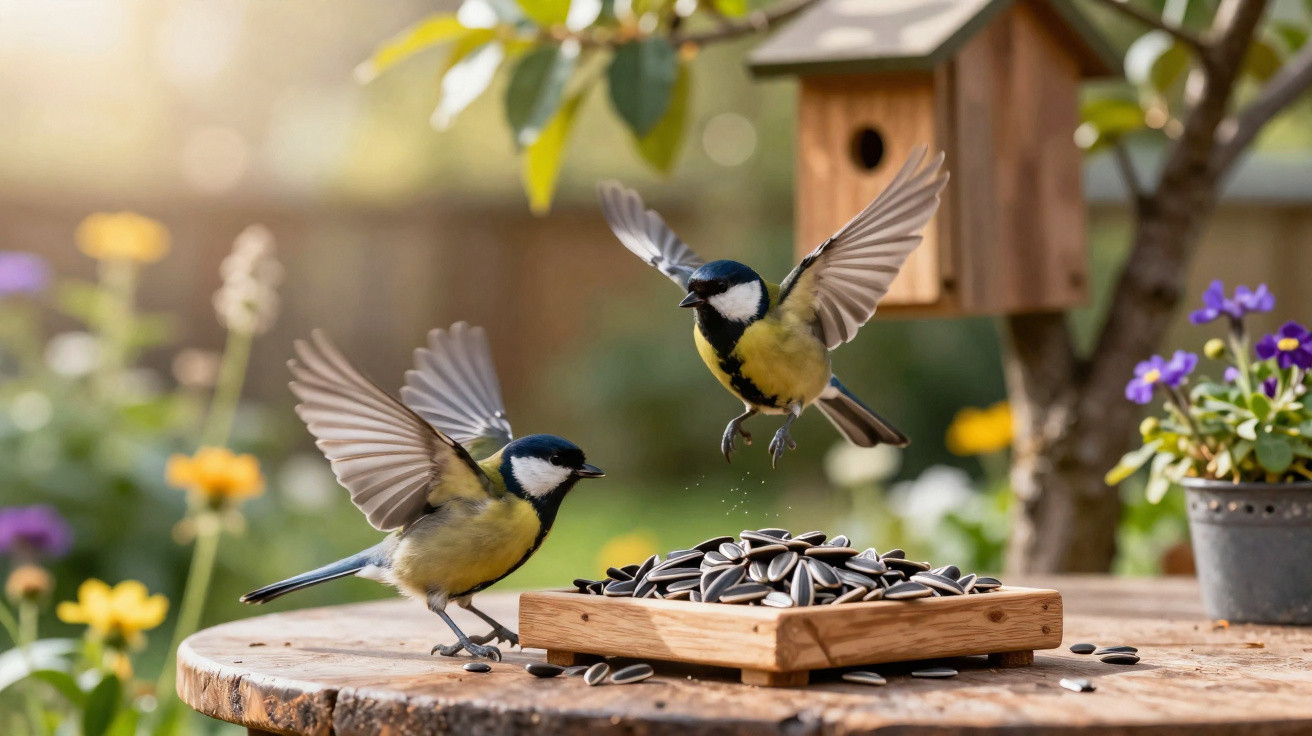
- blue tits and great tits
- coal tits and crested tits, where present
- goldfinches
- greenfinches
- house sparrows and tree sparrows
In some areas, many of these species are under pressure due to disappearing hedgerows, monotonous gardens, and dense development. One sizeable perennial border won’t replace lost habitat, but it can provide a small, meaningful boost in both food and structure.
How to combine purple coneflower smartly in the border
If you want more variety, pair Echinacea with other “bird-friendly” plants. Suitable companions include, for example:
- tall grasses such as switchgrass or fountain grass – offering both seed and cover
- perennials that set plenty of autumn seed, such as sneezeweed or tickseed
- fruiting shrubs nearby, such as dog roses (rose hips), dogwood, or privet
This creates a buffet with several courses: insects and nectar in summer, then berries and seeds through autumn and winter. Purple coneflower becomes the easy-to-spot centrepiece-both for us and for the birds.
What gardening beginners should know
Many people avoid perennials because they assume they need specialist care. With purple coneflower, very little is required:
- water during extended dry spells in the first summer
- by the second year it is usually fully tough
- you can divide clumps every few years to create new plants
If you have young children, it’s a great topic to explore together: watch the birds, examine the seed heads, count insects on the flowers in summer-the garden becomes a quiet outdoor classroom. Along the way, it also makes clear that “tidy” winter gardens with bare borders offer wildlife very little.
For anyone short on time, it’s worth considering the energy trade-off: invest a couple of hours once-prepare the soil, plant everything-and then, for years, enjoy new birds arriving each season. In a tightly scheduled life, that moment of living garden activity often feels like a small, free form of therapy.
Comments
No comments yet. Be the first to comment!
Leave a Comment