
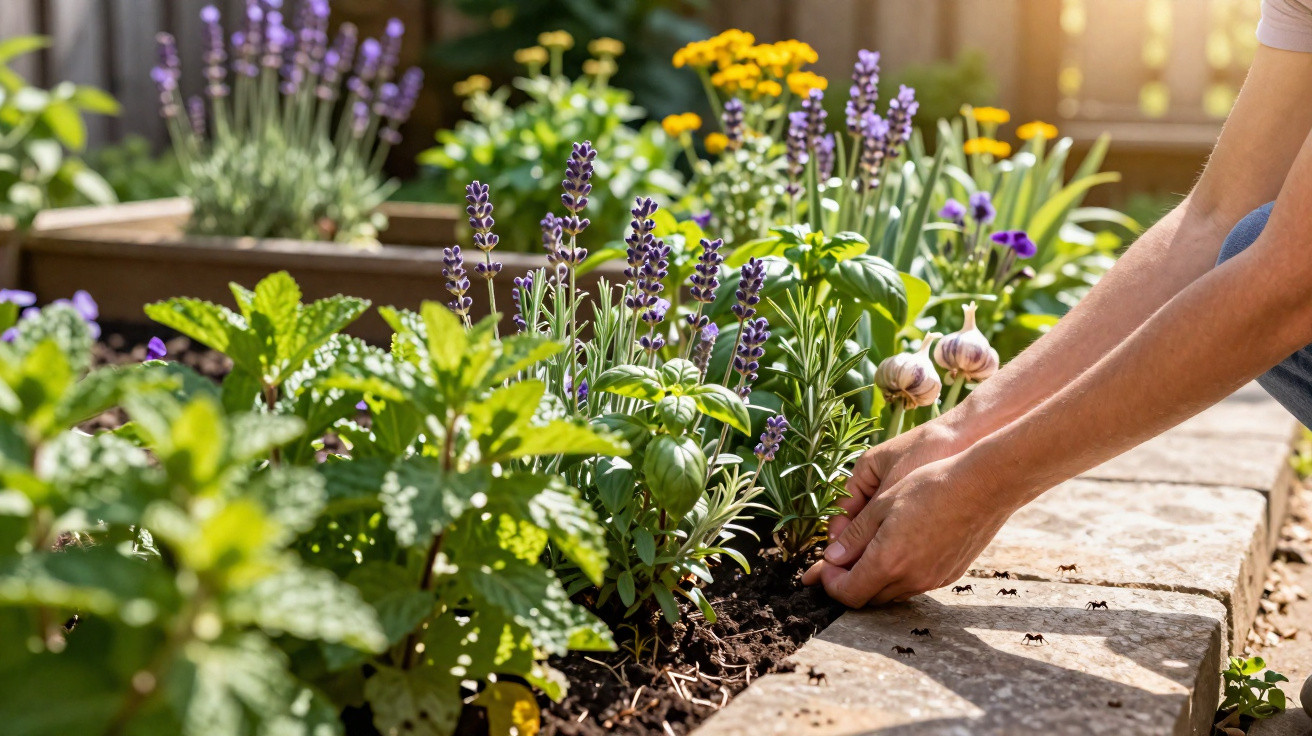
Many hobby gardeners know the pattern: a handful of ants appear, and a few days later they seem to be everywhere - in joints and cracks, in the raised bed, even right by the house. There’s no need to reach for harsh chemicals. Certain herbs and perennials create a natural scent barrier that ants tend to avoid. That way, you can protect both garden and living areas without putting extra strain on the environment.
Why ants in the garden are annoying - yet still useful
Ants aren’t simply pests. They help aerate the soil, clear away dead insects and spread plant seeds. Trouble starts when they:
- build large nests right against house walls, on the patio or in the lawn,
- “farm” aphids on roses and other ornamental plants,
- make their way into the kitchen through gaps and joints,
- lift paving stones and undermine paths.
"Ants should do their job in the ecosystem outdoors - but not in the house and not right in the middle of your favourite bed. Strongly scented plants help with exactly that."
Rather than trying to wipe them out completely, many gardeners focus on redirecting them. Using smells ants dislike, you can shift their routes away from seating areas, house walls and play spaces.
Menthol power: peppermint as a natural scent wall
Peppermint is a classic choice for discouraging ants. Its strong menthol aroma masks the scent trails ants use to mark their routes. When they can’t follow the trail, they often avoid the area for good.
- Position: sunny to partially shaded; humus-rich, fairly moist soil
- Best use: in pots by the front door, patio door or along walls
- Care: water regularly; cut back from time to time
Important: peppermint spreads vigorously. It’s best planted in containers or within a defined boundary so it doesn’t take over the whole bed.
Lavender: fragrant beauty with an anti-ant effect
Lavender is far more than a decorative edging for a garden path. Ants dislike its intense scent, while bees and bumblebees are drawn to it.
A strip of lavender along paths, driveways or the patio works particularly well. It creates a fragrant “protective belt” that also looks excellent.
"Where lavender flowers in full sun, ant trails often keep their distance - but wild bees and bumblebees will be buzzing there instead."
Lavender prefers lean, sandy soils and needs little watering. It doesn’t cope well with waterlogged ground - good news if you’d rather not be out with the watering can all the time.
Thyme: a ground cover against ant highways
Thyme isn’t only useful in the kitchen; it can also act as a “scent carpet” to deter ants. Its essential oils interfere with the insects’ orientation - and it also adds flavour to your cooking.
- Ideal for: sunny spots, rock gardens and dry-stone walls
- Advantage: stays low; works well in paving joints or as a bed edging
- Side benefit: often slows down other crawling insects too
If you plant thyme between stepping stones or along the lawn edge, you tackle two issues at once: the ants’ “motorways” and bare, dry patches of soil.
Rosemary: tough, drought-tolerant - and ants dislike the smell
Rosemary is impressively resilient. Heat, full sun and minimal watering suit it perfectly. For ants, however, its resinous fragrance is far from inviting.
It’s especially useful where you spend time outdoors in summer: near the patio, beside the barbecue area or by steps. Where people enjoy the aroma, ants often turn back.
"In combination with peppermint and thyme, you get an aromatic 'herb belt' that ants really don’t like."
Tansy and yarrow: flowering plants with deterrent strength
Tansy: yellow blooms with a strong signal
Tansy stands out immediately with its bright yellow flowers. It contains compounds that deter many insects - including ants.
- helps against various nuisance insects in the garden,
- prefers sunny, rather dry locations,
- should not be placed right next to play areas, as it is mildly toxic.
If you grow tansy, it’s best used around the edges of the garden - for instance along a fence or near the compost heap or shed.
Yarrow: delicate look, strong effect
With its fine leaves and flat flower heads, yarrow may look gentle, but it’s surprisingly potent: it attracts beneficial insects, while ants tend to avoid its scent.
It’s also very practical: yarrow copes well with drought, needs little attention and is ideal for wildlife-friendly borders or strips of meadow flowers.
Basil and garlic: kitchen favourites that slow ants down
Basil: an aromatic guard plant on the windowsill
If you want to keep ants away from the kitchen in particular, basil works well as a “green guard plant”. Its distinctive aroma can put ants off, and you also get fresh leaves for pasta, salads and pizza.
- best in pots on the windowsill or near the patio door,
- needs warmth, plenty of light and regular watering,
- should not get chilled - cold quickly causes the leaves to turn yellow.
Garlic: a pungent tool in the bed
Garlic doesn’t only add flavour to food; it also has an effect in the soil. The smell from the cloves and roots disrupts ants, and it can also help reduce fungal problems on nearby plants.
"If you push garlic into the ground around beds or close to the house wall, you create an invisible but clearly scented no-go zone for ants."
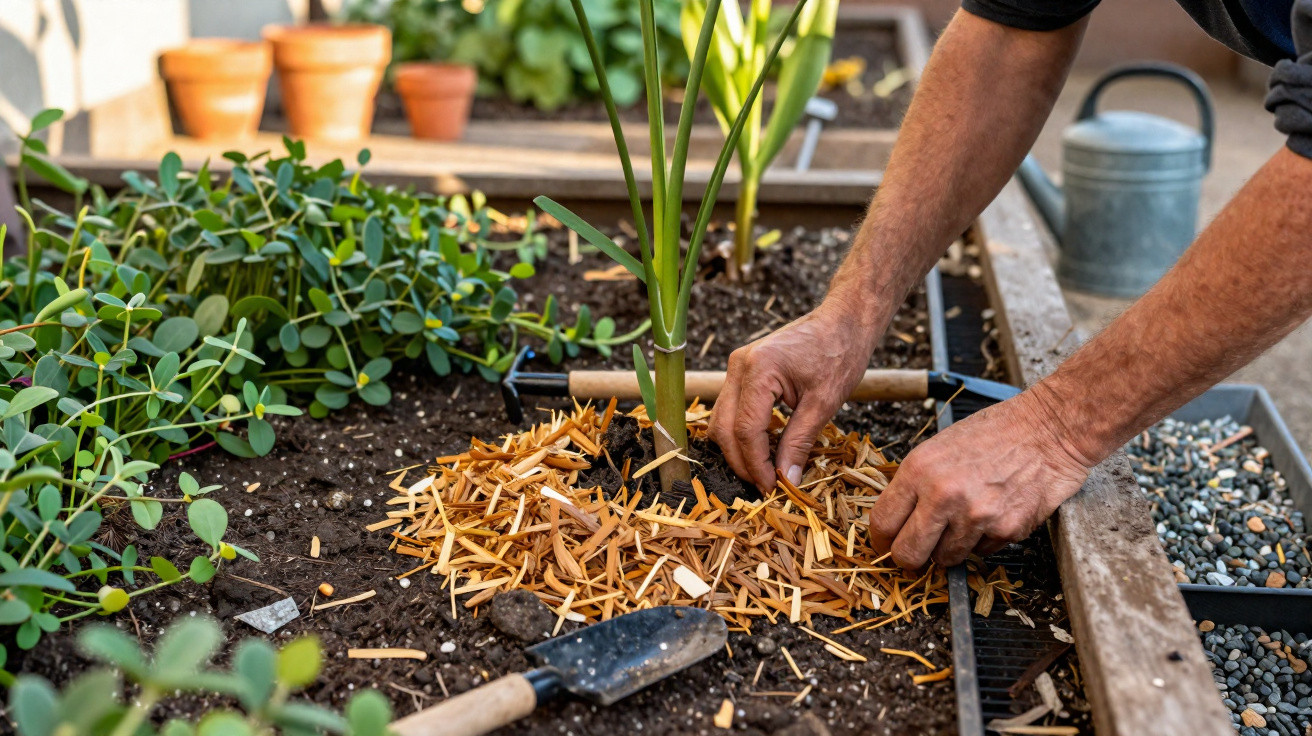
A practical example: plant garlic cloves about 15–20 cm apart in a ring around the raised bed. Many gardeners report that ant colonies then show up far less often directly in the bed.
How to use the plants as effectively as possible
With the right layout, these herbs and perennials work much more strongly. Three factors matter:
- Planning the location: place scent barriers precisely at ant hotspots - joints, thresholds by the house, patio edges and bin areas.
- Combining plants: grouping several strongly scented species (for example lavender, rosemary and thyme) can boost the effect.
- Regular cutting back: trimming encourages fresh, fragrant new growth.
If you want to go a step further, you can also make a brew or spray from the herbs. Peppermint, lavender, rosemary and thyme are particularly suitable. Pour hot water over a few sprigs, let it cool, strain, then spray it onto ant trails.
When plants alone aren’t enough - and what helps then
If an ant colony is very large, a scent barrier may not be enough on its own. In that case, it’s worth combining several measures:
- never leave food scraps, pet food or sugary drinks uncovered outdoors,
- seal cracks and gaps around windows, doors and skirting boards,
- tackle aphids on roses and other plants early so ants have less food,
- if nests are right next to the house, consider relocating them or getting an expert assessment.
Where children or pets are involved, the plants described here are particularly useful because they offer an alternative to aggressive chemicals. Some species - such as tansy - should still be used with care and kept out of reach of small children.
Getting more value from anti-ant plants
Many of these plants do more than one job in the garden: they keep ants in check, provide culinary herbs, make beds look better and attract beneficial insects. If you’re creating a new border, you can plan for that multi-purpose use from the start.
An example of an “ant-resistant” herb bed along the edge of the patio:
- Front: thyme and creeping thyme varieties as a low, fragrant carpet
- Middle row: basil and peppermint in large pots
- Back: lavender and rosemary as taller screening and scent plants
This creates an attractive, great-smelling area where ants rarely settle, while guests enjoy it all the more. With a little planning, ant activity shifts to places where it doesn’t get in the way - and the garden stays a place to relax, not somewhere you’re constantly counting creepy-crawlies.

Comments
No comments yet. Be the first to comment!
Leave a Comment