
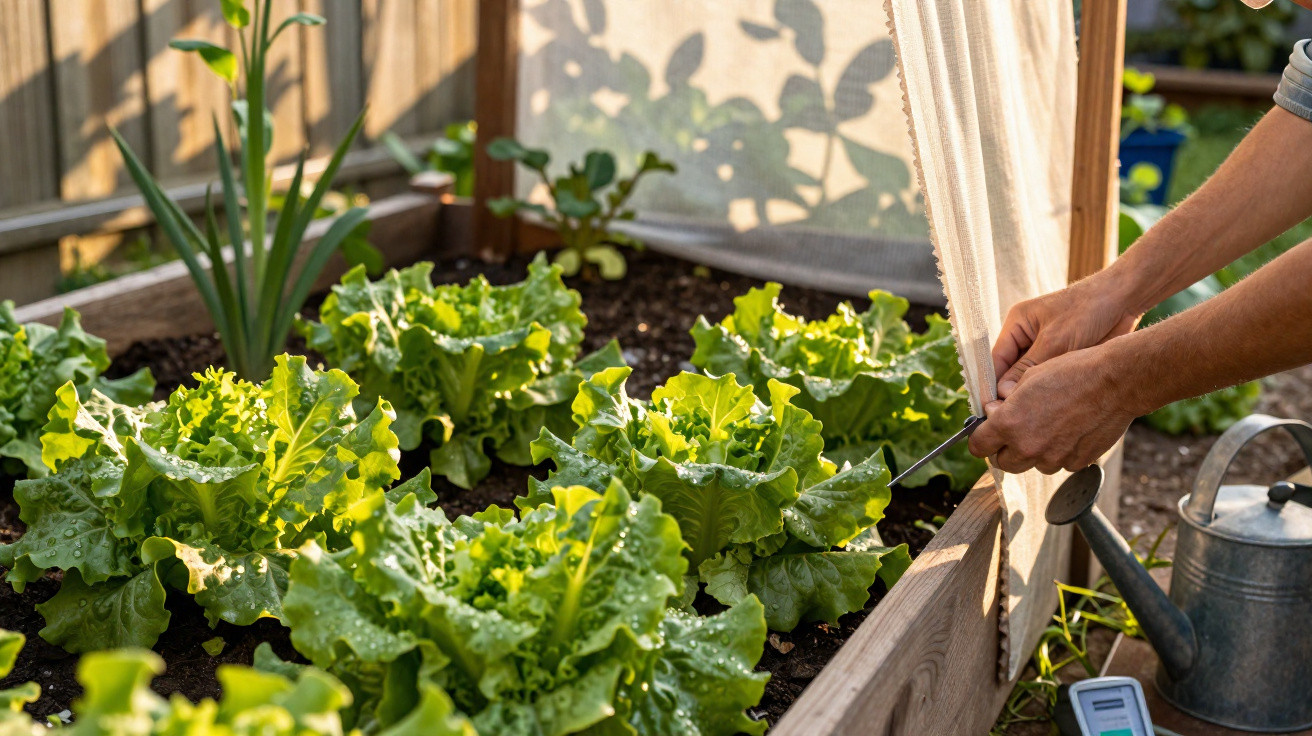
Buttercrunch is a much-loved lettuce variety with soft, buttery leaves. It thrives on light - but only when you get the dose right. Manage the sun well and you’ll harvest crisp, mild heads instead of bitter, scorched foliage. This is the difference between a bed that looks like gourmet salad and one that’s heading for the compost heap.
How much sun does Buttercrunch really need?
Buttercrunch lettuce is often described as sun-loving, but it isn’t a true full-sun crop. A simple rule of thumb applies:
"Four to six hours of direct sun per day is ideal - preferably in the morning."
That places Buttercrunch firmly among vegetables that do best in partial shade. Sun early on and shade later: this pattern supports sturdy growth, good leaf structure and a mild flavour.
The limits shift slightly with the seasons:
| Season | Daily hours of sun | Best light exposure | Temperature range |
|---|---|---|---|
| Spring (early) | 6–8 hours | Full sun is possible | About 7–18 °C |
| Late spring | 5–6 hours | Morning sun preferred | About 13–24 °C |
| Summer | 4–5 hours | Morning sun only | Above 24 °C |
| Autumn | 6–7 hours | Full sun is possible | About 10–21 °C |
So, during cooler spells, Buttercrunch can comfortably sit in the sun for much longer. As conditions move towards midsummer heat, each extra hour can quickly become a stressor.
Why light duration and light intensity matter so much
It’s not just how long the plant is in sunlight; the strength of that sun matters too. Harsh midday light combined with heat pushes this fine-leaved crop to its limit. The lettuce then tries to cool itself through evaporation - and when it can’t keep up, the leaf tips start to burn.
"Mild temperatures of roughly 7 to 21 degrees and several hours of gentle sun - especially in the morning - are ideal."
Filtered light, such as through shade netting or taller neighbouring plants, takes the edge off the midday heat. If you position Buttercrunch on the north side of tomato rows or beneath climbing cucumbers, you create a small microclimate: enough brightness for growth, plus protection during the hottest hours.
Signs of too little or too much sun
Warning signs of not enough light
When Buttercrunch is grown too dark, it tends to make that clear. Common indicators include:
- Long, thin stems - the plant visibly stretches towards the light
- A loose, less compact rosette
- Pale green to yellowish leaves
- Slow growth and small heads
- Less flavour and often a lower nutrient content
With fewer than four hours of direct sun per day, it’s not only yield that suffers; disease pressure rises as well. Stretched plants dry out more slowly, airflow is reduced, and fungal problems become far more frequent.
Stress symptoms from too much sun
The opposite problem can be just as damaging. Excessive sun exposure - particularly in summer - commonly results in:
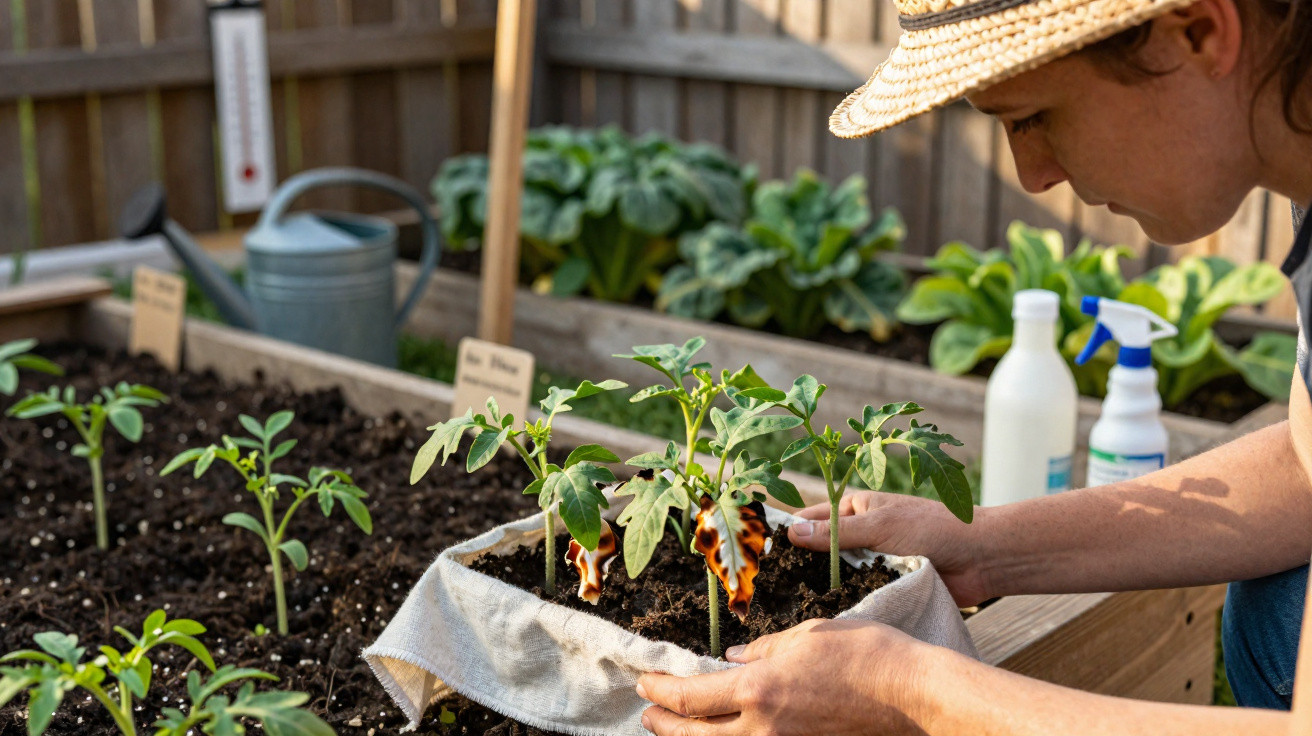
- Dry, brown leaf edges (so-called “tip burn”)
- Plants bolting quickly, with a flower stalk forming
- A bitter taste, especially in the outer leaves
- Plants that look wilted at midday even when the soil is damp
"If Buttercrunch is exposed to hot sun for extended periods and temperatures above about 27–28 degrees, the risk increases that the lettuce will bolt early and become inedible."
This bolting is a survival response: the plant switches into flowering mode to produce seed. For gardeners, that means the harvest window is effectively over.
The perfect spot in the garden
A well-chosen position prevents many issues from the outset. A few basic principles make planning easier.
East-facing beds
Beds with an easterly aspect are close to ideal for Buttercrunch. They receive gentle morning sun and are often in shade or partial shade later in the day, when temperatures peak.
In cooler regions, a south-facing position can also work well - especially in spring and autumn. In those seasons the lettuce can catch every ray without immediately scorching. For ongoing harvests, staggered sowings help: sow again every two to three weeks.
Summer trick: make use of north sides and shade-casters
At the height of summer, it pays to rethink which areas are useful. Places that are often ignored suddenly become valuable: the north side of walls, fences or perennial borders. These spots usually still offer enough light, but with less direct sun.
Taller neighbouring crops can also do the job. Planting Buttercrunch on the north side of tomatoes, runner beans or climbing cucumbers lets you take advantage of their shade. Those taller plants intercept the midday and afternoon sun without plunging the lettuce into deep shade.
Stay flexible with pots and window boxes
Buttercrunch is very well suited to balcony boxes and containers. The big advantage is mobility: you can shift pots with the weather - into sun on the terrace in the morning, then back into shade at lunchtime.
"Mobile containers are a kind of ‘light regulator’ for anyone who doesn’t have an ideal bed position or lives with extremely changeable weather."
During heatwaves in particular, moving a container to the north side of the house or under a canopy can be the difference between crisp leaves and burned ones.
How to control sunlight on purpose
If you can’t offer the perfect location, a few straightforward techniques can soften the light - or boost it when needed.
Shade netting and simple structures
Shade netting is the most reliable option. For lettuce, around 30 to 50% shade is usually enough. Hang the net over a simple frame made from PVC pipe, wooden battens or bamboo canes - like a low roof above the bed.
This keeps the area bright while breaking direct radiation. In prolonged hot spells, the net protects the leaves and helps the soil stay cooler too.
Companion plants and living shade
If you’d rather use plants than structures, taller crops can act as natural parasols. Good partners include:
- Bush beans and runner beans
- Peas on a support frame
- Sweetcorn in loose rows
- Climbing cucumbers or squashes on trellises
Planning is key: the taller crops must be sown early enough to cast shade by the time the hottest period arrives. Buttercrunch can then sit in the gaps between them, or slightly to the north.
Ground cover and reflected light
Another lever that’s often overlooked is the soil surface. Light-coloured mulches - such as straw-rich hay or specialist reflective films - bounce diffuse light back upwards without frying the lettuce. At the same time, the soil stays cooler and dries out more slowly.
Living ground covers, such as low-growing clover varieties, can lower temperatures around the roots and stabilise the microclimate. It’s worth considering the overall effect in the bed: which species support beneficial insects, and which are more likely to attract pests?
Better flavour through smart light management
Sun exposure has a direct impact on both flavour and texture. When Buttercrunch is given the right light, it develops:
- tender, slightly buttery inner leaves
- crisp outer leaves with a delicate bite
- a mild, lightly sweet flavour without bitter notes
"Consistent, moderate light conditions produce noticeably more even heads than extreme swings between full sun and permanent shade."
Timing your harvest is part of this light-and-heat equation too. Buttercrunch is best cut early in the morning, when plants have recovered overnight from the previous day’s sun. At that time the leaves are at their juiciest and keep fresh in the fridge for much longer.
Anyone who walks the bed regularly and watches for small changes - the first brown tips, suddenly elongated leaves, unexpected paleness - can respond quickly: add shade, move containers, and avoid sites that overheat. That keeps plant stress low long before the lettuce turns bitter or bolts.
Practical examples for typical garden situations
A few everyday scenarios show how to put the theory into practice:
- Small city balcony with a south-facing aspect: Grow Buttercrunch in boxes that sit on the railing in the morning, then move them 1–2 metres back from midday onwards. During heatwaves, hang a pale cloth or net over the railing.
- Typical terraced-house garden: Use a narrow bed along an east-facing fence with tomatoes and climbing cucumbers. Place Buttercrunch between the rows, offset slightly to the north.
- Large country plot: Sow in full sun in spring, then in summer switch to areas behind shrubs or to the north side of a tool shed.
Understanding how Buttercrunch responds to light lets you extend the season with small adjustments like these. Even in hot summers, several rounds of harvesting can still be possible - each time with crisp, mild leaves rather than a bitter emergency crop.

Comments
No comments yet. Be the first to comment!
Leave a Comment