
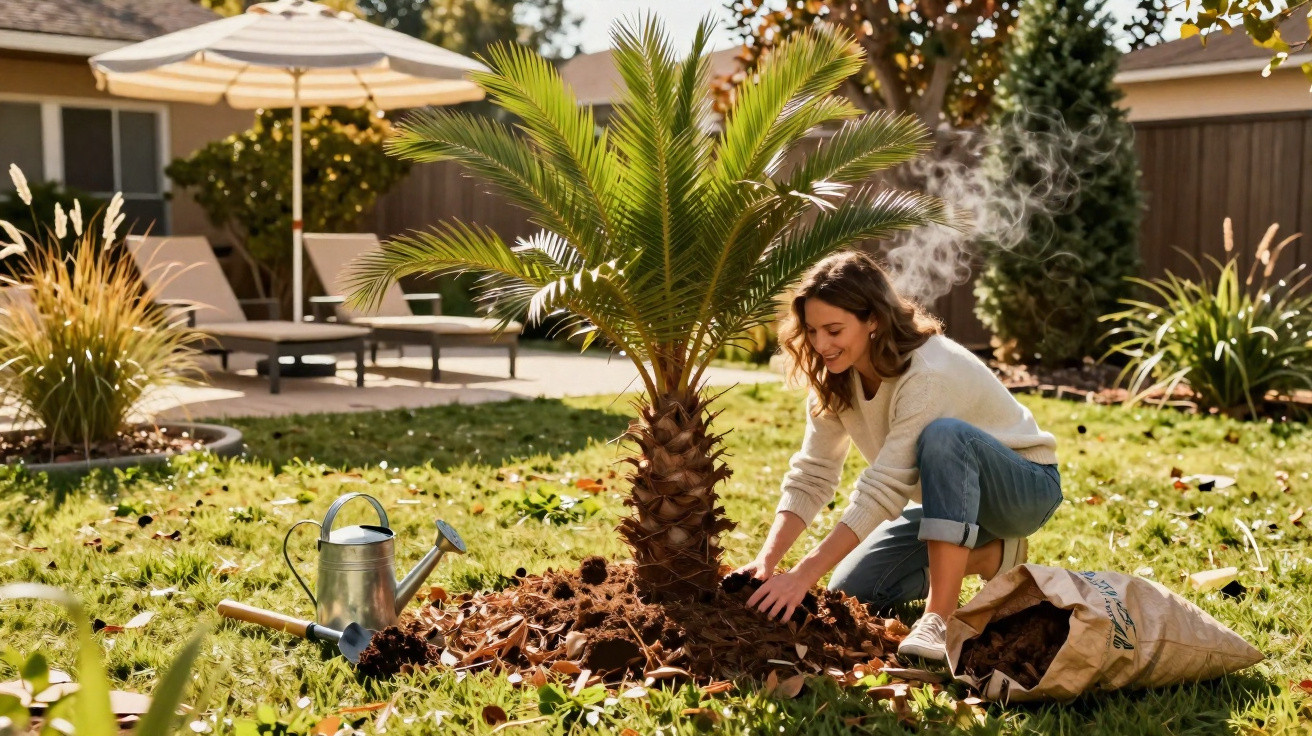
While plenty of people are already thinking about autumn leaves, there’s a simple trick that can make an ordinary garden suddenly feel like a small holiday resort.
If you pick up the spade once more in late summer, you can give your plot a completely different personality. Often, a single tree is enough to change how lawns, borders and patios are perceived-especially when it looks exotic but still copes with a British winter.
A touch of holiday on your doorstep
Why the winter-hardy palm tree Trachycarpus fortunei is so sought-after right now
The Chinese windmill palm, Trachycarpus fortunei, has become a go-to choice for anyone wanting a Mediterranean vibe without replanting every year. Its fan-shaped crown brings to mind promenades and hotel pools, yet the trunk is tougher than it looks.
"Trachycarpus fortunei can survive in Central Europe-depending on the site-down to about -18 °C, a figure many palms can only dream of."
That makes it suitable not only for sheltered courtyards, but also for typical residential areas where winter night frosts are simply part of life. If you’re tired of a flat, featureless lawn, it works brilliantly as a living focal point-on a lawn ‘island’, beside the patio, or as a specimen at the end of a path.
Instant impact instead of a waiting game
Unlike many trees, this palm provides structure straight away. The trunk adds height, the crown creates a crisp outline against the sky, and the fan shadows fall across grass or paving. In gardens that have mainly been lawn and hedge until now, the change can feel almost dramatic.
Because the foliage is evergreen, that visual effect lasts all year. While many plants look bare in winter, the palm’s head still stands there like a green sculpture in the garden.
Frost-hardy, undemanding, versatile
What makes this palm tree so resilient
Trachycarpus fortunei comes from areas where mountain conditions can be genuinely cold. That background shows in how well it performs here. Temperatures well below freezing rarely push it to its limits outdoors-particularly if it has at least some shelter from wind.
It also needs less water than its tropical appearance suggests. After it has established, rainfall is usually enough in an average summer; only prolonged dry spells call for extra watering. It stays healthy on free-draining, relatively nutrient-poor soils as well.
"If you want low-maintenance, long-lasting garden structure, this palm is one of the most straightforward exotics you can grow."
Growth is moderate: steady rather than rapid. That means it remains manageable even in smaller gardens, without constant restricting or pruning.
How the right location determines both impact and health
The best spot is in full sun or bright partial shade, protected from cold easterly or northerly winds. Exposed corners can cause the leaves to tear more quickly, which spoils the overall look.
- South-facing by the patio: maximum holiday atmosphere, plus a good heat buffer
- At the end of a garden axis: strong sense of depth, clear line of sight
- In front of a wall or hedge: sheltered microclimate, calm backdrop
- In the front garden: striking welcome for visitors, high recognition factor
Planting two or three specimens in a loose triangle almost automatically creates a small "garden square"-ideal for placing a bench or a lounge-style seating area.
How to plant successfully in late summer
The best time-and why the clock is ticking
For planting into the ground, the window from late August to around mid-October is ideal. The soil is still warm, nights are cooler, and-best case-September brings some rainfall again. That combination encourages root growth without the plant struggling in heat.
Planting very late in autumn increases the risk that the root ball won’t properly settle in before winter. In the first year, that can lead to frost damage. Starting a few weeks earlier gives the tree time to adjust.
Step by step to the right planting hole
The hole should be noticeably larger than the pot the palm comes in. A useful guide is roughly 60 centimetres in both width and depth. Above all, you need a loose, free-draining base.
- Loosen the soil in the planting area thoroughly and remove stones.
- If the soil is heavy, mix in coarse sand or grit.
- Work in a little mature compost, but avoid overfeeding.
- Lightly tease the root ball without damaging thick roots.
- Set the plant so the top of the root ball sits just level with the surrounding soil.
- Backfill, firm gently, then water in thoroughly.
A shallow watering basin around the trunk helps direct water to the roots in the first year. After that, apply a 5–10 centimetre layer of mulch to hold moisture and reduce temperature swings.
Easy care through every season
Watering, mulching and winter protection the right way
In the first months after planting, consistent watering during dry spells matters most. The soil around the roots should stay evenly, lightly moist-but never waterlogged. Standing water can quickly cause rot.
Organic mulch made from bark pieces or leaf mould protects the roots from frost and also helps the soil retain moisture longer in summer. Every one to two years, you can top up the mulch and work in a little compost at the same time.
In very cold winters or higher, more exposed locations, it can be sensible to wrap the crown in a light fleece and add extra protection around the lower trunk with hessian or reed mats. However, many gardeners skip this if the palm is well established and the site is sheltered.
Pruning leaves and preventing problems
The palm generally copes well with extremes of weather and common garden issues. Pest problems are unusual in most gardens. Keeping the base airy and removing dead foliage regularly supports a healthy microclimate around the trunk.
Cut fully brown, dried fronds close to the trunk. Slightly browned tips can be left alone-they’re often just cosmetic, caused by wind or traces of frost. Important: don’t damage the growing point at the top of the crown, as that’s where new growth emerges.
How the palm tree reshapes your garden
Combinations that work particularly well
The exotic look of the fan crown pairs surprisingly well with familiar Central European planting. The most interesting results come from contrasts in form and texture:
- Fine ornamental grasses such as fountain grass add movement.
- Lavender, thyme and rosemary boost the holiday feel through scent.
- Rose varieties with simple blooms provide elegant colour accents.
- Agaves and low sedum types suit a drought-tolerant border.
If you prefer a calm, pared-back style, combine the palm with gravel areas, a few large stepping stones, and occasional strongly shaped shrubs such as globe maple or clipped box balls.
Using light, shade and small gardens intelligently
With well-placed lighting, the evening effect becomes much stronger. A ground spotlight aimed up into the crown throws striking shadows onto a wall or house façade. Warm light looks noticeably more pleasant than cool light.
"Even a tiny garden or a roof terrace can suddenly feel like a small, private hotel lounge with just one palm."
Trachycarpus fortunei also works in a container, provided the pot is large enough and excess water can drain away. Container plants are more vulnerable to frost because the roots are less insulated. In hard frosts, it’s best to move the pot up against a house wall and wrap it with bubble wrap or coir mats.
What garden owners should know before buying
Over many years, the tree can reach a substantial height; in a domestic garden, 3–5 metres is not unusual. That should influence placement-too close to the house and it may later block gutters or windows.
At the same time, that eventual height can be an advantage. A mature specimen offers natural privacy, slightly filters road noise, and acts like a green room divider. With early planning, a single palm tree can take on several roles in the garden-from providing shade and serving as a focal point to becoming a living "wall" against prying eyes.


Comments
No comments yet. Be the first to comment!
Leave a Comment