
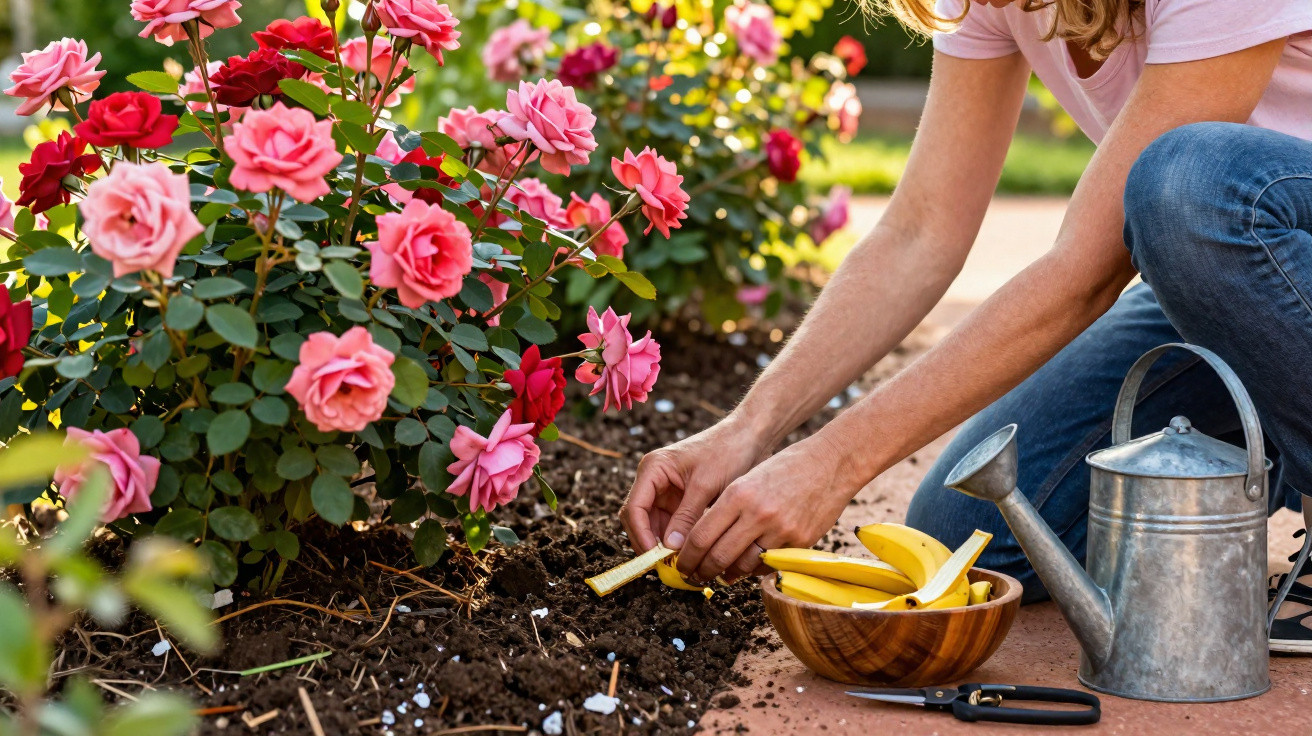
If you walk past your roses in spring and spot only the odd bud, it’s easy to assume you need an expensive specialist feed. Yet a genuinely useful helper is often already sitting in the food waste: banana peels. Paired with a proper prune, they can help bedding roses, shrub roses and hybrid tea roses flower for noticeably longer-and far more generously.
Why roses need help right now
As soon as the first mild weeks of spring arrive, roses come out of their winter rest. They start pushing fresh growth, setting the first bud stems, and that takes a huge amount of energy.
At the same time, after a cold, wet winter the soil is often waterlogged but not necessarily rich in nutrients. This is the point in the year that determines whether a rose produces a handful of thin blooms-or keeps flowering for months.
"If you prune your roses in early spring and feed the soil with organic material in a targeted way, you set the foundation for a long flowering season."
The first step: pruning roses and preparing the soil
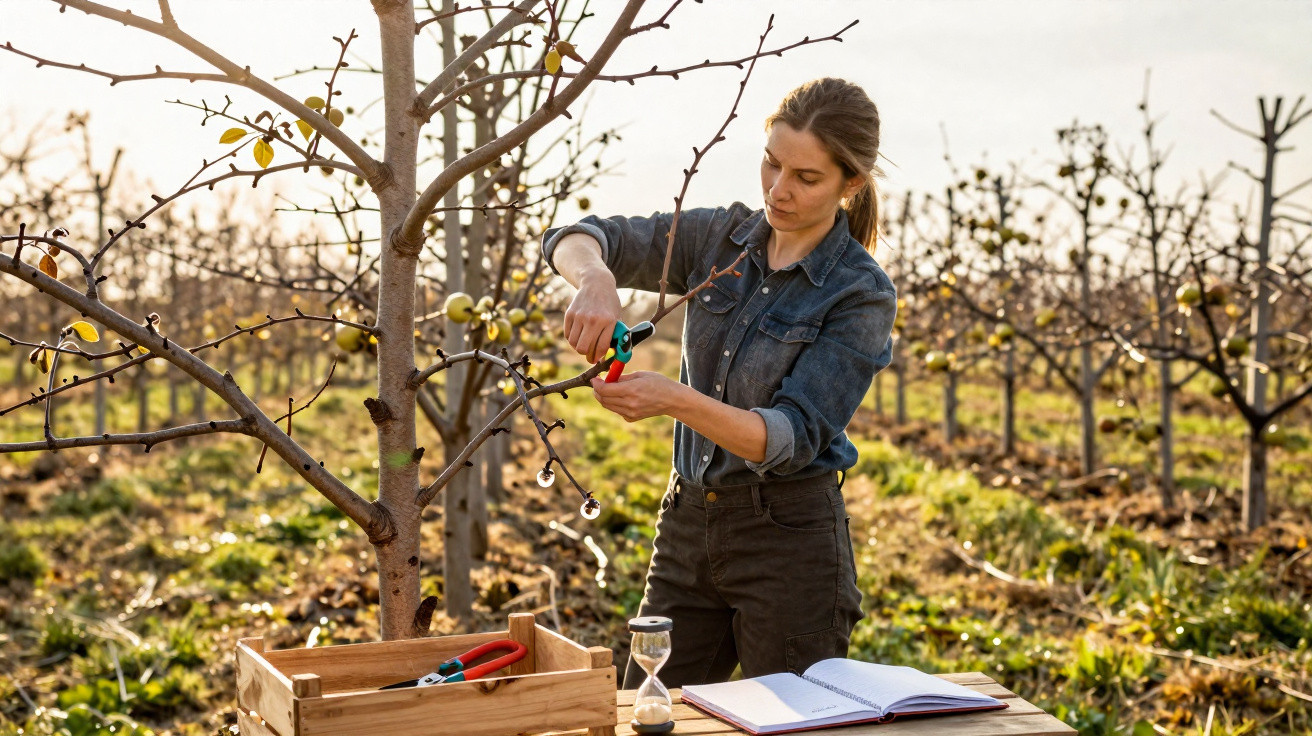
Before any kitchen scraps come into play, the plants themselves need shaping. Garden experts often recommend a clear, fairly bold approach to spring pruning.
How to prune roses back correctly
- Cut out all dead wood without compromise.
- Remove damaged or diseased shoots back to healthy wood.
- Take out stems growing inwards so light and air can reach the centre.
- Thin crossing branches to prevent rubbing wounds.
Afterwards, the shrub can look surprisingly “bare”, but it typically responds with strong new growth. This also lowers the risk of fungal problems such as powdery mildew or black spot, because the foliage dries more quickly.
Loosen the soil and feed organically
Once pruning is done, check the soil around the base. Compacted ground absorbs water and nutrients far less effectively. Use a small rake or hand cultivator to loosen the surface to a depth of a few centimetres.
Then you can work in traditional compost or a purely organic rose feed. If you don’t have compost to hand, there’s no need to panic-this is where banana peels come in.
Banana peels: an underestimated power feed for roses
Banana peels almost automatically end up in the food waste. For roses, though, they’re a small treasure-because of what they contain.
"Banana peels provide plenty of potassium, plus calcium and magnesium-exactly the minerals roses need for sturdy shoots, strong buds and resilient leaves."
Potassium helps with, among other things: - forming and ripening buds, - keeping shoots stable, - regulating water within the plant, - improving resistance to disease and stress.
Calcium supports stronger cell walls, while magnesium is essential for healthy green leaves. Together, these nutrients can make roses less prone to leaf diseases and enable them to put more energy into producing flowers.
How to use banana peels properly in the rose garden
What matters is not only that banana peels go into the soil, but how. Tossing whole peels onto the bed isn’t enough: intact skins break down very slowly and can attract unwanted insects.
Step-by-step guide
- Cut banana peels into small pieces-the smaller they are, the faster they decompose.
- Make shallow furrows or small holes around the rose, about 5 centimetres deep.
- Put the peel pieces in and cover them back over with soil.
- Gently firm the surface and water.
The best window is from March to September. You can repeat this small feed roughly every three weeks while the roses are actively growing.
"By burying them directly in the root zone, the nutrients go exactly where the plant can absorb them fastest."
How often makes sense-and when is it too much?
Even natural feeds aren’t a free pass. Too many banana peels in a tight area can upset the nutrient balance in the soil and affect the pH.
Use these guide amounts:
| Rose type | Amount of peels | Interval |
|---|---|---|
| Bedding roses | ½ to 1 peel per plant | every 3–4 weeks |
| Shrub roses | 1–2 peels per plant | every 3–4 weeks |
| Roses in pots | ¼ to ½ peel | every 4–5 weeks |
If you’re unsure, watch the leaves and shoots. If everything looks deep green and vigorous, the plant is well supplied. Scorched leaf edges or very soft, lush growth can indicate feeding is too heavy.
No water, no effect: watering correctly
Banana peels only show their strengths if the soil stays evenly, lightly moist. Severe drying-out or constant wetness slows the breakdown process.
- Water less often, but thoroughly.
- Water at the root area rather than over the leaves.
- During extended hot spells, water in the morning-not in midday sun.
A mulch ring made from shredded woody prunings or bark compost helps lock moisture into the soil and protects the soil life that breaks the peels down.
Common mistakes when using banana peels in the garden
When trying this for the first time, it’s easy to run into a few pitfalls:
- Leaving whole peels on the surface: They decompose slowly, can smell quickly and attract insects.
- Piling up too many peels in one spot: This can create rotting patches in the soil and disrupt soil organisms.
- Not working peels into the soil: Nutrients stay nearer the surface instead of reaching the root zone.
- Not monitoring the roses: Changes in leaves, buds and shoots go unnoticed.
How the method affects roses
Many gardeners report that after one season of using banana peels, buds are noticeably stronger, flowering lasts longer, and disease pressure is lower. Repeat-flowering varieties in particular can benefit, as they keep pushing new blooms throughout the season.
"If you prune regularly, feed with banana peels in moderation and water consistently, you create the basis for roses that show colour again and again from early summer into autumn."
The effect is also interesting alongside traditional compost: together they provide a broad spread of nutrients. Compost contributes organic matter and trace elements, while banana peels top up potassium and magnesium more specifically.
Other uses and the limits of the trick
Banana peels aren’t only useful for roses. Many flowering perennials, dahlias or hydrangeas also appreciate the extra potassium. In containers, however, it’s best to dose more cautiously because the volume of compost is limited.
Despite their benefits, peels won’t replace a fully balanced feed-especially in very poor or exhausted soils. If you did little feeding last year, it’s better to combine kitchen scraps with compost or a dedicated rose feed, and reduce how often you add peels.
Once you develop a feel for your plants, their response is obvious: strong shoots, rich green leaves and a dense flush of buds are clear signs that the mix of pruning, organic care and banana peels is working.
Comments
No comments yet. Be the first to comment!
Leave a Comment