
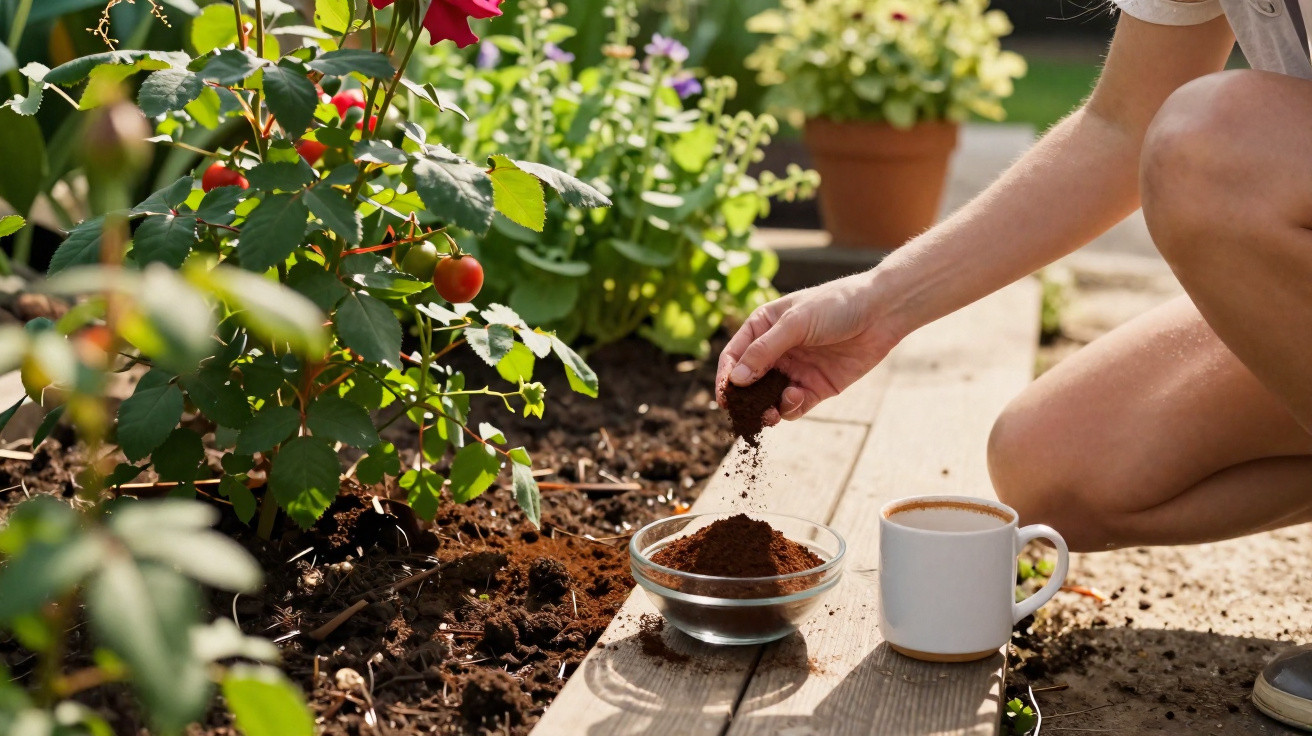
Every morning, tonnes of coffee grounds end up in household bins. Yet those brown grains contain a full nutrient mix for balconies, gardens and houseplants. Used properly, coffee grounds can improve soil, encourage flowers, strengthen roots - and even help keep certain pests at bay.
What coffee grounds actually do in soil
Coffee grounds are not a miracle cure, but they are a surprisingly versatile soil improver. They provide several building blocks plants need for healthy growth.
“Coffee grounds add nitrogen, phosphorus, potassium and trace elements to the soil - slowly, but steadily available.”
Nutrients: a slow-release plant feed
Once dried, the grounds contain three key nutrients in particular:
- Nitrogen: supports strong, deep-green leaves and drives growth.
- Phosphorus: helps root development and flower formation.
- Potassium: boosts resilience against disease, heat and cold.
On top of that, there are trace elements such as magnesium and copper, which plants need in tiny amounts - for example, to form chlorophyll and run enzyme processes. The big advantage is the release rate: coffee grounds feed gradually. Unlike many synthetic fertilisers, they are far less likely to scorch roots, as long as you do not overdo it.
Structure: food for earthworms and soil life
Just as important as the nutrient content is the impact on soil structure. Coffee grounds attract earthworms, which burrow and mix the soil. As a result:
- water drains and soaks in more effectively,
- more air reaches the roots,
- micro-organisms build humus.
With each small addition of coffee grounds, you support a miniature ecosystem in the soil, helping plants become more robust over time.
Mildly acidic: ideal for the right plants
Coffee grounds have a mildly acidic effect. That suits plants that prefer slightly acidic soil. In soils that are already more alkaline, the grounds can gently nudge the pH towards neutral. There are no sudden swings, because the effect is gradual and dose-dependent.
These plants particularly like coffee grounds
Not every plant responds the same way. Some benefit noticeably, others only a little - and a few are better left out.
Flowering shrubs and roses: more colour, more buds
Acid-loving ornamentals, in particular, often reward regular use with a visibly healthier appearance:
- Hydrangeas: in more lime-rich soils, flower colour may shift further towards blue if the root zone is slightly acidified.
- Rhododendrons and camellias: can look fresher, with darker foliage and denser flowering, when coffee grounds are occasionally worked into the soil.
- Roses: often respond to the nitrogen boost with stronger shoots and more abundant blooms, especially during active growth in spring and summer.
Many rose growers mix dried grounds into the top layer of soil around the plant and combine them with compost or organic pellets to achieve a more balanced nutrient supply.
Vegetable beds: tomatoes, lettuce and more get a lift
In the kitchen garden, coffee grounds tend to work best for crops that can handle a bit more feeding:
- Tomatoes: often set more fruit, and more evenly, when the soil is prepared before planting with compost plus a portion of coffee grounds.
- Leafy vegetables: lettuce, spinach and chicory can develop denser, more flavoursome leaves.
- Root vegetables: carrots and potatoes benefit from a looser structure and better nutrient distribution.
In vegetable beds, it matters how you apply them: always work coffee grounds lightly into the soil rather than leaving them sitting on the surface. This helps prevent crusting and allows rainwater to penetrate more deeply.
Houseplants: apply sparingly
Coffee grounds can also be useful indoors - in moderation. Tropical foliage plants such as monstera (Swiss cheese plant) and other large-leaved types often appreciate occasional small amounts when the potting mix is relatively low in nutrients.
If you grow orchids, take extra care. Some espresso drinkers add tiny amounts of heavily diluted, old coffee to the substrate or use a minimal quantity of coffee grounds in a potting mix. This only works when used very sparingly and never placed directly against delicate roots.
Where restraint is needed
Mediterranean herbs are sensitive. Lavender, rosemary and thyme cope well with leaner, drier soils, often with a slightly alkaline tendency. Too much coffee grounds can make the soil both denser and more acidic, which can lead to stunted growth over time - or even plant losses.
| Plant group | Suitable for coffee grounds? | Note |
|---|---|---|
| Hydrangeas, rhododendrons, camellias | yes | work in small amounts; do not mulch heavily |
| Roses | yes | only during growth phases |
| Tomatoes, leafy vegetables, root vegetables | yes | mix with compost |
| Mediterranean herbs | generally no | only very rarely and heavily diluted |
| Young plants and seedlings | with caution | minimal amounts only; better via compost |
Coffee grounds as a natural barrier against pests
Alongside their feeding effect, coffee grounds have a handy side benefit: they can deter a few unwanted visitors.
“Slugs, ants and even the neighbour’s cat often dislike the combination of texture and smell.”
What coffee grounds can help keep away
- Slugs: tend to avoid the rough surface. A thin ring of dried coffee grounds around young plants can reduce grazing damage.
- Ants: often change their routes when they encounter coffee grounds, which can reduce activity right around sensitive roots.
- Cats: many cats avoid beds that smell strongly of coffee and feel crumbly and abrasive underfoot.
- Aphids: some gardeners report less infestation where the soil surface is mulched with coffee grounds - although results are not always consistent.
The remaining caffeine content plays a role here too. Fresh grounds tend to have a stronger effect, while older or already-composted grounds are milder. For sensitive plants, the gentler option can be the safer choice.
Coffee grounds alongside other measures
For plant protection, coffee grounds should not be your only line of defence. However, combined with companion planting, robust varieties and beneficial insects, they can fit into a coherent approach. Aromatic herbs such as oregano near vegetables can further confuse pests. Where coffee grounds are worked in sparingly in such beds, the protective “buffer” often becomes noticeably stronger.
How to use coffee grounds correctly
To make sure this kitchen by-product does not become a source of problems, it helps to follow a simple routine from coffee machine to flower bed.
Preparing coffee grounds: preventing mould
Fresh grounds are wet and clump together. In that state, they can go mouldy quickly. Instead:
- remove the grounds from the filter or portafilter,
- spread them in a thin layer on newspaper or a tray,
- leave to dry for 24 to 48 hours, loosening them occasionally.
Only then should they go into the garden, onto the balcony, or into a pot.
The right amount and how to apply it
Coffee grounds belong in the soil, not in a thick layer on top. If the layer is too compact, it can form a crust that stops water soaking through properly.
Useful rules of thumb:
- For a medium-sized potted plant: about 1–2 tablespoons, lightly worked into the top layer.
- In beds: mix with compost rather than applying neat, then spread and rake in.
- No more than four applications per year per planting spot.
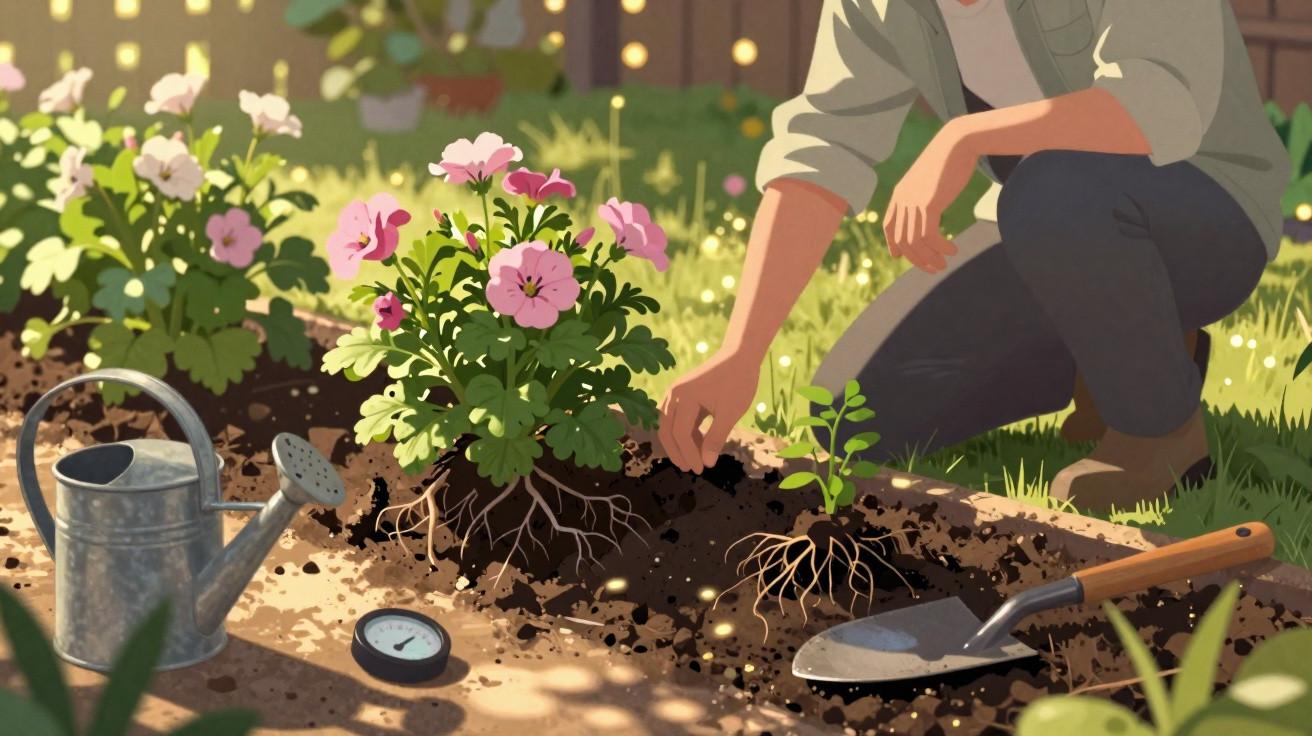
If you have a pH meter or test strips, you can keep an eye on how the soil is changing - especially for plants that do not tolerate much acidification. Flowering perennials for bees and other pollinators can be sensitive if the soil tips too far.
Young plants and lawns: keep doses low
Seedlings and very young plants are delicate. Too much nitrogen can stress roots or even slow germination. In these cases, composting is the better route: coffee grounds added to the compost heap later reach the bed in a much more diluted form.
Lawns also benefit from restraint. Grass types that thrive on low nutrients can react quickly to overfeeding. Thin, targeted applications via compost, or alongside other organic fertilisers, are safer than spreading pure coffee grounds across the whole lawn.
Practical extra tips for everyday use
If you drink a lot of coffee, you can build up a sizeable supply of grounds. Some of it can go straight into the compost. There, it helps speed up decomposition and adds nitrogen, which is often the limiting component in a compost bin.
For balconies, it is handy to keep a small container of dried coffee grounds. That way, you can mix a handful into compost whenever you repot or top up pots. If you grow a range of plants, you can tailor feeding: roses, hydrangeas or tomatoes can take a little more, while Mediterranean herbs are best left out.
It is also worth paying attention to soil chemistry. Many hobby gardeners focus only on “acidic” versus “chalky”, yet small pH shifts caused by coffee grounds can make the difference between a hydrangea flowering more pink or more blue. If you enjoy experimenting, divide a bed in two and work coffee grounds into only one half on a regular basis - the differences in growth can be clearer than you might expect.




Comments
No comments yet. Be the first to comment!
Leave a Comment