
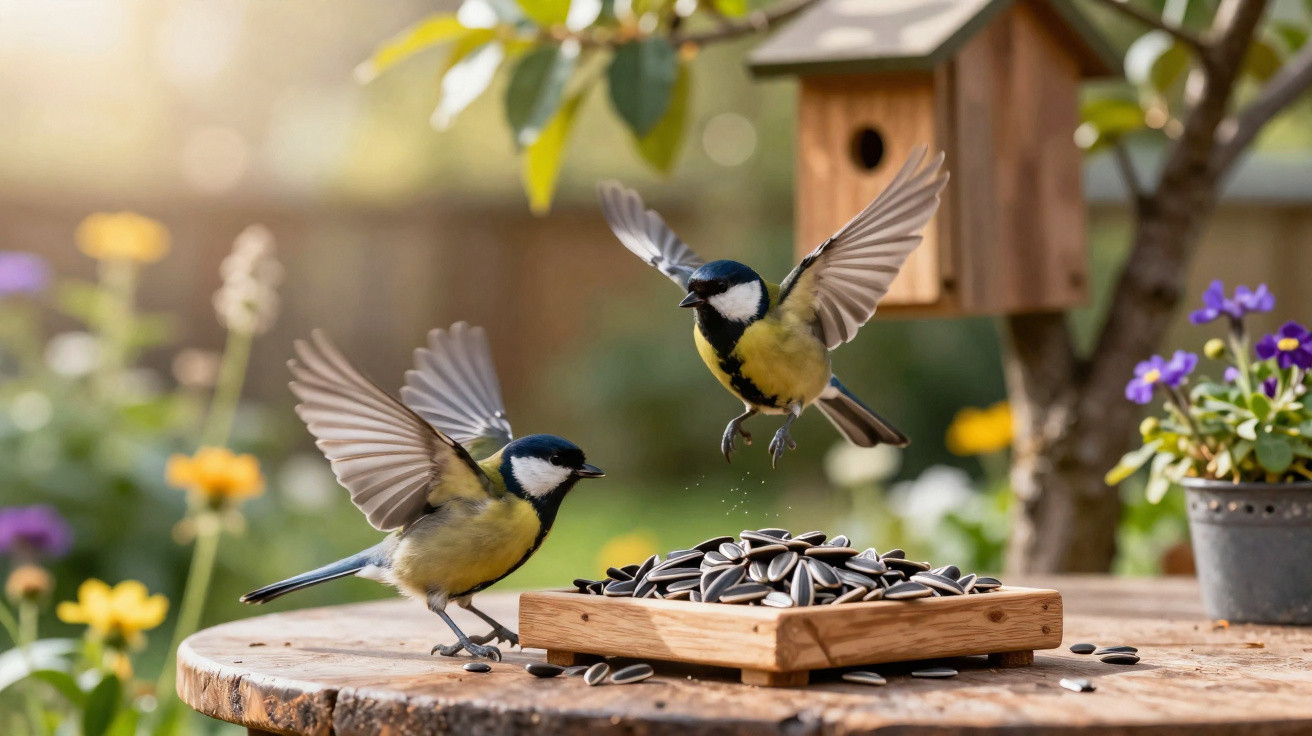
Many amateur gardeners have no idea that it all comes down to one simple seed.
Anyone who has watched a pair of tits clambering, acrobatically hanging on, and pecking away usually doesn’t want to be without them again. These lively little birds add instant movement to any garden - and, at the same time, they polish off huge numbers of pests. With one particular food, you can tempt them in surprisingly easily, especially during the colder months.
Why tits go mad for this seed
Tits are genuine energy addicts. Their metabolism runs extremely fast, and in winter they can burn through what they’ve eaten within just a few hours. That’s exactly where the insider tip comes in: sunflower seeds.
“Sunflower seeds are among the most energy-dense feeds for small garden birds - and tits are especially keen on them.”
The reason is the nutrient combination:
- a high fat content for fast energy
- protein to support muscles and feather growth
- vitamins and minerals to help strengthen the immune system
Because tits lose a lot of energy through body heat in winter, they deliberately look for food that’s rich in fat but still easy to crack open. Sunflower seeds match that need perfectly. If you offer them consistently, you create a dependable food source over the course of weeks - and the birds remember it.
Which sunflower seeds tits truly prefer
The better choice: black seeds rather than striped ones
Bird feed bags often list two types: black sunflower seeds and striped sunflower seeds. The difference isn’t just how they look.
| Type of seed | Characteristic | Suitable for tits? |
|---|---|---|
| black seeds | smaller, thinner shell, higher oil content | very good - ideal for small beaks |
| striped seeds | thicker shell, less fat | only partly - eaten more slowly |
Blue tits and great tits cope far better with black seeds. They can crack the thinner shells quickly, saving energy they would otherwise waste opening tougher seeds.
If you want to take it one step further, choose unhulled organic sunflower seeds. With no pesticide residues, they’re easier on the birds, and you’re also supporting more environmentally friendly farming.
How to position the food correctly
Even the best feed does little if it’s put in the wrong place. Tits are cautious, because they themselves are on plenty of menus. They prefer to feed above ground and close to cover.
These setups have proved effective:
- a sturdy feeding station at a height of 1.5 to 2 metres
- a spot within sight of shrubs or trees
- no dense cover directly underneath, so cats find it harder to sneak up
A simple wooden or metal feeder is perfectly adequate. The key is that the birds can spot it from a distance. A clear line of sight, plus a few nearby perching branches - that’s all that’s needed.
“Well-positioned feeding spots are usually accepted by tits within a few days - sometimes even within hours.”
Adjust the amount of food to the season
Tits don’t need the same feeding level all year round. The crucial period for sunflower seeds is the cold season.
- Autumn: set up the feeding area and get the tits used to the location.
- Winter: increase the amount noticeably, check daily and top up.
- Spring: keep feeding, but pay extra attention to insects - essential for raising chicks.
- Summer: natural food is usually sufficient; smaller portions are possible.
Try to avoid empty feeders. Tits will fly out expecting known food sources. If there’s regularly nothing there, they’ll eventually stop visiting the garden.
More than just food: how to turn the garden into a tit haven
Sunflower seeds may open the door, but the birds will only stay long-term if the rest of the garden also suits them.
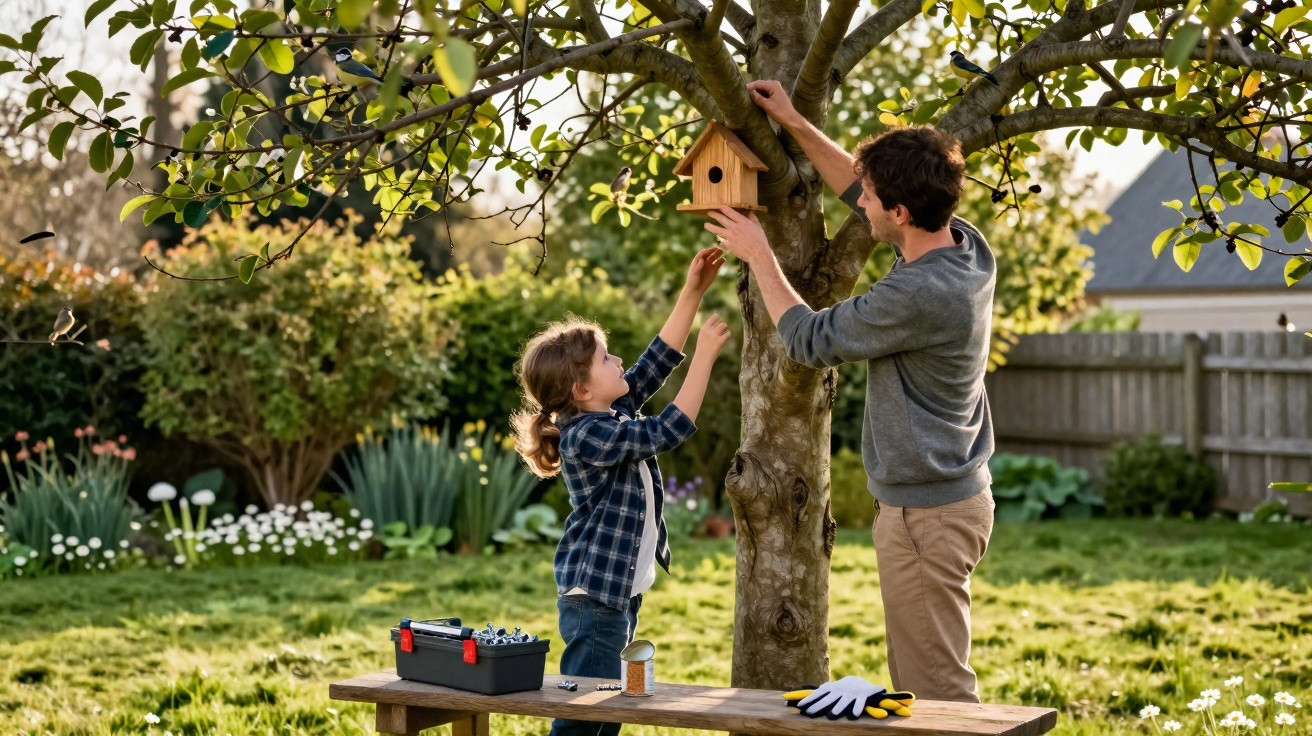
The right nesting box for tits
Tits are cavity nesters. In many modern gardens, natural tree holes are scarce, so nesting aids make a big difference. A tit box mainly needs three things:
- an entrance hole with a diameter of 28–30 millimetres
- a height of roughly two to three metres
- an east or south-east facing position to avoid wind and driving rain
The box shouldn’t hang in full sun and should be protected from heavy traffic noise where possible. Once a year - ideally in late summer - clean it out roughly so parasites don’t get a chance.
Plants that attract insects - and therefore tits
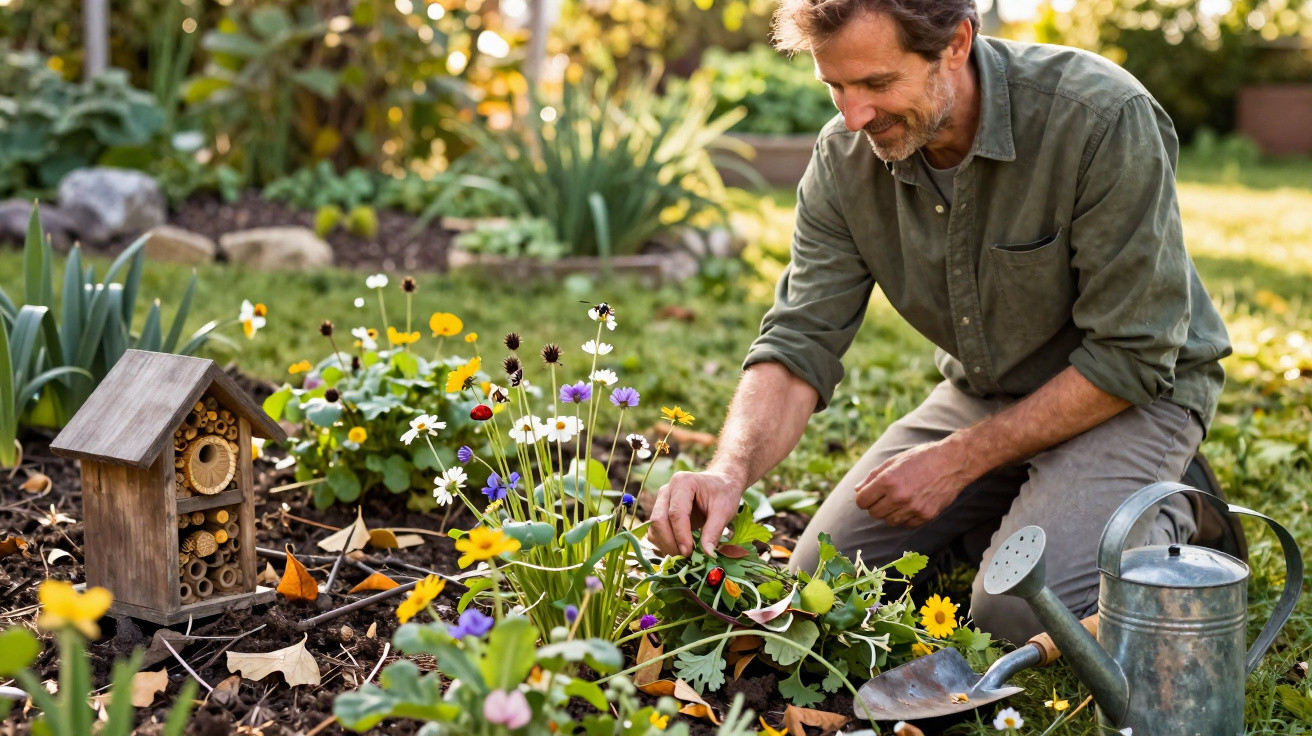
Especially during the breeding season, tits feed their chicks mainly on insects. If your garden is rich in insects, the odds of a tit family increase significantly. Particularly suitable are:
- chives, thyme and other herbs that you allow to flower
- self-seeding perennials such as yarrow or knapweed
- shrubs such as elder or buddleia
- fragrant plants like lavender, which draw in lots of insects
These plants don’t just provide food; they also offer the birds cover from birds of prey and cats. Tits use dense branches as a stop-off point on the way to the feeder.
Why chemical treatments drive tits away
Many gardeners still reach for sprays when faced with aphids and other pests. But that strips tits of their basic food supply. Where there are no insects, the birds won’t stay either.
“By avoiding chemical poisons, you create the basis for a stable, natural balance - and tits will then do part of the pest control work for free.”
Instead, for example, these approaches work:
- plant-based brews such as nettle infusion against aphids
- deliberately encouraging ladybirds and lacewings
- mixed beds with strongly scented herbs that confuse pests
How tits help the garden in practical terms
If you attract tits, you gain more than nice photos. These small birds work away in the background every day. During the feeding phase, a breeding pair can bring in several hundred insects per day. Particularly popular as a “snack” are:
- caterpillars of butterflies and moths that strip leaves
- aphids on roses and perennials
- small beetles and their larvae in fruit trees
Many amateur gardeners report that they have noticeably fewer caterpillars on fruit trees and in the vegetable patch once tits have settled in for good. That makes spraying less necessary and leads to healthier plants.
Practical tips for getting started - without setbacks
If you’re trying to attract tits for the first time, the same mistakes crop up again and again: the wrong location, unsuitable food, and too little patience. With a few simple rules, getting started becomes much more straightforward.
- Set up the feeding station as early as possible in autumn.
- Use only fresh sunflower seeds with no mould.
- Clean feeders regularly, especially in damp weather.
- At the beginning, top up smaller amounts rather than cramming everything full.
- Stay patient - sometimes it takes two or three weeks before the first tits arrive.
If you also provide water - shallow and changed daily - you make the garden even more appealing. Especially in summer, tits often look for bathing spots to keep their plumage in good condition.
Many garden owners notice after a few months that other species start turning up alongside the tits: sparrows, robins, and occasionally great spotted woodpeckers. Sunflower seeds then become the starting point for a whole small ecosystem right outside the patio doors.
Comments
No comments yet. Be the first to comment!
Leave a Comment