
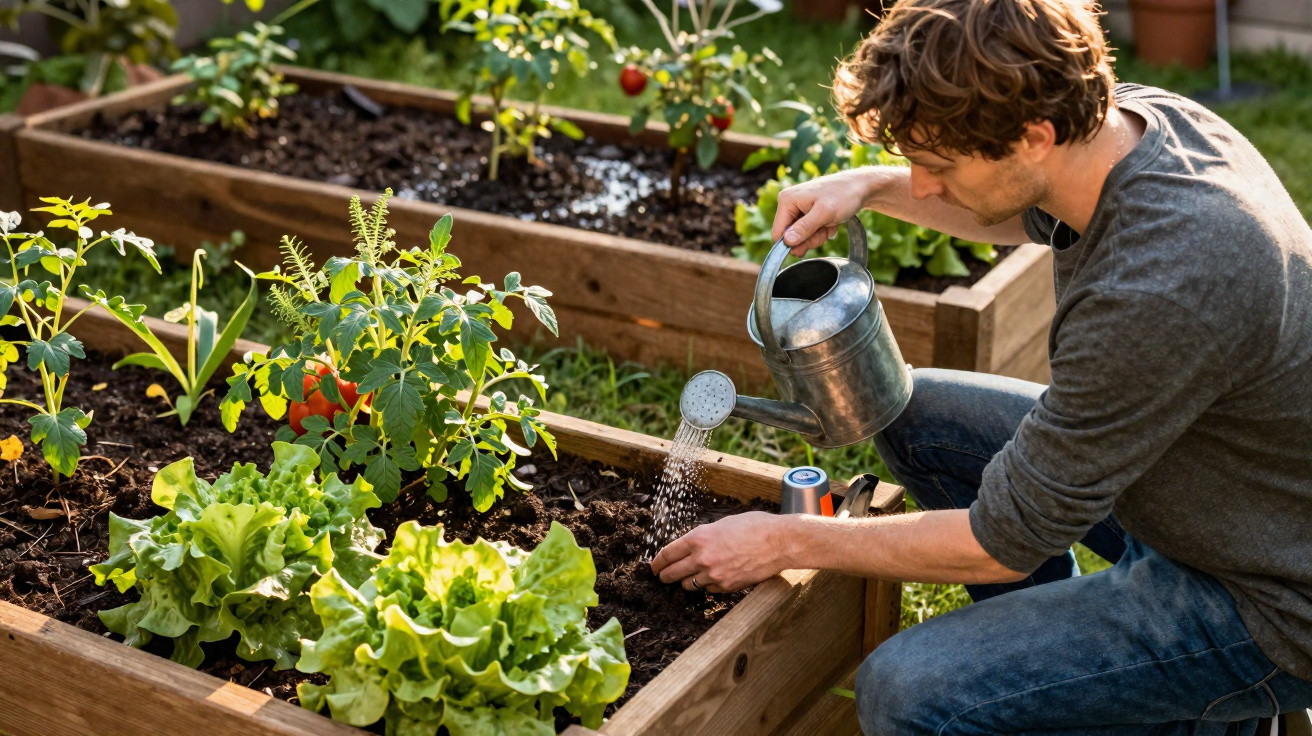
The heat had been gathering since first thing, the sort that makes the air feel syrupy and turns a hosepipe into dead weight. I wandered past the old veg strip at ground level, where the soil was still dark and cool from last night’s shower, then looked over at the raised beds. Same plot. Same sky. Yet those wooden rectangles already seemed weary: the top was starting to crust, and the lettuce was slumping as though someone had switched it off.
I gave both areas a soak, partly out of guilt. The in-ground bed barely took any in. The raised bed gulped it down like it had been stranded in the desert for a week.
Standing there, you feel it in your stomach.
These two patches aren’t working to the same timetable.
Why raised beds dry out faster than your regular garden
The first surprise with raised-bed gardening is how quickly conditions swing. One scorching afternoon and spinach that looked perfect in the morning suddenly resembles a forlorn salad abandoned at a picnic. When you press your fingers into the soil, it feels light, warm and almost fluffy, while the nearby ground soil hangs on to a steady, deep cool.
Because raised beds sit up above the earth rather than being nestled into it, the rules change. Water behaves differently. Heat behaves differently. Your watering routine has to learn a new step.
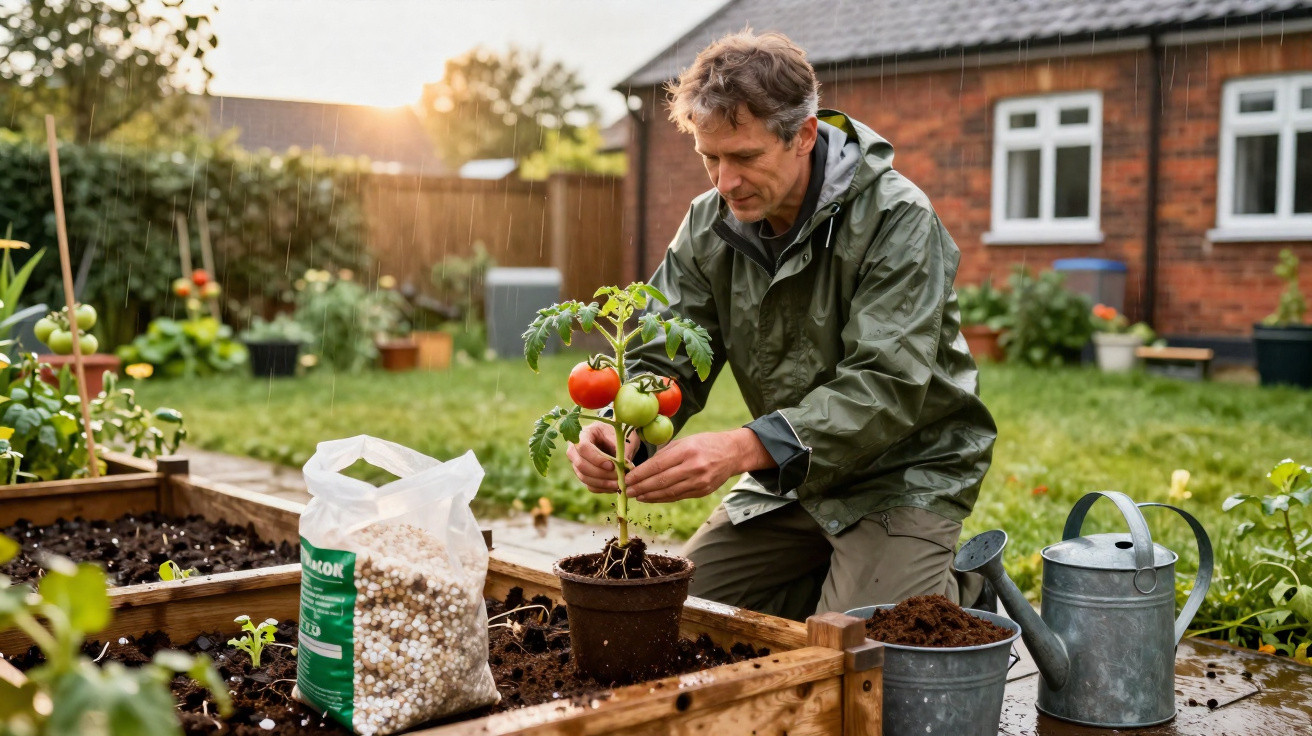
I met a gardener in a small suburban town who ran into exactly this. For years she’d grown tomatoes in the ground, giving them a thorough soak twice a week, and they’d repay her with huge, glossy fruit. One spring she put together three raised beds from reclaimed boards, filled them with a beautiful rich mix, and confidently planted the very same tomato varieties.
She stuck with the same watering schedule. Within ten days, the tomatoes in the raised beds were struggling-leaves curling and yellowing from the edges-while the tomatoes at ground level looked comfortable and almost pleased with themselves. Same plants, same gardener, same weather. Different height, different outcome.
It comes down to straightforward physics, with a bit of garden drama thrown in. Raised beds expose more soil to air and sun: sides, edges and corners all breathe heat. The result is quicker evaporation and a warmer root zone. On top of that, the soil you put into raised beds is usually looser and freer-draining than compacted garden soil, so water travels through it faster.
Ground soil-especially heavy clay or anything a bit compacted-can behave like a sponge stored in a cool cellar. Raised beds are closer to a sponge left on a balcony rail in July. Same basic idea, but a completely different setting.
Finding the right watering rhythm for raised beds
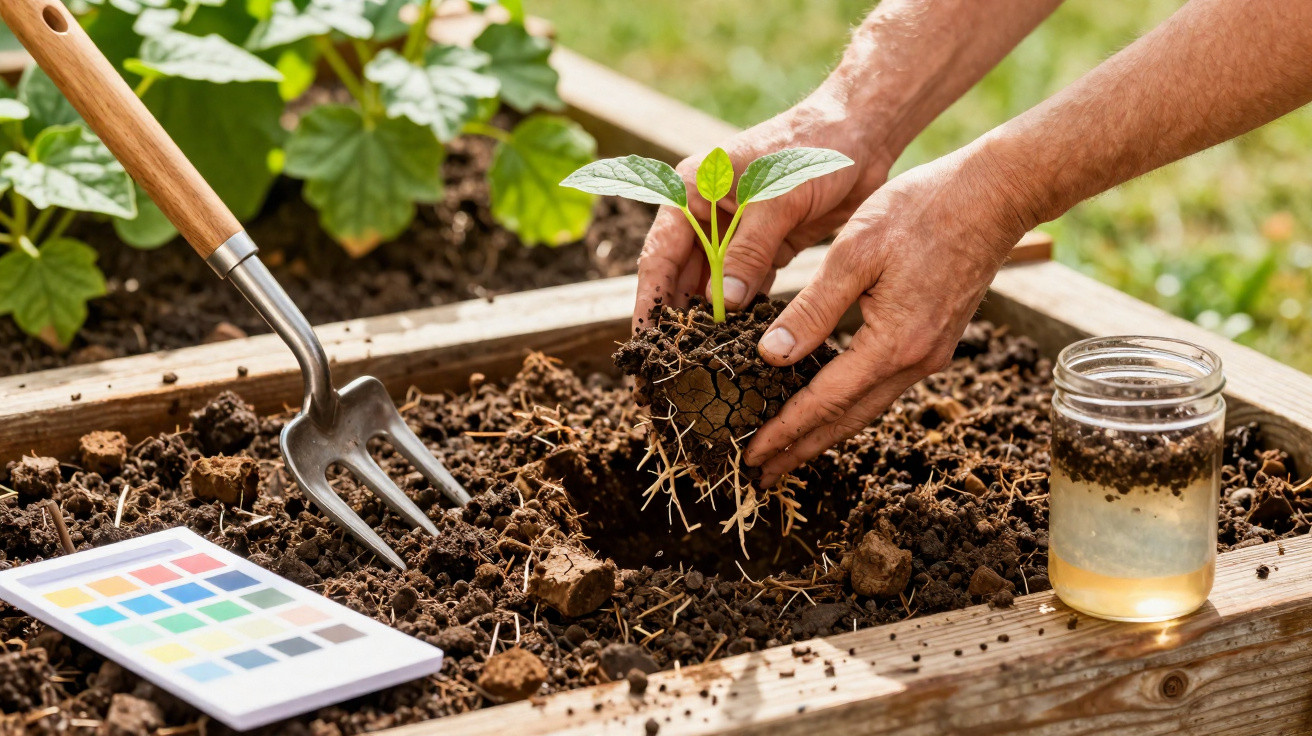
To get the true rhythm of a raised bed, trust your hands more than the calendar. Ignore the old “water every two days” habit. Instead, push a finger two or three inches into the soil near the base of your plants. If it’s cool and slightly damp down there, you can often leave it. If it’s dry and dusty at that depth, it’s time to water-even if the top still looks fine.
Go for long, slow, thorough watering rather than little daily splashes. Run the hosepipe or drip line gently so moisture sinks all the way down to the roots. Raised beds respond best to steady generosity, not frantic top-ups.
One of the easiest mistakes is copying pot routines or in-ground routines, without adjusting. Raised beds sit between containers and garden soil. They’re not as demanding as pots-which can dry within hours during hot weather-but they’re much less buffered than a bed rooted in native soil.
Most of us know that moment: you watered yesterday, yet the bed is bone dry below the first inch. The key is accepting that a raised bed’s needs shift with the season, the wind, the mulch, the wood type, even how tightly things are planted. Once you treat it as a living system rather than a wooden box of compost, the pattern becomes easier to sense.
Let’s be realistic: hardly anyone measures moisture every single day. Life gets in the way-hosepipes kink, children shout, dinner catches. A couple of simple habits make a big difference. Water early in the morning while the soil is cool and the sun is less fierce. Cover the surface with straw, shredded leaves or grass clippings to slow evaporation.
Raised beds don’t fail because they’re shallow. They fail because we treat them like ground soil living in a wooden frame.
- Check soil by touch at root depth, not only on the surface.
- Water deeply two or three times a week in warm weather, rather than shallow daily sprinkling.
- Use drip lines or soaker hoses to put water straight into the root zone.
- Add organic matter each season to help the soil hold onto moisture.
- Keep soil covered with mulch to protect it from sun and wind.
The quiet art of listening to your raised beds
With time, each raised bed develops its own character. One drains quickly because there’s lots of sand in the mix. Another stays moist because a fence gives it a touch of shade. Some beds are shallow and baked by sun; others are deeper and packed with cardboard or logs that act as secret sponges.
Your task isn’t to learn one perfect schedule. It’s to spot the patterns. Which bed wilts first on a hot afternoon? Which one stays damp for two days after rain? This slow, almost meditative side of gardening rarely makes it into flashy how‑to clips.
The more you pay attention, the more small signals you’ll notice: basil leaves that curl at the edges by mid-afternoon but recover by evening; faint cracking between plants; mulch that feels crisp and warm on top but cools your fingers when you lift it. These tiny clues guide watering far better than any printed chart.
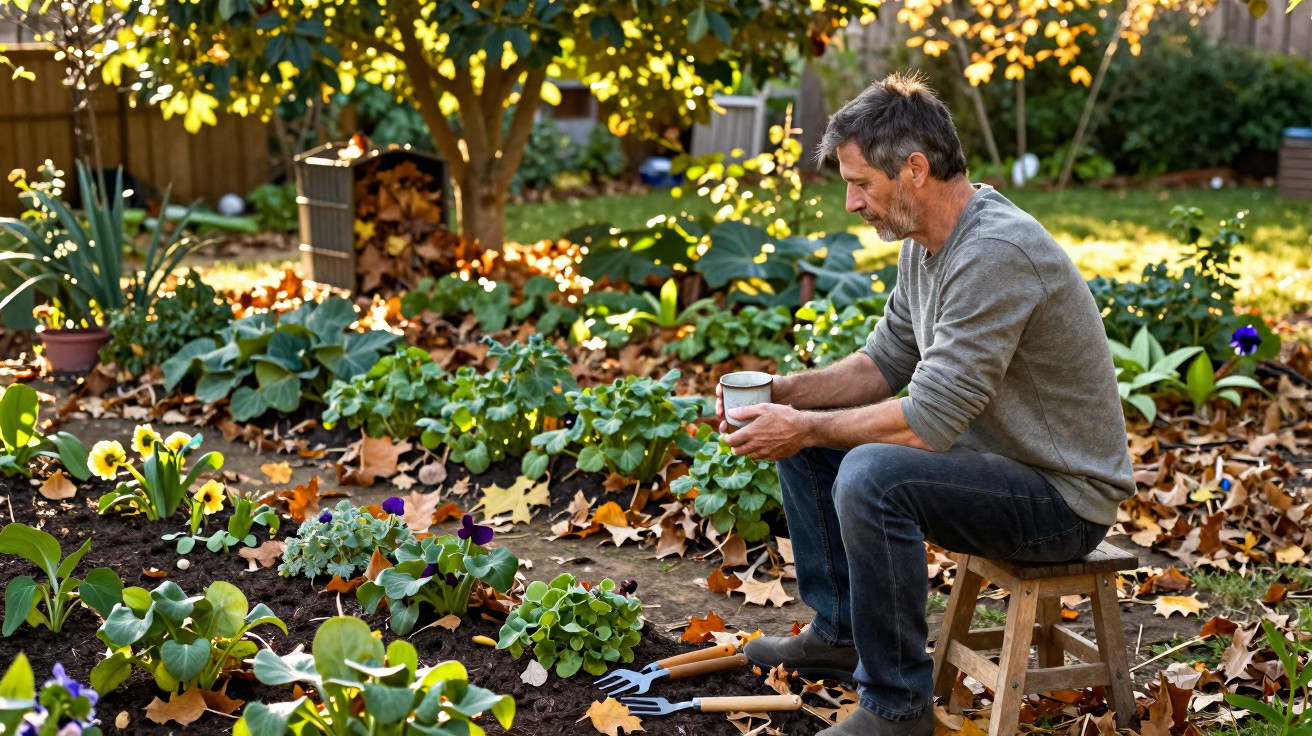
You might find yourself shaping a routine around them: a quick morning walk-round with a mug in hand, a deeper soak every third day, and a longer session ahead of a heatwave. No rigid rules-just a growing sense that raised beds speak a slightly different language from the rest of your garden.
| Key point | Detail | Value for the reader |
|---|---|---|
| Raised beds dry out faster | More exposed surfaces and better drainage increase evaporation | Helps you understand why your usual schedule suddenly fails |
| Water by feel, not by date | Check moisture at root depth and adjust frequency to weather and soil | Reduces plant stress and saves water on unnecessary watering days |
| Support the soil, not just the plants | Mulch, organic matter, and slow watering keep the root zone stable | Builds healthier beds that forgive the occasional missed watering |
FAQ:
- Do raised beds always need more water than in-ground gardens? Often yes, because they lose moisture faster through their exposed sides and looser soil, though a deeply built, well-mulched raised bed in partial shade may rival ground soil in water use.
- How often should I water in a heatwave? Check daily, but water deeply every one to two days, focusing on early mornings, and add extra mulch or shade cloth to reduce stress.
- Is drip irrigation worth it for raised beds? Yes, drip or soaker hoses give a slow, targeted flow, which matches the fast-draining nature of raised beds and keeps foliage drier, reducing disease.
- Can I overwater a raised bed? Definitely; roots still need air. If the soil feels soggy or smells sour, ease off and let it dry slightly before the next deep watering.
- What soil mix helps hold water better? A blend of compost, topsoil, and a smaller share of coarse material like sand or bark, not just fluffy potting mix, improves both drainage and water retention for a steadier rhythm.

Comments
No comments yet. Be the first to comment!
Leave a Comment