
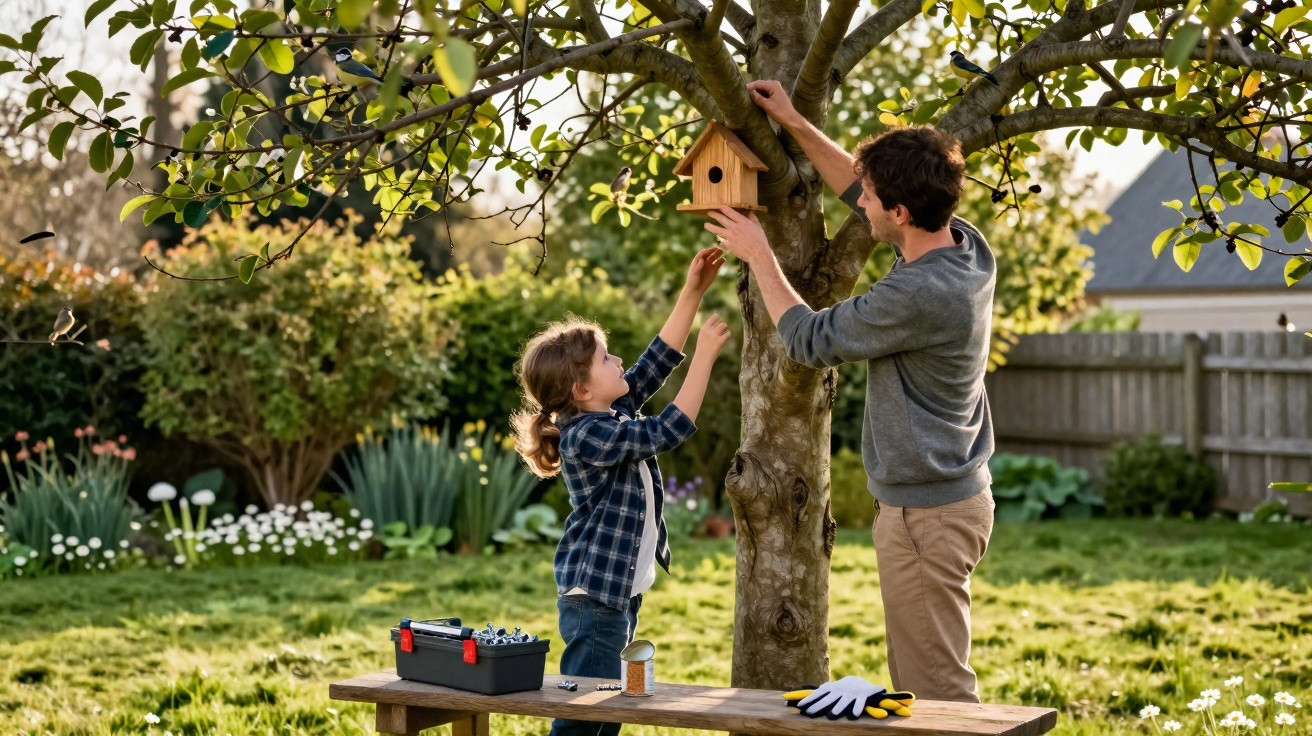
As we look forward to sunshine, longer days and the Easter holidays, the clock is already ticking for blue tits, sparrows and other garden birds. They need sheltered places to nest - and those spaces are disappearing as buildings are renovated, roofs are replaced and gardens are kept immaculate. If you have a garden or even a balcony, a few straightforward changes can help restore real habitat.
Why birds need our gardens more urgently than they used to
Across many towns, cities and villages, a quiet but fundamental shift has taken place in recent years. External walls are insulated, old barns are sealed up, and loft spaces are shut off. For people, that often means less noise and better energy efficiency; for birds, it can mean losing a home.
"Many typical town- and village-dwelling bird species are declining markedly because they no longer find niches, cracks and cavities in buildings."
The species hit hardest tend to be those that have traditionally nested on or in houses, including:
- Tits, especially the great tit and blue tit
- House sparrow (the classic “sparrow”)
- Swift
- Barn swallows and house martins
- Redstart species such as the black redstart
A long-term French study shows that urban bird species fell by around a quarter between 2001 and 2019. Many gardens sound noticeably quieter than they did 20 years ago. At the same time, towns and villages heat up more in summer - which can make breeding sites less reliable.
A nest box in the garden - a small box with a big impact
This is where a nest box comes in. When it’s properly installed, a box is far more than a decorative piece of timber: it stands in for lost tree holes and gaps in masonry, and it helps protect chicks from heat, driving rain and predators.
"A nest box can make the difference between a pair of tits managing to raise young at all, or the brood failing in spring."
Bird conservation specialists highlight three main reasons nest boxes matter so much in spring:
- Replacing lost nesting places: Renovations and new builds remove traditional breeding sites.
- Protection from heat: Warmer springs and hot early summers make well-insulated, shaded nest sites especially valuable.
- Security: A box offers better protection from cats, martens and heavy rainfall.
How to turn your garden into a bird-friendly haven
Nest boxes only work properly if the surrounding habitat does too. A spotless, closely mown lawn bordered by a line of conifers attracts very few birds. They need food, cover, and short distances between all of those essentials.
More than just a box: structure instead of a golf-green lawn
If you want to support birds, keep four things in mind:
- Good hiding places: Shrubs, hedges and small trees - ideally with a slightly wilder patch.
- Food sources: Flowering native plants that bring in insects, which many chicks rely on.
- Water: A shallow dish or small basin as a bird bath.
- Quiet refuges: Corners that aren’t constantly walked through or cut back.
A short, shrub-free lawn is about as useful to birds as a car park: no cover, little food, and very low odds of a successful brood.
Choosing the right nest box
Not all nest boxes suit all species. Different birds look for different internal sizes and entrance openings. As a rough guide:
| Species | Entrance hole diameter | Notes |
|---|---|---|
| Blue tit | approx. 26–28 mm | Smaller opening helps keep out larger competitors |
| Great tit, house sparrow | approx. 32 mm | A standard size for many garden birds |
| Starling | approx. 45 mm | Needs a larger interior and sturdy materials |
| Open-fronted box (e.g. redstart) | open to the front | Must be very well protected from cats |
If you’re unsure, local wildlife and conservation groups can advise. Many also supply ready-made designs that have proved themselves in practice.
Hanging nest boxes properly - and what to avoid
Even the best box won’t help much if it’s put up badly. A few basic rules make a real difference:
- Height: At least 2–3 metres above the ground to make access harder for cats and martens.
- Direction: Ideally facing east or south-east, so the morning sun warms the box without overheating the nest.
- Shade in hot weather: Avoid full midday sun, especially on dark exterior walls.
- Clear flight path: Don’t place dense foliage directly in front of the entrance, so birds can fly in and out easily.
- Stability: The box should not swing or wobble in the wind.
"The ideal spot is shaded with morning sun, securely fixed and high enough to be safe - then tits and other species are much more likely to move in."
If you only have a balcony, look for nest boxes designed for balconies. The same principles apply: keep it as quiet as possible, avoid placing it above a constantly used seating area, and leave space between it and busy walkways.
Buildings as an opportunity: don’t simply ‘insulate away’ old nesting spots
For centuries, many bird species have used our buildings as substitutes for natural cavities such as holes in old trees. If insulation work or renovations are planned, it’s worth checking what nesting places already exist.
Where there used to be gaps under roof tiles, holes in masonry or open barn doors, everything is now often sealed airtight. If you’re building or renovating, consider planning in:
- Keeping selected niches or small gaps in roof areas
- Installing purpose-made nesting bricks or integrated nest modules in the façade
- Swallow ledges or artificial nests under the eaves
These options often fit birds’ natural behaviour better than boxes hung externally, because they sit closer to the kinds of cavities birds would use in cliffs or trees. They also tend to last longer and offer more stable temperatures.
What nest boxes contribute to the wider ecosystem
One commonly overlooked point is that helping birds to breed often benefits you too. Parent tits feed their chicks thousands of insect larvae - including many caterpillars that would otherwise strip leaves from fruit trees and ornamental plants.
"A single pair of tits can tackle huge numbers of pest insects in spring - free biological pest control."
More birds in the garden usually means:
- Fewer problems with caterpillars and aphids
- More life, movement and song in everyday routines
- Direct contact with nature for children - often their first real connection to wildlife
If you let children or grandchildren take a torch to a nest box and listen to the chicks peeping, it becomes obvious how much feeling can be tied up in such a simple wooden box.
Practical tips to get started this spring
Many people assume nest boxes must go up in winter. It’s true that winter is a good time - but putting them up in early spring is still worthwhile, because many species are only just beginning to breed or will attempt a second brood.
- Buy or build one or two suitable boxes now.
- Pick a shaded position with a clear flight path.
- Leave at least one corner of the garden “untidy” - a leaf pile, old stems, shrubs.
- Put out a shallow water dish and clean it regularly.
After the breeding season, the box should be cleaned in late autumn. Sweep it out thoroughly, remove old nesting material, and avoid harsh cleaning products. That way, nothing stands in the way of the next season.
If you want to go further, join local guided bird walks or take part in counting schemes. You’ll get a clearer sense of which species live in your area - and which boxes are most in demand. With a few boards, a handful of screws and a well-chosen spot, you can make a small but measurable contribution to slowing the decline of birds in built-up areas.


Comments
No comments yet. Be the first to comment!
Leave a Comment