
As daylight fades and the air turns crisper, your garden is quietly preparing for what comes next beneath fallen leaves and damp, misty starts.
Autumn doesn’t always feel pressing, but the choices you make now influence next spring’s flowers, the condition of your soil and even how well your houseplants cope. Rather than a pause, this is the season that resets the year ahead.
Why autumn sets the stage for next year’s growth
With cooler weather, steadier rainfall and soil that’s still holding warmth, roots get near-perfect conditions. Growth above ground slows, yet below the surface things keep moving: roots establish, soil life shifts gear and the way moisture travels through beds changes.
Autumn care is not about coaxing more flowers now, but about quietly stacking the odds for a stronger, easier garden next year.
Gardeners who make the most of this window often come through winter with fewer losses, enjoy improved drainage once spring arrives, and see tougher foliage when the first heatwave hits. Ignore autumn, and you can expect waterlogged borders, thin lawns and weary indoor plants when the light returns.
Soil, mulch and drainage: the backbone of autumn plant care
Start with a clean, breathing soil surface
Start by tidying beds and lawns. Clear leaves from grass before they form a dense layer that blocks light. Don’t throw them away, though: they’re ideal future mulch or compost, and they shield the soil far better than exposed ground when heavy rain arrives.
Give borders one final thorough weed. One proper, deep weed session before winter can cut down a huge amount of next year’s unwanted seedlings-especially if you follow it by mulching.
Use mulch like a protective blanket, not a suffocating duvet
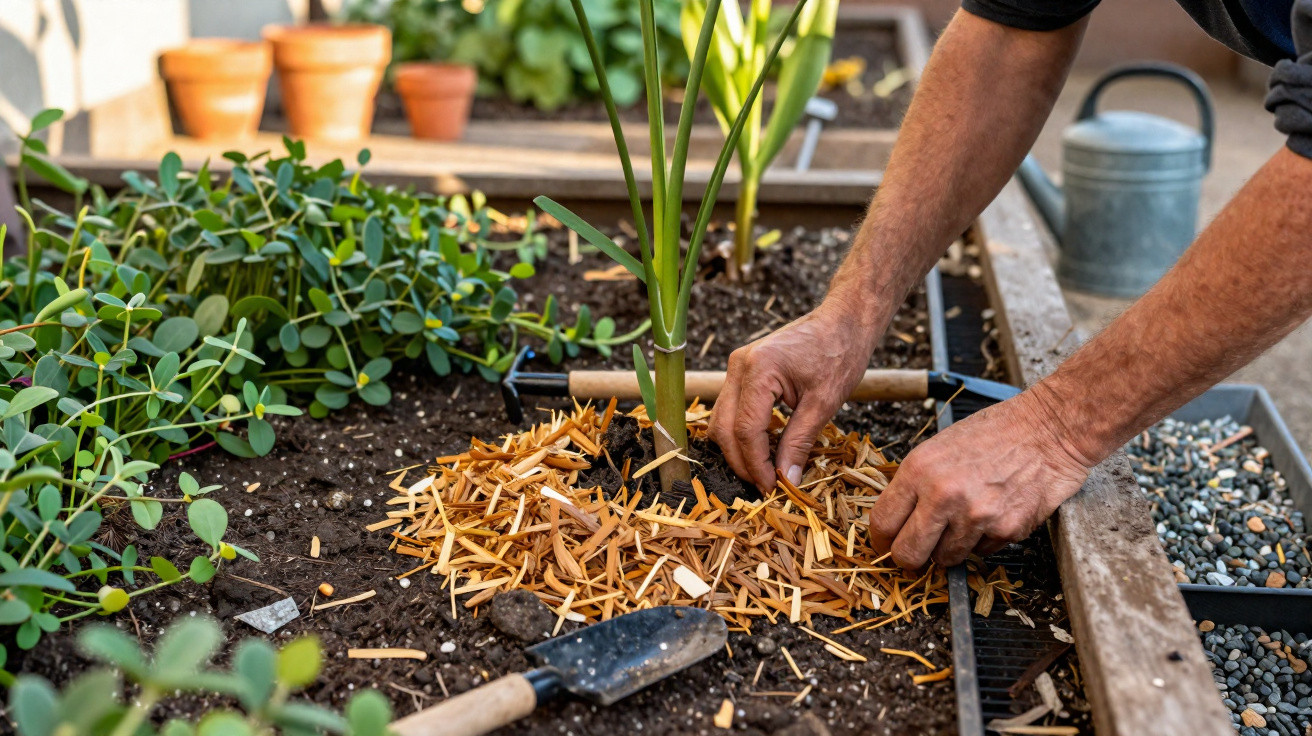
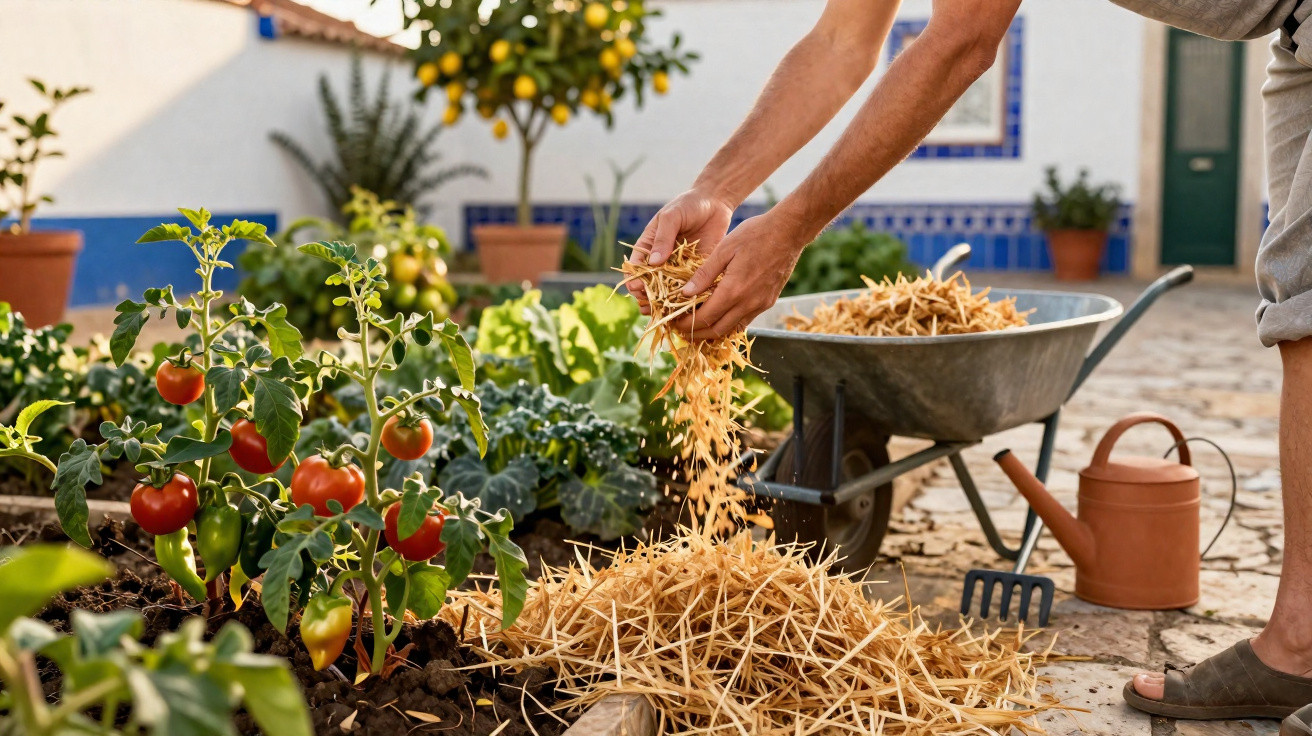
Add a light dressing of well-rotted compost or leaf mould around perennials, shrubs and smaller trees. Keep it to 3 to 5 cm rather than piling it up. This helps insulate roots, keeps soil organisms active and cushions the surface so rainfall is less likely to compact it.
- Leave a few centimetres clear around stems and trunks to reduce the risk of rot.
- On very poor soil, blend leaf mulch with a little compost.
- In pots, a thin top layer helps limit sudden temperature swings.
Mulch acts like a slow-release climate manager: it softens heavy rain, holds moisture in dry spells and feeds the soil community over time.
Rescue waterlogged spots with smart drainage
If parts of your garden hold standing water for days-borders, gateways or paths-use autumn as the time to sort the structure out. Before winter storms arrive, put in a simple drainage solution where it’s worst.
Place a geotextile membrane, then add 5 to 7 cm of gravel at roughly 10 to 20 mm. Together, these layers move excess water away from roots, stop the stones disappearing into mud, and keep the area usable through wet spells.
At the margins of these damp patches, plant species that actually enjoy moisture. Tough, attractive choices such as sedges (carex), primroses and lysimachia can transform a trouble spot into a lush, humid band of planting instead of a muddy dead zone.
| Problem area | Autumn action | Plant allies |
|---|---|---|
| Constant puddles near a path | Geotextile + gravel drainage strip | Carex, primroses |
| Heavy clay border that stays wet | Light fork aeration, compost mulch | Lysimachia, dogwood, hosta |
| Compacted, mossy lawn | Scarify and spike late winter | Overseed with robust grass mix |
Once winter is easing, schedule one last related job: scarify and aerate the lawn towards the end of the cold season. That opens the soil, encourages water to drain downwards and helps the surface dry more quickly as spring showers return.
Ground covers and autumn perennials that work all year long
Use ground covers as living mulch
From November, soil is still workable in many areas, making it an excellent time to plant ground cover. Treated properly, these plants act as long-term, self-refreshing mulch-suppressing weeds while retaining moisture.
Weed the site one final time, loosen the top 10 to 15 cm with a fork, and set plants out in a staggered layout. Keep 20 to 30 cm between them, aiming for 6 to 9 plants per square metre for quick coverage.
Dependable options include creeping bugle (Ajuga reptans), hardy geraniums, periwinkle, pachysandra, ivy and heathers. In combination they knit into a thick mat that shades the soil, keeps roots cooler and makes it harder for annual weeds to take hold.
A well-chosen carpet of plants does three jobs at once: decor, weed control and moisture management, without a single roll of fabric.
Perennial vegetables: a winter that quietly feeds you
Autumn is also a valuable season if you want more edible crops with less repeated effort. Several perennial vegetables cope exceptionally well with cold and are best started now.
- Perpetual leek copes with hard frosts and can be settled in from late October to December in full sun and well-drained soil, with leaf or hemp mulch for protection.
- Egyptian walking onion (rocambole) is planted from November to February, about 5 cm deep and 20 cm apart, and later produces small bulbils at the tops of its stems.
- Chinese chives planted in November quickly build into clumps that can be divided every two years and often re-sprout on their own in early spring.
These plants help span the seasonal gap: you can harvest leaves and shoots while annual beds rest, spreading both the workload and your supply across more of the year.
Outdoor pots: microclimates and winter protection
Move containers, then insulate
Plants in containers feel cold and wet sooner because their roots are nearer the outside. Autumn is your last practical chance to reposition everything before proper frosts arrive.
Shift pots to a sheltered wall where they pick up a little extra warmth and avoid the worst winds. Cluster containers so they buffer one another. Insulate the pots-not the foliage-using hessian, bubble wrap or reused fabric to slow freezing in the root ball.
Use frost fleece with restraint. Put it on only when cold weather really sets in, and take it off during milder spells so plants still get light and air movement.
Houseplants in autumn: light, water and a quieter rhythm
Give your indoor jungle a seasonal check-up
As the days shorten, many houseplants naturally ease into slower growth. Support them by tidying tired material and improving their access to light.
Trim lightly to remove damaged stems and yellowing leaves. Bring plants nearer to windows-especially in north-facing rooms-while keeping them off cold glass at night. Avoid placing pots near radiators or draughty doors, as rapid temperature changes can stress both roots and leaves.
Leaves coated in dust photosynthesise poorly. Mist with a mild solution of water and black soap, then wipe gently with a soft cloth. This often restores a healthy sheen and helps gas exchange.
Rethink watering rather than following the calendar
Less light means slower growth and reduced water demand. Ease back watering bit by bit, and pause fertiliser until late winter or early spring-unless you’re growing under strong artificial lighting.
Let the top few centimetres of compost dry before watering; your fingers give better guidance than any schedule printed on a label.
To lift humidity, mist foliage or stand pots on trays of clay pebbles with a shallow layer of water. As it evaporates, it creates a mild pocket of moisture around the plant without leaving roots sitting in water.
Avoid major repotting at this time unless the plant is severely pot-bound. A light top-dressing of fresh compost is often enough to see plants through the darker months without the shock of disturbing the root system.
Reading your garden’s signals before winter bites
Small checks that prevent bigger problems
Before the first sharp frost, take a slow walk around the garden with a notebook. Spot beds that remain squelchy days after rain, gaps where ground cover would be useful, and shrubs still showing strain from last summer’s drought. Record which plants look strong with minimal input-those are likely to be your best long-term performers.
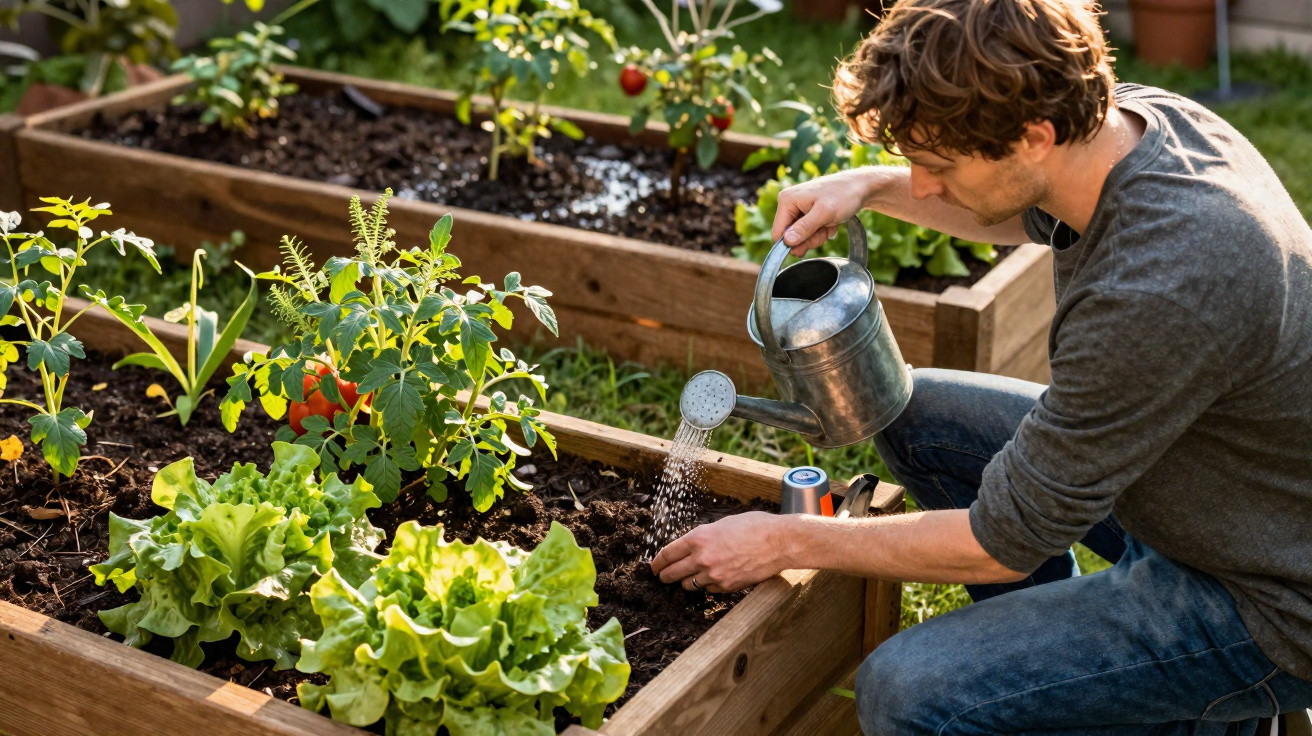
A quick drainage check can be done with a spade and watering can. Dig a hole around 30 cm deep, fill it with water, and note how quickly it drains. If it’s still holding water after a few hours, think about improving drainage or choosing plants that tolerate damp roots.
Beyond autumn: habits that pay every year
Most of these jobs fit into an easy annual cycle. Mulch in autumn, aerate in late winter, fill gaps in spring, then observe through summer heat. After a couple of seasons you’ll start to see clear patterns-where water gathers, where soil dries fastest, and how shade shifts as trees mature.
With that kind of seasonal routine, separate chores become a simple, reliable approach. The garden, the soil and your houseplants respond with fewer emergencies and steadier growth, and next year’s display begins quietly with what you decide to do now, in autumn’s cool, calm weeks.

Comments
No comments yet. Be the first to comment!
Leave a Comment