
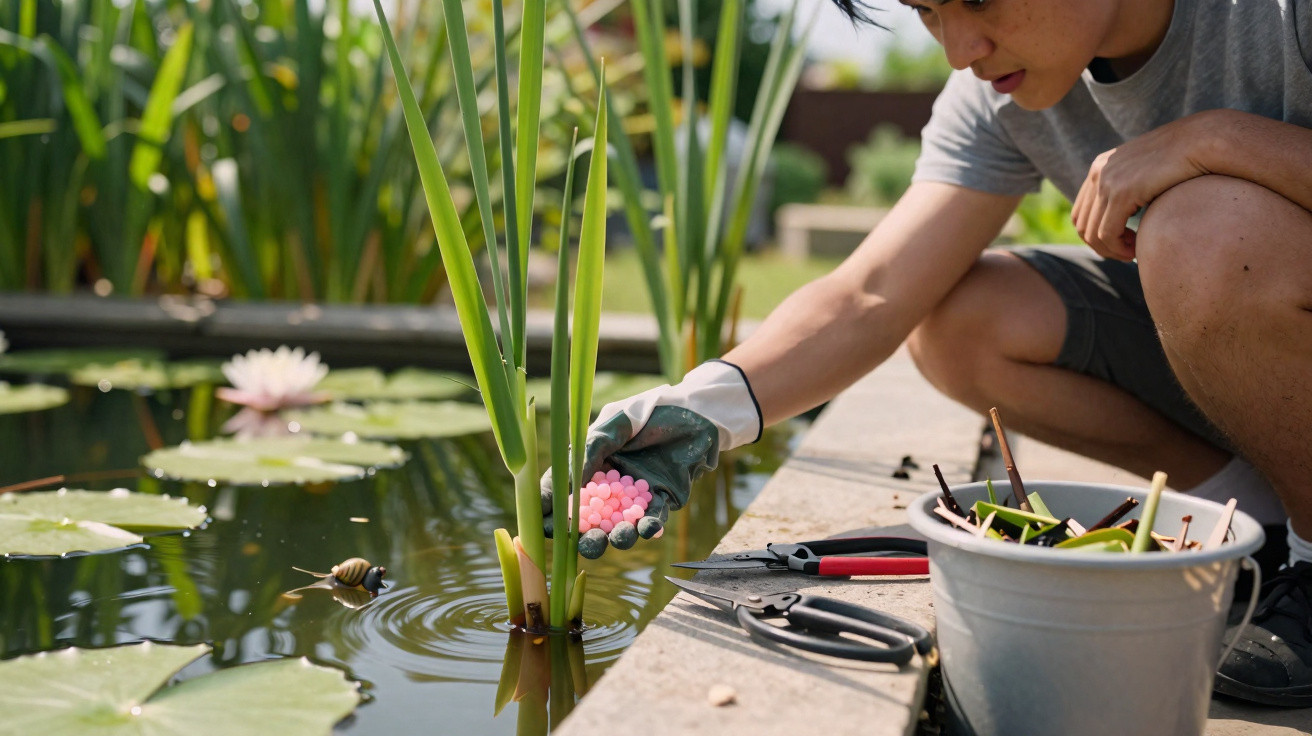
Home gardeners are increasingly reporting strange bright pink eggs on walls, jetties, posts and along the edges of garden ponds. What can look like an odd quirk of nature is, on closer inspection, a serious warning sign: these egg clusters often point to the golden apple snail, an invasive species that can threaten ecosystems, crops and even human health.
What the pink eggs really are: the golden apple snail (Pomacea canaliculata)
The vivid egg masses belong to the golden apple snail (Pomacea canaliculata). This species originates from South America and has been introduced elsewhere via the aquarium trade. In warm, damp conditions it can spread very quickly-first in ponds, canals and ditches, and then in gardens.
Unlike many native freshwater snails, it does not stay solely in the water. It can crawl up walls, fence posts and plant stems with ease, depositing its conspicuous clutches above the waterline. The intense pink colour is deliberate: it acts like a natural high-visibility warning, helping to deter birds and other predators.
"If you spot bright, bunch-of-grapes-shaped pink eggs in the garden just above the waterline, there is a high probability that a serious snail problem is on its way."
A single female golden apple snail can produce thousands of eggs over her lifetime. Where there are few or no natural enemies, populations can surge rapidly. If an infestation is recognised too late, controlling the animals becomes extremely difficult.
How to identify dangerous snail egg clutches
If you want to act quickly in a real emergency, it helps to know what to look for. Typical features include:
- Colour: very strong, almost neon pink or salmon-pink
- Shape: tightly packed spheres in an elongated, bunch-like cluster
- Size: often about the size of a grape bunch or a small finger
- Location: on firm surfaces just above the water surface or in persistently damp spots, for example:
- walls and garden boundaries
- fence posts and bridge supports
- stems of reeds and aquatic plants
- edges of ponds, water features and fountains
If you find a cluster like this, do not touch it with bare hands. A close-up photo and an accurate description of the location can help the relevant authorities assess the find.
How the snail destroys gardens and waterways
The risks posed by this snail go far beyond a few nibbled leaves. The animals are extremely voracious and will feed on a wide range of plants. Aquatic vegetation, young shoots, vegetable crops and ornamental perennials can all be affected.
Garden ponds and wildlife ponds are particularly vulnerable. In a short time, the snails can strip out much of the submerged planting. Once the greenery is gone, the entire system can tip out of balance:
- oxygen-producing plants disappear
- algae take over
- oxygen levels in the water fall sharply
- fish and amphibians become stressed or die
- cloudy, foul-smelling water can render the pond unusable
The damage is not limited to the water either. Snails can move into beds, skeletonise tender vegetables and young plants, and ruin whole plantings. In agricultural areas, rice fields are especially at risk: irrigated land provides ideal conditions, and entire harvests can be destroyed.
Health risk for people
Golden apple snails are not only a gardening issue; they can also carry pathogens. The animals may act as intermediate hosts for various parasites, including organisms that can cause severe inflammation of the membranes around the brain in humans.
"Contact with snails, eggs or contaminated water without adequate protection carries a real risk of infection-especially where the species is already established."
Anyone working in ponds in affected regions, wading barefoot, or handling egg masses without gloves is taking unnecessary risks. This is particularly important for children, who may be tempted to pick up the striking pink eggs.
What to do immediately if you see pink eggs
When there is suspicion, time matters. The earlier the relevant authorities respond, the better the chances of stopping further spread. Key steps are:
- Take photographs: capture several sharp images from different angles-eggs, the immediate surroundings and any snails you can see.
- Record the location: note the address, the type of waterbody (pond, stream, water butt), plus the date and time.
- Inform the authorities: report the find to the local authority environmental team, nature conservation body or the relevant agricultural office.
- Wear protection: if you must work nearby, use gloves and avoid direct skin contact.
- Make the area safe: keep children and pets away until specialists have assessed the situation.
- Check nearby spots: inspect other damp corners, walls and aquatic plants-multiple clutches are common.
Whether it is truly a golden apple snail or a harmless species can, in doubtful cases, only be confirmed in a laboratory. For that reason, specialist bodies advise against attempting large-scale chemical treatment yourself or draining ponds completely.
Long-term protection for garden and pond
A single discovery should be treated as a warning shot. To make your garden more resilient, it helps to address underlying conditions. Effective approaches include:
Manage water features more carefully
- remove silt and dead plant material regularly
- keep an eye on water level and pond margins
- thin dense plant growth to reduce hiding places
- avoid over-fertilising ponds to prevent heavy algal blooms
A well-maintained pond with a balanced mix of plants is less prone to mass outbreaks of snails and other problem organisms.
Choose plants wisely around damp areas
Around ponds, ditches or wet hollows, tougher planting can be beneficial. Strong-growing species with sturdier leaves cope better with grazing pressure than very delicate varieties. At the same time, keep the area reasonably open so changes are easy to spot quickly.
Never empty aquariums into ponds
Many invasive species reach the outdoors via the “pet” route-not only snails, but also fish and aquatic plants. If you dismantle an aquarium, do not pour its contents into a garden pond or the nearest stream. Better options are:
- rehome fish and snails only with responsible keepers
- dry plant waste and dispose of it with residual waste
- discharge aquarium water via the foul sewer, not onto the garden or into ponds
Set up an early-warning routine in your own garden
As with other pests, regular checks help you catch problems early. A simple routine is often enough:
- walk the pond edges and damp corners once a week
- look under plant pots, boards and jetties
- examine new plants carefully before placing them in water or beds
Over time, many gardeners develop a trained eye-not only for snails, but also for other unwelcome visitors such as voles, certain weeds or introduced insect species.
Why the pink eggs should be taken seriously
Pink snail eggs can look almost decorative, especially on neatly built ponds or masonry basins. That is exactly what makes them so deceptive: it is easy to underestimate the seriousness or dismiss it as a harmless curiosity.
In reality, they can signal a whole cluster of risks-from stripped beds and collapsing pond ecology to potential health hazards. Acting promptly can help you avoid costly restoration work later, the loss of carefully designed garden areas and drawn-out control efforts.
The likelihood of these snails becoming established rises in warmer regions with high humidity. Often, an informed glance is enough to take the first step: identify, report and prevent. The bright eggs are not a decorative touch-they are a clear signal from nature, and they should be treated that way.
Comments
No comments yet. Be the first to comment!
Leave a Comment