
Rising energy prices and geopolitical tensions are pushing up the cost of synthetic fertilisers. Many home gardeners are already noticing it on the price tags at DIY stores and garden centres. Behind the scenes, there is even talk that parts of the familiar range could disappear in the longer term - which makes it a good time to take natural alternatives seriously.
Why a standard fertiliser could suddenly become scarce
Most mineral fertilisers sold for garden use rely on a single building block: synthetic nitrogen. Common examples include NPK fertilisers, urea and ammonium nitrate. Producing all of these requires huge quantities of natural gas.
In industry, this is done using the so-called Haber–Bosch process. Nitrogen from the air is combined with hydrogen derived from natural gas under very high pressure and high temperatures to form ammonia. That ammonia is then processed into the familiar nitrogen fertilisers.
"Up to 70 to 90 percent of the production costs of nitrogen fertiliser are down to natural gas - every price spike hits fertiliser directly."
That is exactly where the pressure point lies: since the energy crisis and the most recent conflicts affecting international markets, gas has become significantly more expensive. Some fertiliser plants in Europe have had to cut output temporarily or shut down altogether because operating simply no longer paid.
EU statistics illustrate just how severe this has been: in only one year - from 2021 to 2022 - prices for nitrogen-containing fertilisers rose by nearly 150 percent. What has weighed on farmers for years is now landing straight on the shelf for hobby gardeners.
Less synthetic fertiliser - what does that mean for home gardeners?
Whether “the” classic fertiliser disappears from shelves entirely depends on several factors: energy prices, subsidy policy and global supply chains. One thing is clear, though: anyone relying heavily on synthetic fertiliser is making themselves extremely dependent on an unstable market.
Many garden enthusiasts are already acting on this. They are trying natural approaches that keep soil fertile in the long term, without being tied to gas prices or geopolitical shocks.
"If you strengthen your soil, you need far less synthetic fertiliser - often none at all."
Organic fertilisers work more slowly, but they tend to be more sustainable. They feed not only plants but also the life in the soil. Worms, fungi and bacteria help build a stable structure over time and improve water retention.
Which natural alternatives actually work?
The good news is that there is a natural substitute for synthetic fertiliser in almost every garden situation. The key is not to pour on just any “home remedy”, but to use the right method for the job.
Compost - the backbone of a self-sufficient garden
Mature compost is the best basic feed for many gardens. It supplies nutrients in moderate amounts and, at the same time, improves soil structure.
- Nutrient mix: contains nitrogen, phosphorus, potassium and trace elements in a balanced form
- Soil life: introduces microorganisms that help make nutrients available
- Structure: loosens heavy soils and helps sandy soils retain water
Important: apply only well-rotted compost. Fresh kitchen waste belongs on the compost heap first, not straight onto beds.
Well-rotted farmyard manure - an old method rediscovered
If you can source manure from a farm, you have a powerful tool. Thoroughly rotted cattle, horse or sheep manure provides plenty of nutrients as well as humus.
Manure must not be used raw on beds with fine roots, such as around young plants. Only after a longer rotting period - often several months - does it become “mild” enough for more sensitive crops.
Green manure - a living fertiliser factory in the bed
Particularly interesting are plants that can bind nutrients from the air. Clover, lupins and certain vetches partner with bacteria in their roots. These microorganisms take nitrogen from the air and store it in nodules on the roots.
After flowering, these plants are:
- cut down or shredded
- lightly worked into the soil
- or left on the surface as mulch
This way, the bound nitrogen is released gradually into the soil and becomes available to vegetables.
Liquid natural fertilisers: nettles and more in a bucket
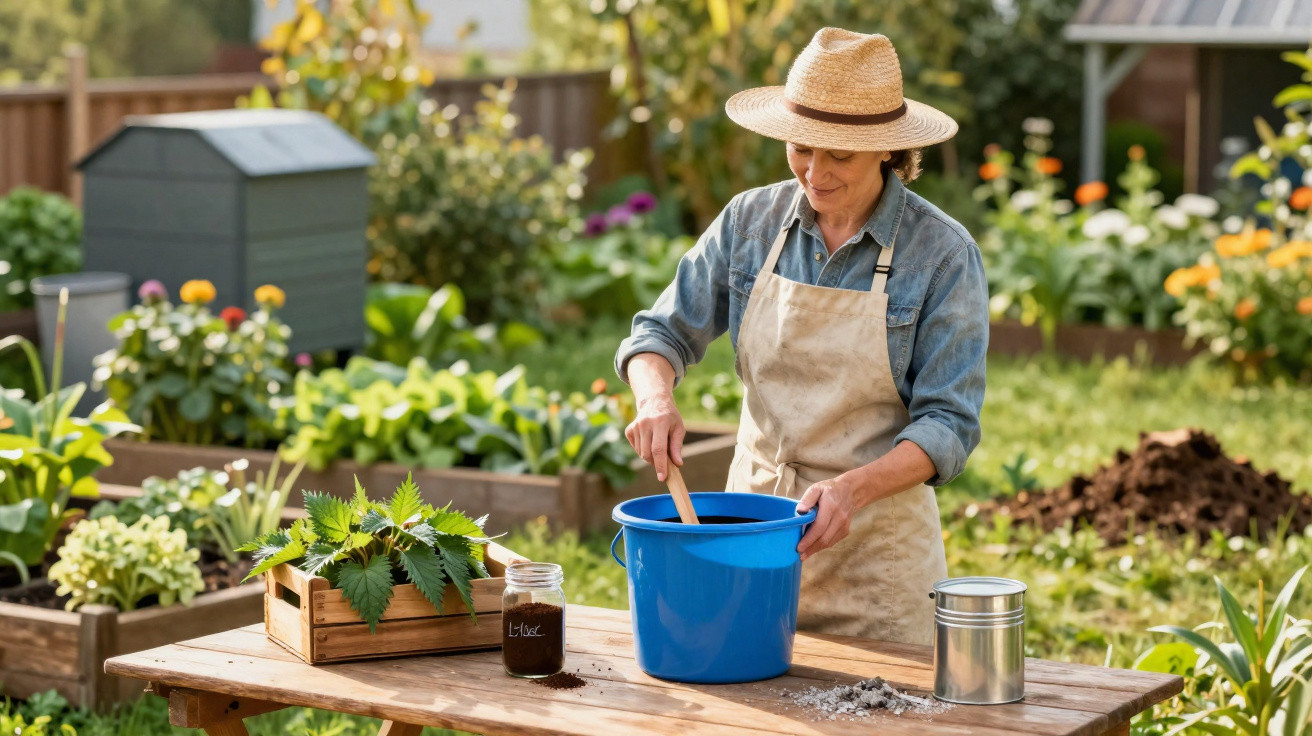
Homemade plant feeds are making a real comeback. At the top of the list is usually the classic: nettle feed.
Nettle feed - the all-rounder for heavy feeders
To make it, chop nettles and place them in a bucket of water. The mixture ferments for one to two weeks until it smells strong and bubbles stop forming. The liquid is then heavily diluted - a simple rule of thumb is one part feed to ten parts water - and watered onto plants.
The result:
- provides nitrogen, especially for tomatoes, brassicas, pumpkin, courgette
- promotes growth once the soil has warmed up a little
- strengthens plants thanks to the many minerals it contains
Comfrey and other “power plants”
Comfrey, particularly Russian comfrey, stores a lot of potassium. It can also be made into a fermented feed. This is especially suitable for fruiting plants such as tomatoes, peppers or berry bushes.
"Using different plant feeds makes it possible to meet different nutrient needs in a targeted way - almost like specialised liquid fertiliser from the shops."
Popular “secret tips” - where caution is needed
Not everything promoted in forums or on social media is good for a garden. Some supposedly natural tricks can cause serious damage if used incorrectly.
Fresh chicken droppings - very effective, but risky
A typical example is fresh droppings from the hen house. They contain extremely high levels of nitrogen. Without pre-treatment, they can literally scorch roots.
Safe use looks like this:
- never apply fresh droppings directly around plants
- always mix with plenty of bedding (straw, sawdust) and compost for several months
- or use as a liquid fertiliser only when heavily diluted - ideally test on a few plants first
Wood ash, coffee grounds and more: use sparingly
Wood ash from untreated wood contains a lot of potassium and lime. In small amounts it suits fruit trees, berries or vegetable crops that do not like slightly acidic soils. Too much ash makes soil overly alkaline and can lock up nutrients.
Coffee grounds are mildly acidic and add a little nitrogen plus organic matter. They work well for berries, hydrangeas or rhododendrons, but should be applied only thinly or mixed into compost so they do not form a dense, water-repellent layer.
How you can change your own fertilising plan
If you want to move away from synthetic fertiliser, you do not need a drastic, all-at-once change. A gradual shift usually works better - and is more forgiving.
- Get to know your soil: a basic soil analysis or a pH test from a DIY store shows where the shortages are.
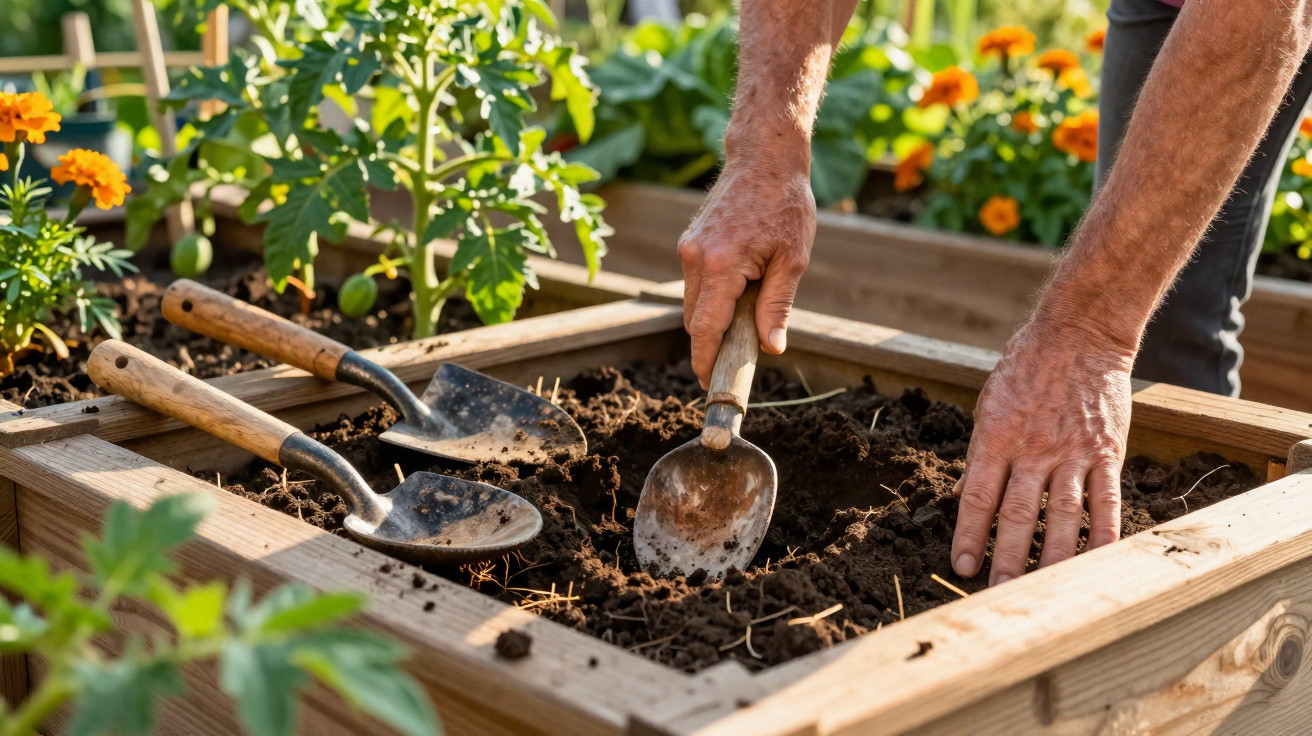
- Secure the basics: each year, spread a thin layer of compost over beds, ideally in spring or autumn.
- Plan for green manure: sow empty beds in late summer with clover, phacelia or lupins.
- Support plants deliberately: use nettle feed or comfrey feed during active growth, especially for heavy feeders.
- Use remaining synthetic fertiliser sparingly: apply any stock you already have only in specific cases, such as container plants.
Used this way, your need for synthetic fertilisers drops sharply and you become less exposed to price jumps in the shops.
What the technical terms mean - explained briefly
Many labels on fertiliser packaging can look off-putting at first glance. A quick guide to the key terms helps when switching:
| Term | Meaning in the garden |
|---|---|
| NPK | Mineral fertiliser with nitrogen (N), phosphorus (P), potassium (K) in a fixed mixing ratio |
| Heavy feeders | Plants with high nutrient demand, e.g. tomatoes, brassicas, celery |
| Green manure | Plants grown before or after the main vegetable crop to improve the soil |
| Humus | Highly decomposed organic matter in the soil, important for structure and water-holding capacity |
Why changing how you fertilise can be an advantage
The current situation in the fertiliser market can feel worrying at first. On closer inspection, it also offers an opportunity: switching now can reduce costs and help build healthier soils. Living soil copes better with dry spells, plants that are prone to weakness become sturdier, and harvests are often more flavourful.
Many gardeners report that after two to three years of using more compost, green manure and plant feeds, a new balance emerges in the garden. Suddenly, even more demanding crops grow reliably, even though far fewer bags of shop-bought fertiliser are being hauled across the yard.
Anyone who gradually steps away from synthetic nitrogen will need to plan and observe a bit more - but gains something very valuable in return: more control over their own harvest, independent of energy crises and international power plays.

Comments
No comments yet. Be the first to comment!
Leave a Comment