
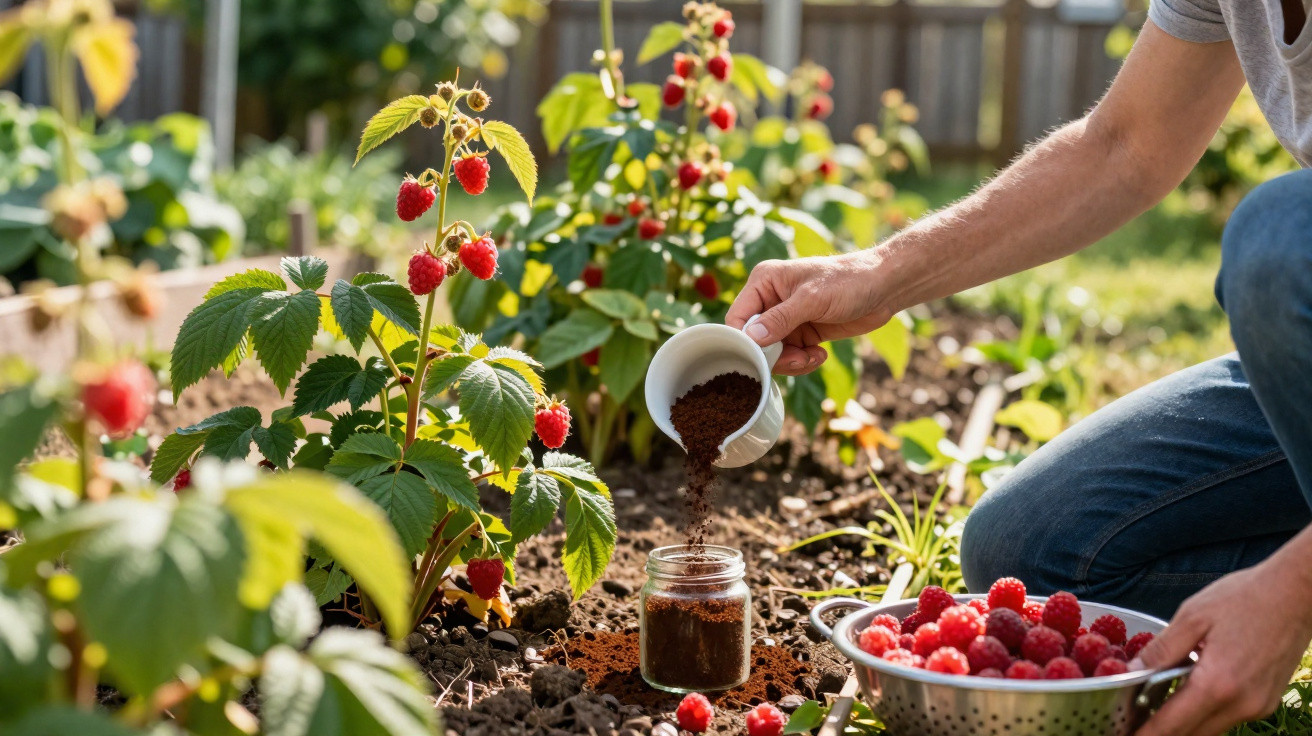
Many amateur gardeners give away part of their harvest every year - simply because they don’t know an amazingly simple cup method for their raspberry bush.
Anyone who has picked their own raspberries from the garden or a patio container knows it: nothing beats the flavour of berries taken straight from the cane. Yet all too often the canes stay sparse, the bowls end up half full, and the disappointment is real. With a straightforward trick using an ordinary cup and coffee grounds, savvy gardeners get their bushes into top condition in spring - and end up with noticeably more fruit.
Why raspberries often crop less than they should
Raspberries are considered easy-going, but they still need the right basics if they’re going to produce heavily. Plenty of plants get enough water and light, yet the soil isn’t quite right - and then the shoots stay thin and the berries remain small.
- Raspberries prefer slightly acidic soil
- the position should be airy, but not exposed to harsh draughts
- the soil needs to be loose and rich in humus
- regular feeding leads to more flowers and fruit
That’s exactly where this trick comes in: instead of buying pricey specialist fertiliser, practical gardeners use something many households produce every day anyway - coffee grounds. The cup simply helps you put the right amount in the right place.
"The cup method with coffee grounds works like a natural turbo for healthy, high-yield raspberry bushes."
The cup method: how the spring trick works
The best moment for the cup trick is in spring, as soon as the soil is no longer frozen and the first buds begin to show. At that point the bush is channelling its energy into fresh growth - ideal timing to give targeted support.
Step 1: Prepare the coffee grounds properly
Fresh grounds from a machine or a French press are still damp and can turn mouldy if you apply them in larger amounts straight onto the soil. A short drying period is the better option.
- After brewing, spread the coffee grounds out on a plate or baking tray.
- Leave them to air-dry for one to two days.
- Turn them now and then so nothing clumps together.
Once dried, the grounds still smell pleasantly of coffee, but they no longer form lumps and are easy to measure out.
Step 2: Measure with a cup
The cup acts as a simple, always-to-hand measuring tool. There’s no need to weigh anything - just adjust by the size of the bush.
| Size of raspberry bush | Amount of coffee grounds (cups) |
|---|---|
| young plant in a container | ¼–½ cup |
| medium-sized bush in a bed | 1 cup |
| strong, older bush | 1–2 cups, spread across several spots |
Important: don’t place the coffee grounds right against the main stem. Apply them as a loose ring around the plant instead, so the nutrients reach the fine roots more effectively.
Step 3: Work in and cover
To get the best effect, lightly incorporate the coffee grounds into the top layer of soil.
- Carefully loosen the soil around the bush with a hand hoe
- scatter the ring of coffee grounds measured by cup
- lightly rake it in so it mixes with the soil
- finish with a thin layer of mulch (leaves, grass clippings, bark mulch)
Mulch helps stop the soil drying out and ensures nutrients are released more slowly and evenly.
Why coffee grounds work so well for raspberries
Coffee grounds naturally contain several things raspberries respond well to. They provide plenty of nitrogen, a little potassium, and various trace elements. That combination supports multiple processes within the plant.
"Coffee grounds act like a gentle, long-lasting fertiliser that encourages growth without ‘burning’ the plant."
More leaf growth, stronger shoots
The nitrogen in coffee grounds promotes robust, deep-green foliage. A healthy canopy means more photosynthesis - and therefore more energy for flowers and fruit. Shoots become sturdier, bend less easily, and can carry more fruit weight.
A noticeable improvement in soil structure
Coffee grounds help loosen the soil and also feed soil life. Earthworms, bacteria and fungi break the material down gradually. The result is humus-rich, crumbly soil that holds water well while still draining excess moisture - exactly what raspberries like.
Unwanted visitors are kept at bay
Many home gardeners report that slugs, ants and certain other pests seem less keen on beds treated with coffee grounds. The slightly abrasive texture and specific compounds appear to discourage them. It doesn’t replace physical barriers, but it can significantly reduce the number of rodents and slimy invaders around raspberries.
Common application mistakes - and how to avoid them
As useful as the cup trick is, it still needs a bit of restraint. Too much coffee grounds in one go can compact the surface and form a crust.
- don’t overdo it: several smaller applications through the year are better than one thick heap in spring
- never apply soaking wet: always let it dry a little first
- don’t put it directly against young, tender shoots: keep a small gap
- mix with other material: add it to compost or combine with mulch, rather than laying it on in thick layers
Stick to these points and you greatly reduce the risk of mould, lack of oxygen in the topsoil, and unwanted pH shifts.
Coffee grounds compared with conventional fertiliser
Garden centres are full of specialist feeds for soft fruit. Many contain similar nutrients to coffee grounds, just in more concentrated form. The advantage of coffee grounds is that they’re free, you produce them anyway, and they’re gentler.
"For a typical home garden, using coffee grounds regularly is often entirely enough to produce healthy, high-yield raspberries."
If you have very nutrient-poor sandy soil or badly depleted ground, you can pair the cup method with a small amount of organic berry fertiliser. The plants then benefit from a broader nutrient base.
More practical tips for a generous raspberry harvest
The cup technique alone won’t create record yields. It performs best when you combine it with a few essential care steps.
Prune and tie in correctly
Remove old canes that have finished fruiting, and keep the new, strong shoots. That lets more light reach the young canes and reduces the chances of fungal disease. A simple support of posts and wire helps keep canes upright and improves air circulation.
Water enough - especially during flowering
Raspberries have shallow roots and are sensitive to drought. During flowering and fruit development in particular, they need even moisture. A mulch layer, together with incorporated coffee grounds, helps the soil hold onto water for longer.
How often to fill the cup: a rhythm that works
A straightforward routine has proven itself in many gardens:
- first cup: early spring, as soon as the buds begin to swell
- second application: shortly before flowering
- third, smaller application: after the main harvest to strengthen the plant for the next season
If you drink coffee daily, you’ll have enough material not only for raspberries but also for other plants that prefer slightly acidic soil - such as blueberries, hydrangeas or roses.
Useful facts for anyone new to gardening with coffee grounds
Many people still throw coffee grounds straight in the bin because they see them as waste. In the garden, they gradually become a valuable soil improver. If you have a compost heap, you can add coffee grounds regularly in thin layers. Compost microorganisms help turn the brown mass into fertile soil.
Another point worth knowing: most of coffee’s acidity ends up in the drink, not the grounds. Dried coffee grounds therefore only acidify the soil slightly and don’t push the pH down too far - one reason they suit raspberries so well.
If you grow several bushes, it’s easy to observe what the cup method does: feed some plants with coffee grounds regularly and leave others without. After just one season you’ll usually see clear differences in vigour, leaf colour and yield. Small, easy-to-apply tricks like this can turn an average bed into a raspberry hot spot for the whole year.


Comments
No comments yet. Be the first to comment!
Leave a Comment