
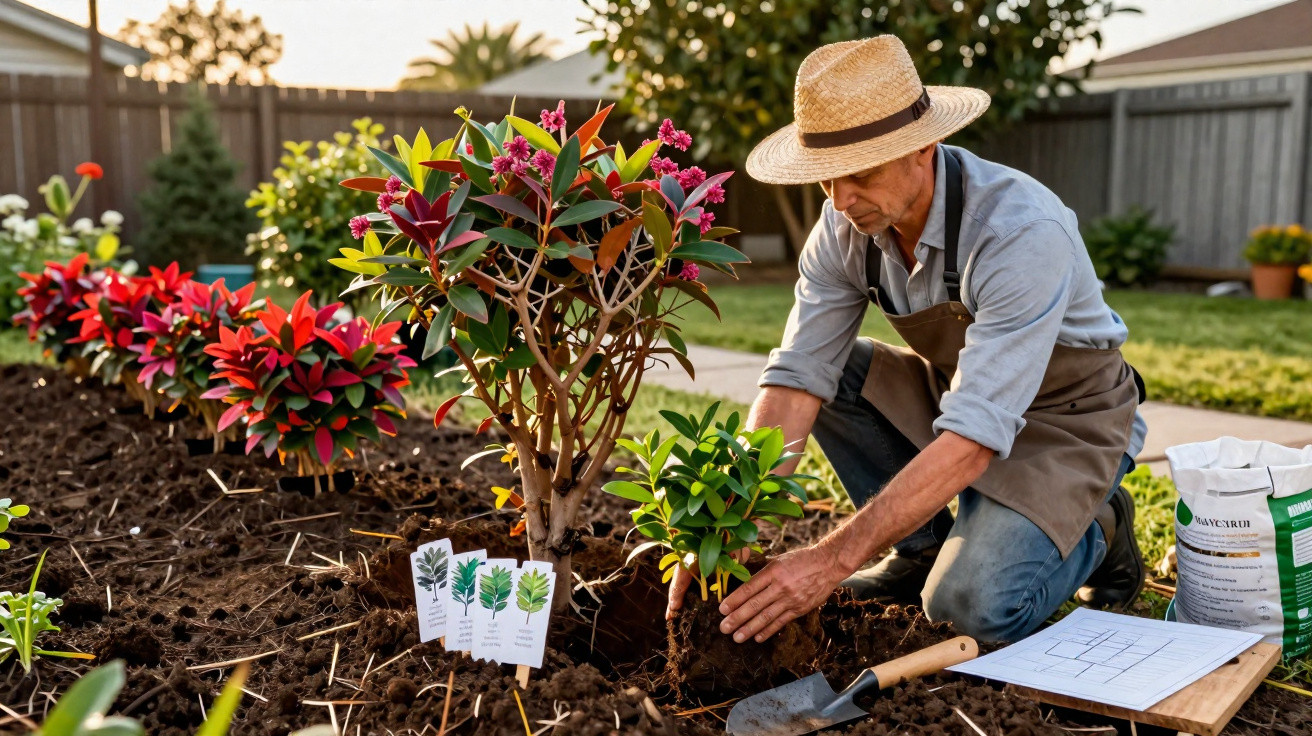
For years, evergreen Photinia has been one of the most commonly planted hedge shrubs in front gardens and along property boundaries. That picture is starting to change: spots, holes and steadily worsening leaf drop are cropping up more often, and entire rows of hedging suddenly look tired and depleted. Garden experts are now turning their attention to a colourful, surprisingly low-fuss shrub that can take over from this problem plant – and, from spring 2026 onwards, could help many gardens make a fresh start.
Why Photinia hedges are failing more often
Photinia built its reputation on speed and impact: rapid growth, bright red new shoots, and a dense screen in a short time. That combination made it especially popular in new-build areas and with gardeners keen on quick results. Increasingly, however, the drawbacks of planting it everywhere are becoming clear.
Typical symptoms being reported more and more include:
- Leaves showing red, brown or black spots
- Branches turning bare and noticeable gaps opening up in the hedge
- An overall “thinned out”, uneven look
The main culprit is a fungal disease known among gardeners as Entomosporium leaf spot. It thrives in mild, damp conditions – exactly the kind of winters and springs that Central Europe has been experiencing more frequently in recent years.
"The combination of climate change, dense planting and poor hygiene has turned what was once a robust Photinia into a problem plant in many places."
Planting too tightly makes matters worse, creating a humid, greenhouse-like environment: after rain, foliage barely dries, and fungal spores spread easily. Fallen, infected leaves are often left beneath the hedge, where they act as a persistent reservoir for fresh infections. If the same shrub is replanted without improving the soil, the cycle simply starts again.
Pittosporum: the overlooked successor with a splash of colour
This is where a shrub comes into view that is still not widely known in the UK: Pittosporum. Long established in warmer regions, it is increasingly proving to be an ideal response to Photinia’s growing list of issues.
How this new shrub makes day-to-day gardening easier
Pittosporum holds its leaves all year round and, depending on the variety, offers a range of foliage colours: from deep green to cream-and-green variegation through to grey-green, almost silvery tones. That means it delivers on two fronts at once: reliable privacy and a decorative lift.
From a practical standpoint, it also stands out for its moderate growth. The hedge thickens year by year without shooting out of shape within a few seasons. In real terms, that means:
- One round of shaping each year is usually enough
- For a very precise, “architectural” finish, two cuts may be preferable
- Less pressure if you miss the ideal moment to get the shears out
Compared with a struggling Photinia, Pittosporum is regarded as far less troublesome when it comes to leaf diseases. It generally doesn’t demand constant monitoring or complicated treatments.
"If you don’t want your hedge to become a full-time hobby, Pittosporum is a dependable partner that asks for surprisingly little effort."
Why a mixed hedge is the smarter long-term choice
Many experts now advise moving away from monocultures – whether that means cherry laurel, thuja or Photinia. A hedge made up of several shrub species not only looks more natural and interesting; it also copes much better with disease pressure and weather extremes.
A so-called mixed hedge has several advantages:
- If one species starts to struggle, the others visually fill the gap
- Flowering times and colours are spread across the year
- Birds, insects and other beneficial wildlife find more food and cover
Proven companions for Pittosporum include, for example:
| Shrub | Strength | Standout effect |
|---|---|---|
| Pittosporum | evergreen, holds its shape well | coloured or glossy foliage |
| Oleaster (Elaeagnus) | very tough, wind-resistant | silvery sheen to the leaves, a more rugged character |
| Cornus (red-stem dogwood) | hard-wearing | red shoots in winter, a fresh focal point in bare months |
| Hazel | native, valuable for wildlife | food for squirrels and birds, a natural look |
Step by step: how to replace an old hedge successfully
Preparing the soil
Before new plants go in, the site needs a kind of “reset”. If you cut corners here, you carry old problems forward.
- Remove diseased shrubs completely, including as many roots as possible.
- Do not compost infected prunings; dispose of them via residual waste or at a local tip.
- Loosen the soil deeply and remove thick roots and leaf debris.
- Work in roughly one 10-litre bucket of well-rotted compost per planting hole.
- In heavy, wet ground, add sand or a layer of gravel to improve drainage.
The effort pays off: soil that is open and enriched with humus helps young roots establish faster and reduces stress during the first few years.
Planning spacing and the mix
To stop Pittosporum and any companion shrubs falling into another disease trap, spacing is crucial. Air needs to move through the hedge.
- Plant Pittosporum at 80 to 100 cm intervals.
- For a 10 m hedge, allow for around 10 to 12 plants.
- For mixed hedges, combine, for example, six Pittosporum, two oleasters, and two Cornus plants.
- Cover the root zones straight after planting with a 5 cm layer of mulch.
- In windy positions, support each young shrub with a stake for the first year.
"If you plan your hedge from the outset with more space and better airflow, you’ll have to deal with fungal diseases and plant stress reactions far less often."
How little maintenance the new hedge really needs
Once the restart is complete, one of Pittosporum’s biggest strengths becomes clear: it is straightforward to look after. After it has established, it demands much less attention than many other classic screening hedges.
Key points through the year:
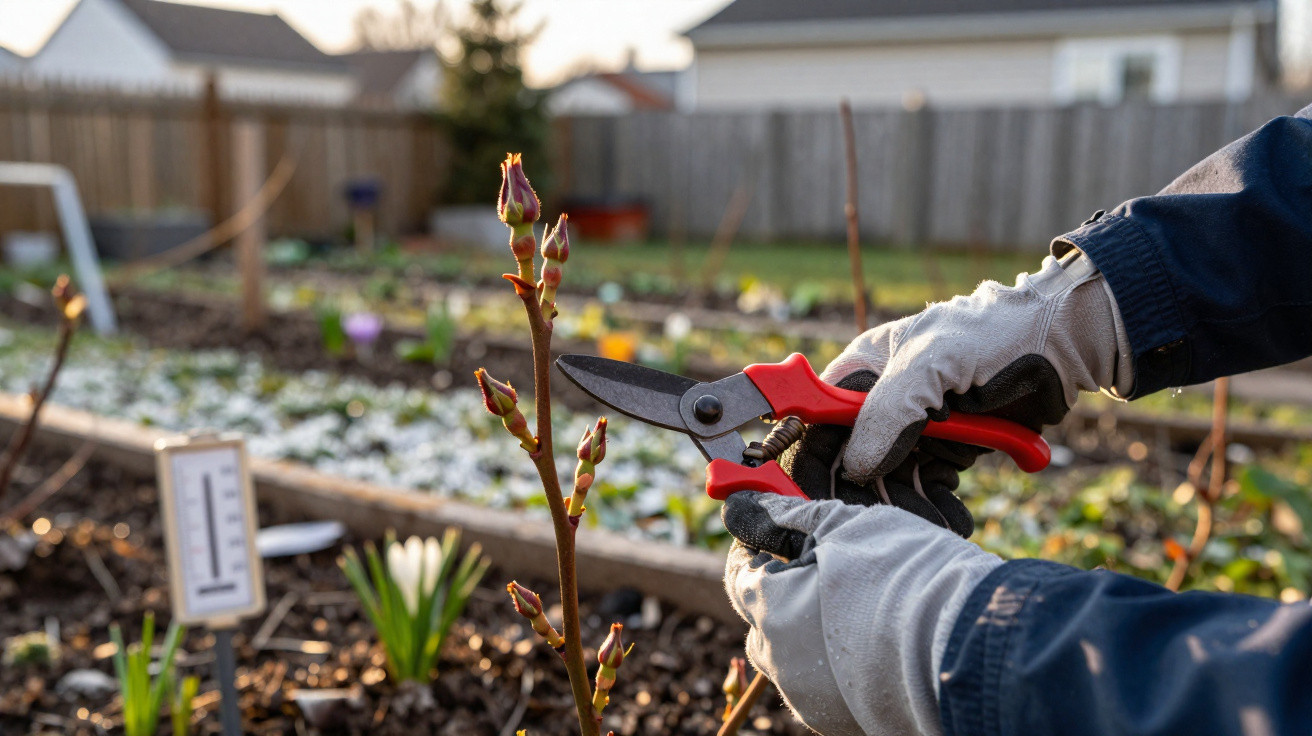
- Pruning: One shaping cut per year is sufficient, ideally in late spring or late summer.
- Watering: During the first 12 months, water regularly – about 10 litres per plant once or twice a week in dry spells. After that, only during extended drought.
- Feeding: Apply a light, balanced general fertiliser in spring, roughly 50 g per metre of hedge.
- Mulch upkeep: Renew the mulch layer every two years to support soil life and stabilise moisture levels.
Common mistakes – and how to avoid them
Many familiar hedge problems aren’t caused by the plant itself, but by repeated planning errors. Knowing them in advance saves trouble later.
- Reusing unwashed tools after a fungal outbreak – they can spread spores.
- Planting new shrubs too close together “so it screens faster” – in the long run, that encourages disease.
- Leaving fallen leaves in place permanently – an ideal overwintering spot for pathogens.
- Skipping variety entirely – then one disease can wipe out the whole screen.
What to consider when choosing the right variety
Pittosporum comes in several height and colour forms. Compact varieties are well suited to smaller urban gardens and rarely grow beyond 2 m. On larger plots, a more vigorous form can be a better fit, as it becomes private with fewer plants.
Before buying, it helps to ask:
- How tall can the hedge realistically be (neighbour rules, planning conditions)?
- Should the overall look be crisp and modern, or more relaxed and natural?
- How much time is genuinely available each year for pruning?
If you also assess your own soil in broad terms – more sandy or more clay-based, prone to waterlogging or quick to dry out – you can ask a specialist nursery for suitable varieties and companion shrubs.
Long-term perspective: rethinking hedges
Photinia’s problems are a warning sign: monocultures, tight spacing and single “trend” plants are increasingly hitting their limits in a changing climate. Switching now can make the next few years far less stressful.
A deliberately planned mix, with Pittosporum as the backbone, robust companion shrubs and sensible planting distances, does more than add visual variety. It also strengthens the garden’s small ecosystem, reduces vulnerability to fungal outbreaks and weather extremes, and ultimately saves time, energy and money.



Comments
No comments yet. Be the first to comment!
Leave a Comment