
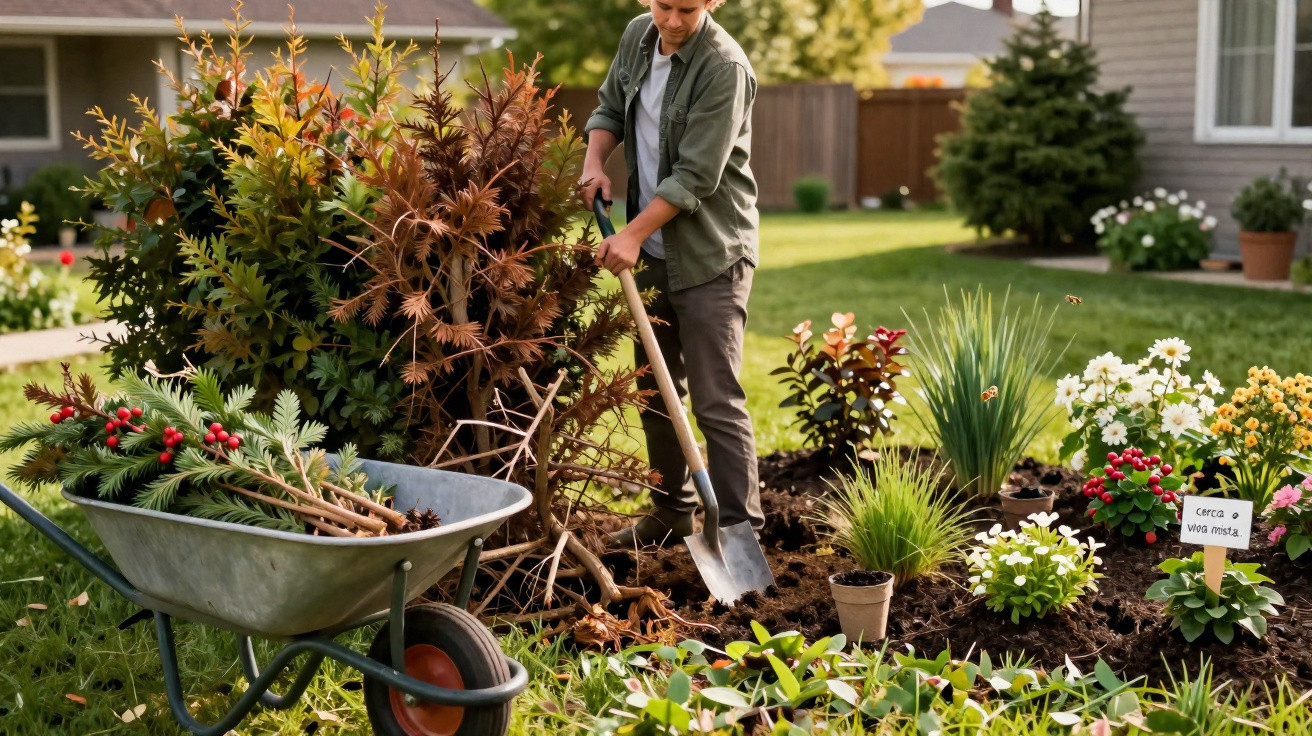
Those dense, dark Thuja hedges that framed so many gardens in the 1980s are now declining in large numbers. With summers becoming warmer and drier, and pests taking advantage, agronomists and landscape designers argue that the once‑popular “instant privacy” hedge has quietly become an ecological misstep-one that is now showing up along fences and boundaries.
The rise and fall of the 1980s thuja wall
For years, Thuja (often marketed as “cedar” or a “conifer hedge”) was positioned as the simple solution for almost any garden edge. It grew quickly, stayed evergreen, offered privacy in every season, and could be clipped into a neat, uniform line. For developers and householders wanting low‑effort screening around new estates, it seemed to meet every requirement.
The difficulty is that, in practice, Thuja suited a climate we no longer have. Its roots tend to sit near the surface, which helped young plants establish rapidly when soils stayed reasonably moist. During today’s extended dry periods, that shallow rooting becomes a weakness. It cannot tap deeper water stores, so the hedge remains under pressure even if sprinklers are run every evening.
Studies shared by European agencies show Thuja hedges can use up to 60% more water than mixed hedges of local species.
That higher demand becomes a real problem as hosepipe bans become more common and aquifers drop. A long Thuja line can steadily pull moisture from the topsoil, leaving surrounding lawns and borders looking weary and the ground more prone to compaction.
A green wall that’s almost empty of life
Water use is only part of the issue. Ecologists increasingly view Thuja as a marker of a particular period in garden fashion: an enthusiasm for tidy monoculture. Identical hedges, gravel, a square of lawn, perhaps a swing-practical, but largely quiet. Small birds may rest on the hedge, yet the thick, resinous growth provides few openings for nesting. Many insects, meanwhile, find little pollen or nectar.
Set beside a mixed hedge of native shrubs, a Thuja wall supports fewer species of birds, insects and small mammals. For councils aiming to increase biodiversity and cut urban heat, that shortfall is significant.
More local planning rules in Europe now limit or discourage large conifer hedges, nudging homeowners towards “living” hedges of diverse shrubs instead.
Some municipalities have gone a step further by providing grants that help residents remove ageing conifer hedges and replace them with mixed, wildlife‑supporting alternatives.
Heat stress, drought and the thuja borer beetle
When a Thuja hedge starts to fail, it often begins with what looks like a minor blemish. A patch of about a square metre turns dull, then scorched brown. Over the next season or two, that damage can creep along the hedge line like a slow‑moving fire.
Dry conditions are typically the first catalyst. As soil moisture falls, stressed Thujas emit volatile compounds that effectively signal to a small but highly destructive insect: the Thuja borer, a type of metallic wood‑boring beetle.
Adult beetles lay their eggs on weakened plants. The larvae then burrow beneath the bark, severing the channels that carry sap. From the outside, the hedge appears to be drying out even when it is being watered. In reality, its internal plumbing has been torn apart.
Once larvae are inside the wood, there is no realistic treatment for a garden hedge. Forestry notes class seriously attacked Thujas as effectively doomed.
As sections die back, the branches quickly become fragile. Wind snaps them, and openings appear where the hedge was once solid. Those same declining plants can also serve as a breeding base for beetles, allowing them to spread to nearby conifers, including some cypress species.
How to know when your thuja hedge is beyond saving
Garden professionals highlight several clear indicators that a Thuja hedge has moved beyond recovery and is not merely “having a bad year”.
- Brown patches expanding from the inner hedge out towards the tips
- Twigs that remain coated in brown scales rather than shedding them cleanly
- Noticeable galleries or channels when a small section of bark is lifted
- No fresh green shoots appearing from older, woody growth
The final sign is crucial. Thuja does not regenerate from old wood. Once you cut back into brown material, it stays brown. This is why efforts to “rejuvenate” a hedge by cutting hard so often lead to frustration and permanent gaps.
Wildlife agencies also advise paying close attention to timing. Heavy pruning or full removal between mid‑March and late July can wipe out nests during the main garden‑bird breeding season. Even a hedge in steep decline may still provide cover for blackbirds, robins or wrens.
Why experts now recommend ripping them out
With drought pressure, pest risk and changing rules all converging, many agronomists are now recommending a clean break from Thuja. Persisting with a declining hedge can bring:
- Continual watering, with steadily weaker outcomes
- An ongoing pest threat to neighbouring gardens
- Increasing costs for trimming, shaping and occasional replacement of dead lengths
- Little to no improvement in shade or biodiversity
By comparison, removing the hedge entirely and replanting with a varied mix of shrubs can help the soil recover, cut irrigation needs and lift a property’s appeal through a more attractive, durable garden boundary.
What to plant instead of thuja
Landscape designers now speak far more about “mixed hedges” and “country-style hedges” than single‑species green walls. The principle is straightforward: use several plants-different heights, leaf forms and flowering times-to create a living screen rather than a static fence.
| Type of plant | Examples | Main benefits |
|---|---|---|
| Flowering shrubs | Viburnum tinus, photinia, dogwood | Colour, winter structure, nectar for insects |
| Native hedgerow species | Hawthorn, hazel, hornbeam, privet | Food and shelter for birds, strong roots, local adaptation |
| Grasses and perennials | Miscanthus, ornamental grasses, hardy perennials | Movement, drought tolerance, low maintenance |
A thoughtfully planned mixed hedge can also cast shade over the soil, limiting evaporation. Field tests indicate that these plantings can retain up to around 30% more moisture in the ground during heatwaves than a tightly clipped conifer wall.
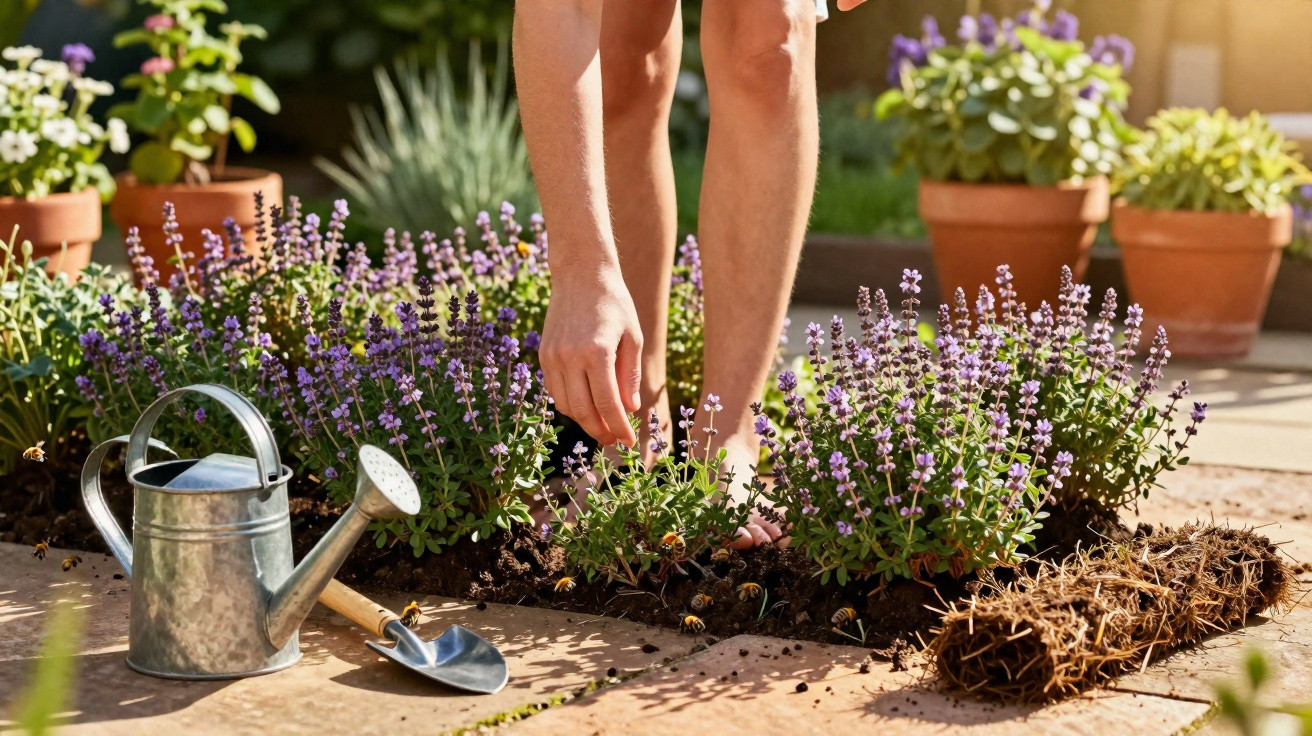
Replacing Thuja with a layered hedge turns a thirsty, static barrier into a cooler, living corridor for wildlife.
How to remove a thuja hedge without wrecking the garden
Taking out a mature conifer hedge is not a minor task. The roots create a dense layer just below the surface and are often tangled with fencing or buried cables.
Contractors commonly suggest reducing the hedge to stumps first, then grinding the stumps out or excavating them. After the wood is removed, the soil along the former hedge line usually needs both time and careful restoration.
Two practical steps can speed recovery:
- Break up compacted ground using a fork or a mechanical aerator
- Work in generous quantities of compost or well‑rotted manure
This helps rebuild soil structure and returns organic matter after years of intense root competition. Some gardeners leave the area for a season and sow a temporary wildflower strip or green‑manure crop before replanting, allowing the soil to recover.
Planning a new hedge: a quick scenario
Picture a 20‑metre Thuja hedge at the back of a suburban garden. The homeowner still wants privacy, but with less watering and more wildlife. A current replacement scheme might combine:
- Hawthorn and hazel to create dense, thorny structure
- Two or three photinias for height and winter colour
- Viburnum tinus for evergreen cover and late‑winter flowers
- Clumps of miscanthus grass spaced along the line for movement and drought tolerance
Planted as a staggered double row, a hedge like this typically thickens up within three to five years. It will not read as a perfectly uniform wall, but it can obscure views, soften noise and provide far better support for birds and pollinators than the original conifer strip.
Key terms gardeners are hearing more often
As Thuja drops out of favour, a handful of technical phrases are appearing more regularly in garden guidance.
“Water stress” refers to a plant being unable to access enough water to meet its needs, even when the soil is not completely dry. Shallow‑rooting species such as Thuja can reach this point quickly during heatwaves.
“Mixed hedge” or “country hedge” means a boundary planted with multiple species-some evergreen, some deciduous-often including local shrubs that support wildlife. The aim is resilience. If one plant is hit by a new pest or disease, the entire hedge is less likely to fail in one go.
For homeowners still facing a thinning conifer wall, specialists are increasingly direct: the Thuja era is fading. These dark, thirsty hedges are no longer the safe, neutral option they once appeared to be, and converting them into varied, living borders may be among the most effective garden changes in a warming climate.


Comments
No comments yet. Be the first to comment!
Leave a Comment