
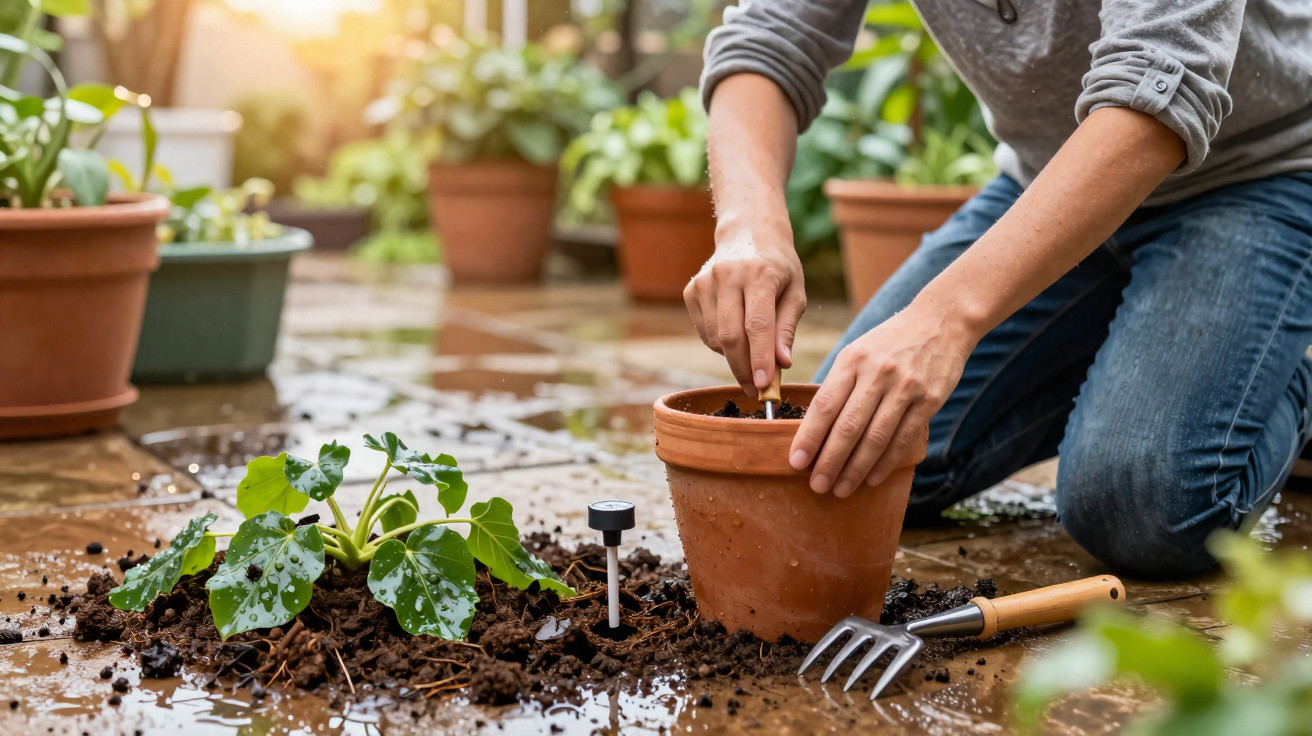
After weeks of grey, dry weather, the rain has finally arrived. Perhaps you watched it through the window or from the porch, with that faintly guilty sense of relief: “Good, I won’t have to water the garden today.” By morning, the soil is dark and gleaming, droplets still cling to the pots, and the air smells of fresh earth and damp leaves. Coffee in hand, you head outside expecting your plants to look revived, fuller and glowing after their shower.
Instead, some look… weary. Their leaves are hanging down. Fresh growth is limp. The tomato plant you have been nurturing has taken on an odd yellow cast that was not there the day before. Rain should have been a gift, not a problem.
You shift a pot with your foot and notice its weight. It is drenched. Completely saturated. Then a quiet warning comes to mind: perhaps the real issue is not water, but too little air.
When “good” rain quietly suffocates your plants
A downpour can seem like nothing but good news. It saves you a watering job, tops up the water butts and finally washes dust from the leaves. The garden appears clean, fresh and restored. Yet plants do not simply take in water from above; below ground, their roots also need to breathe.
When water fills every pore in the soil, the roots are left sitting in a bath with virtually no new oxygen. They may cope for a short time, but eventually they begin to struggle. Wilting, yellow leaves and unusual patches start to appear. Cruelly, the symptoms can look remarkably like drought.
Imagine a line of potted herbs on a balcony following a summer storm. The basil has slumped, mint is blackening around the base, and the rosemary suddenly seems deeply displeased with life. Touch the compost and it is cold, tacky and sticks to your fingers like clay.
A friend of mine lost half of her houseplant collection after a week of almost unbroken rain. She had moved every plant onto an uncovered balcony “so they could enjoy it.” A week later, the peace lily was collapsing, brown marks were spreading up the fiddle-leaf fig’s foliage, and the calathea lay flat like an exhausted paper fan. The plants were not being ungrateful: their roots had been deprived of oxygen.
Below the surface, healthy soil contains countless small spaces between particles. Roots extend into these pockets, taking in oxygen and giving off carbon dioxide, much as our lungs do. During heavy or persistent rainfall, water pours into those spaces and can fill them entirely.
Loose, well-structured soil can drain over time. But in compacted beds or pots with inadequate drainage, water remains trapped: heavy, motionless and airless. Roots effectively “drown”, their cell walls begin to fail, and opportunistic fungi move in. This is how root rot starts-the slow disaster that can begin with a single seemingly harmless storm.
Helping plants and roots breathe after a soaking storm
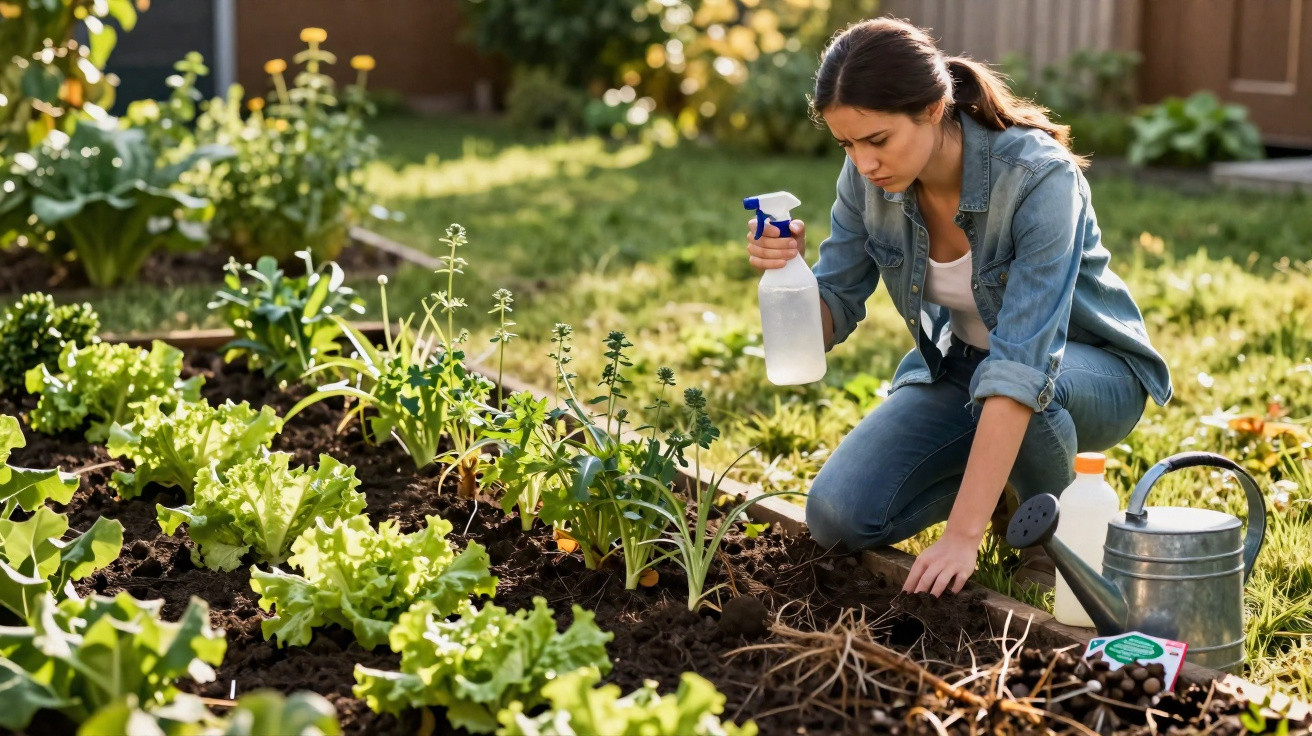
Following a heavy downpour, the first task is not to panic. Take a calm walk around the garden or balcony once the rain has stopped, and lightly press the soil beside each plant. Soil that feels like wet sponge cake is generally fine. If it is dense, sticky mud, however, the roots beneath are likely gasping for air.
With container plants, tip the pot slightly. Water still running from its drainage holes long after the rain is a warning. Run your fingers down the inner edge of the container to judge just how saturated the compost is. That simple check can reveal more than any moisture meter.
Many gardeners make the quiet mistake of trying to solve the issue immediately. We have all had that moment: a plant droops, so we reach straight for the watering can. After rain, that reflex can cause genuine harm. In many cases, the plant needs oxygen rather than additional water.
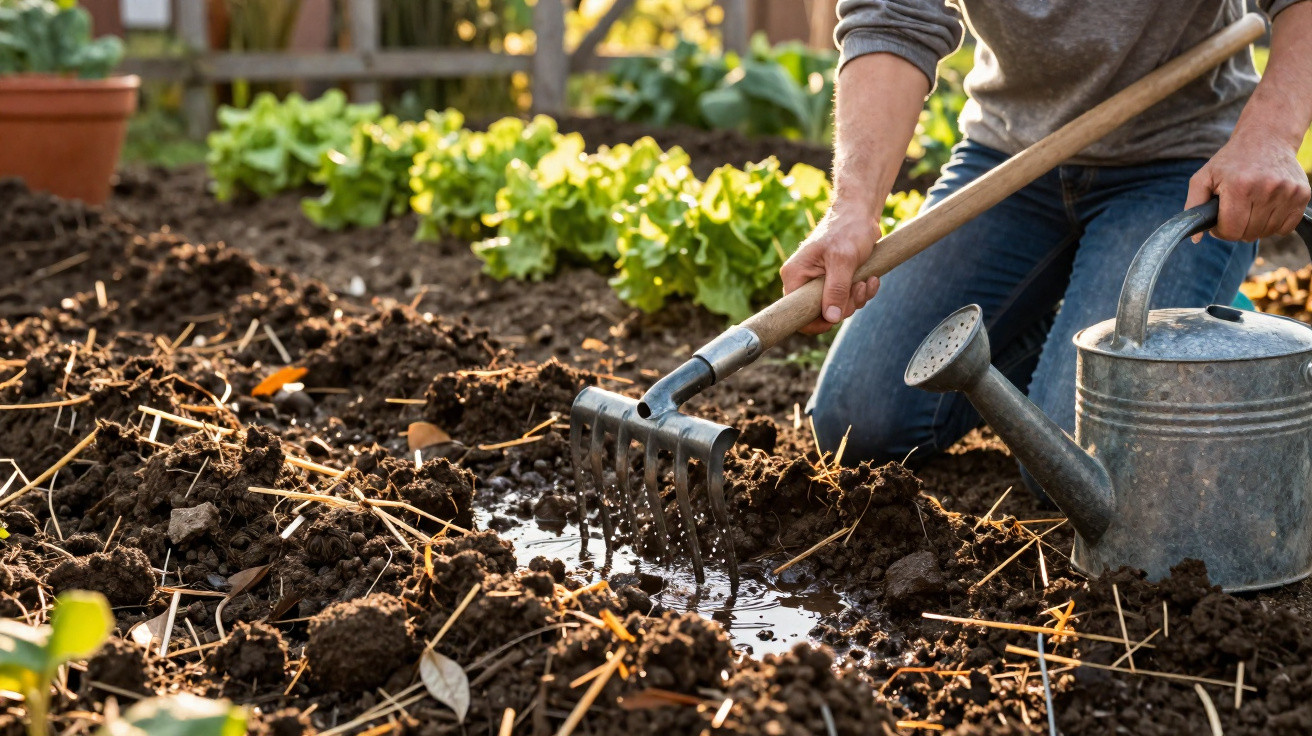
Raise movable pots on pot feet, wooden slats or a pair of bricks so surplus moisture can drain away. Around plants growing outdoors, carefully rake or fork the upper 2–3 cm of soil to break up the surface crust and allow it to breathe. Be gentle-think of mixing cocoa powder into milk, rather than ploughing a field.
When the ground is genuinely waterlogged and plants are clearly unhappy, treat the situation as a recovery job rather than a lost cause. For containers, ease the plant from its pot and inspect the roots. White or cream-coloured roots are alive and still trying. Brown, soft roots are suffocating and breaking down. Cut away the dead sections with clean scissors, repot into a fresher, airier mix, and keep it a little drier while it recovers.
“Most people think rain kills plants by ‘overwatering’,” says a horticulturist friend of mine. “What really gets them is a silent shortage of oxygen around the roots.”
- Inspect drainage holes and clear any blockages after major storms.
- Break up compacted soil at the surface using a small fork or chopstick.
- Put vulnerable pots under cover when rain is forecast for several days.
- Choose coarse, airy potting mixes for houseplants rather than dense garden soil.
- Do not water again until the soil has visibly begun to dry out.
Reading the hidden weather beneath the soil
After seeing plants struggle in the rain, you begin to spot the subtle warnings sooner. A strangely pale young leaf. A pot that feels like a brick rather than a loaf of bread. A bed that continues to shine for hours after a shower while surrounding soil dulls and breathes again. Each is a clue to what is happening where you cannot see it.
In truth, nobody checks these things every day. We are busy, we forget, and we assume the clouds will handle the job. But gardeners whose plants become resilient and healthy-looking are not always those with the greatest amount of time or money. They are the people who have learned to recognise the unseen balance between water and air.
| Key point | Detail | Value for the reader |
|---|---|---|
| Look out for stress after rain | Wilting, yellowing or spots immediately after storms often indicate oxygen deprivation rather than thirst | Prevents misdiagnosis and avoids worsening the problem with extra watering |
| Inspect soil and drainage | Check the texture, tip pots, clear drainage holes and gently aerate the surface layer | Quick, straightforward checks that help prevent root rot and lost plants |
| Improve conditions for the long term | Use airy mixes, pot feet, raised beds and protection for sensitive plants during prolonged rain | Creates a garden that handles extreme weather more effectively without continual rescue |
FAQ:
Why do my plants droop right after heavy rain?
Often, water has filled every tiny air space in the soil, temporarily depriving the roots of oxygen. Unable to breathe below ground, the plant responds by wilting or turning yellow.How long can roots tolerate waterlogged soil?
It varies according to the plant and the temperature, but many garden plants begin to suffer after 24–48 hours in completely saturated soil. Warm weather accelerates both damage and root rot.Should I add sand to clay soil to improve drainage?
Not by itself. Combining sand and clay can create something close to brick. Instead, incorporate compost, leaf mould or well-rotted manure to improve the structure, drainage and aeration.Can houseplants get oxygen-deprived indoors after rain?
Yes. This can happen when they are put outside to “enjoy the rain” and their pots remain soaked. Dense potting compost in containers with small or blocked drainage holes is particularly risky.Is it better to cover plants before big storms?
There is no need to cover everything. Focus on pots and plants known to dislike soggy roots-such as succulents, many Mediterranean herbs and some houseplants-and move or protect them during rain lasting several days.

Comments
No comments yet. Be the first to comment!
Leave a Comment