
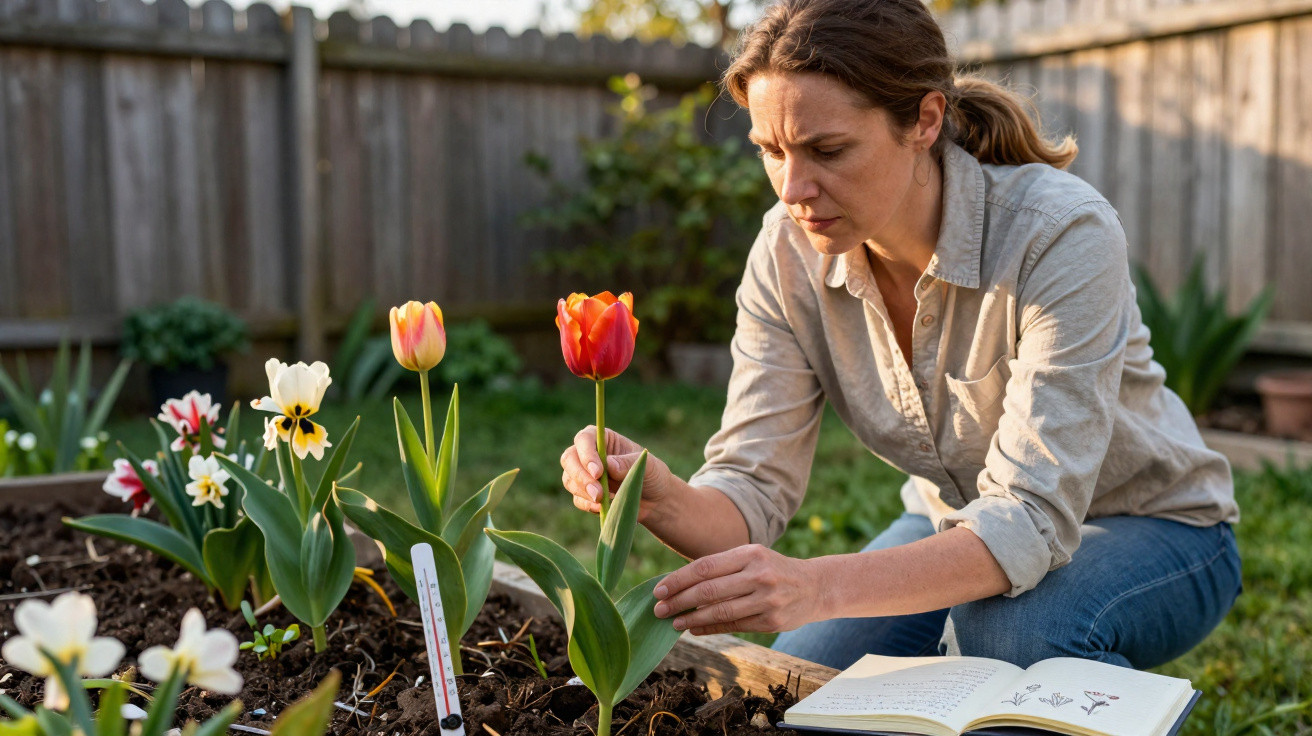
The first thing that reaches you is the scent: that gentle, powdery fragrance of spring which normally arrives towards the end of April. Yet there it is in mid-March, drifting through a partly open kitchen window while you are still wearing winter socks. Tulips have opened already; peonies race from bud to full bloom in what seems like only days; and the lilac you once anticipated like a holiday has finished before you can take a decent photograph.
Naturally, you are pleased. Flowers bring light, warmth and an end to grey mornings.
Still, something does not feel right.
The calendar is telling one story, while the garden tells another. Blooms that were once abundant and long-lasting now seem to live quickly and disappear just as fast.
The hidden stress making flowers rush to bloom
Take a walk through almost any neighbourhood in late winter and it is easy to spot. Daffodils flower while Christmas lights are still fixed to the gutters. Magnolia trees unfurl their petals, only to shed them in untidy drifts after one hot wind. Seasons that once developed gradually now appear piled together, as if someone made an error in the timetable.
These flowers are not “thriving early.” They are responding.
The key pressure behind this rapid bloom-and-fade pattern is rarely poor soil or missed fertiliser. More often, it is heat stress linked to a warming climate, together with sudden temperature changes that disrupt plants’ internal timing.
This year, a gardener in northern France posted an online photograph of her cherry tree covered in frothy blossom - on 12 February. She wrote, “Last year, this tree bloomed in March. The year before, April. Each year, it’s earlier. And the flowers fall in a week.”
Long-term records from botanical gardens across Europe and North America show that many species now flower days, or even weeks, earlier than they did a few decades ago. This is not simply a matter of one or two unusual years; it is an established pattern.
At the same time, gardeners are reporting what you may have noticed yourself: flowers that appear almost “compressed in time.” The display begins earlier, reaches its height rapidly and then disappears.
Plants read temperature as a cue. They require winter cold followed by steady warming before they can safely emerge from dormancy. When an abrupt warm spell arrives in late winter, it sends the signal too early. The plant assumes, “Spring, go!” and opens its buds.
Then conditions change again. Dry wind, a hot sunny day or a return to cold nights adds further strain. Petals may scorch around the edges, wilt before fully opening or fall swiftly as the plant protects its deeper tissues.
We look at early flowers and think “lucky year.” In reality, the plant is operating in survival mode. It’s less about enthusiasm, more about self-defense in a climate that keeps changing the rules.
How to help stressed flowers last longer as seasons change
You cannot negotiate with the weather, but you can make practical adjustments around it. One of the most useful approaches is protecting plants from harsh temperature fluctuations, and mulch is particularly valuable for this.
In late autumn or early winter, apply a light, loose layer of organic mulch around shrubs and perennials. It helps keep the soil a little cooler during sudden warm spells, preventing roots from waking too soon. It also retains moisture if an unexpectedly hot, dry week arrives in March.
Consider it a gentle blanket telling your plants, “Not yet, stay asleep a bit longer.”
Another often-overlooked option is selecting varieties that tolerate stress more successfully. Late-flowering cultivars of tulips, daffodils and magnolias are more likely to avoid the earliest heatwaves and unexpected frosts. It can feel difficult for gardeners to replace old favourites, but changing a few species each year can make a garden more resilient.
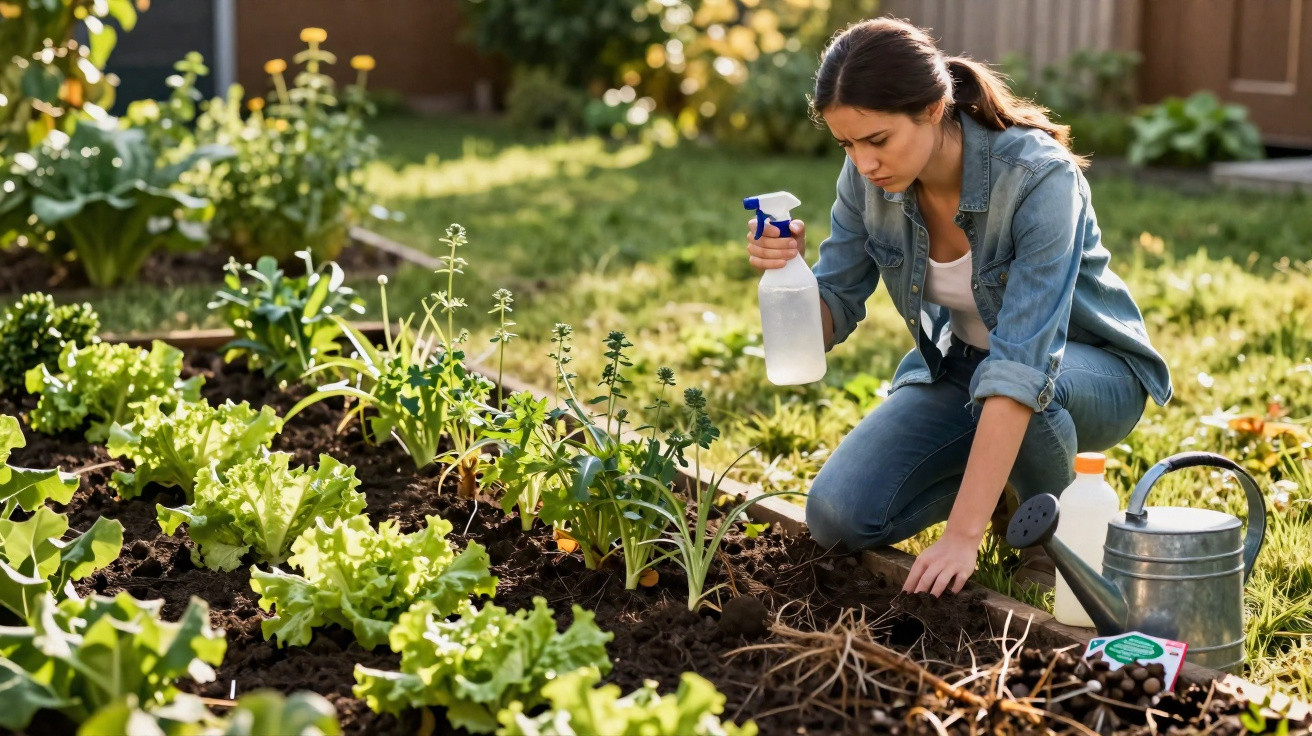
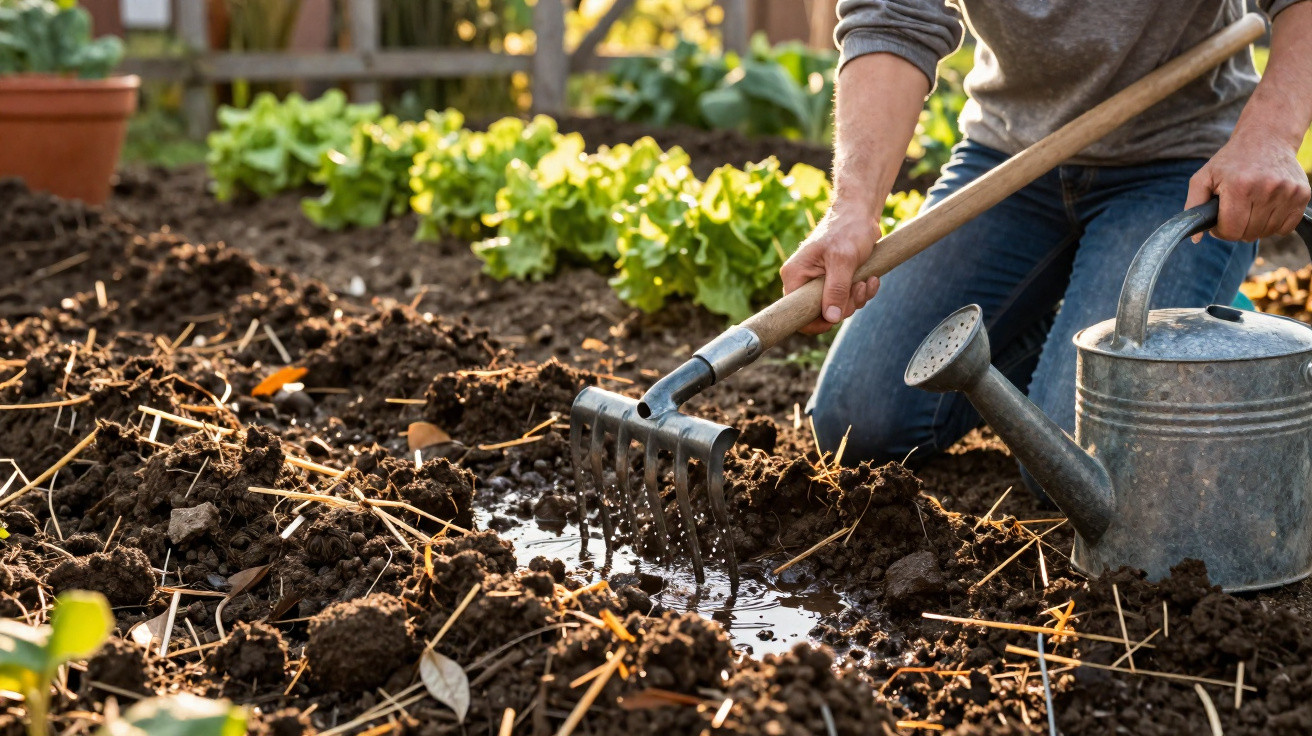
Watering practices are important as well. While buds are forming and temperatures swing between warmth and cold, light daily watering merely encourages roots close to the surface. Deep, less frequent watering supports stronger root systems that are better able to withstand sudden heat.
Let’s be honest: nobody really does this every single day. Even so, changing your watering routine once a week during those strange in-between months can help slow the “bloom fast, fade faster” pattern.
“People think their flowers are ‘misbehaving’ when they open too early,” says Léa Martin, a horticulturist who tracks flowering times in urban gardens. “The plants are reacting exactly as they’re programmed to under stress. Our job now is to cushion that stress wherever we can.”
Provide shade when it matters
During sudden hot periods, use lightweight shade cloth or move potted plants to a spot with morning sun and afternoon shade.Shield buds from late frost
After an early warm spell, gently cover small trees and shrubs with fabric - not plastic - on nights when frost is forecast.Feed gradually rather than heavily
Choose slow-release, balanced fertilisers. Excessive feeding encourages soft, rapid growth that fails quickly in hot conditions.Monitor the soil, not only the forecast
If the top 3–4 cm of soil is dry while buds are developing, water deeply. Dry roots combined with sudden heat create the ideal conditions for short-lived flowers.Plant for succession rather than one peak
Combine very early, mid-season and late varieties so that your garden is not reliant on one vulnerable flowering period.
A garden that reveals the truth about climate and ourselves
When you stand before a rose that lasted for two weeks ten years ago but barely survives five days this year, the garden stops being merely “pretty.” It becomes a measuring instrument. Earlier flowering dates, quicker decline and buds scorched at their tips are quiet pieces of evidence, written in petals rather than ink.
That realisation can feel difficult. Yet it can also be unexpectedly empowering. Once heat stress becomes the missing part of the picture, small gardening actions no longer seem arbitrary. Selecting a later-flowering magnolia, watering deeply before an April heatwave is forecast, or leaving mulch in place rather than raking every area bare all become ways to work with reality instead of against it.
We’ve all been there: the moment you look at a fallen blossom and wonder, “Was that it?”
Perhaps the next step is simply to discuss it: with neighbours comparing flowering dates across the hedge; with children who notice that “spring comes sooner now”; and with friends who feel the same unease when their tulips burst open and vanish over a weekend. Your flowers are already telling a story. The question is how you choose to hear it, and how gently you help them make the most of their short, stressed seasons.
| Key point | Detail | Value for the reader |
|---|---|---|
| Heat stress and early warming | Mild winters and abrupt warm spells cause flowers to open earlier before they encounter severe conditions | Explains why blooms arrive earlier each year yet fade rapidly |
| Protective gardening practices | Mulch, deep watering, light frost protection and carefully placed shade soften temperature shocks | Provides practical ways to prolong flowering and lessen stress on plants |
| Choosing resilient varieties | Late-flowering and more tolerant cultivars are better suited to changing seasons and extremes | Supports smarter plant choices for a longer, more dependable flowering period |
FAQ:
- Why are my flowers blooming earlier every year? They are reacting to higher average temperatures and earlier warm spells, which tell the plant that it is “spring” even when the calendar still says winter.
- Why do early blooms seem to fade so fast? Flowers that open early often face heat, dry wind or late frost soon afterwards. Each of these shortens petal life and leads to a rapid loss of blossoms.
- Can I stop my flowers from blooming too early? You cannot fully control flowering time, but you can slow the process with soil-covering mulch, later-flowering varieties and by avoiding excessive feeding that promotes fast growth.
- Is my plant sick if its flowers don’t last? Not necessarily. Brief flowering can indicate environmental stress rather than disease, particularly if the stems and leaves still appear healthy.
- What’s the single most useful thing I can do for longer-lasting blooms? Prioritise deep, regular watering and protect roots with mulch during the unsettled weeks between winter and true spring; this is when plants experience the greatest stress.



Comments
No comments yet. Be the first to comment!
Leave a Comment