
It often starts without any drama at all: you’re out in the garden early, coffee warming your hands, the air carrying that damp-earth smell - and yet something feels off. You take a few steps onto the lawn and realise the ground doesn’t spring back. It’s hard, almost like a driveway. Yesterday’s puddles are still sat in exactly the same spots, as if water has been banned from soaking away. A couple of beds over, your perennials are struggling even though you water relentlessly. The leaves look washed-out, the roots are short, and the slugs, meanwhile, are thriving.
In moments like that, you sense the problem isn’t the plants or the fertiliser - it’s deeper down. Right in the ground beneath your feet, where garden life begins, and where it can sometimes literally get stuck.
How to genuinely recognise compacted garden soil
The quickest check starts with your feet. If the surface feels close to concrete and you barely sink in when you walk across it, take that as an early warning sign. Healthy soil has a little give; it feels springy and, in a way, alive.
Another clear clue is what happens after rain. If puddles sit on the lawn or on beds for days, water is usually hitting an unseen compacted layer. The top may look perfectly normal, but just a few centimetres down the air spaces and pores effectively stop.
Your plants will also tell you, in fairly plain terms, what’s going on: grass that only roots shallowly and turns brown at the first hint of dry weather; vegetables that shoot upwards but never develop sturdy stems; trees that form “dive roots” and then scrape along near the surface instead of heading down. And if you push a spade in and suddenly meet a tough, grey, smeary layer that only cuts with real effort - that’s compaction made visible.
Many people have seen a version of this: a terraced-house garden, about 120 square metres, once used as a builders’ storage area and now presented as a “low-maintenance lawn”. In spring the owner waters every day, yet the lawn still dries out in the same patches. When they try to dig a hole for an apple tree, the spade stops dead at 15 centimetres. The soil looks dull and lumpy and smells slightly musty. In a test hole there are hardly any earthworms, but plenty of tightly fused plates of soil - like clay bricks.
Areas like this often result from heavy construction machinery passing over the ground, or from years of running a ride-on mower along the same tracks. You see it in allotments too: paths that turn into little streams after every downpour, while the beds next to them still seem thirsty. An experienced gardener can often spot compacted patches at a glance - thin, gappy grass; islands of moss; heavy weed pressure; and those characteristic “concrete-lawn” colours somewhere between pale green and grey-brown.
So what’s actually happening? Compaction means soil particles have been pressed so tightly together that there are hardly any voids left. Air, water and roots can’t find routes through. In clay-rich soils this can behave like an invisible barrier. Rainwater backs up, roots start to rot, soil life declines, and microorganisms slip into a kind of emergency mode. The ground becomes anaerobic - low in oxygen - and biologically collapses.
A soil that smells like wet concrete is usually no longer a healthy soil.
On top of that, compaction can intensify both drought and waterlogging at the same time. It sounds contradictory, but it’s a common reality: water pools on the surface, yet underneath the roots remain dry because they can’t grow down into deeper moisture. The result is a loop of standing water, stress and weak root systems. And let’s be honest: hardly anyone digs into their beds every day to diagnose what’s happening underground - which is exactly why compacted layers often go unnoticed for years, until the garden simply “stops cooperating”.
What to do in practical terms if your soil is compacted
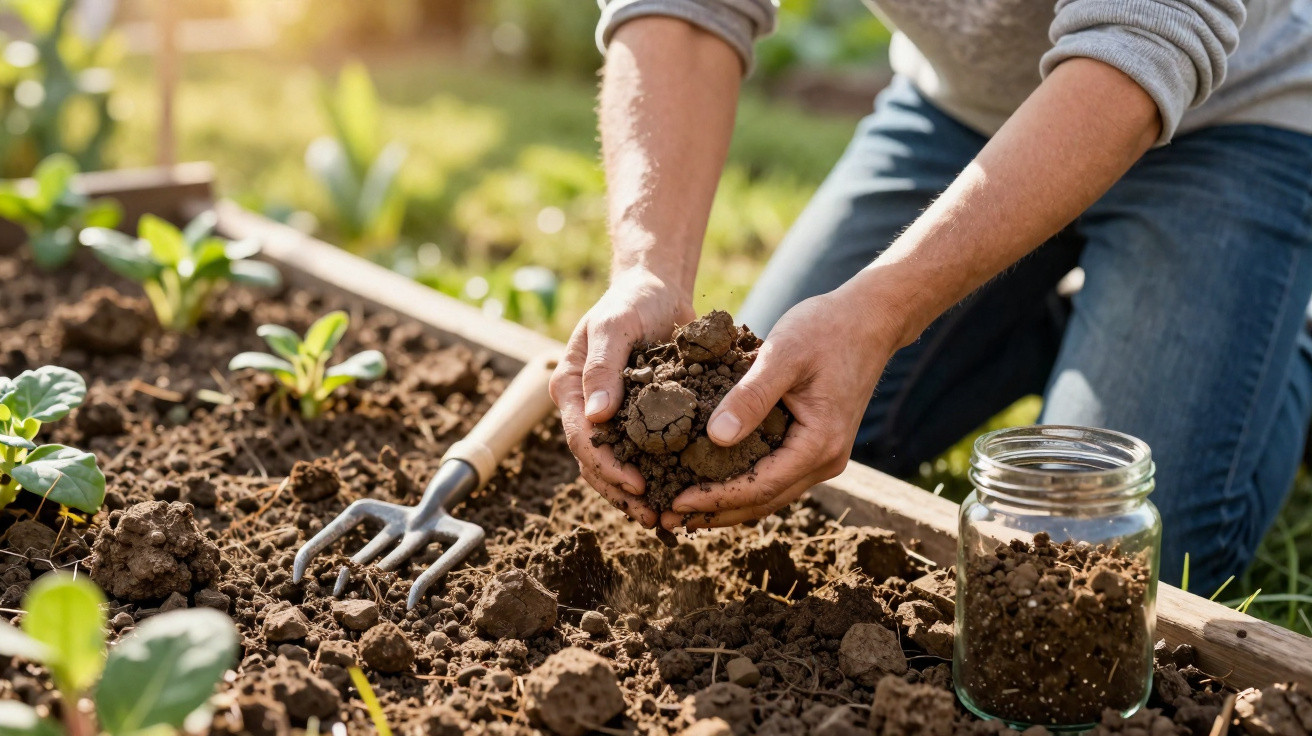
The first tool you need isn’t a machine - it’s a spade. Dig small inspection pits in several places, around 30–40 centimetres deep, and look closely at the layers, colour and smell. If you find grey, smeary horizons or extremely hard bands, that’s where to focus.
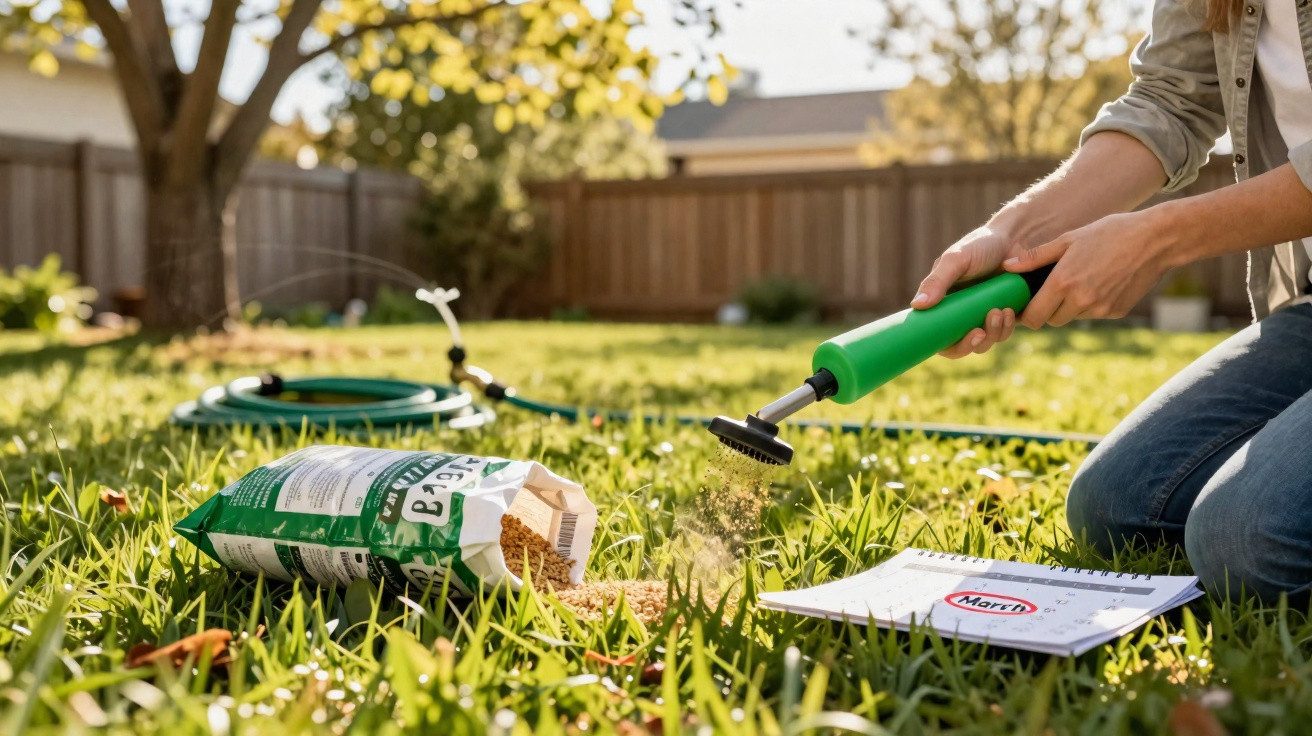
For lawns, an aerator (or a hollow-tine fork) can make a real difference: punch holes in a tight grid, then brush in sand and compost. You’re creating fresh pores and channels so air and water can move again.
In beds, the most reliable approach is a mix of gentle loosening and permanent cover. Deep cultivation with a broadfork or a digging fork - without fully turning the soil over - breaks compaction more softly than traditional spade-turning. Then comes the second half of the work: keep feeding the surface with organic material. Spread compost, leaves, chipped branches, and thin layers of grass clippings. That top layer feeds soil organisms, which gradually work their way down - like a living drilling crew.
A lot of keen gardeners want to fix everything in one go, and end up making matters worse. They drive heavy equipment over wet ground because “it’s time to finally get started”, and compress the soil even further. Or they scarify the lawn every year until there’s bare earth left.
One of the most common misunderstandings is the idea that compaction can be “milled out” over a weekend. It’s typically the product of years of pressure - and it takes time for the ground to recover.
Another frequent mistake is reaching for a full, spade-depth dig as a reflex. It can feel looser in the short term, but it often wrecks natural soil structure and mixes layers that are better left separate. It becomes even more problematic when large amounts of peat or mineral fertiliser are dumped onto an already exhausted soil. The ground may look temporarily “richer”, but structurally it remains broken. One frank point belongs here: let’s be honest, nobody enjoys patiently spreading mulch year after year and sieving compost - but that steady routine is what truly heals soil.
“Compacted soil is like a stressed person: you can’t heal it with even more pressure - you have to give it air, time and good food.”
- Loosen mechanically: Work with a digging fork, broadfork or aerator; never when the ground is wet; and tackle it in several sessions rather than one forceful attempt.
- Feed organically: Keep adding compost, leaves, mulch and root residues so earthworms and microorganisms rebuild structure from within.
- Reduce pressure: Avoid repeated wheel tracks, use stepping stones in beds, keep heavy machines off damp ground, and separate paths clearly from planting areas.
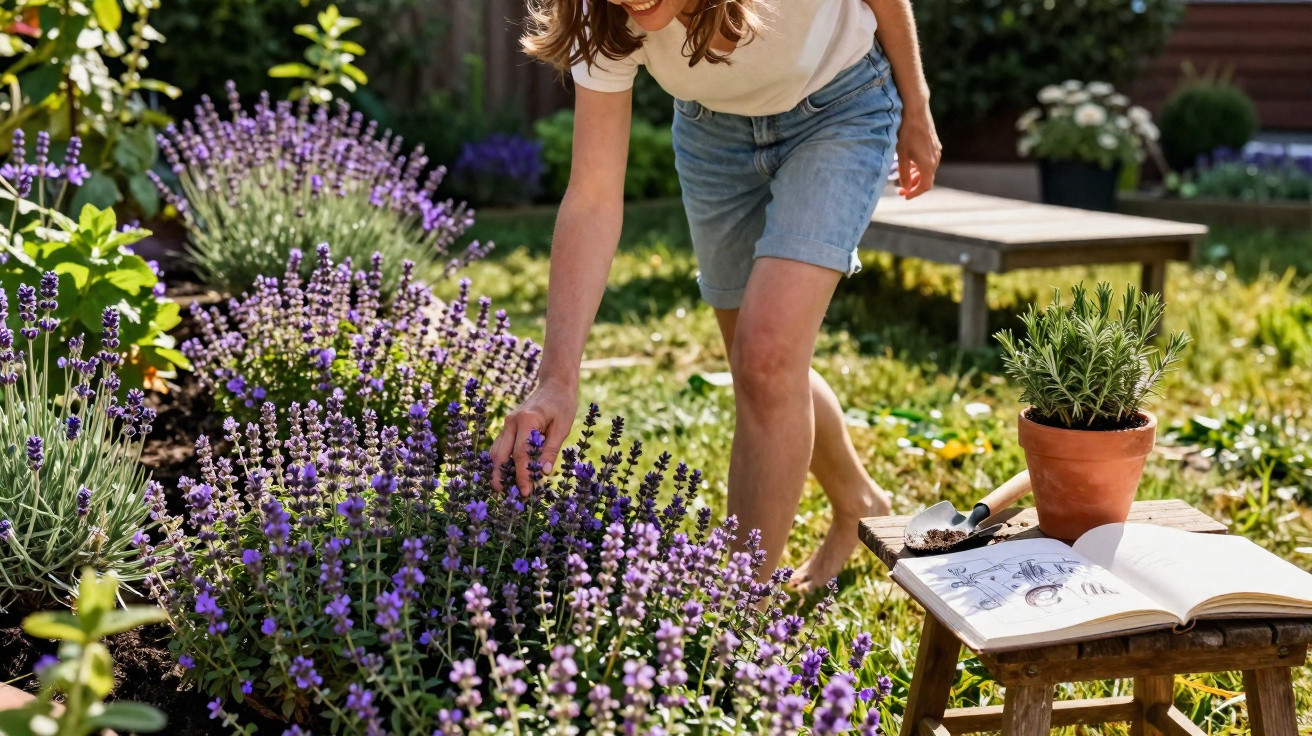
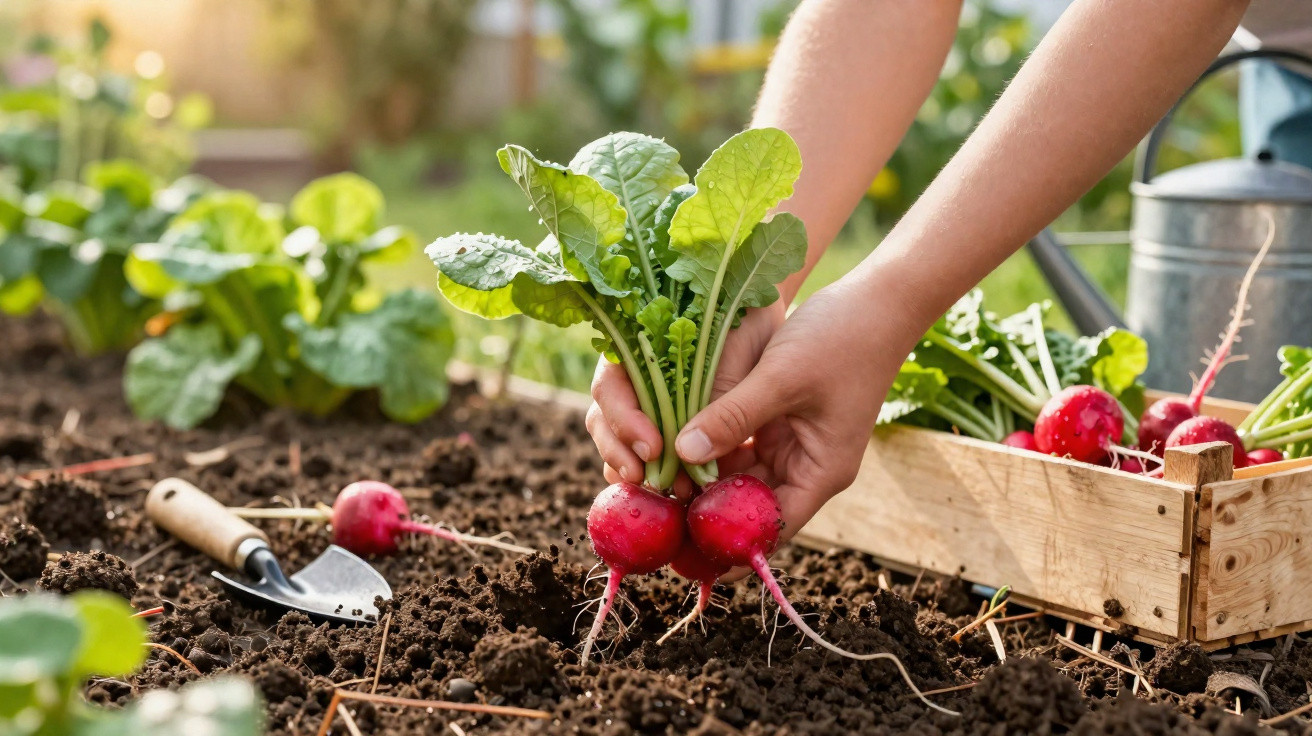
- Let roots do the work: Use deep-rooting plants and green manures - lupins, oil radish, clover, phacelia - as natural “soil drills”.
- Practise patience: Don’t churn everything up every year; give the soil time to form stable crumb structure and bring back life below the surface.
Why your garden soil is more than just “dirt under your feet”
Anyone who has watched a “dead”, compacted soil turn into dark, crumbly, living earth starts to see the garden differently. Suddenly there are earthworms everywhere, rainwater slips away quietly instead of lingering in puddles, plants root deeply and cope far better with heat spells. You reach for the watering can less often because the soil begins to work like a sponge. It’s a quieter satisfaction than buying a new patio furniture set - but it changes your garden more lastingly.
There’s also a thought that can feel oddly reassuring: compacted soil isn’t a personal failure. It’s often a symptom of how we build, plan, park and mow. Choosing to restore it is, in a small way, choosing against that pattern. Rather than flattening everything into order, you allow pores, gaps and a bit of mess back in - space for air between things. Perhaps you start with a single bed, or just a narrow strip along the fence. Sometimes one corner is enough to show what’s possible when the ground beneath our feet can breathe again.
| Key point | Detail | Benefit for the reader |
|---|---|---|
| Recognising compacted soil | Puddles, hard surface, few earthworms, shallow roots | Quickly judge whether your garden has a structure problem |
| Soil profile and checks | Spade test; assess smell, colour and layering | A practical way to make compaction visible and measurable |
| Improving the soil on purpose | Mechanical loosening, organic permanent cover, less pressure | A workable plan to regenerate garden soil step by step |
FAQ:
- How deep do I need to dig to spot compaction? For most gardens, 30–40 centimetres is enough to reveal problematic layers. In former construction areas, it’s worth digging a second profile down to about 60 centimetres.
- Can I just add sand to “loosen” compacted soil? Pure sand on heavy, compacted ground often creates a concrete-like mix. A better approach is combining sand with well-rotted compost and mechanical loosening across multiple passes.
- Does regular digging prevent soil compaction? Digging can loosen the surface, but it often destroys stable crumb structure and disrupts soil life. Gentler methods using a digging fork, broadfork and mulch tend to work better long term.
- How long does compacted soil take to recover? Depending on the starting point, you may see improvements after one season. A noticeably stable structure often develops within two to five years of consistent care.
- Do I need to renovate the whole garden, or will a section do? You can start with the worst areas - for example, waterlogged zones or “concrete lawn”. Often, healthier soil gradually spreads from there into neighbouring areas.
Comments
No comments yet. Be the first to comment!
Leave a Comment