
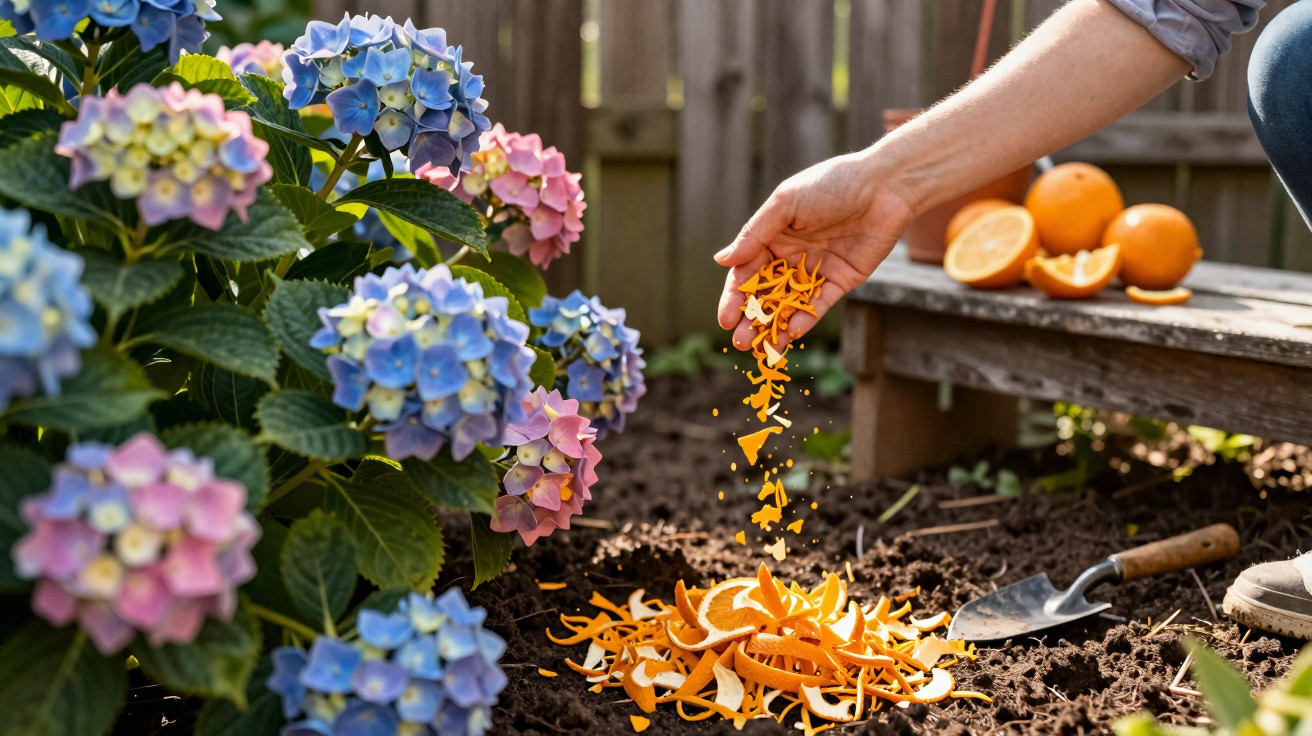
The answer is often closer than you think - sometimes it is sitting right in your own kitchen.
If you water your hydrangeas with care year after year yet still end up staring at small, disappointing flower heads, it is easy to blame the weather or assume the plants are simply getting old. More often, the real issue is the soil. And it can be improved with a simple leftover from the fruit bowl: dried, crushed citrus peel - especially orange peel.
Why hydrangeas react so strongly to soil conditions
Hydrangeas are classic ericaceous (acid-loving) plants. They do best in slightly acidic soil, with a pH between 5 and 6. In many gardens, however, the ground contains plenty of lime and is therefore too alkaline. The result is frustrating: nutrients may be present, but the roots cannot absorb them properly.
Common warning signs include:
- yellowing leaves with green veins (a sign of nutrient deficiency)
- thin shoots that look soft and weak
- smaller flower heads than in previous years
- duller-looking blooms with less vibrancy
In alkaline conditions, iron and potassium in particular become less available. This is exactly where the kitchen-waste trick comes in: citrus peel can gently lower the pH and at the same time add nutrients back into the soil.
"With dried and crushed orange peel, you can lightly acidify the soil for hydrangeas - without expensive specialist fertiliser."
How orange peel supports hydrangeas
Orange peel contains a range of minerals and trace elements that matter for healthy leaves, strong shoots and better flowering. The most relevant include:
- Potassium - strengthens plant tissue and supports flower formation
- Nitrogen - encourages leafy growth and fresh green colour
- Magnesium - helps form chlorophyll and promotes deep green foliage
- Calcium - stabilises cell walls and supports robust growth
On top of that, the peel’s natural (though mild) acidity helps shift overly alkaline soil back in the right direction. When the pH drops slightly, more nutrients dissolve into a form the roots can take up. Many plants respond with stronger new growth and more intense colour.
Another interesting ingredient is d-limonene. It is responsible for the distinctive citrus scent and has a deterrent effect on various insects and small animals.
How to prepare orange peel properly for hydrangeas
If you simply throw fresh peel under the shrub, you can quickly create new problems: mould, small flies and even mice may be attracted. With the right preparation, the leftovers become a clean, easy-to-dose, homemade fertiliser.
Drying - the most important step
First, the peel needs to dry out completely. Only then is it far less likely to go mouldy in the border and it will attract much less unwanted wildlife. There are two straightforward options:
- In the sun: Cut the peel into strips, spread it on a tray or rack, and place it somewhere warm with good airflow. Leave it for several days until it becomes hard and brittle.
- In the oven: Lay the peel on a baking tray and dry it for several hours at around 50–60 °C (fan). Keep the oven door slightly ajar so moisture can escape.
Important: at the end, the peel should snap cleanly. If it still feels rubbery, it needs more time.
Crushing for faster results
The smaller the pieces, the quicker soil microorganisms can break them down and release nutrients. Ideally, the dried peel is processed into a coarse or fine granule.
Useful tools include:
- a coffee or spice grinder
- a food processor with a chopping function
- a mortar and pestle (works well, but takes more effort)
Stored in a screw-top jar in a dry place, the finished peel mix will keep for months - meaning your DIY fertiliser is always to hand.
Correct application around the hydrangea shrub
In the garden, a relatively small amount is enough, as long as you apply it regularly. Overdoing it can acidify the soil too much and upset the balance.
| Application | Recommendation |
|---|---|
| Amount per shrub | around 1–2 heaped tablespoons of crushed peel |
| Frequency | once a month during the growing season |
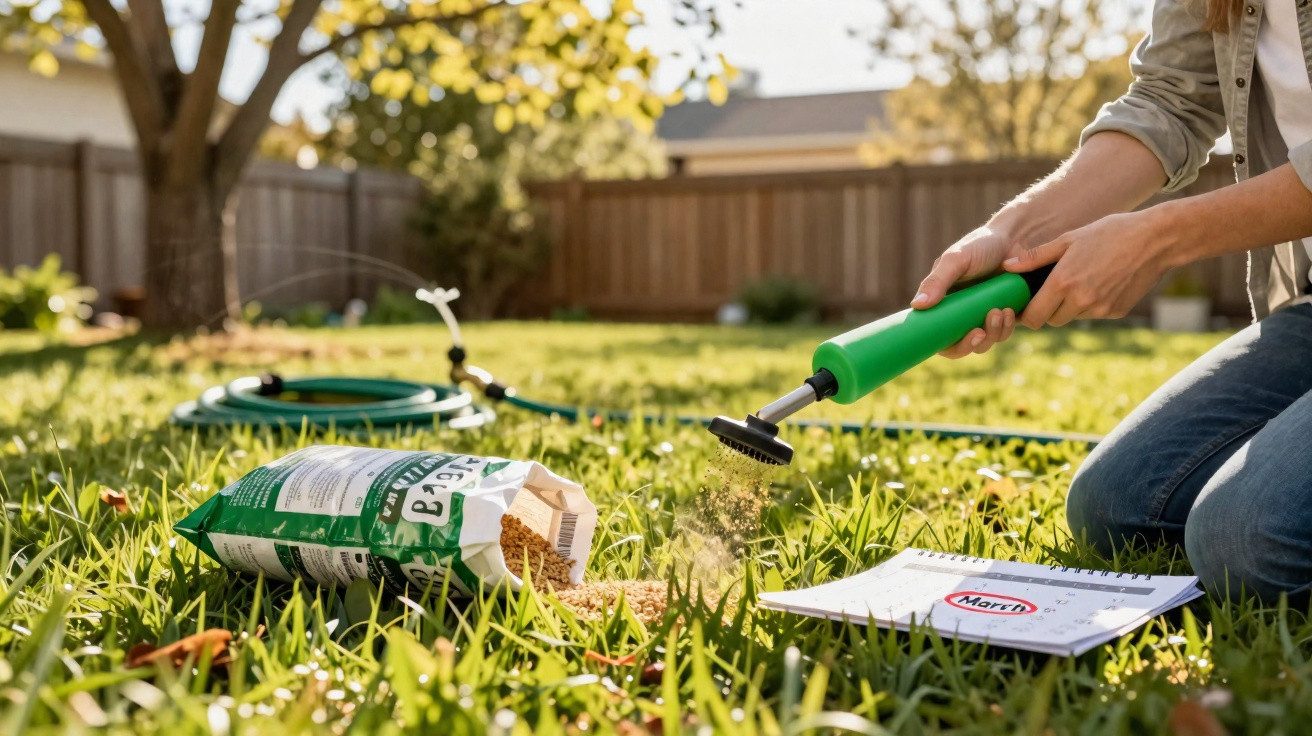
| Period | from March to the end of August |
| How to apply | sprinkle in a thin ring around the root area, then lightly work in |
After applying, water the shrub thoroughly. This helps the soluble components reach the root tips. If you already use an organic hydrangea fertiliser, you can use orange peel as a supplement and slightly reduce the main feed.
Helpful side benefit: a natural barrier against pests
The d-limonene in the citrus aroma can irritate certain insects. To people, the smell seems pleasantly fresh; to ants and some types of aphid, it is more of a deterrent. Around hydrangeas, this creates a mild scent barrier that may make the plant less appealing to these pests.
This approach does not replace proper pest control, but it can reduce pressure. If you check regularly for sticky leaves, curling foliage or distortion, you will spot early signs that extra action is needed.
The prepared peel is not only useful for hydrangeas. Other ericaceous plants also benefit from the same boost:
- camellias
- rhododendrons
- azaleas
- skimmias
What hobby gardeners should also keep in mind
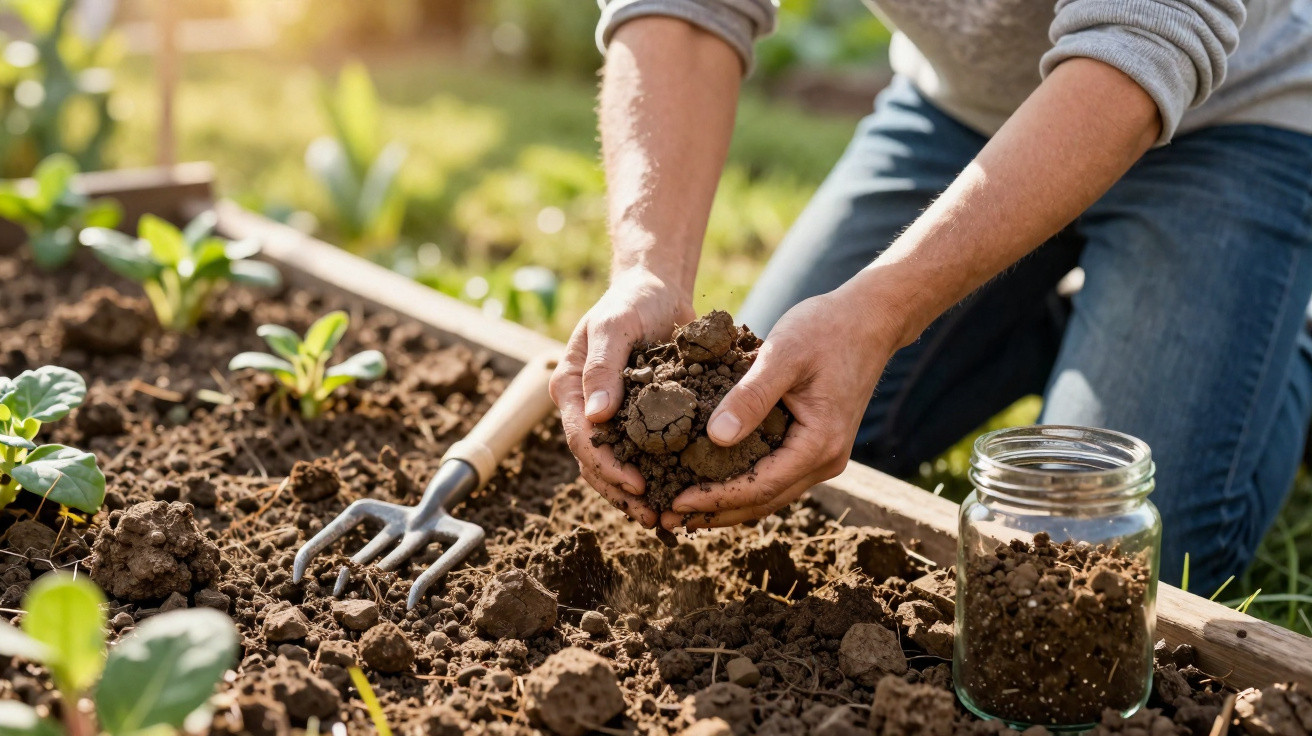
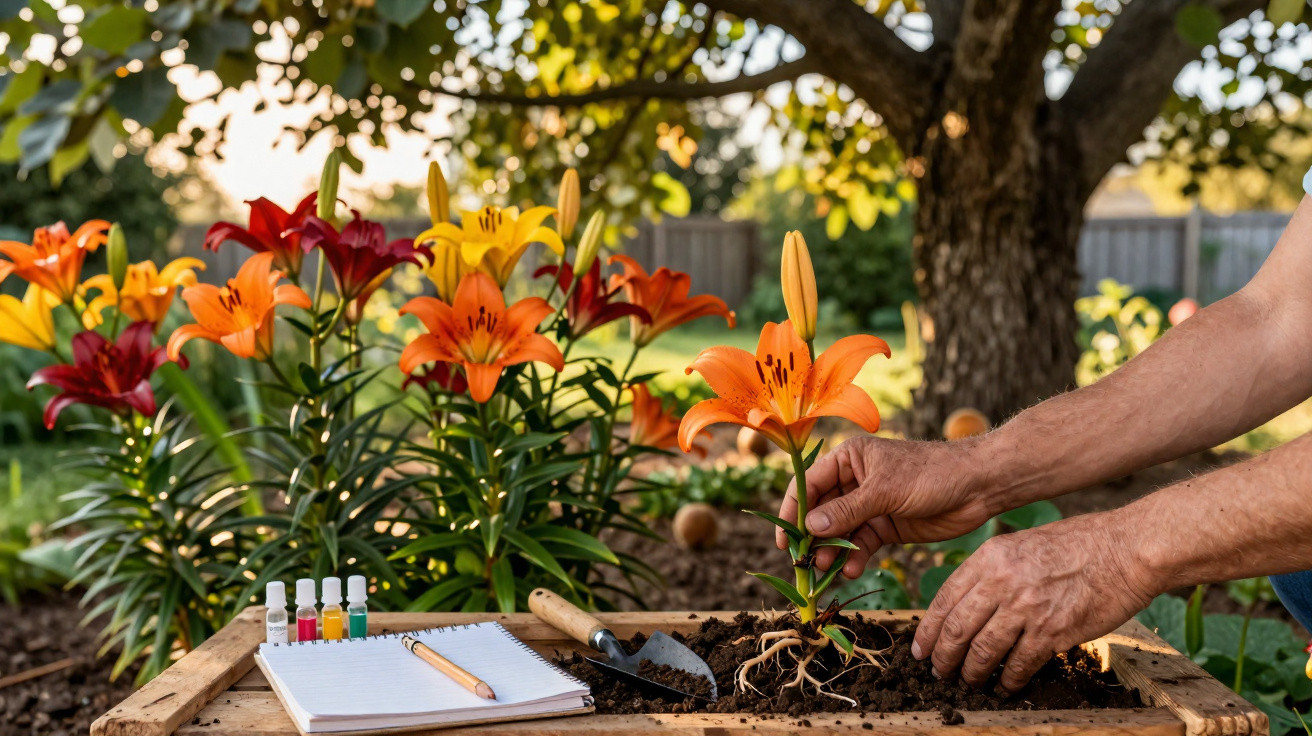
Not every garden soil responds in exactly the same way. If your ground is very chalky, it is worth checking the soil pH regularly - for example, with simple test strips from a garden centre - so you can see whether things are moving in the right direction.
If your soil is already very acidic, using citrus peel continuously can be too much. In that case, use smaller quantities or apply it only every two months. At the same time, mature compost or composted bark can help stabilise the soil.
The effect on flower colour is also worth noting: in certain varieties, the soil’s acidity influences the shade of the blooms. In more acidic conditions, some blue hydrangeas develop deeper, richer tones. In clearly alkaline soil, they shift towards pink. If you want to manage this deliberately, you should look beyond citrus peel and consider specific additives such as alum or clay - acidity alone is usually not enough.
For households that get through a lot of citrus fruit, there are further options: some peel can go to the hydrangeas as described, and the rest can be added to the compost heap, where it will also contribute nutrients over time. The key is to add larger amounts only once pre-dried, so the heap does not turn anaerobic and start to rot.
The big advantage is obvious: instead of ending up in the food waste bin, what looks like rubbish takes on a practical role in the garden. Once you have tried it and seen the difference in your shrubs, you are unlikely to discard an orange peel without thinking twice.
Comments
No comments yet. Be the first to comment!
Leave a Comment