
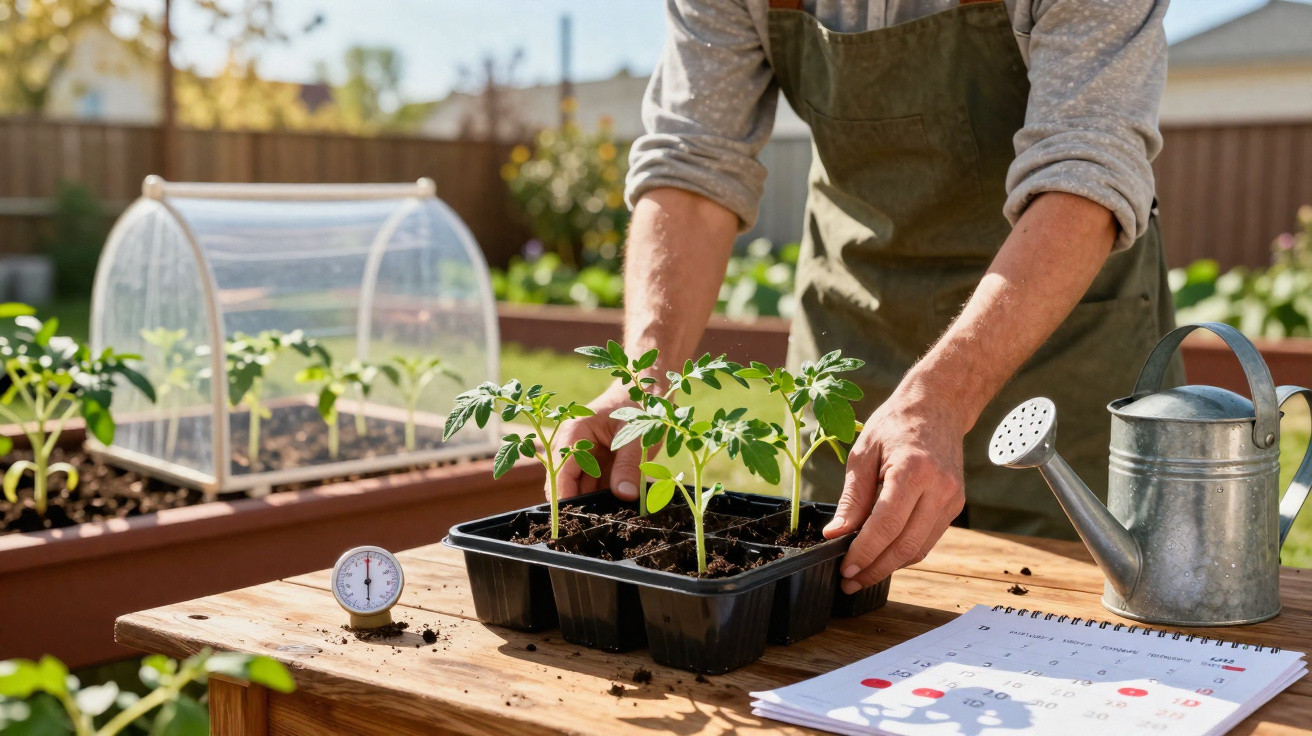
Spring sunshine, warm days and the first sturdy young plants on the windowsill: this is precisely when the same mistakes are made in gardens across Germany every year. A widespread misconception, particularly with tomatoes and other warmth-loving vegetables, can leave plants wilting after only a few days, with scorched leaves and stalled growth. The calendar may say it is planting time, yet the garden can ruthlessly knock delicate seedlings out of action.
The classic spring mistake: moving tomatoes straight from indoors outside
The situation will be familiar to many gardeners: the first genuinely spring-like day arrives, temperatures rise noticeably and trays of vigorous green seedlings are waiting on the living-room table. The door is opened, everything is gathered up and placed in the bed - or at least put outside in full sunshine for the day. Two days later comes the unpleasant surprise: leaves turn pale, develop white or brown patches, stems appear soft and the plants stop growing.
The problem is not simply the date; it is the abruptness of the change. Indoors, tomatoes, peppers and aubergines grow as though they were in a spa hotel:
- filtered light rather than fierce midday sun;
- hardly any wind;
- steady temperatures of around 20 degrees;
- consistent moisture in the growing medium.
This produces exceptionally tender leaves, a thin protective surface layer and roots that have so far only had to work through a loose pot root ball. The plants may be in excellent condition - but only for their sheltered indoor environment.
Outdoors, conditions are entirely different: intense UV radiation, drying winds, cold nights and beds that may be very wet after spring rain. Planting them there without a transition period places them under excessive strain.
“Moving young tomatoes directly from a warm living room into full spring sunshine has the same effect as sunburn and circulatory collapse on the very same day.”
Radishes and carrots, which are sown directly in the bed, cope well with these fluctuations. Tomatoes, peppers, chillies and basil are considerably more vulnerable if they have previously been raised in protected conditions.
The essential step people forget: hardening off tomatoes instead of shock planting
The technical term for this missing stage is hardening off young plants. It means deliberately acclimatising them to genuine garden conditions. Although this may sound laborious, it is easy to build into everyday gardening and can often make the difference between an excellent harvest and total failure.
When should hardening off begin?
Begin during a settled spell of mild weather. A useful rule of thumb is:
- daytime temperatures of roughly 15 degrees or higher;
- no severe night frosts forecast;
- at least one week before the planned planting date in the bed or a large container.
Over this period, plants should experience a little more of real outdoor life each day - sunshine, moving air and slight temperature changes.
A nine-day plan for strong tomato plants
This straightforward schedule helps young plants arrive in the bed in much better condition:
- Days 1–3: Put plants outside for 1–2 hours, entirely in shade and sheltered from wind. Then take them back indoors or move them to a protected spot.
- Days 4–6: Leave them outdoors for 4–5 hours, giving them gentle morning sunshine before returning them to partial shade or full shade around midday.
- Days 7–9: Keep them for 6–8 hours in their eventual growing position, but still bring them inside when nights are cool.
During this process, the leaf surface becomes thicker, plants adapt to stronger sunlight and wind, and the root system develops reserves.
“Giving plants these nine days often saves six weeks of frustration with stunted plants, replacement purchases and poor yields.”
How to plant tomatoes properly in the bed
Once plants have been hardened off, the next crucial stage is planting them out. This is another point at which common mistakes can slow their development.
Step by step to a sturdy tomato plant
- Water thoroughly before planting: The root balls should be fully moist, enabling the plant to take up water immediately in its new soil.
- Make a generous planting hole: Dig to a depth of around 20 centimetres, loosen the soil a little and mix in mature compost if available.
- Plant deeply: Set the tomato so that approximately 10 centimetres of stem are below ground. It will form additional roots along this buried section.
- Provide support immediately: Place a cane or other framework when planting. Tie the plant in loosely so it is not buffeted back and forth by the wind.
- Add a mulch layer: A covering of straw, grass clippings or leaves around the root area keeps soil moisture more even and limits temperature fluctuations.
Leave generous space between plants, usually 60 to 80 centimetres depending on the variety. This improves air circulation, lets foliage dry more quickly and makes fungal diseases less likely to take hold.
Moisture and fungi: keeping tomatoes healthy after planting
Tomatoes need plenty of water - but not on every part of the plant. Wet leaves, persistently humid air and closely packed plants are among the most frequent causes of fungal problems such as blight or powdery mildew.
Water correctly and reduce the risk of fungal disease
- Water the soil only, never the leaves.
- Water in the morning or evening, rather than in intense midday sunshine.
- Water less often but more generously, encouraging roots to grow deep into the soil.
- Avoid waterlogging; excess water must be able to drain away freely.
Dense tomato rows with poor ventilation remain damp for a long time after rain or dew. Spores can then spread rapidly, especially where there are pronounced temperature shifts between day and night.
Milk as a gentle treatment for leaves
Many gardeners rely on a mixture of milk and water to make tomato foliage more resilient. Ordinary cow’s milk, whole or semi-skimmed, is used for this purpose. The mixture generally contains between 10 and 20 percent milk in the watering or spraying water.
Apply the solution directly to the foliage every 10 to 15 days. It is not intended to replace a chemical spray, but to support the leaves and make their surface environment less welcoming to fungal spores. Some gardeners also report fewer cases of blossom end rot when they start early and use it consistently.
“Milk is not a miracle cure, but it is well suited as supportive care for keeping tomato plants more robust.”
Why supposedly sun-loving vegetables begin so sensitively
Tomatoes, peppers, chillies and aubergines originally come from substantially warmer regions. They thrive in long, sunny summer days, but require careful management during their early stage of growth. Indoors, they often grow faster than their tissues can become strong. Once outside, wind and UV radiation then hit them at full force.
Anyone who understands that these plants may love warmth but are genuine “softies” during their first few weeks will naturally be more cautious about moving them outdoors. A sudden switch from 20 degrees, still air and indoor light to a cool breeze, harsh sun and cold nights simply makes excessive demands on the plant.
Practical additions for a stress-free tomato season
A simple intermediate location can be extremely useful, such as a covered balcony, an open greenhouse or a carport with protection from side winds. These provide somewhere to place plants during the day while they are being hardened off. If no such space is available, crates or low polytunnels can be used as makeshift alternatives.
It is also worthwhile looking more closely at the variety and the growing site: robust, disease-tolerant cultivars in a slightly raised bed with good airflow forgive far more mistakes than delicate exotic varieties beside a cool, shaded fence. Even if the initial start goes wrong, it is often worth keeping a second batch of later young plants in reserve to save the season after all.

Comments
No comments yet. Be the first to comment!
Leave a Comment