
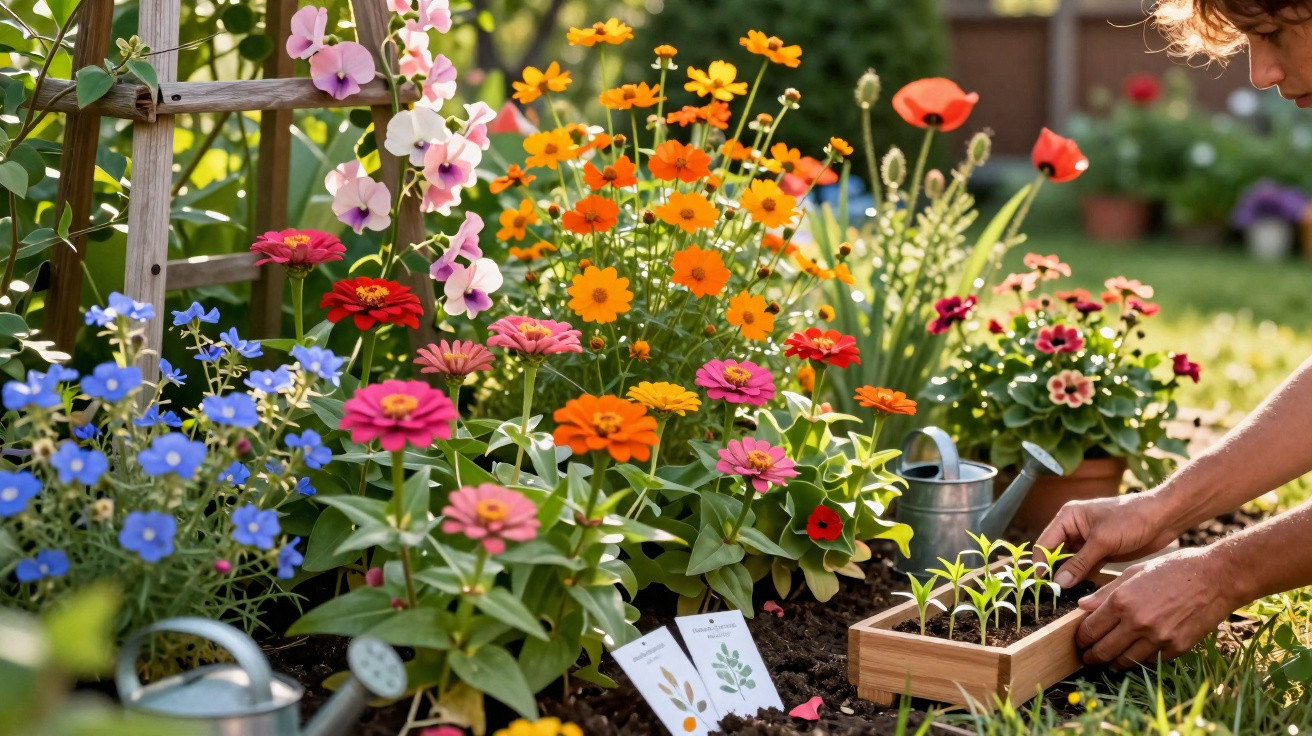
March can still leave the garden looking grey and dormant. Yet this is precisely when you lay the foundations for a summer border that keeps flowering well into autumn. With the right flowers, a sensible approach to late frosts and a few straightforward tricks, a handful of unassuming seeds can become a colourful display.
Why March determines your summer border
Spring gives many amateur gardeners the urge to get started. Days grow longer, sunshine becomes more frequent and the ground slowly begins to thaw. Despite that sense of renewal, March remains unpredictable: mild afternoons, icy mornings and late frosts stretching into April are far from unusual.
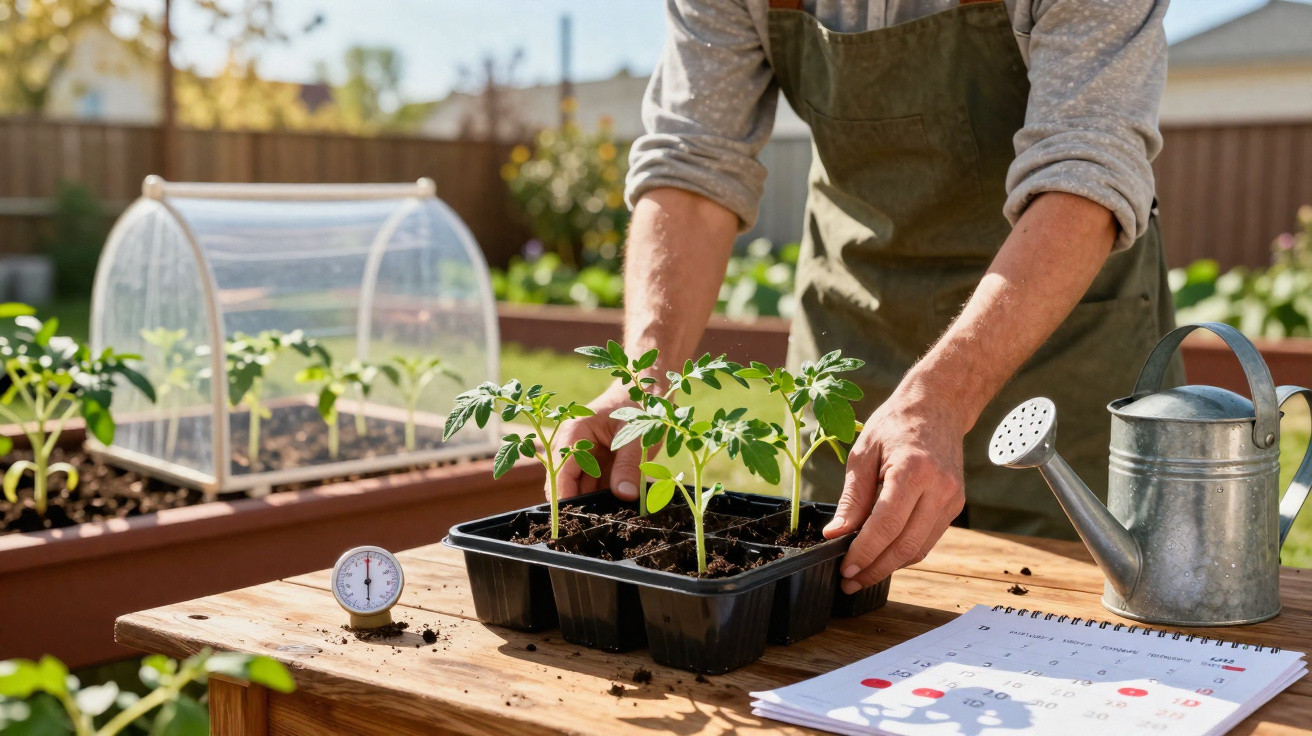
Sowing straight into the border at this point risks seedlings being killed by frost or remaining stalled in cold soil for weeks. Experienced gardeners therefore give much of their summer-flower seed a protected start:
- in a bright conservatory
- in a basic polytunnel or small greenhouse propagator
- on a sunny windowsill indoors
Starting indoors gives your plants a two-to-four-week head start in growth – and often means noticeably earlier, more abundant flowers.
Species that continuously produce fresh buds from June through to autumn are particularly rewarding. They fill gaps in the border and prevent those familiar flowerless spells when everything appears to fade at once.
Choosing the right seed: what gardeners really look for
Many people know the disappointment: you buy packets of seed, sow them enthusiastically and water them – only for a few isolated plants to emerge. Often, this is not down to a “bad gardening hand”, but to the seed itself.
For this reason, more and more gardeners choose open-pollinated varieties. You can grow these cultivars again each year from seed harvested from your own plants. Over time, the plants adapt to your soil and climate, and they often seem more robust than newly bought varieties.
Practical ways to find good seed include:
- Choose open-pollinated varieties: The seed packet will usually state whether a variety can be saved and grown again.
- Use seed swaps: Many local communities have seed-swap shelves in libraries or neighbourhood meeting places.
- Harvest your own: Leave some faded flowers in place and collect dry seed heads in late summer.
If you keep raising plants this way year after year, you will often notice that they become more resilient to drought, wind and local pests – a quiet breeding process taking place in your own garden.
The 7 top flowers for March – a summer garden from a packet
Now for the stars of the summer border. These seven flowers are well suited to starting in March, forgive minor mistakes and provide colour from early summer until late in the season.
Zinnias: bursts of colour for borders and vases
Zinnias are among the classic summer flowers. Their large, vivid flower heads, available in pink, orange, yellow, white and bicolour forms, stand out even from a distance.
- Position: Sunny and warm
- Soil: Loose and fairly nutrient-rich
- Starting point: Start indoors in March, then plant out from mid-May
Deadhead faded blooms regularly and zinnias will reward you by producing more buds. They are ideal for vibrant summer bouquets – the more you cut, the bushier the plants become.
Fragrant climbers: sweet peas for a nostalgic look
Sweet peas, also known as scented peas, bring the charm of traditional cottage gardens back to the plot. Their flowers are richly scented, while their tendrils climb trellises, fences and balcony railings.
- Position: Full sun to partial shade
- Special feature: They need climbing support
- Tip: Soak the seeds in water for several hours before sowing to improve germination.
The same principle applies here: cut generously. Picking bouquets regularly prevents seed formation and keeps the plants flowering for weeks.
Nasturtiums: edible splashes of colour
Nasturtiums are almost a “beginner’s secret”. They grow quickly, cover bare patches and bring warm shades of yellow, orange and red to borders or window boxes.
Nasturtium leaves and flowers are edible and have a mildly peppery flavour – a kind of natural cress alternative for summer salads.
They thrive even in poor soil, require very little attention and are well suited to covering unattractive stretches of fencing or banks.
Wallflowers: fragrant companions for the border
Plants still listed in some catalogues under the older name “Giroflée” are commonly known here as wallflowers or stocks. They offer warm, often multicoloured blooms together with a strong fragrance.
- Position: A sunny, sheltered spot
- Use: Ideal beside paths, along the edge of a patio or in front of walls
They work particularly well in mixed borders with perennials, as they provide early colour while other plants are only just beginning to emerge.
Coreopsis: sunny long-flowering plants
Coreopsis, also called tickseed, stands out for its yellow to orange flowers, which appear from summer well into autumn.
These plants cope with relatively poor soil and suit naturalistic gardens. Remove spent stems regularly and you will get almost uninterrupted fresh blooms – a magnet for bees and butterflies.
Nigella: delicate love-in-a-mist
Nigella, usually called love-in-a-mist, has a particularly romantic appearance thanks to its fine, feathery foliage and star-shaped flowers. Once flowering has finished, decorative seed pods form, which are also excellent for dried arrangements.
- Effect: Creates a very natural, almost meadow-like feel
- Combination: Works well with poppies, cosmos or delicate grasses
Allow a few plants to set seed and you will often find self-sown nigella returning in the border the following year.
Poppies: meadow character in your own garden
Poppies bring the slightly wild, slightly untidy feel of flowering fields into the home garden. Their silky petals look almost translucent, and colours range from pale pink to deep red.
Poppies tend to self-seed. Once established, new plants often appear in unexpected places the following year – a real advantage for anyone who likes a relaxed, naturalistic style.
How to sow in March without frustration
A few simple rules will help turn these seven favourites into strong summer flowers:
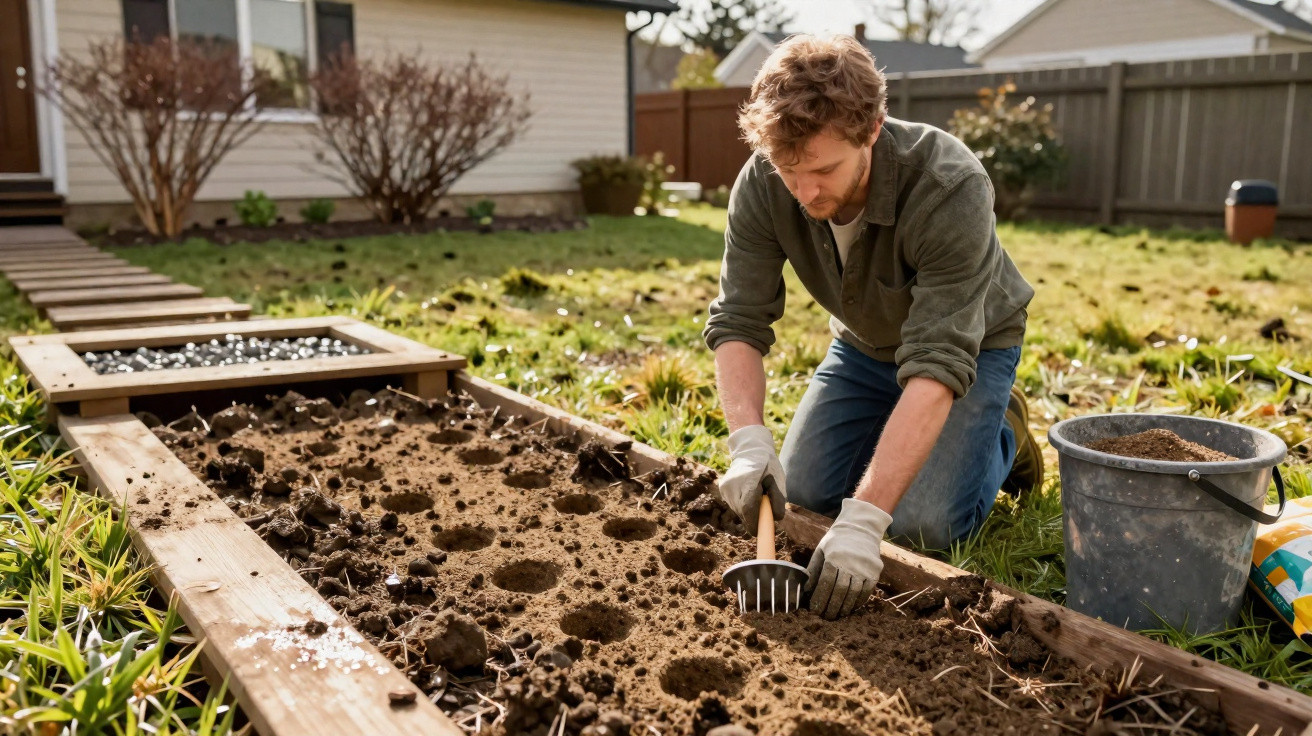
- Use fine compost: Specialist seed compost or sieved garden soil is suitable for raising seedlings.
- Do not sow too deeply: As a rule of thumb, cover seed with no more than twice its own depth.
- Keep it evenly moist: Not waterlogged, but never allowed to dry out either – a gentle mist spray is ideal.
- Provide plenty of light: Bright windowsills or a small indoor propagator help prevent long, leggy shoots.
- Harden off before planting out: Put young plants outside during the day for several days, then bring them back in at night.
By gradually getting seedlings used to sun and wind, you avoid scorched leaves and growth shock once they are planted in the border.
What makes this flower combination so appealing
The garden becomes truly interesting when you mix the seven species deliberately. Tall zinnias at the back, with nigella and coreopsis in front, islands of nasturtiums between them and sweet peas along a fence create a scene that keeps changing throughout the summer.
Thoughtful combinations deliver more than extra colour; they also offer ecological benefits. Different flower shapes attract different insects, improving pollination throughout the garden. At the same time, certain species draw in beneficial insects that help keep aphids and other pests under control.
Benefits for balconies and small gardens
None of these flowers is limited to a large garden. Many are equally suited to window boxes, containers and raised beds. Nasturtiums, nigella and coreopsis can also manage with restricted root space, provided they receive regular watering.
If space is limited, stagger your sowing: start one batch indoors in March, then sow another directly into boxes or pots in April. This shifts flowering slightly later, allowing you to enjoy your miniature summer garden for longer.
Ultimately, March shows anew each year how much potential lies in a few grams of seed. Anyone who takes the time now to raise plants and choose varieties will be walking through a sea of flowers in a few months’ time – one that was only a handful of inconspicuous seeds in winter.
Comments
No comments yet. Be the first to comment!
Leave a Comment