
While apples, cherries and similar fruit trees struggle through prolonged dry spells, a little-known fruit tree from Asia is attracting attention. It tolerates heat, poor soils and severe frost, yet still produces fruit every year. Nurseries are already calling it the “fruit tree of the future”, and this spring it could become a secret weapon for anyone adapting their garden to climate change.
The climate-change winner for the fruit garden
Recent summers have shown just how sensitive many traditional fruit varieties can be. Dried-out orchards, empty water butts and meagre harvests are becoming familiar sights, particularly in areas with watering restrictions, where conventional trees quickly reach their limits. This is where the jujube tree comes in: botanically known as Ziziphus jujuba, it is often called the Chinese date.
Jujube originates in northern China and Mongolia. In its native range, winters reaching minus 25°C and summers of 40°C in the shade are routine. The air is dry, while the ground is often stony or sandy. These harsh conditions are precisely what have given the tree its remarkable resilience.
The jujube tree is already regarded by experts as the “fruit tree of tomorrow” – hardy, undemanding and remarkably reliable in its yield.
In southern France, some specimens more than a century old have survived for decades without intensive care. This demonstrates the potential of this woody plant, including in dry parts of German-speaking regions, such as wine-growing climates or urban heat islands.
Why the jujube tree copes so well with drought
Its root system is key. Once properly established, the tree develops deep, strong roots that can still reach water long after the topsoil has become dusty and dry. It needs a little help while young, but later becomes exceptionally economical with water.
Further advantages include:
- Excellent heat tolerance: The tree continues to produce fruit reliably even after extended hot periods.
- Modest soil requirements: It manages on poor, sandy or heavily compacted soils, provided waterlogging does not occur.
- Few diseases and pests: Hardly any serious issues have so far been seen in gardens, so plant protection is rarely needed.
- Self-fertile: In most cases, a single tree is enough to provide a dependable harvest.
- Annual yields: Unlike certain other fruit varieties, jujube shows very little tendency towards biennial cropping.
The fruit has a texture reminiscent of a cross between an apple and a date. As it ripens, it changes from green to reddish brown. It can be eaten fresh, dried, or made into purée and sweets. In parts of Asia, it is regarded as a medicinal fruit and is traditionally used in teas, soups and desserts.
Planting a jujube tree in spring
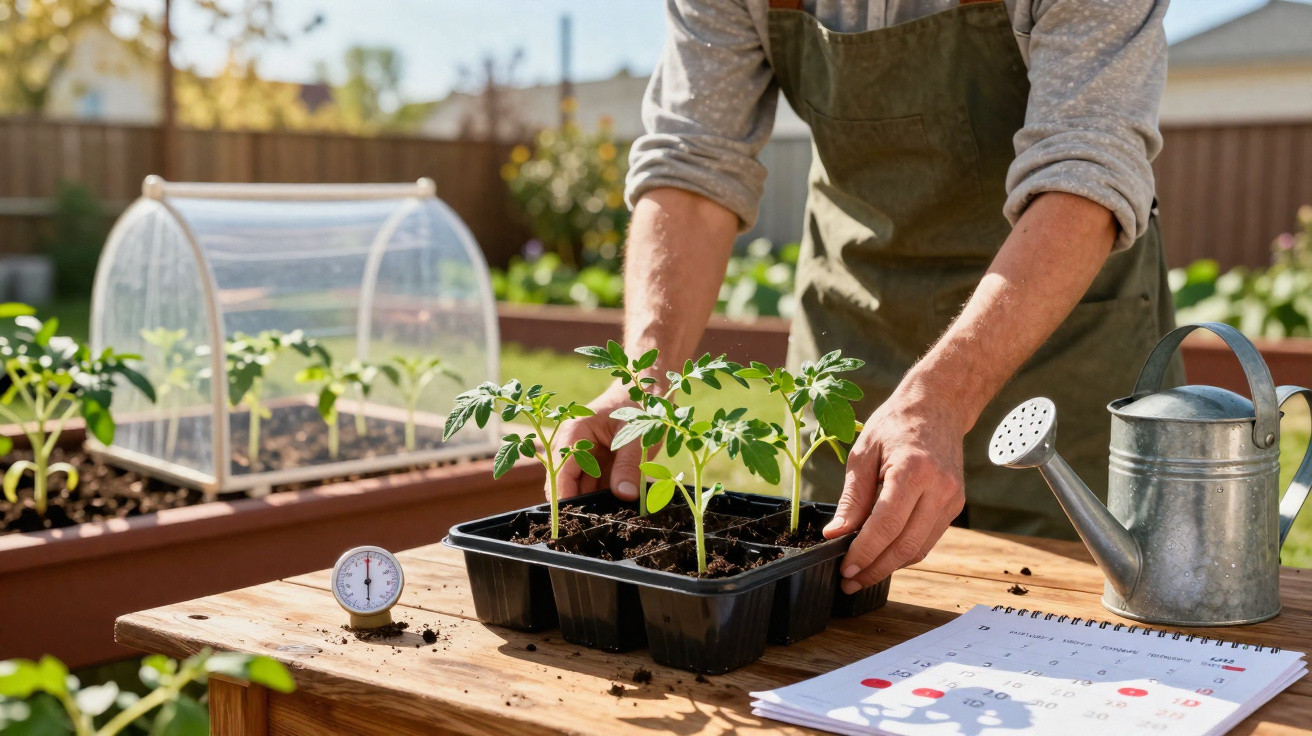
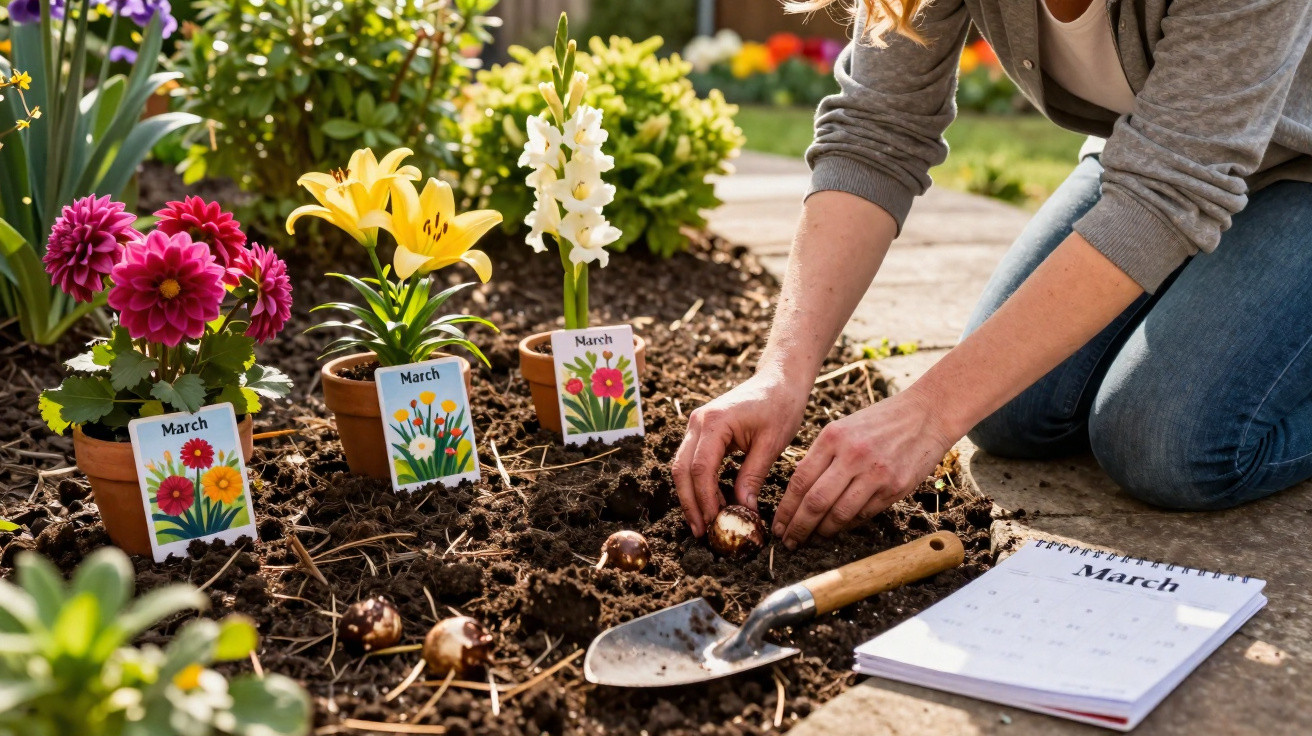
Spring is the ideal planting season, once the ground is frost-free and no longer soaking wet. The tree then has a full growing season to establish roots before the first major dry spell arrives.
Step-by-step guide for the garden
Planting is similar to planting heat-loving fruit plants such as pomegranate. Anyone who has planted one of these shrubs before should find jujube straightforward to handle.
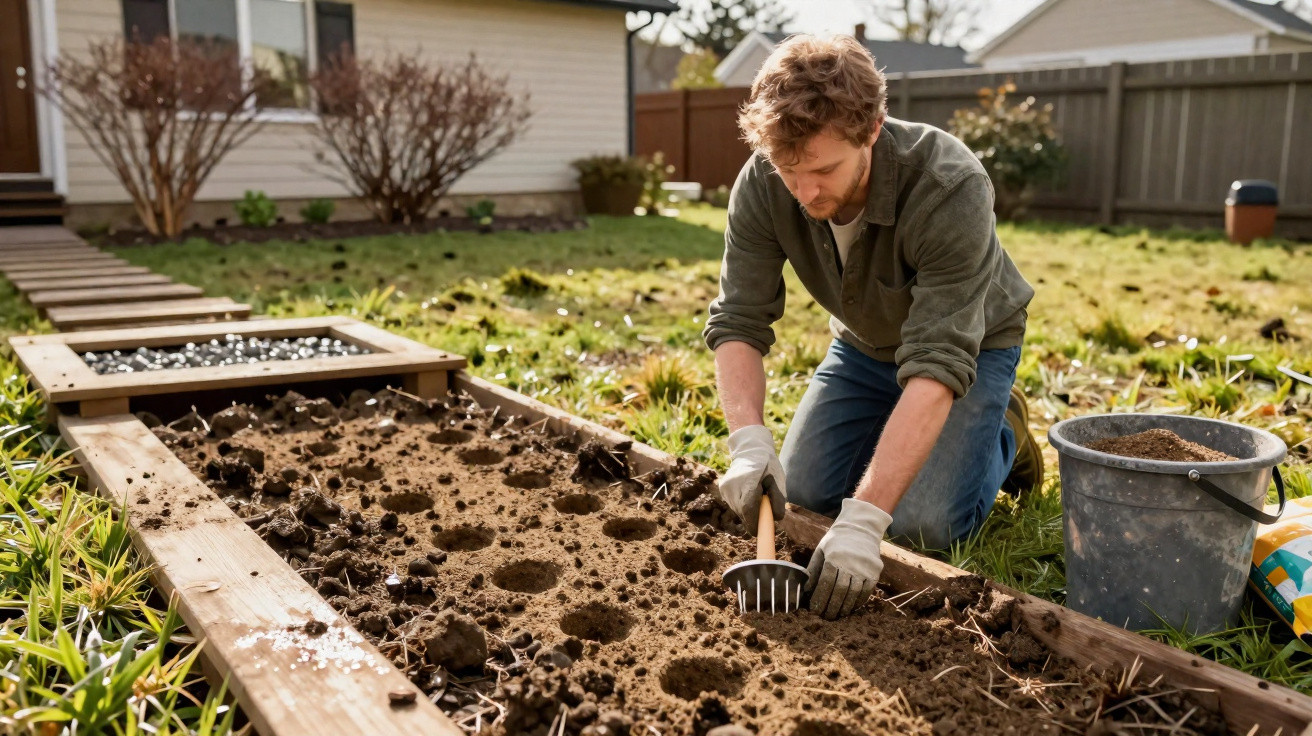
- Prepare the planting hole: Dig a hole substantially wider and slightly deeper than the root ball. Carefully loosen any compacted layers of soil.
- Improve the soil: Mix the excavated earth with a little mature compost or well-rotted farmyard manure. The soil should gain nutrients, but must not become overly rich.
- Position the tree: Set the jujube so that the point where the trunk meets the roots, known as the root collar, sits exactly at ground level.
- Backfill and firm in: Refill with the improved soil and gently tread it down to remove air pockets.
- Water thoroughly: Water generously straight after planting. Keep the soil lightly moist during the first few months, then gradually reduce watering frequency.
A bright position in full sun produces the best yields. Waterlogged and permanently wet sites must be avoided, as the roots are sensitive in such conditions. In exposed areas, light wind protection, such as a hedge or wall on the weather-facing side, can be beneficial.
The smart drought fruit garden: jujube, sea buckthorn and pomegranate
Anyone wanting to convert an entire part of the garden to a water-saving approach should not rely on one tree alone, but instead combine resilient species. A mix of jujube, sea buckthorn and pomegranate is particularly appealing.
Sea buckthorn as a natural nutrient provider
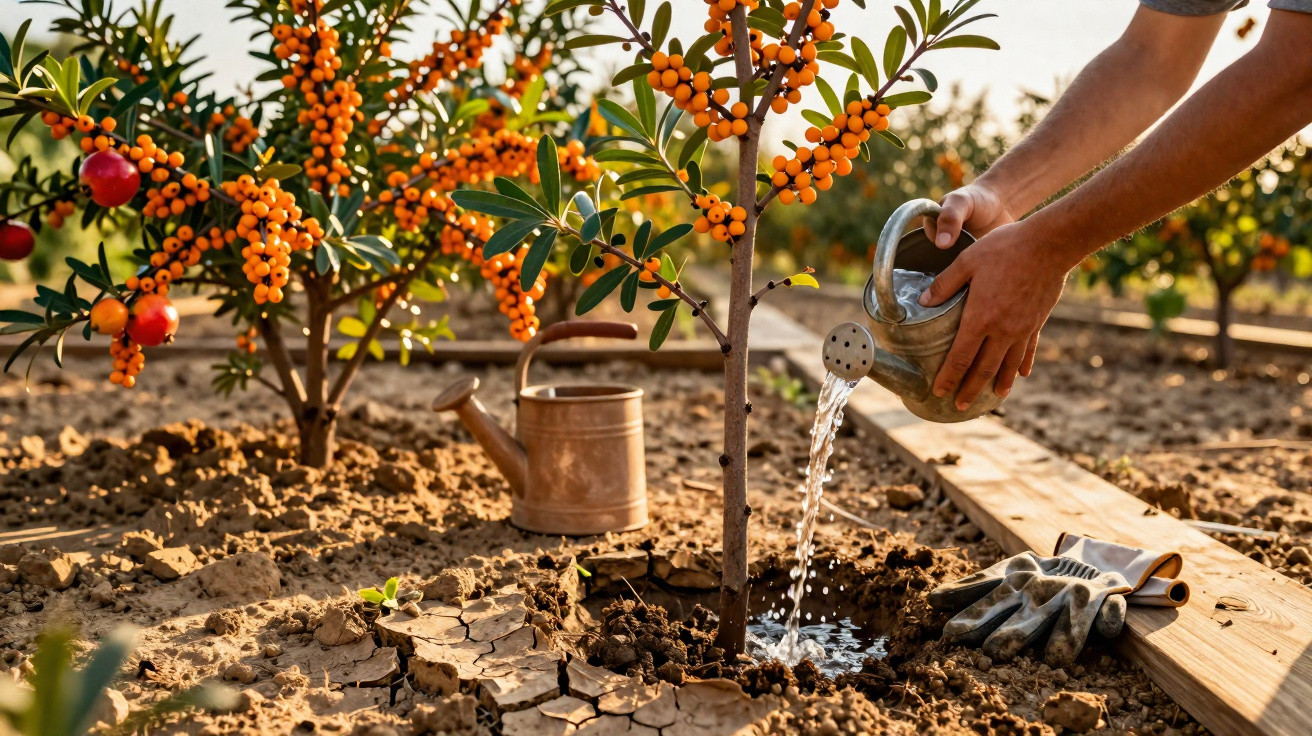
Sea buckthorn, botanically Hippophae rhamnoides, is native to Europe and Asia and adapted to sparse coastal and steppe habitats. The shrub withstands frost, drought and salty winds, placing very few demands on the soil.
Its root system is especially interesting: working with specialised bacteria, sea buckthorn can fix nitrogen from the air. Over the long term, this enriches the soil with nutrients and improves conditions for neighbouring plants.
Sea buckthorn is considered a “quietly working soil improver” in the fruit garden – it produces fruit while fertilising the site at the same time.
Its orange berries stand out for their exceptionally high vitamin C content. They are made into juices, syrups and jellies, which are in season from late summer into autumn. The shrub also provides an important winter food source for birds.
Pomegranate as a Mediterranean companion
The pomegranate shrub (Punica granatum) is an ideal addition to this trio. It enjoys sun and heat, grows even in slightly acidic to slightly alkaline soils, and is considered very robust compared with many other fruit plants. In sheltered places, selected varieties, including forms from the Mediterranean region, can tolerate temperatures of around minus 10°C.
Pomegranate, jujube and sea buckthorn can be used to stagger harvest times effectively:
| Species | Main ripening period | Special feature |
|---|---|---|
| Sea buckthorn | Late summer | Berries very rich in vitamins, popular with wild birds |
| Pomegranate | Late September to October | Juicy seeds, versatile in the kitchen |
| Jujube | October to November | Suitable fresh and dried, keeps well |
The result is effectively a “drought fruit garden” that provides harvests over several months, even when irrigation water is scarce.
Where a jujube tree makes sense
Jujube is particularly worthwhile wherever summers are becoming hotter and drier and irrigation is reaching its limits: in wine-growing areas, on sunny south- and west-facing slopes, in urban front gardens, or on light sandy soils. Allotment gardeners with only limited water available can also benefit from its undemanding nature.
In very harsh, windswept upland locations, it is best to begin by trying it in a sheltered position, such as in front of a south-facing house wall. Heat collects there, allowing the tree to make better use of its strengths.
What else to know: care, yield and uses
Pruning jujube is far more restrained than pruning apple or pear trees. Usually, it is enough to remove dead or heavily crossing branches and thin the crown lightly. Cutting back too hard can instead slow growth.
Yields increase as the tree ages. During its first few years it crops rather modestly, but once it reaches a certain age it becomes a reliable supplier for the autumn kitchen. The fruit can be:
- eaten fresh straight from the tree;
- made into crisps or dried fruit;
- incorporated into cakes and bakes;
- preserved as compote or purée.
Anyone who is sensitive should initially try small amounts of unfamiliar fruit to rule out intolerance. Allergies are only rarely reported, but can never be entirely excluded.
The jujube tree is also appealing from a design perspective: its glossy leaves and delicate branching lend it an almost exotic appearance without making it genuinely delicate. Combined with ornamental grasses, lavender or steppe perennials, it creates a garden style well suited to dry summers while remaining low-maintenance.
Planting this spring gives the tree time to establish itself calmly, laying the foundation for a fruit garden that will not give up at the next heatwave.


Comments
No comments yet. Be the first to comment!
Leave a Comment