
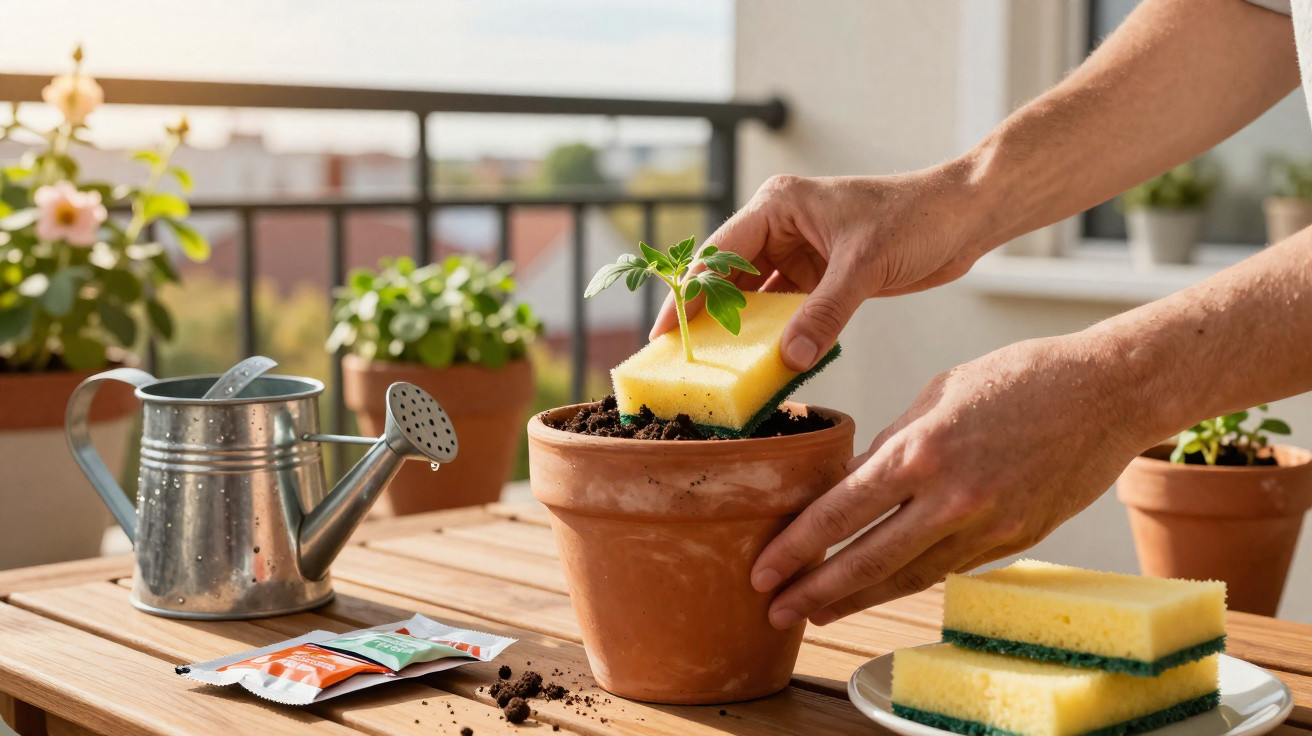
If you garden regularly, you end up collecting all sorts of little hacks: eggshells go into the flower beds, coffee grounds into plant pots. One item is usually left out of the loop - the old kitchen sponge. That’s a shame, because with the right preparation this unremarkable bit of kit can be surprisingly useful in the garden and on the balcony.
Why an old sponge suddenly matters to gardeners
Sponges are made from material that absorbs water quickly and releases it slowly. For plants, that’s invaluable - especially in pots and window boxes, where compost dries out far faster than soil in a bed.
"A retired sponge can act as a small water reservoir, a germination aid, cold protection and even a natural pest deterrent - if it’s clean."
Before a sponge makes the move outdoors, it needs a thorough clean. Otherwise, grease, food residue and bacteria end up right by the roots - which is the last thing you want.
Making a kitchen sponge safe for plants
In everyday use, the washing-up sponge is one of the biggest sources of germs in the home. If you want to reuse it, it needs proper disinfection first - and it’s simpler than many people assume.
Step by step: cleaning the sponge
- Boil in hot water: Put the sponge into rapidly boiling water for a few minutes. Heat kills a large proportion of bacteria.
- Optional microwave: Place the wet sponge in the microwave briefly (only if it has no metal components). The heat helps reduce additional germs.
- Soak in vinegar water: If you prefer as natural an approach as possible, leave the sponge in a mix of water and clear household vinegar. Vinegar has a mild disinfecting effect.
- Dry thoroughly: Let it cool completely and dry out before it goes anywhere near your plants.
At the latest, if the sponge smells unpleasant, starts crumbling, or shows black spots, it belongs in the bin for good - not in the bed.
A small “water battery” for thirsty plants
A sponge’s most obvious strength is water storage. In the garden, you can use that to your advantage - particularly for plants in containers and balcony boxes.
How to use a sponge as a water reservoir
Place the soft side of the sponge directly on the compost at the base of the plant, or tuck it slightly into the top layer. Dampen it well beforehand. The sponge takes up excess water from watering and releases it again once the compost begins to dry.
This can be especially useful in two situations:
- Before weekend trips: If you’re away for two or three days, push a few well-soaked sponges into your balcony boxes. Your plants stay hydrated for longer.
- On dry, sunny balconies: South-facing balconies in full sun benefit from small water stores right by the roots.
The same idea works in a plant pot: put a clean sponge in the bottom of the pot before adding compost. It helps retain moisture in the lower section without leaving the plant sitting in water - similar to clay pellets, just recycled.
"A sponge in a pot can help you avoid constant watering and soften the impact of the odd watering mistake."
Germination help: sponges as a mini greenhouse for seeds
If you like sowing your own seeds, old sponges can double as a base for seedlings. The benefit is consistent moisture with plenty of air around the young roots.
How to start seeds on a sponge
- Cut the disinfected sponge into small cubes or slices.
- Moisten each piece well, but don’t let it become dripping wet.
- Push a single seed into each sponge cube, or place it on top.
- Set the pieces in a shallow tray and keep them at room temperature.
Because the material stays damp yet airy, the seeds get excellent starting conditions. Once the seedlings are a few centimetres tall, you can plant them - along with a piece of sponge - into a pot of compost or straight into a bed. The roots simply grow through.
This approach is similar to professional propagation methods in nurseries, where airy, moist substrates are often used so seeds don’t dry out - but also don’t suffocate in water.
Sponges as a thin insulating layer against cold
Many plants dislike cold nights, particularly in spring and autumn. A sponge can serve as a small insulating layer, especially for sensitive container plants.
Using a sponge for cold protection
Lay a damp sponge, soft side down, on the compost and lightly secure it with a stone, a piece of wood or a small stick. The material works like a mini mulch: it holds a little warmth and reduces temperature swings right at root level.
At the same time, it helps the compost stay moist for longer, which is an extra advantage in dry spells. In small areas - such as window boxes or around young plants - you can protect very precisely without immediately reaching for fleece or plastic.
A tool against mosquitoes and other pests
A sponge isn’t only useful for water and warmth; it can also hold scents that may help keep annoying insects at bay.
A scented sponge instead of chemical spray
If you have delicate plants that attract small pests, you can soak a sponge with a few drops of strongly scented essential oils. Popular choices include:
- Mint oil (for example peppermint)
- Lemongrass or citronella oil
- Lavender oil
Distribute small sponge pieces treated with these oils around vulnerable plants. The rising scent can be off-putting to some insects, without using chemical sprays. The effect is naturally limited, but it can be an interesting, gentle addition to a wildlife-friendly garden.
"Scented sponges can help reduce the number of unwanted visitors without unnecessarily stressing flowers, soil life or beneficial insects."
When sponges are unsuitable - and what to watch out for
Not every old sponge is suitable for garden use. Kitchen sponges that are heavily soiled - loaded with grease or washing-up liquid residue - shouldn’t go anywhere near soil. Sponges that have been used with harsh chemicals in the bathroom, toilet or workshop are also strictly off-limits.
Another consideration: many modern sponges are made from plastics. They break down slowly and can leave microplastics in the soil over time. Using them for a few years in pots or balcony boxes is usually not a major issue, but it’s still something to keep in mind - especially in a vegetable garden.
Suitable and less suitable sponges at a glance
| Type of sponge | Suitability for plants |
|---|---|
| Lightly used kitchen sponge, thoroughly cleaned | Good for pots, balcony boxes, ornamental plants |
| Heavily soiled washing-up sponge with grease and food residue | Better not to use |
| Sponge exposed to aggressive cleaners (bathroom, toilet, oven) | Unsuitable for all plants |
| Natural sponge or compostable sponge | Particularly interesting, as it’s biodegradable |
How to work the sponge trick into everyday gardening
If you’re buying new washing-up sponges regularly anyway, it can help to build in a small “garden stopover”: clean the sponge, use it with plants for a few weeks, then dispose of it properly. That extends the product’s life a little and slows down how quickly your waste builds up.
This kind of simple aid is especially useful for city gardeners with limited space. In small boxes and containers, every litre of water that doesn’t immediately evaporate or run out of the bottom makes a noticeable difference. Sponges can help you get more out of the small amount of compost in each container.
If you enjoy experimenting, you can combine the different uses: one piece of sponge at the bottom of the pot as a water reservoir, another on top of the compost to reduce evaporation, plus small scented sponges near particularly sensitive plants. With minimal effort, you get a practical little system - from something that would otherwise have been thrown away.


Comments
No comments yet. Be the first to comment!
Leave a Comment