
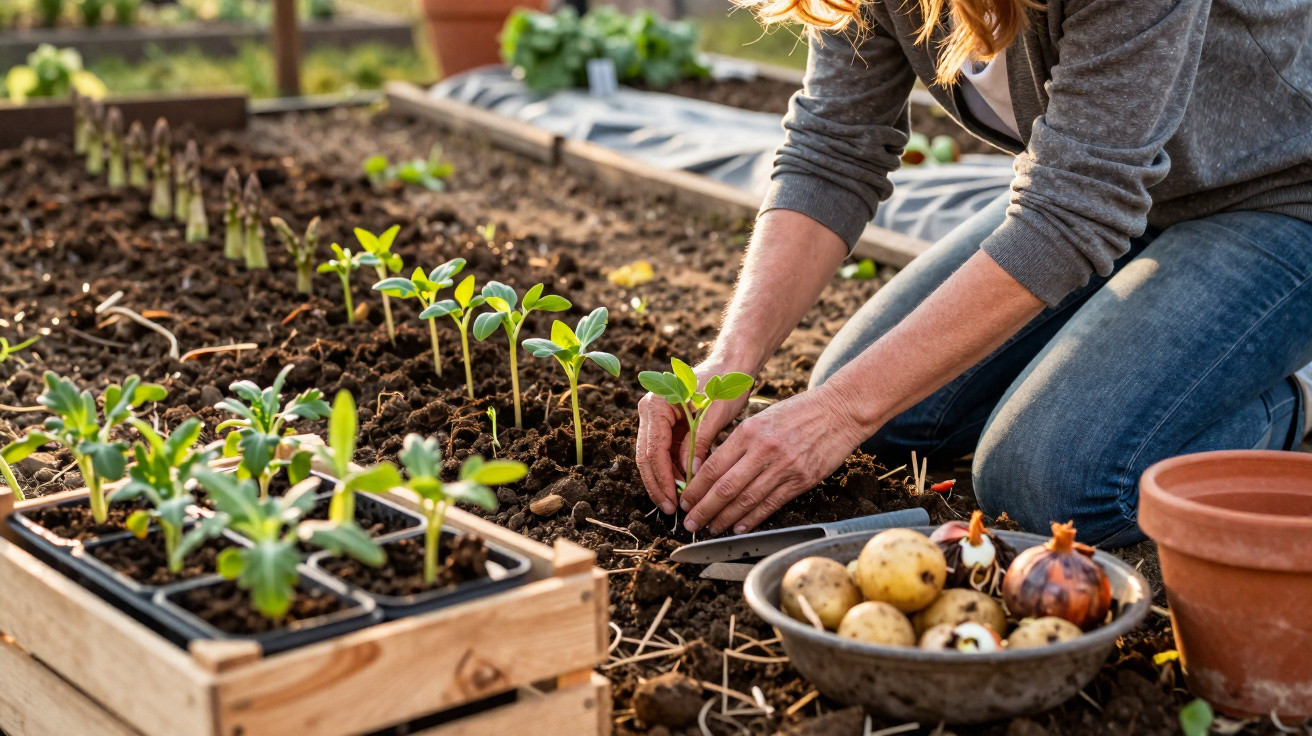
If you only sow right now, you often give away weeks. Some vegetables get going far more strongly when they go into the ground as tubers, sets or young plants. That saves time, stress and, ultimately, money - especially in years when March weather can’t make up its mind.
Why planting instead of sowing is often the better choice
Transplants skip the tricky germination stage
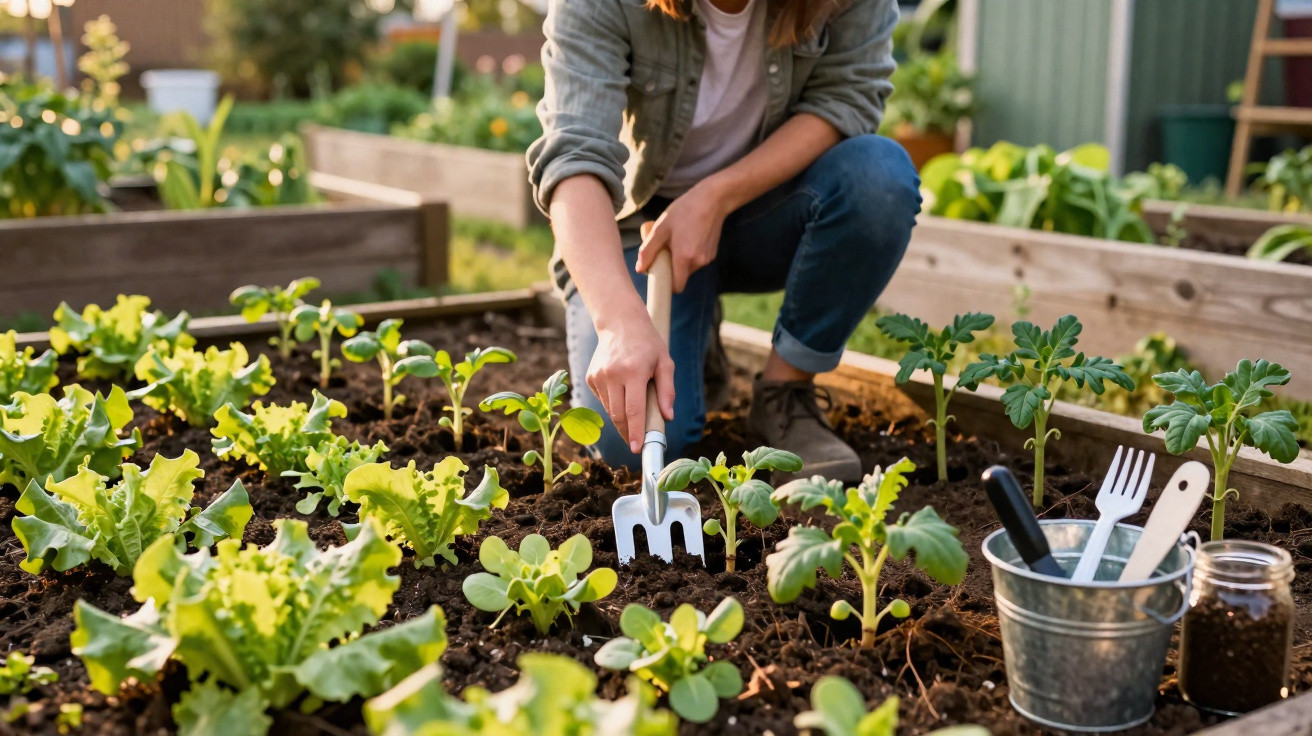
In the vegetable patch, the most fragile point is germination. Cold snaps, wet soil, slugs, fungal problems - the seed has to survive all of that before it has even properly started. By putting tubers, bulbs or pre-grown young plants straight into the soil, you bypass that phase almost entirely.
"Plants put straight into the bed usually gain a lead of two to four weeks - with the same location and the same care."
The payoff is simple: plants can make use of every mild, sunny day instead of sitting underground “deciding” whether to sprout. That not only brings earlier harvests, but often sturdier, more resilient plants with higher yields.
The right moment: not too early into the mud
As tempting as spring feels, planting into waterlogged ground is an invitation to rot. The most reliable check is as straightforward as it gets:
- Pick up a handful of soil
- Squeeze it, then open your hand again
- If it crumbles apart loosely, you’re good to go
- If it stays as a sticky clump on your spade or shoes, the soil is still too wet
Only when the ground stops smearing and your tools stay reasonably clean while digging should the first tubers and sets go in. Waiting for that point saves a lot of frustration.
These tubers and bulbs want to go into the ground now
Potatoes: plant earlier, harvest earlier
Potatoes can be chitted indoors very easily. Once the shoots are short and sturdy and the soil in the bed has dried out, you can get started.
As a practical guide for planting:
- Row spacing: about 60–70 cm
- Spacing in the row: 30–35 cm
- Planting depth: roughly 8–10 cm
Place the chitted tubers carefully with the shoots facing upwards. That way they can take off as soon as temperatures rise. Faster growth also reduces the risk of fungal diseases, because the plants quickly build a stable canopy of leaves.
Garlic, onions, shallots: small bulbs, big impact
All these alliums benefit from an early start in soil that is still cool, but no longer freezing. In most home gardens they’re rarely sown - planting sets is simply far more dependable.
| Crop | Plant spacing | Depth |
|---|---|---|
| Onions | 8–10 cm | only lightly cover with soil |
| Garlic cloves | 10–15 cm | 2–3 cm below the surface |
| Shallots | 15 cm | tip just visible |
Orientation matters: tip upwards, and cover the top with no more than a thin, loose layer of soil. If the little bulbs sit too deep in heavy, wet ground, they effectively “suffocate” and rot away.
Perennial delicacies: when sowing is hardly worth it
Asparagus: plant crowns rather than waiting years
Raising asparagus from seed sounds charming, but it demands patience. It can take five years before you get a proper harvest. If you plant one- or two-year-old asparagus crowns instead, you cut that wait noticeably.
For asparagus to establish for the long term, one thing matters above all: water must be able to drain away. Crowns go into a loosened, slightly raised row. Spread the roots out like a fan, then cover them with loose soil. Over the years, you build the ridge up gradually.
"Asparagus forgives many things - but not waterlogging. Soil that is too wet in spring is its biggest enemy."
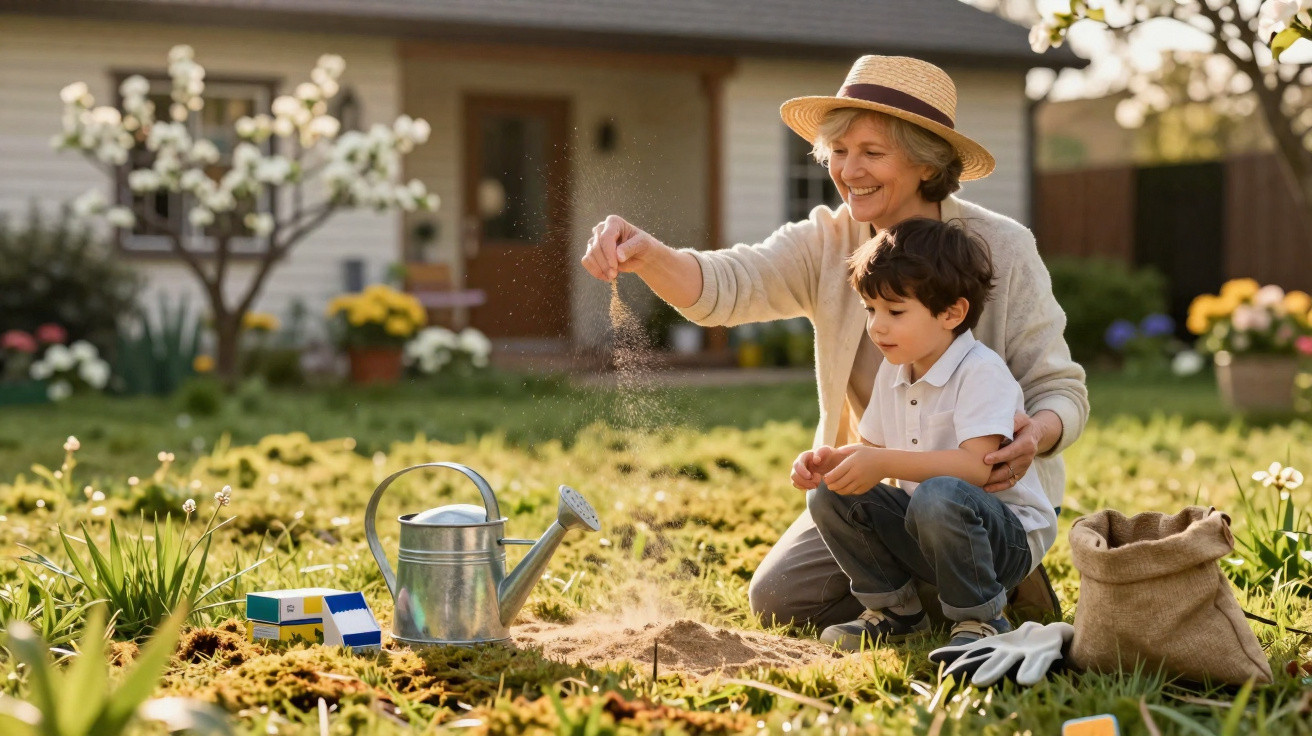
If your garden isn’t sandy, work in plenty of coarse sand or fine gravel. That prevents water from sitting around the roots, helping the plants thrive for many years.
Artichokes: choose robust young plants over fussy seeds
Artichokes are striking perennials with lots of foliage and a big footprint. Sowing works only under ideal conditions, so for most home gardeners, buying young plants in pots is far less stressful.
They prefer a warm, sheltered spot with deep, fertile soil. Before planting, it’s worth adding a generous amount of well-rotted compost into the planting hole. That gives the plants a strong start and helps them establish well in the first year.
Getting the soil ready after winter
Gentle loosening instead of aggressive digging
Traditionally, many gardeners reach for a spade and turn the soil over completely. That can harm soil life, break up fine structures and often creates more issues than it solves.
Gentler options include:
- Cultivator or grubber: loosen only the top layer
- Broad fork: push in, lever slightly, do not turn the soil
- Work old plant residues in as mulch rather than removing everything
This approach leaves the underground ecosystem largely intact. At the same time, more air gets in and the sun can warm the soil sooner. That extra warmth is exactly what tubers and bulbs use for a rapid start.
Protect young plants from late frosts
March may tempt you with sunshine, but nights can still bring freezing surprises. If you plant early, you need a back-up plan for cold spells.
Proven protection measures:
- Lay horticultural fleece loosely over the bed and weigh down the edges
- Simple polythene tunnels over rows of potatoes or onions
- When frost is forecast, cover in the evening and ventilate in the morning
Under fleece, a small microclimate forms - not tropical, but often two to three degrees warmer than the surroundings. That can be the difference between “slightly nipped” and “completely frozen”.
With smart planning towards a generous summer harvest
Which plants benefit most from being planted
For beginners in particular, the choice can quickly feel confusing. A useful rule of thumb is:
- Potatoes, garlic, onions, shallots: in the home garden, plant rather than sow
- Asparagus, artichokes: start with young plants or a piece of root/crown, not seed
- Tomatoes, peppers, pumpkin, courgette: ideally start indoors, then plant out later
If you consistently use sets and young plants for this group, you’ll have more time and headspace for fussier sowings such as carrots, lettuces, spinach or radishes.
Less stress in April, more yield in summer
When potatoes, onions and the rest are already in, April tends to feel far calmer. Beds are laid out, the key rows are marked, and plenty is already growing. That leaves you free to focus on sensitive crops such as young tomato plants, without still scrambling to do the basic groundwork.
By combining methods in early spring - sowing some crops and planting others - you create a garden that gets moving quickly. Harvests are spread more evenly across the season, losses matter less, and the effort pays you back on the plate more than once.
For many home gardeners, it’s worth challenging old habits. Not every crop has to begin as a seed. Tubers, onion sets and strong young plants often deliver faster and more reliably, with far less frustration. Once you’ve tried it, this approach quickly becomes part of your spring routine.
Comments
No comments yet. Be the first to comment!
Leave a Comment