
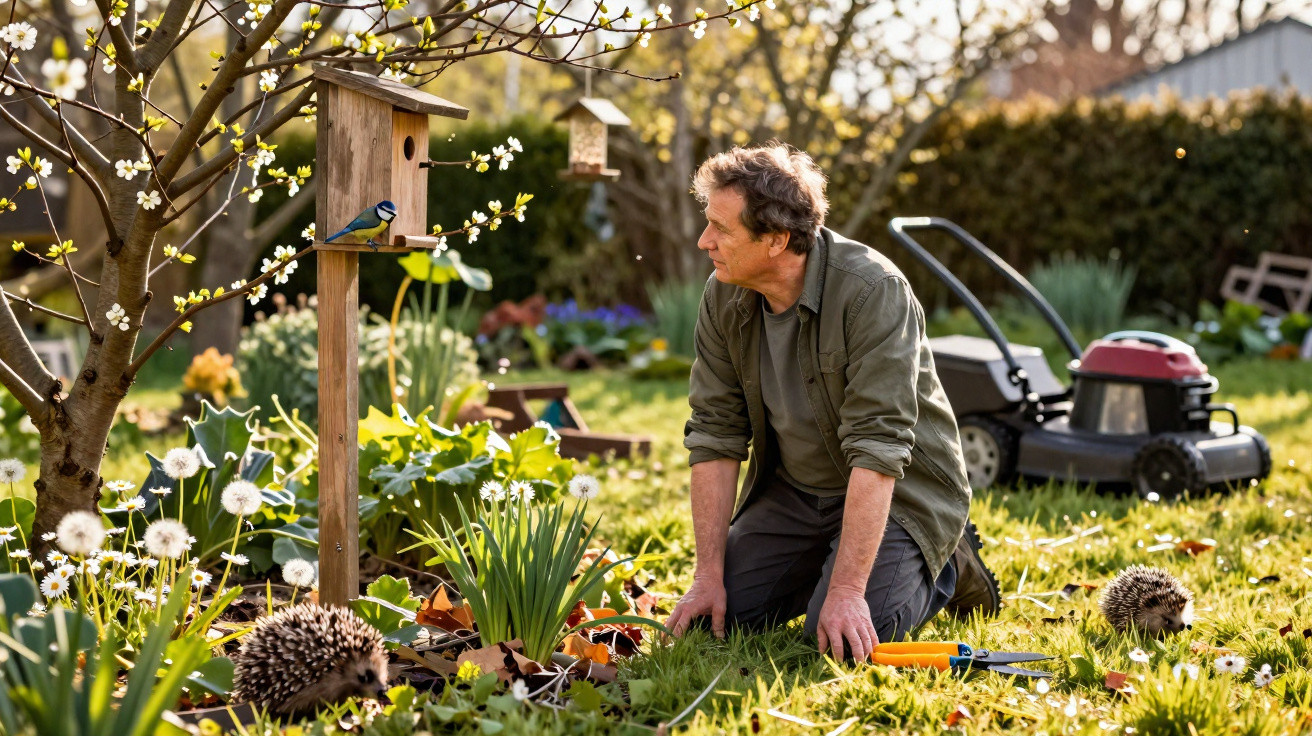
Anyone hoping to watch tits, blackbirds and robins often reaches for the lawnmower, the hedge trimmer and a bag of bird food. Yet that very routine can make a garden less appealing to birds and insects. Conservationists are now urging a fairly radical change of mindset: do less, let more grow - especially in spring and summer.
Five widespread misconceptions that drive tits out of the garden
1. Cutting and sawing in spring - the worst possible timing
In March, many people set to work with enthusiasm: trees are thinned out, hedges are clipped into neat lines, and shrubs are pruned back into shape. For wildlife, however, this is the least suitable moment.
“Between mid-March and the end of August is peak season for nesting, young and cover - every chainsaw disrupts an entire ecosystem.”
During this period, blackbirds, finches, tits and many other species look for dense twigs, holes in branches and undisturbed hedges to build nests and raise their chicks. Any major pruning can:
- expose or destroy a nest that is already in place,
- scare off parent birds, which may then abandon the brood,
- remove crucial shelter from cats and crows.
Specialists therefore advise moving tree and hedge cutting to autumn and winter, when the breeding season has finished and fewer animals depend on these structures.
2. A lawn like a golf course - tidy to look at, lifeless in practice
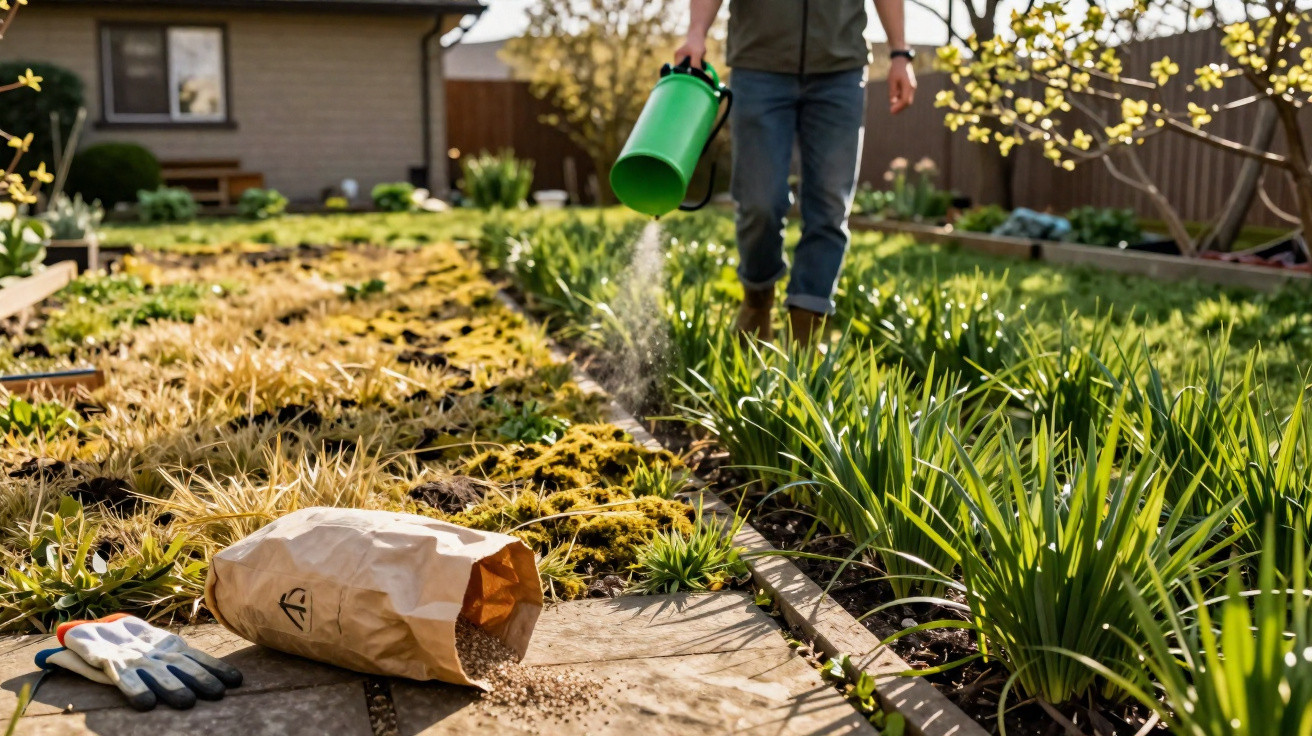
An ultra-short, immaculate lawn may look smart, but from nature’s perspective it is a green desert. Where grass is shorn close to the ground week after week, wildflowers and herbs simply cannot establish.
When those plants disappear, so do:
- solitary bees and bumblebees,
- caterpillars and other insects,
- beetles, spiders and larvae - in other words, food for tits, sparrows and more.
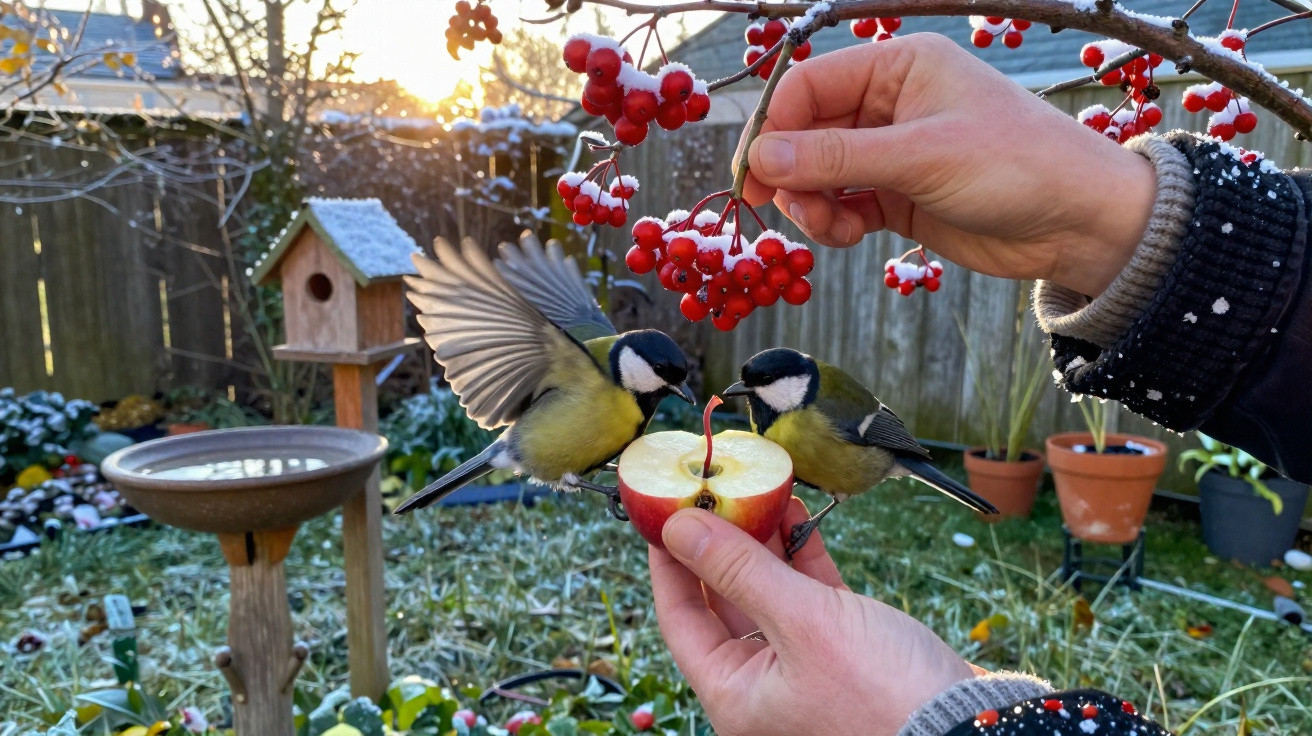
Tits, in particular, raise their young largely on insects and larvae. If that food is missing, they will often move elsewhere. By contrast, letting parts of the lawn grow a bit taller and mowing less uniformly creates small “islands” full of life.
“A few square metres of longer grass and flowers are enough to make the garden interesting for birds again.”
There is also a practical bonus: longer grass helps prevent the soil drying out, holds on to moisture and cuts down on watering in summer.
3. “Weeds” - an underestimated foundation for birds and insects
What many people automatically pull up can be vital for a wide range of species. Seeds from wild plants such as thistles, amaranth and plantain provide finches, siskins and other seed-eaters with a key food source.
At the same time, many butterflies lay their eggs on very specific plants, for example:
- nettles for several species of day-flying butterflies,
- sorrel and clover for the caterpillars of various whites,
- certain clovers and wood-sorrels for more specialised insects.
If every “self-seeded” plant is removed as soon as it appears, these animals lose both their nursery and their feeding table. A better approach is a sensible compromise: borders, paths and patios can remain neat, but along fences, in corners and beneath shrubs, allow whatever turns up on its own to grow.
4. Constant digging - the hidden harm below the surface
The top layers of soil are packed with earthworms, beetles, woodlice, springtails and microorganisms. They turn leaves and plant debris into humus and keep the ground open and workable. Many birds hunt for food in exactly this zone.
“Every spadeful destroys tiny habitats, tears open tunnels and exposes animals to sun and predators.”
Deep digging in spring, in particular, disrupts this finely balanced system. If you want a more wildlife-friendly garden, it is better to work with:
- mulch layers made from leaves or grass cuttings,
- shallow loosening with a hoe,
- compost instead of artificial fertilisers.
That way the soil stays alive - and living soil means more food for tits and other insect hunters.
5. Refilling feeders in spring - well meant, but mistimed
Many bird lovers put feeders out in autumn and keep them topped up well into spring. That can be genuinely helpful in winter, but in March and April it often does not match what birds need.
At this time of year, many species switch their diet: seeds matter less, while insects, spiders and larvae become crucial. Young birds, above all, need animal protein.
“Instead of new fat balls, spring calls for more beetles, caterpillars and spiders - which means more natural structures in the garden.”
A better plan is to scale back winter feeding in good time and focus on making the garden itself a larder - with wild plants, dead wood, piles of leaves and less intensive maintenance.
The simplest approach: leave the tools alone in spring
Nature and wildlife organisations recommend disturbing the garden as little as possible from mid-March to the end of August. This does not mean letting everything become a jungle; rather, it means deliberately leaving certain areas alone.
Typical zones that can remain natural without any problems include:
- one corner of the lawn that is mown only twice a year,
- a pile of leaves beneath a shrub,
- a hedge that is not cut until autumn,
- a small patch of nettles or wild herbs.
This creates stepping-stones for insects, spiders, small mammals and birds. If you want to go a step further, add a small water spot - for example, a shallow dish with a few stones to help wildlife climb out. During heatwaves, birds and insects make heavy use of these mini water sources.
The right way to deal with fledglings and hedgehogs in the garden
A young bird on the ground - not always an emergency
In spring and summer, partially fledged young birds often end up on the ground before they can fly well. Many are picked up too quickly, even though their parents are still feeding them.
- If the bird looks uninjured and is calling, it is usually best to leave it alone.
- Only if there is immediate danger (a road nearby, a cat right next to it) is it worth moving the bird into a shrub or onto a low branch.
- A completely naked chick, or one with very few feathers, should be returned to the nest if you can reach it.
Catching them and putting them into cardboard boxes does more harm than good in most cases.
Hedgehogs as quiet garden residents
Hedgehogs also benefit from a garden that is not overly “tidied”. Leaf piles, undisturbed corners and dead wood give them cover and places to overwinter. If you spot a hedgehog at night shuffling through the grass, simply watch it and do not feed it.
Leaving out bread, milk or cat food in the garden can quickly cause an unbalanced or deficient diet. Only animals that are injured, listless or wandering around in daylight need help - in that case, it is sensible to call a local rescue centre.
Why every garden matters for biodiversity
Studies have shown for years that many common bird species are declining noticeably, especially in towns and suburbs. Sealed surfaces, monotonous gravel front gardens, dense development and pesticides put wildlife under pressure.
“Every square metre managed in a nature-friendly way works like a tiny nature reserve in the middle of a neighbourhood.”
A wilder garden does more than improve conditions for birds, insects and small mammals. It also acts like a mini climate control system: more shade, less heat, and better water retention during heavy rain. Anyone who avoids gravel gardens and lets plants, shrubs and trees grow helps stabilise the microclimate right outside their front door.
Many terms used in nature conservation can sound abstract. In the end, “biodiversity” simply means the variety of species and habitats - precisely what develops when not every corner is maintained to the millimetre. When you combine measures such as a wildflower meadow, a hedge instead of a fence and a small pond or water bowl, the benefits reinforce each other: more insects provide more food for birds, while more structure creates hiding places for hedgehogs and amphibians.
The real skill is learning to relinquish control: start the mower less often, tolerate wild plants, and only cut hedges outside the breeding season. Those who can live with that are rewarded - with tits at the bird bath, butterflies over long grass, and a garden that feels less like decoration and more like a living habitat.
Comments
No comments yet. Be the first to comment!
Leave a Comment