
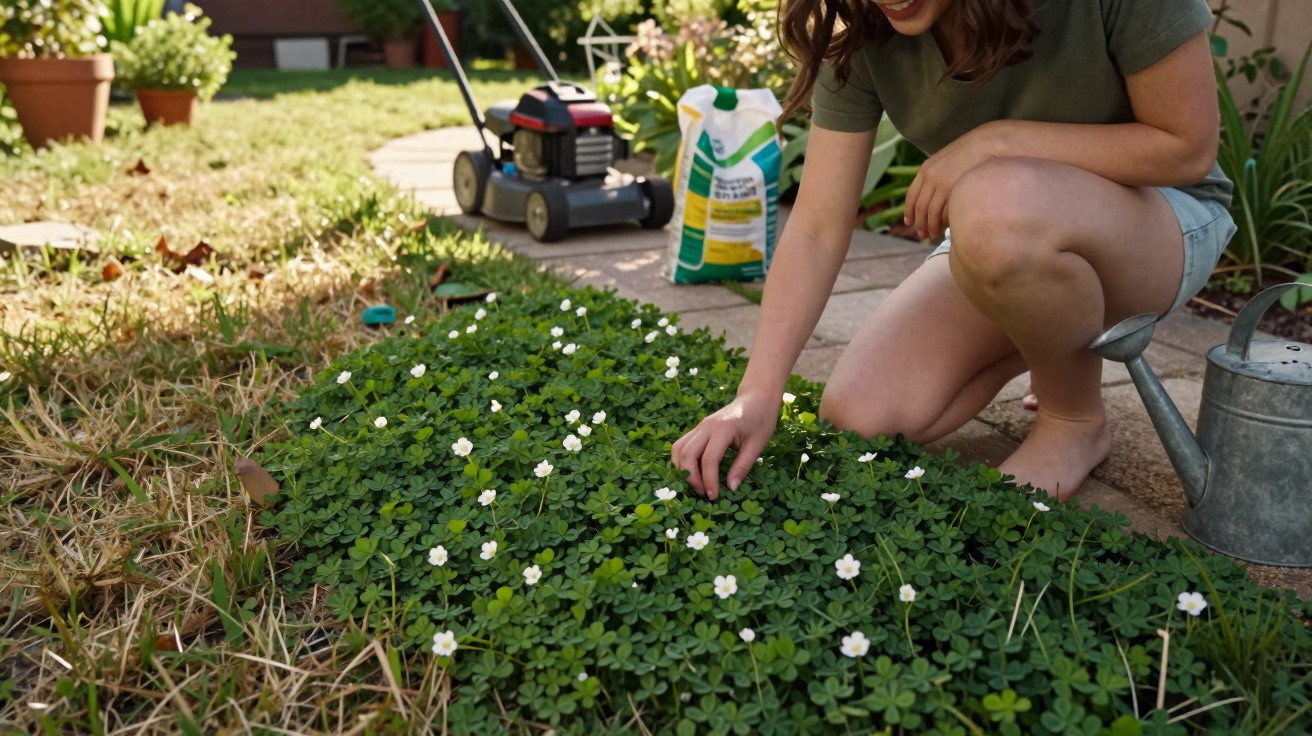
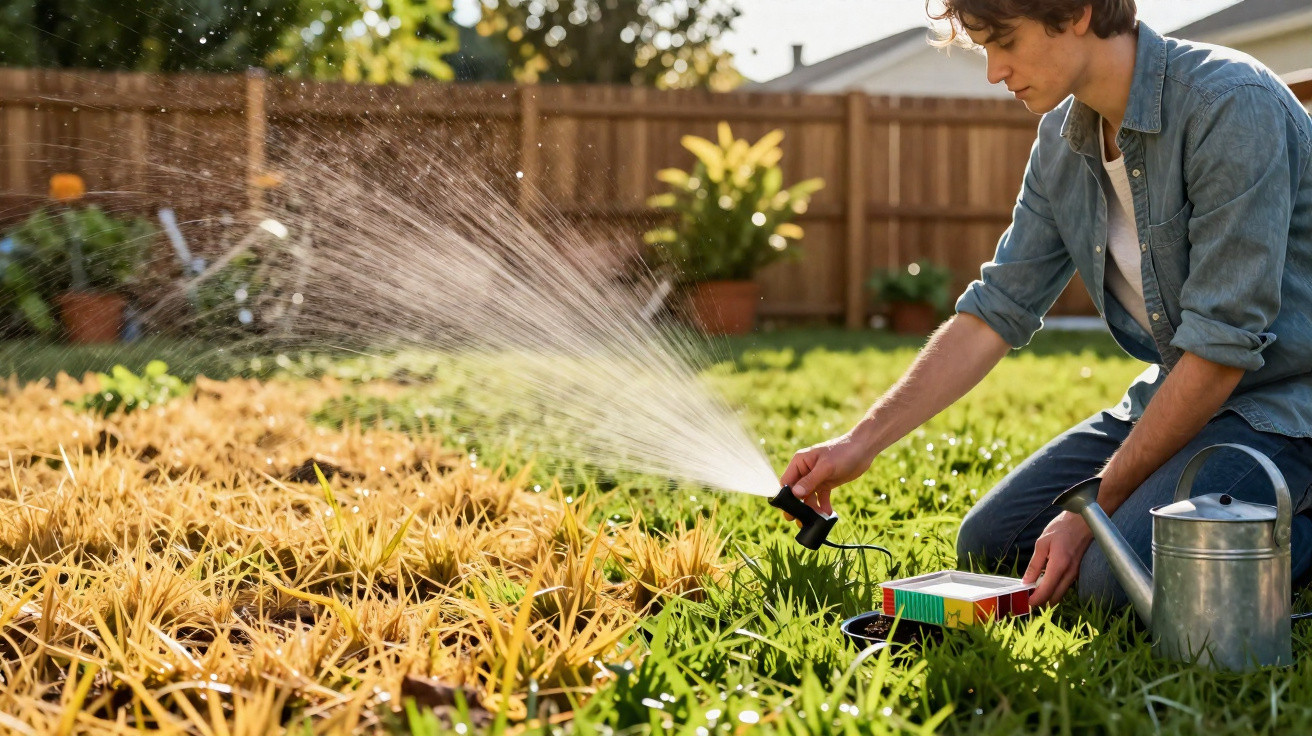
Many hobby gardeners will recognise the pattern: in spring the lawn still looks reasonably presentable, but once the first heatwaves arrive it turns patchy, yellow and thirsty. While the hose is running constantly, the bank balance feels like it’s freezing. Landscape designers and environmental organisations are therefore increasingly pointing to alternatives - above all to one plant that gets by with almost no maintenance and still forms a dense, green carpet.
Why conventional grass lawns have become a problem
For years, a traditional ornamental lawn made from grasses was seen as the picture of the “perfect” garden. With longer dry spells and growing water scarcity, that ideal is becoming harder and harder to sustain. Many grass plants cope poorly with heat, demand ongoing attention, and consume resources.
- Very high water demand in summer
- Regular use of fertiliser
- Weeks of mowing season with noise and petrol use
- Yellow, bare patches after dry periods
Organisations such as international water authorities and associations in the landscaping sector are therefore promoting alternative ground cover. The aim is to cut water use, reduce maintenance, and still provide a comfortable surface to walk on. Among the various options - from herb mixes to tough perennials - one plant has moved particularly strongly into the spotlight.
The small clover variety as a new lawn alternative
This refers to a specific, very low-growing form of white clover, often sold as dwarf clover or micro clover. It stays far shorter than standard meadow clover, grows extremely densely, and creates an even, bright green cushion.
"Dwarf clover forms a dense, soft carpet, stays surprisingly green even in midsummer, and needs far less care than conventional grass."
Its leaves are tiny, and the plants usually reach only about five to fifteen centimetres in height. Anyone walking barefoot across an area of dwarf clover notices the difference quickly: it feels soft underfoot, has a gentle spring, and doesn’t become as prickly as many grass mixes after a hot summer.
Built-in natural fertiliser
One key advantage lies in the plant itself: like all legumes, clover fixes nitrogen from the air. Bacteria on the roots convert it into a form the soil can absorb. As a result, the area largely feeds itself, which can greatly reduce - or even eliminate - the need for standard lawn fertilisers.
That helps not only your budget, but also the environment. Less fertiliser means fewer nutrients being washed into groundwater and surface waters - a point water specialists highlight again and again.
Much less work: what care is actually required
If you switch to dwarf clover, you’ll feel the difference by the first full year in the garden. The ongoing upkeep drops to a bare minimum.
- Watering: Up to 20–50 percent less water needed compared with a classic lawn, depending on soil and climate.
- Mowing: Instead of weekly passes, a shaping or maintenance cut once or twice a year is usually enough.
- Fertilising: Often no longer necessary, as the plants fix their own nitrogen.
- Costs: Estimates suggest annual spending can fall from around 150 Euro to under 15 Euro once petrol, fertiliser and water are included.
In practice, the biggest effort is right at the start. If you do the groundwork properly, you’ll have far less to do later.
How to convert from lawn to dwarf clover
The best time to sow is in spring - especially April - when the soil has warmed up but there is still adequate moisture. The crucial point is to establish the area properly, rather than simply scattering seed into an existing lawn.
Step by step to your new area
- Remove old growth: Clear away the old turf and weeds thoroughly. If you leave either in place, you risk the dwarf clover being suppressed.
- Loosen the soil: Lightly rake the top layer or loosen it with a garden cultivator. This helps the fine roots take hold.
- Level the surface: Use a rake to smooth out major bumps. A level finish makes later mowing easier and looks more balanced.
- Sow the seed: Spread about ten to fifteen grams of seed per square metre evenly by hand. For larger areas, a spreader can help.
- Press in: Lightly roll the seed in, or gently tread it down with a board. Good soil contact is decisive for germination.
- Establishment phase: Water with a fine spray in the first weeks until a uniform, dense carpet develops.
"The first season is the most important phase: if you pay a bit of attention to watering during this time, you’ll be rewarded afterwards with an area that almost runs itself."
During the first months, clover builds a root system that gradually grows deeper. Specialists talk about roughly one and a half to two years before the plants are fully established. After that, the surface is impressively resilient during heat spells.
What to keep in mind in day-to-day use
Many garden owners wonder whether dwarf clover can be used for playing, lounging and entertaining in the same way as a traditional lawn. In most cases, the answer is yes - with a few small caveats.
Durability and flowering
The area copes well with normal use: children can run around, deckchairs can sit on it, and a barbecue is not a problem. Repeated wear in exactly the same places - for example, a constant path right in front of the patio door - can thin the cover slightly, just as it can with grass. A stepping stone or a small paved strip can help there.
Dwarf clover produces small flowers that attract bees and other insects. If you tend to go barefoot or react badly to stings, it’s worth bearing in mind. A quick cut during the flowering period noticeably reduces the risk.
Appearance and combinations
Visually, the surface doesn’t look identical to a classic lawn: it feels more lively, the leaf texture is finer, and the green is often more intense. Many garden designers combine dwarf clover with:
- hard-wearing herbs such as Roman chamomile or thyme
- low ornamental grasses around the edges
- small flowering islands, for example with lavender or catmint
This creates an area that is not only easy to look after, but also offers more visual interest than a uniform sheet of grass - while providing far more food for insects.
What beginners should watch out for with dwarf clover
The changeover isn’t completely risk-free. Newcomers should be aware of a few points to avoid unpleasant surprises.
- Soil: The plant is less keen on heavily compacted, wet ground. On heavy clay soils, adding sand or compost before sowing can help.
- Seed quality: Cheap mixes sometimes contain standard, taller-growing clover. If you want a consistent, low surface, look for verified dwarf varieties.
- Patience: In the first few months the area doesn’t always look perfect. Small gaps usually close on their own if there is enough moisture.
- Pets: Dog owners should know that urine marks are often less noticeable on clover than on grass, but heavily used spots can still suffer here too.
Why the trend is likely to last
With stricter rules on water use, rising energy prices, and a growing desire for more biodiversity in gardens, low-maintenance ground cover is attracting greater attention. Dwarf clover meets several of these demands at once: it saves water, cuts maintenance, reduces the need for fertiliser, and provides food for pollinators.
For many gardens in German-speaking regions, the plant can replace a lawn entirely; in other cases, it works at least as an addition - for instance, in particularly dry, sunny spots where grasses only survive with effort. If you convert your areas step by step, you can test how the new greenery performs day to day without immediately rebuilding the whole garden.
Terms such as legumes, nitrogen fixation, or ground cover may sound technical at first, but here they essentially describe one thing: a group of plants that improves the soil, supplies itself with nutrients, and therefore delivers exactly what many hobby gardeners have been looking for - a green garden without the constant battle with drought, bags of fertiliser and the mower.
Comments
No comments yet. Be the first to comment!
Leave a Comment