
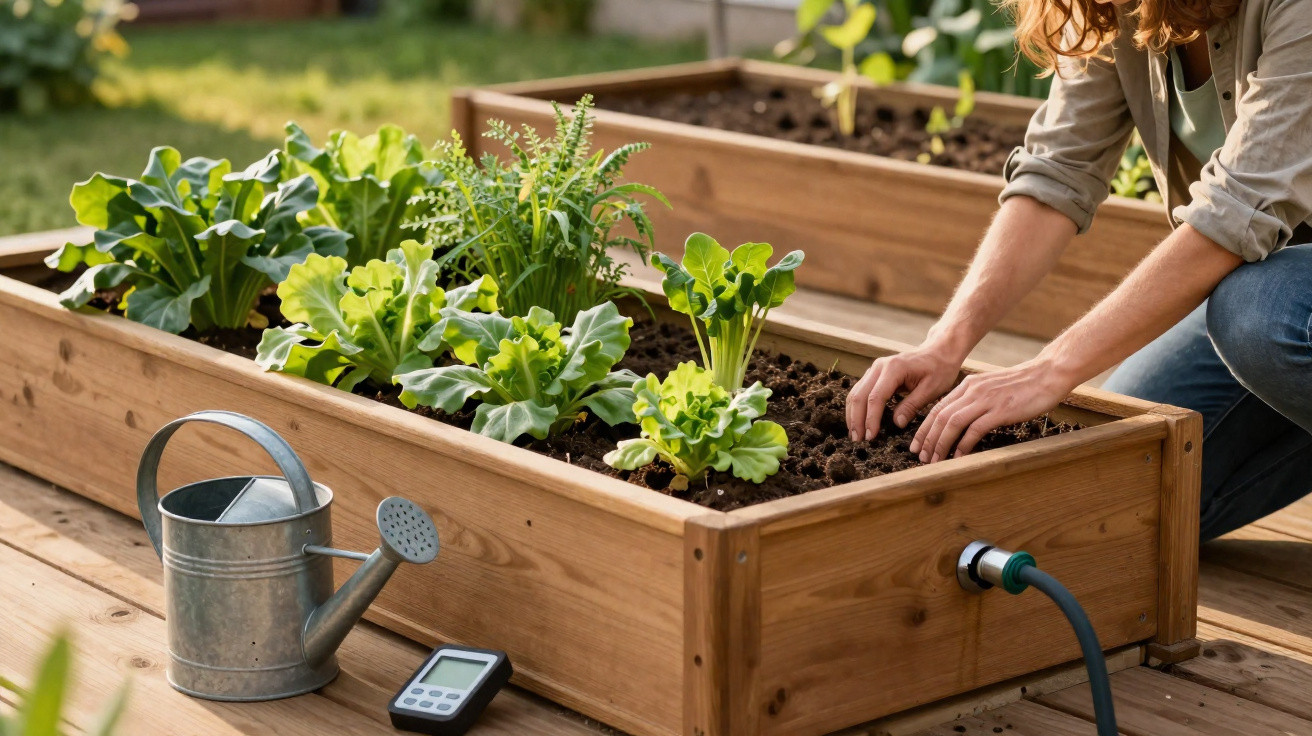
The first time you make a raised bed, it brings a real sense of achievement. New timber or gleaming metal, heaps of dark compost and tidy rows of young plants can feel full of promise. After heading indoors to wash the soil from your hands, you may feel quietly pleased with the low-maintenance arrangement you have seen across social media. Then the sun shines for three consecutive days, and the bed suddenly appears… exhausted. The foliage is limp. The soil has drawn back from the sides like a dried-out sponge. When you push in a finger, it is completely dry halfway down.
So you water it - heavily. By the following day, it is dry once more.
It hardly seems fair.
Why raised beds dry out so fast (and why it’s not your fault)
If it seems as though your raised beds swallow water endlessly, you are not being overly cautious. Soil in a raised structure is exposed on more surfaces - above, at the front and back, and often beneath - so it has greater contact with sunshine and wind. This added exposure increases evaporation and draws moisture away from plant roots. Even when temperatures are cool, a gentle breeze can remove water from the bed more quickly than you can replace it.
The material used to fill the bed also plays a part. New raised beds are frequently filled with light, airy combinations of compost, topsoil and bought-in amendments. These mixtures provide excellent drainage for roots, but water can pass through them rapidly when there is nothing present to retain it.
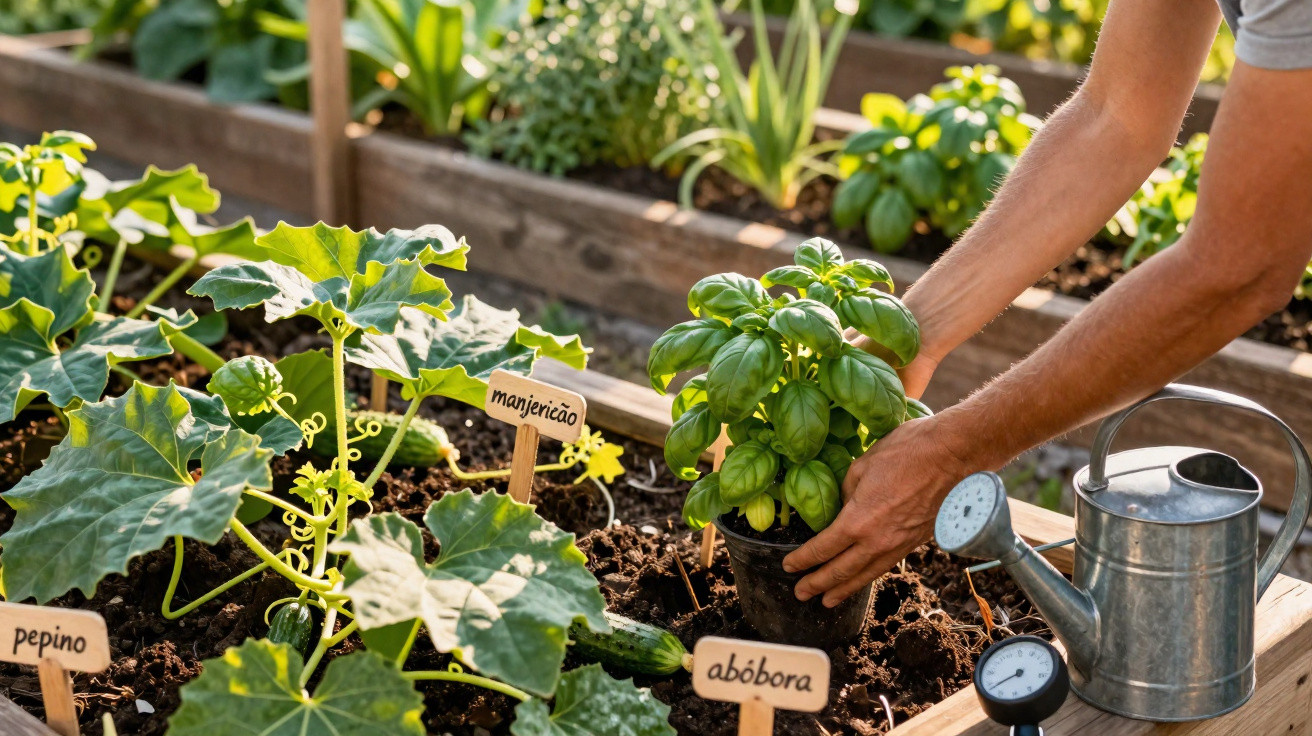
Imagine a familiar suburban garden. A gardener spends a weekend constructing two immaculate cedar boxes, brings in a lorry-load of “raised bed mix”, then plants tomatoes, lettuce and basil. Throughout the first month, the result looks ready for a magazine photograph. Once summer becomes dry, however, the lettuce bolts, tomato foliage curls and the basil looks unhappy regardless of how often the hose is used.
By August, that gardener is moving a sprinkler every evening, seeing water sit on the surface before vanishing within minutes. The growing medium has receded from the edges and become firm - appearing fertile while behaving like concrete. The plants survive, but the pleasure has gone from the routine. We have all reached that point of wondering whether raised beds were simply an Instagram trap.
The explanation involves both physics and biology. Raised beds function rather like oversized containers, while container soil dries more rapidly than soil in the ground. Their growing mix is commonly rich in compost but lacks durable organic matter, causing it to settle and lose its structure during the season. As it contracts, spaces form between the soil and the bed sides, making the edges act like chimneys that release moisture.
Sunlight warms the exposed frame, and that heat moves into the soil, increasing evaporation. Wind passes over the elevated surface and draws moisture upwards. Where the base consists of stones or loose gravel, water may not remain around the roots at all. This is not poor gardening; it is simply how raised beds perform when water retention has not been considered.
Changing the bed, not just the watering can
A lasting solution for raised beds requires you to think partly like an engineer and partly like a forest floor. Begin with the bed’s construction. Rather than filling it entirely with a light, fluffy medium, create layers. Put coarse, carbon-rich materials at the base, such as branches, twigs, partly decayed wood or shredded cardboard. Above this, add an approximately equal blend of native soil and compost.
Complete the bed with a looser, compost-rich planting layer. The woody material beneath works as a sponge and gradual-release store, taking in spring rainfall before returning moisture upwards as the weather warms.
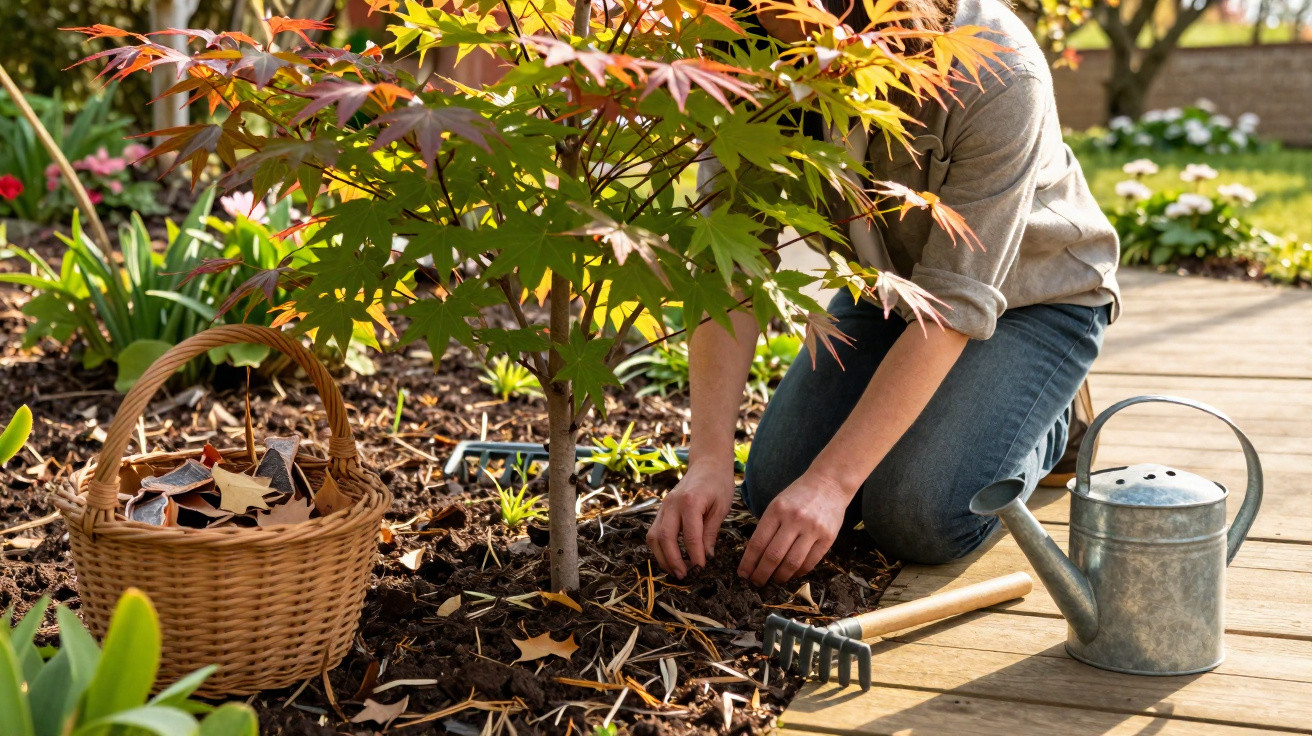
Next, look at the surface: mulch. An uncovered raised bed in July resembles a baking tray left inside an oven, whereas a mulched bed is closer to a shaded woodland path. Once the soil has warmed in late spring, spread 5–8 cm of organic mulch around the plants. Shredded leaves, straw, dried grass clippings or wood chips between rows can all greatly reduce evaporation.
Many gardeners initially avoid a deep mulch layer because they are concerned about slugs or an untidy appearance. The simple reality is that bare soil in a raised bed is likely to dry and split. Mulch is not merely ornamental; it is the primary insulation layer. As it decomposes, it nourishes the soil and gradually moves the bed towards a more self-regulating ecosystem.
Watering practices also need a gentle adjustment. Raised beds respond much more effectively to slow, thorough watering than to brief daily sprinklings. Drip lines or soaker hoses positioned beneath mulch send water straight to the root zone, with little lost to sunshine or wind. When watering manually, water for longer and less frequently, allowing it to soak in instead of flowing off the edges.
“I stopped thinking of my raised beds as flowerpots and started treating them like mini fields,” a market grower told me. “Once I put drip under mulch and added woodier material at the bottom, I cut my watering hours in half.”
- Layered fill – A woody base, mineral soil + compost through the middle, and rich planting mix at the top.
- Permanent mulch cover – Maintain 5–8 cm of organic material, topping it up once or twice yearly.
- Slow, targeted watering – Place drip or soaker hoses below mulch and run them for longer, less often.
- Organic matter every season – Add compost, leaves or well-rotted manure to keep the soil sponge working.
- Wind and sun breaks – Use simple fencing, shade cloth or taller companion plants around the bed edges.
A bed that learns your climate over time
When you begin to regard raised beds as living systems rather than fixed boxes, your relationship with them changes completely. The first year can still be thirsty, particularly in hot or windy areas, but the soil behaves differently with every season that you add organic matter, deepen the mulch or adjust the watering system. It starts retaining water without becoming waterlogged. Roots grow further down. Even during scorching weather, the surface remains cool.
You may also find that individual crops “tell” you about moisture conditions. Lettuce and peas show distress early, while tomatoes and peppers cope with slightly greater stress. Perennial herbs scarcely react. That feedback is invaluable, allowing you to refine conditions one bed at a time rather than blaming either yourself or the weather.
| Key point | Detail | Value for the reader |
|---|---|---|
| Layer the fill | Woody base, mixed soil/compost middle, rich top layer | Creates a long-term moisture reservoir under plant roots |
| Cover the surface | Mulch 5–8 cm deep with organic materials | Slows evaporation and keeps soil cooler and more stable |
| Water differently | Use drip or soaker hoses for slow, deep irrigation | Reduces daily labour and keeps moisture where plants need it |
FAQ:
- Why does my raised bed soil pull away from the sides? This gap forms when compost-heavy mixes dry out and shrink. As the soil dries, it contracts and no longer touches the bed walls, producing air channels that speed up moisture loss. Add organic matter every season and mulch the surface to maintain steadier moisture levels.
- How often should I water raised beds in summer? There is no universal timetable. As a broad guide, water deeply 2–3 times weekly in hot conditions instead of giving a light sprinkle each day. Push a finger 5–7 cm into the soil: if it is dry at that depth, it is time to water.
- Are metal raised beds worse for drying out? Metal may warm more quickly in direct sunshine, particularly on south-facing sides. This can increase evaporation near the edges. Mulch within the bed, plant slightly more densely beside the walls, and consider a light-coloured exterior or shade on the sunniest side.
- Should I put rocks or gravel at the bottom for drainage? In most home gardens, gravel at the base simply allows water to drain away more quickly. It does not improve drainage around roots in the way many people expect. A more useful “bottom layer” is coarse organic matter, such as branches and sticks, which retains water and slowly decomposes.
- Can I fix a too-dry raised bed without rebuilding it? Yes. First soak the bed deeply, then apply a thick mulch layer. During the season, top-dress it with compost and leave roots in place after harvesting. You can also carefully make narrow holes and refill them with compost, creating moisture channels that reach deeper into the bed.



Comments
No comments yet. Be the first to comment!
Leave a Comment