
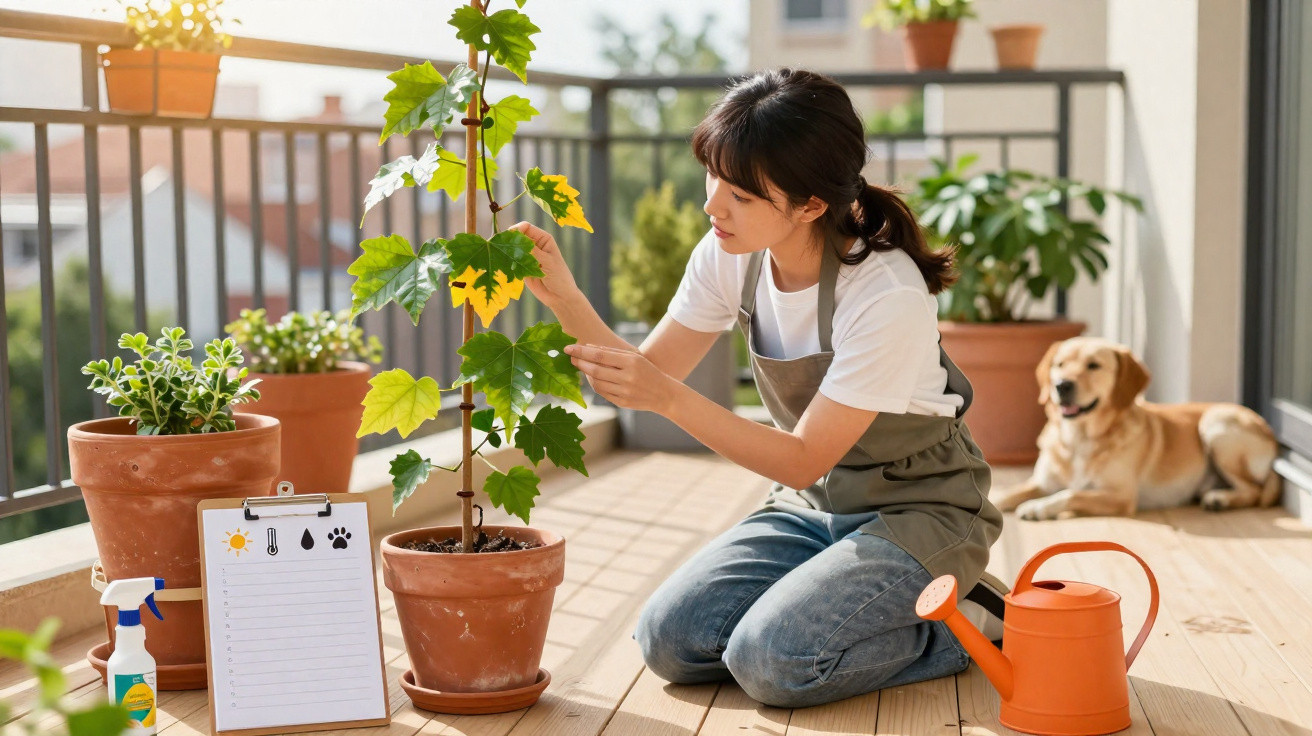
Planting star jasmine is one of those jobs where it pays to look a little closer first.
This evergreen climber is often sold as a dream plant for patios, balconies and gardens: white flowers, a powerful fragrance and very little leaf drop. In real life, though, many people end up dealing with yellowing leaves, buds dropping off, rampant shoots, or worries about dogs and cats. A few simple checks before you plant can prevent most of these issues.
Why star jasmine is so popular – and where it reaches its limits
Star jasmine (botanical name Trachelospermum jasminoides) brings a sweet scent, dense screening and a Mediterranean feel. It stays evergreen, climbs quickly up trellises, pergolas and fences, and also does well in large containers on a terrace or balcony.
Those same strengths can become drawbacks if the position, local climate and aftercare aren’t right. In colder areas, shoots can die back; on exposed, windy balconies it can dry out quickly in a pot; and against a wall with too little space it may engulf downpipes or smother neighbouring plants.
"Star jasmine isn’t a ‘plant-it-and-forget-it’ climber. Place it with intention and it will reward you – stick it anywhere in the ground and you’ll often be annoyed for years."
Climate check: will star jasmine cope with your winters?
Star jasmine comes from milder climates and only thrives outdoors where winters are relatively gentle. In places where temperatures regularly drop well below freezing, it can quickly turn into a high-maintenance concern.
- In mild wine-growing areas or sheltered river valleys, it can be planted out in the garden.
- In regions with severe frosts, it’s safer to grow it in a large container.
- On balconies at higher elevations, it needs winter protection and a spot sheltered from wind.
If the shrub repeatedly dies back to ground level, it takes a long time to reshoot, and flowering is delayed or may not happen at all. In colder regions, a position against a south- or west-facing wall is worthwhile, as the masonry stores heat during the day. If you’re planting in a pot, place the container close to the house wall and, during prolonged frosts, protect it with fleece and an insulating layer underneath.
The right position: sun, wind and space
Star jasmine thrives on warmth and light. A half-shaded, draughty balcony rarely produces a generous display of flowers. The best choice is a bright location that’s protected from strong winds.
How much sun does star jasmine need?
For dense growth and reliable flowering, it needs around 5 to 6 hours of direct sunshine per day over the long term. These situations are particularly suitable:
- A south-facing wall or south-facing balcony with protection from strong wind
- A west-facing balcony with afternoon sun
- A bright inner courtyard with reflective walls
With too little light, the plant produces long, thin shoots that stretch towards windows and brighter surfaces. Buds often drop before they open.
Keeping growth in check: without pruning it can become a nuisance
This climber grows vigorously and its twining shoots will grab on to anything within reach. Without a plan, you can quickly end up with a dense tangle of runners that overruns gutters, railings and neighbouring shrubs.
Before planting, run through this quick check:
- Is there a sturdy support structure (for example a metal trellis, strong wires, or a pergola)?
- Are there delicate shrubs or roses right next to it that shouldn’t be “climbed over”?
- Will you be able to prune and train the shoots later without having to balance on ladders?
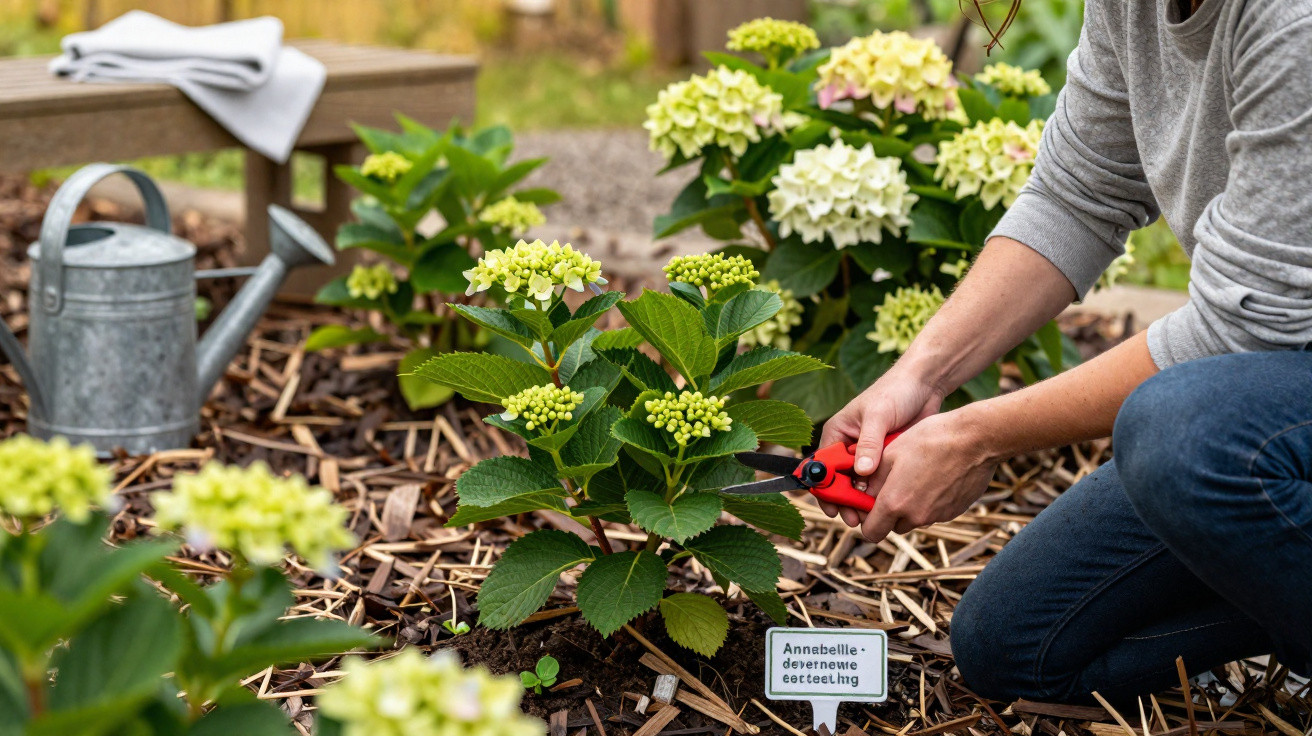
Pruning after flowering helps keep the plant tidy. If you regularly shorten the shoot tips, you encourage bushier branching and stop it from creeping into downpipes or under roof tiles.
Yellow leaves: watering mistakes and unsuitable soil are usually to blame
Many star jasmine owners panic when deep green foliage turns yellow. In most cases it isn’t an exotic fungus at all, but straightforward care errors.
Water needs: drought stress is the classic cause
Star jasmine is especially sensitive to drying out in pots. In summer, its roots sit in a growing medium that heats up strongly. If the root ball dries out completely, leaves yellow, buds shrivel and then drop.
"The root ball should never feel completely bone-dry. It’s better to water regularly and thoroughly than to just ‘dampen’ it every few days."
A few practical pointers:
- In high summer, container plants often need watering daily; on extremely hot days, even twice.
- Avoid waterlogging: use a pot with a large drainage hole and add a drainage layer of expanded clay or gravel.
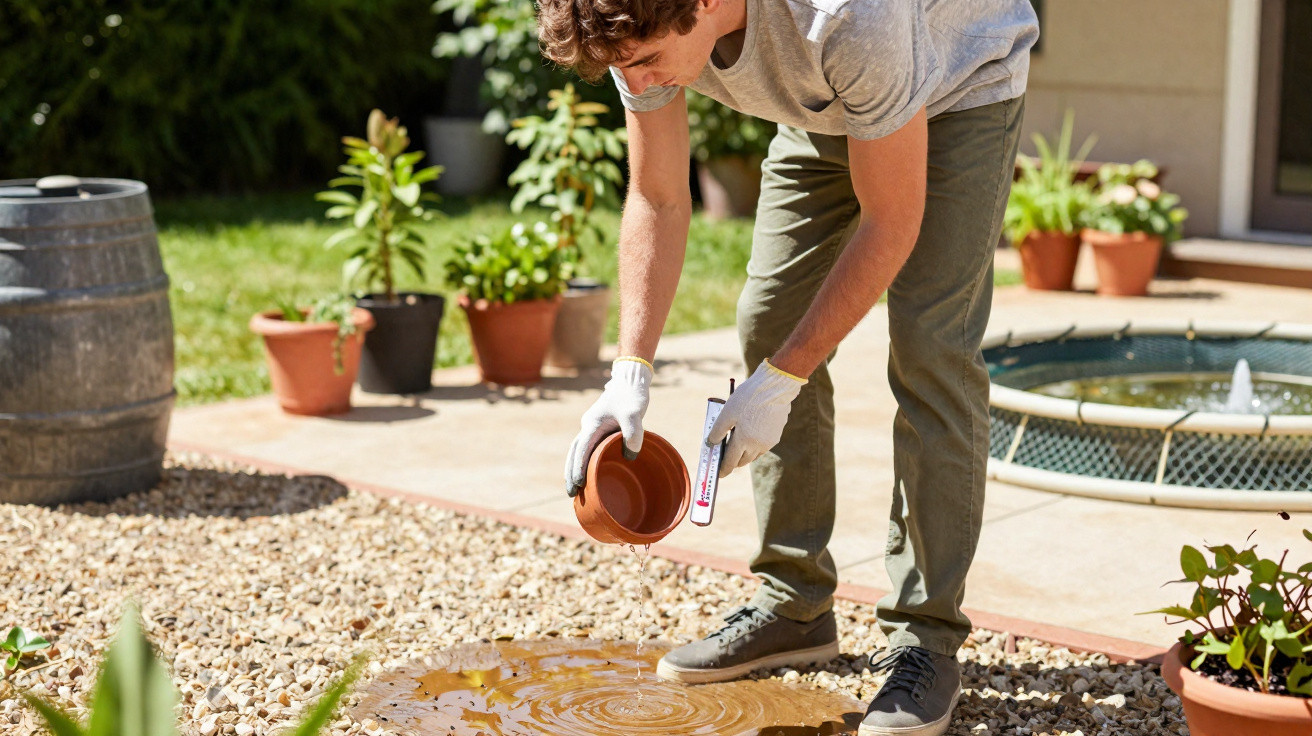
- If the compost has already dried out completely, a soak can help: stand the pot in a bucket of water for 10–20 minutes until no more air bubbles rise.
Lime and pH: when nutrients get locked out
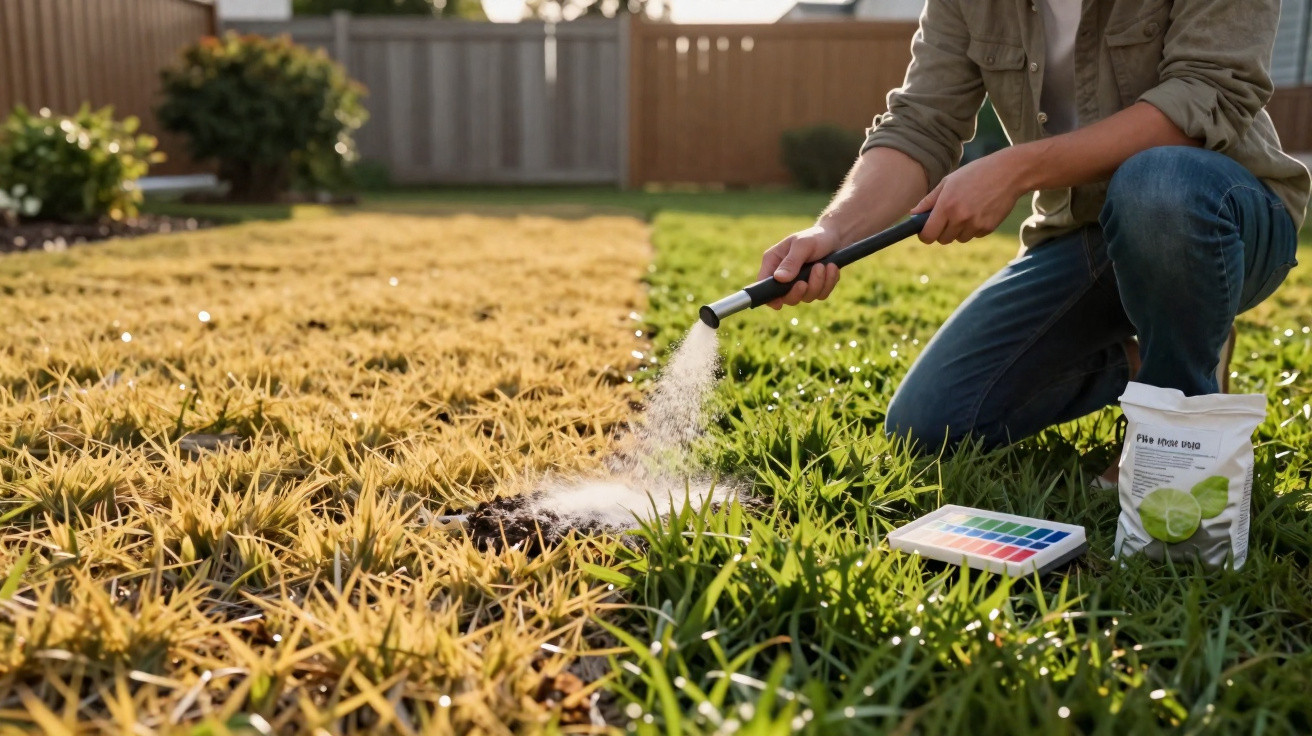
Star jasmine is fairly sensitive to lime and prefers slightly acidic conditions. In very chalky soils, or if you repeatedly water with very hard tap water, symptoms of so-called iron chlorosis can appear quickly: leaves turn yellow while the veins stay green.
What can help:
- Use rainwater for watering whenever possible.
- Mix in some rhododendron compost or ericaceous compost.
- If yellowing is severe, an iron product (for example iron chelate) can work specifically against chlorosis.
If your garden soil is very chalky, container growing is often the easier route. That way you can tailor the compost precisely without having to replace large amounts of garden soil.
Watch for pests: when leaves go sticky and turn black
Star jasmine is generally considered tough, but certain pests crop up repeatedly-especially in sheltered spots, conservatories, or tight balconies with little air movement.
Scale insects, mealybugs and similar pests
Scale insects, mealybugs and other sap-suckers commonly sit on shoots and leaves. They excrete a sugary coating known as honeydew, which can then attract black sooty mould. The plant can look sticky and stained dark.
To tackle an infestation, these steps are useful:
- Cut back heavily affected shoot tips decisively and dispose of them.
- Spray with a mild plant treatment based on soft soap (potassium salts of fatty acids) or plant oil, making sure to wet the undersides of leaves too.
- Monitor the plant and repeat treatment according to the manufacturer’s instructions.
Flowers and leaves chewed by beetles or slugs can often simply be dealt with by hand. Many gardeners swear by a bucket of soapy water as the “final stop” for unwanted visitors.
Risk to pets: when star jasmine becomes a problem
Dog and cat owners in particular shouldn’t ignore toxicity. Certain parts of the plant are considered potentially toxic. If animals chew leaves or shoots, stomach upsets, vomiting and marked lethargy are possible.
"If you have young dogs, curious cats or rabbits roaming freely in the garden, don’t plant star jasmine right at their nose level."
It can also be unpleasant for children. The shoots contain a white milky sap that may irritate sensitive skin. When pruning, that means:
- Always wear gloves.
- Keep sap away from eyes and face.
- Don’t leave cuttings lying openly on the lawn where animals could pick them up.
If you want to be extra cautious, position the climber somewhere pets can’t reach-such as high up a wall, behind a fence, or in a fenced front garden with no animal access.
Checklist before planting: how to avoid trouble with star jasmine
| Point | Question | What to do |
|---|---|---|
| Climate | Are hard frosts common in winter? | If so, plant in a container and plan winter protection. |
| Position | Are there 5–6 hours of sun and shelter from wind? | Find a suitable wall or balcony; otherwise flowering will be weak. |
| Ground/compost | Is the soil very chalky or heavy? | Use an acidic, free-draining growing medium or switch to a pot. |
| Watering | Can you water daily in summer? | If time is tight, plan for larger containers and automatic watering. |
| Support | Do you have a sturdy frame or wire system ready? | Install it before planting so shoots can be trained immediately. |
| Pruning | Will you be able to reach the shoots comfortably later? | Choose a planting spot that avoids “ladder acrobatics”. |
| Pets & children | Can they reach leaves and shoots? | If necessary, choose a different location or plant an alternative. |
Practical tips for healthy, dense star jasmine
For a strong start, it’s worth not cutting corners at planting time. In the garden, a generously sized planting hole, loosened soil and an initial dose of organic feed help roots spread quickly. In a pot, the plant needs a fairly airy compost that holds moisture but doesn’t become waterlogged.
Many gardeners find a light shaping prune after the main flush of flowers works well: long, bare shoots are reduced and branching is encouraged. Over time, this produces a thick green wall rather than just a few lengthy runners.
If you want to make the most of the scent, plant star jasmine close to seating areas, patio doors or windows. The evening fragrance is especially strong when warm air rises along house walls and carries the aroma towards the balcony or living room.
Which alternatives suit pet-friendly gardens?
If you have pets that like to chew everything, it may be wiser to choose less problematic climbers. Traditional climbing roses, some tougher clematis varieties, and honeysuckle can also offer abundant flowers and fragrance, sometimes with a lower risk to animals. Each plant has its own requirements, but in a family garden it’s worth checking lists of pet-friendly species.
Star jasmine is less suitable for shady north-facing walls; here, ivy or climbing hydrangea usually cope better. They don’t flower as intensely as the Mediterranean climber, but they create a dependable green backdrop without constantly struggling with lack of warmth and water.
Ultimately, the deciding factor is the site: if you assess the conditions on your balcony or in your garden honestly and follow the checklist, star jasmine becomes a wonderfully scented asset-rather than a yellow-leaved problem area with worries about dogs and cats.
Comments
No comments yet. Be the first to comment!
Leave a Comment