
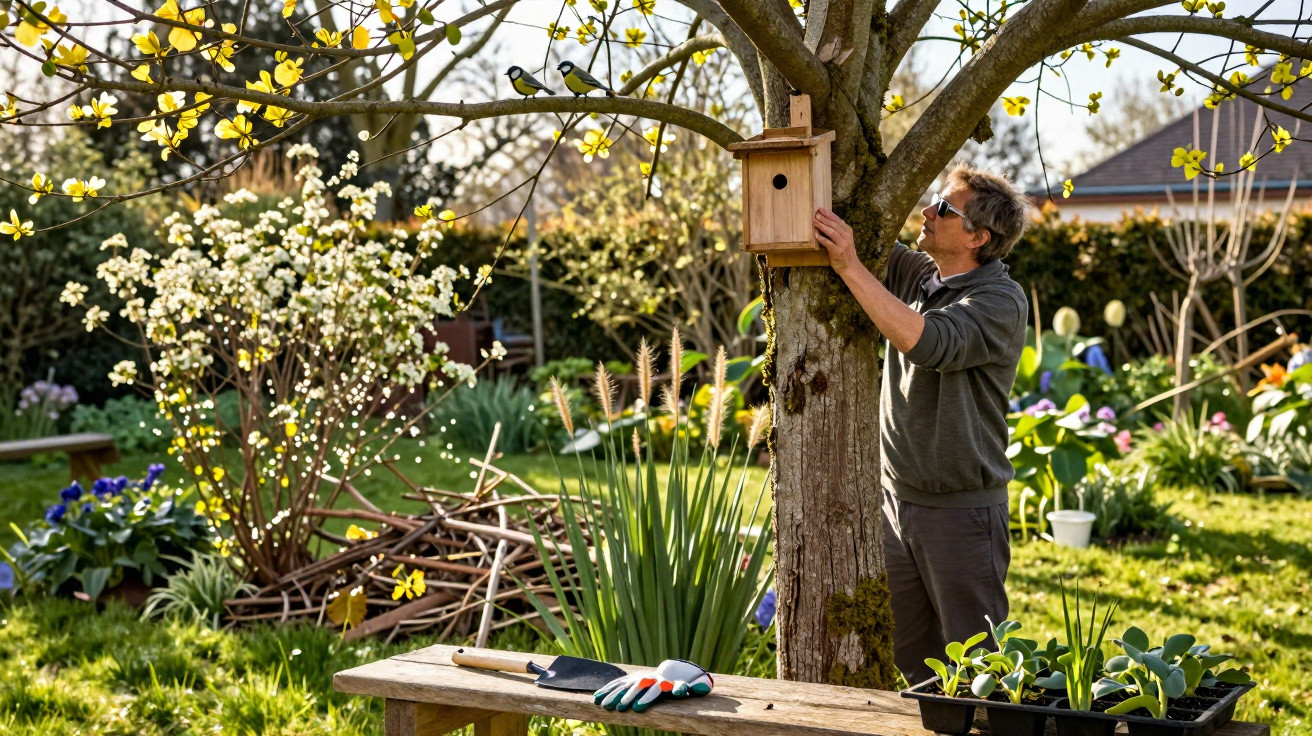
In March or April, a quick look out of the window first thing makes one thing obvious: every branch, hedge and crack in a wall suddenly matters. Tits in particular are urgently searching for safe nesting spots and enough food for their chicks. Many people respond by quickly screwing a nest box to a tree - and then wonder why not a single bird moves in. The decisive factor is usually somewhere else in the garden.
Why the classic nest box on its own rarely makes much difference
Nest boxes are seen as the standard fix for attracting tits. They help, without question. But experts from bird conservation organisations have been saying the same thing for years: a box is only one piece of the puzzle. If the surroundings are wrong, it will stay empty.
When choosing a territory, tits focus on four essentials:
- A safe nesting site - sheltered from rain, wind and predators
- Plenty of food - especially insects for the chicks
- Cover - shrubs and bushes to hide in
- Short distances - food and nest must not be far apart
A bare lawn with a single nest box feels less like a home to tits and more like a car park.
So if you buy a decorative box from a DIY shop, hang it in an otherwise sterile garden and change nothing else, disappointment is common. The surprisingly effective lever is this: let the garden become a little more natural - and a little wilder - again.
The unexpected method: simply leave natural nesting sites alone
Most people keep their gardens meticulously tidy: old boards go, rotten branches get cut away, cracks in walls are sealed up, and leaf piles are cleared. That sort of “order” can remove the very hiding places birds rely on.
Tits don’t only use nest boxes; they also depend heavily on natural cavities such as:
- Cracks and gaps in house walls or sheds
- Knot holes in older trees
- Spaces under roof tiles or within timber cladding
- Cavities in ageing fruit trees
Rather than sealing every small opening, it pays to look closely: where could a gap be left intentionally? Where could an old stump be allowed to remain? Very often, it’s enough not to flatten and “tidy up” everything completely.
The real trick is often not buying something extra - but deliberately doing less clearing up.
If leaving openings feels risky because of building protection, you can create sheltered spaces in less critical areas instead: for example, a rustic timber shelving unit with voids by the shed, a tall stack of branches and thick twigs in a quiet corner, or a dry-stone wall with small joints.
A lively garden instead of a monotonous lawn
Tits need insects - especially when chicks are waiting in the nest. Insects, in turn, need flowers, structure and places to hide. A closely mown lawn with a few exotic plants in pots offers almost none of that.
Which plants really help tits
Native shrubs and trees are particularly valuable because they attract insects and also provide seeds or berries. Common examples include:
- Hedges made from privet, hornbeam, hawthorn and blackthorn
- Berry shrubs such as elder, currant and gooseberry
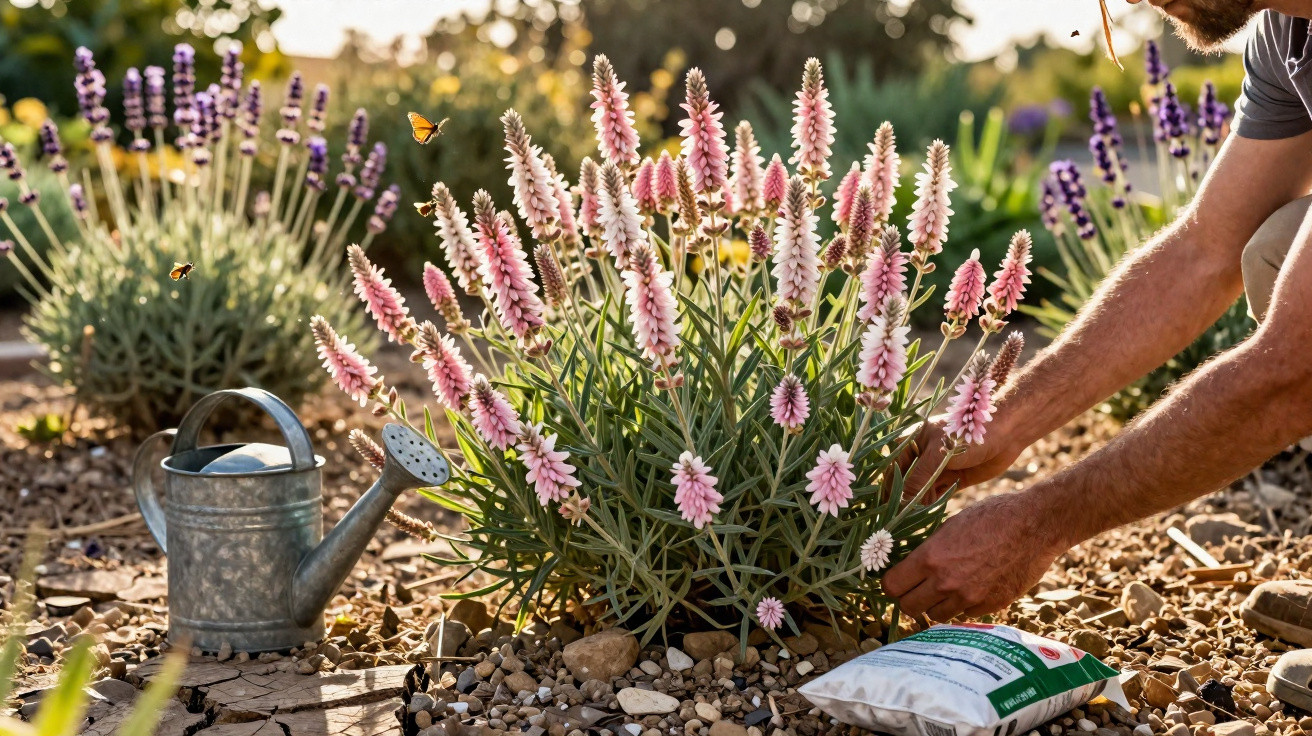
- Flowering wild perennials such as oxeye daisies, bellflowers and wild carrot
- Fruit trees with a bit of age, which can later develop hollows
Planting like this creates a genuine insect buffet. By comparison, sterile ornamental plants that may look attractive but provide neither nectar nor seed are close to useless for birds.
Why variety matters more than perfection
Many amateur gardeners aim for “neat” spaces: a uniform hedge, a perfectly smooth lawn, beds lined up in straight rows. For tits, a garden becomes more appealing the more varied its layout is.
Useful features include, for example:
- Several different shrubs rather than a single hedge species
- Corners where leaves are allowed to stay
- Multiple height layers: ground cover, perennials, shrubs and small trees
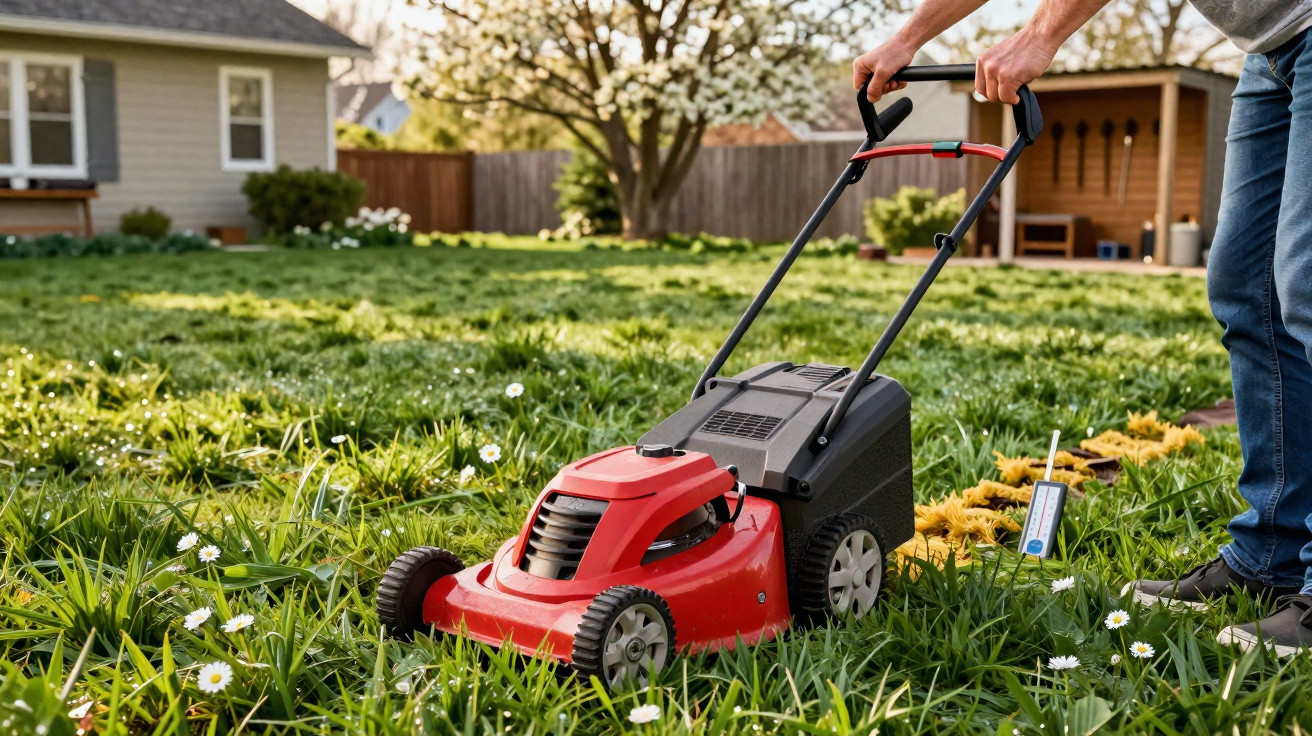
- A meadow area that is only cut once or twice a year
The more structures and plant species a garden offers, the more insects will be buzzing around - and the more interesting it becomes for tits.
How to position nest boxes correctly
Once the garden is a bit denser and wilder, it’s worth taking a closer look at the nest sites themselves. A nest box becomes much more effective when a few basics are followed.
- Height: ideally around two to four metres above the ground.
- Direction: the entrance should face east or south-east where possible, not into harsh west sun or midday heat.
- Quiet location: not directly above the patio or a play area.
- Protection: hang the box so cats and martens struggle to reach it.
- Cleanliness: carefully remove old nesting material in late summer.
If you put up several boxes, avoid placing them too close together. Tits defend their territory, and too little spacing quickly leads to conflict and stress.
Protection from weather and predators: dense shrubs as places to retreat
Strong winds, prolonged rain or intense heat can be hard on small songbirds. Dense, evergreen shrubs therefore act as a protective barrier throughout the year.
Suitable choices include, for example:
- Yew (in a spot where children and dogs cannot snack on the berries)
- Box or robust box substitutes
- Cherry laurel in moderation, ideally combined with native shrubs
- Holly, if the soil conditions suit it
These shrubs provide shelter without demanding much work. They serve as a landing point, an emergency hideaway and a resting place between feeding trips.
Small changes, big impact: what you can do this weekend
Many steps can be started over a single weekend without turning the entire garden upside down. A realistic mini plan could look like this:
| Step | Action | Benefit for tits |
|---|---|---|
| 1 | Mow one corner of the garden less often from now on | More flowers, more insects, more food |
| 2 | Make a small pile of branches and leaves | Shelter for insects, therefore also a food source |
| 3 | Plant one native shrub | Cover, nesting opportunities and often berries too |
| 4 | Re-aim an existing nest box or rehang it | Better chances that a pair will accept it |
What you should avoid
Many well-meant actions do more harm than good for tits and other garden birds. Three stand out:
- Widely used insecticides: they kill exactly what tits need to raise their chicks.
- Hard pruning in spring: if shrubs are already being used, a severe cut destroys nests.
- Unmarked glass surfaces: large panes can easily become deadly traps.
A gentler approach is best for everything that crawls and flies. A few nibbled leaves in summer are a good sign: it means caterpillars and beetles are doing well - and that means young birds will, too.
Why tits are so valuable for your garden
By attracting tits, you’re not only supporting charming singers; you’re also helping the balance of the garden. The birds eat caterpillars, aphids and other insects that can badly damage plants. Many hobby gardeners report that they need noticeably fewer sprays since tits and other small birds started visiting regularly.
There’s also an emotional benefit: a garden where great tits and blue tits are acrobatically hopping through the branches feels more alive, calmer and friendlier. Children also learn, almost incidentally, how animals incubate, feed and fledge. Once you’re used to the sight, you won’t want to be without it.
In the end, one small step is often enough to get things moving: leave one corner intentionally untidy, plant a native shrub, or stop filling in an old crack in a wall. Tits notice very quickly when a garden gives them space again - and repay it with a morning concert right outside the door.
Comments
No comments yet. Be the first to comment!
Leave a Comment