
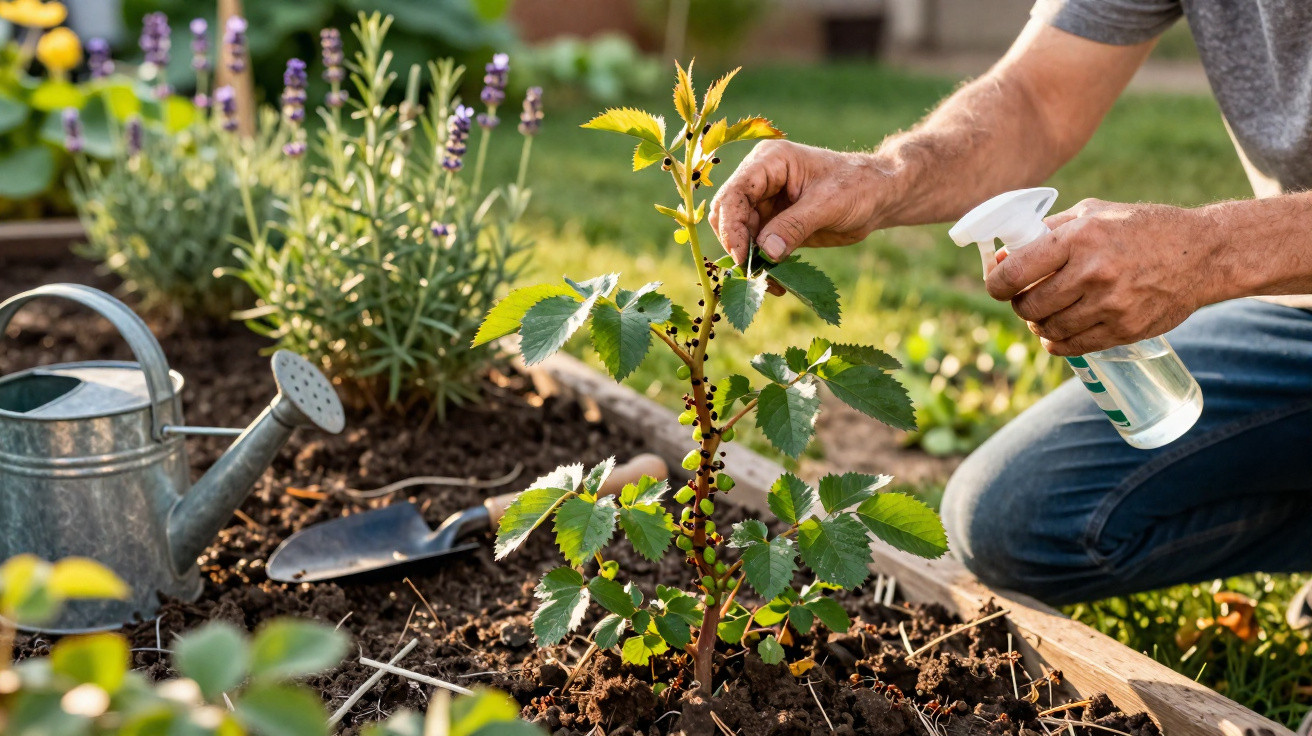
People scatter powders, put up barriers, pour on specialist treatments - and still the ants return. The real trigger is often sitting right in the border: certain plants whose leaves, sap or fruit look to ants like a ready-made feast. Plant them without thinking, and you can end up attracting whole colonies - sometimes right up to your front door.
Why ants suddenly seem to be everywhere
Ants can feel like a nuisance at first, but their behaviour is systematic: they settle where food and shelter make it worthwhile. Typical signs are small soil mounds in sunny spots, long “roads” running through flowerbeds, and eventually a steady march through the patio door and into the house. Many gardeners then reach for chemical solutions on instinct - without getting to grips with what’s actually drawing the ants in.
"Ants don’t turn up ‘for no reason’ - they follow a food source. If you know what it is, you can keep them under control far more effectively."
One of the biggest drivers is other insects, especially aphids. They form the basis of a quiet partnership that benefits ants enormously.
Aphids as a hidden lure
Aphids cluster on shoots, buds and leaves of many ornamental and edible plants. They pierce the plant and feed on sap, and in the process excrete a sugary liquid known as honeydew. For ants, that’s an energy-rich snack served directly on the plant.
Ants effectively “milk” aphids. They protect them from predators, even move them to fresh growth, and in doing so help the infestation spread. Where aphids are plentiful, ants rarely stay away for long.
Typical aphid magnets in the garden
- Roses: Fresh shoot tips and buds are a hotspot for aphids, and ants often patrol them almost constantly.
- Tender perennials and young plants: Soft tissue is easy to pierce - ideal for aphids and, as a result, ants.
- Many fruit trees: New growth on pome and stone fruit is frequently colonised by aphids.
So if you admire your roses each spring but also notice ant trails up and down the stems, you’re likely dealing with an underlying aphid issue - not “just” an ant problem.
Which plants attract ants particularly strongly
Alongside aphids, the plants themselves can provide temptations through their sap and fruit. Some species offer ants direct sugar sources or leftover food.
Fruit trees as a sweet buffet
Classic fruit trees, in particular, can contribute to an increase in ants:
- Apple trees: Damaged fruit and small injuries on the trunk or branches can leak sweet sap.
- Plum trees: Overripe or split fruit drips; fallen plums can ferment quickly and draw ants in.
These trees are often planted close to the house. From there, a direct ant “motorway” across the lawn can lead to the patio, the borders or even a conservatory.
Berry bushes as food for whole colonies
Berries can also make the situation worse:
- Raspberries: Ripe fruit drops easily or gets bruised; leaking juice is a magnet for ants.
- Redcurrants: Fallen berries or split fruit provide sugar and scraps that ants readily use.
If mummified fruit and leftovers are left beneath the bushes for a long time, the area becomes an ideal spot for ant nests - damp, sheltered and full of food.
How to tell whether plants are attracting ants
Not every rose or apple tree causes trouble straight away. These clues help you judge what’s going on:
- You notice lots of ants running up and down trunks and shoots.
- Dense aphid colonies sit on young growth or the undersides of leaves.
- Around fruit trees or berry bushes, there’s plenty of nibbled or fermented fruit on the ground.
- Nearby you can see ant mounds or fine cracks in the soil where ants emerge.
Spotting these signs early lets you act before an invasion builds up near the house.
Which plants repel ants
Gardeners aren’t powerless when ants become a problem. Some plants are avoided because their scent disrupts ants’ orientation and communication - ants rely heavily on scent trails.
"Some herbs act like a natural jammer for ants - placed deliberately in borders, they can noticeably improve the balance."
Strongly scented herbs as a natural barrier
The following are often considered particularly effective:
- Wormwood: Contains bitter substances and essential oils that ants find unappealing.
- Thyme: Its compounds can be stressful for ants or even toxic.
- Mint: The intense smell masks the scent trails ants use to reach food sources.
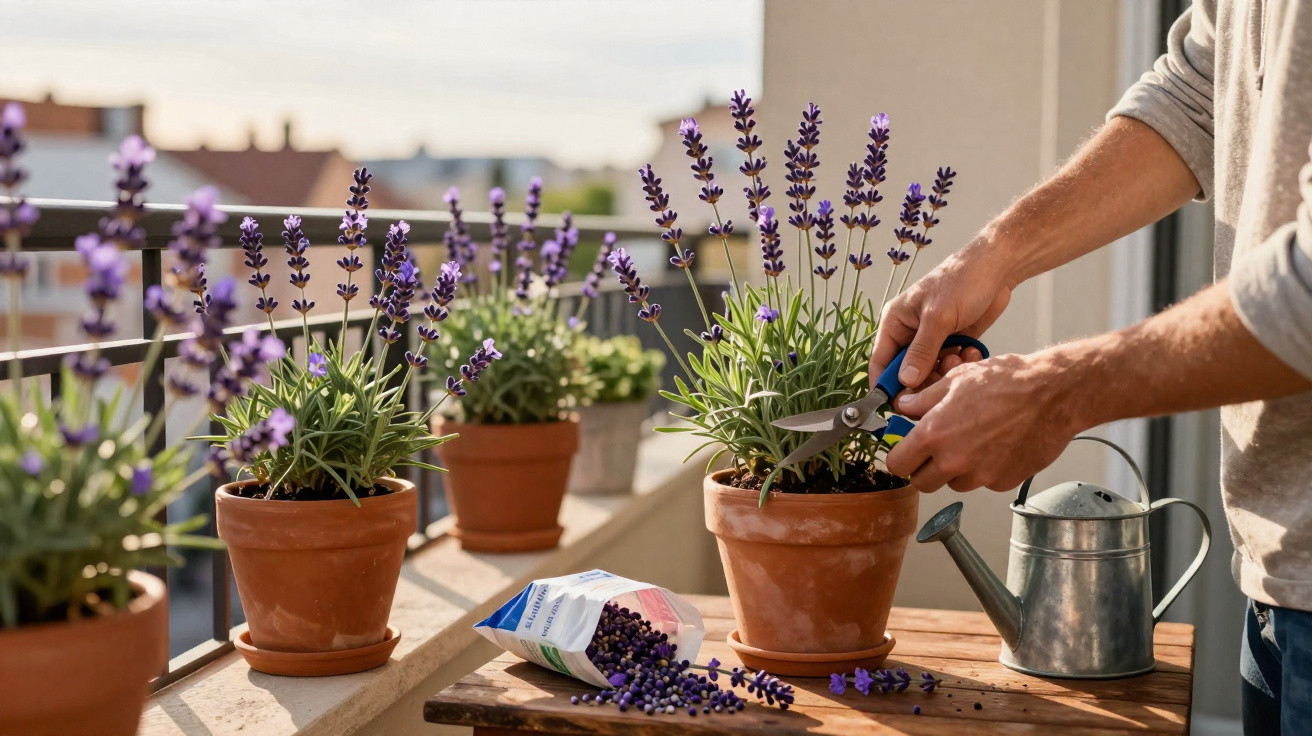
- Lavender: A strong aroma ants frequently avoid - ideal near patios and entrances.
These plants work well as edging, in herb spirals, or interplanted among ornamentals. Used this way, they form a natural belt that slows ant movements.
Strategies against ants in the garden
Swapping out a plant or two rarely solves the issue on its own. The best results usually come from a sensible combination of care, cleanliness and targeted planting.
Step-by-step approach to dealing with ants
- Reduce aphids: Check plants regularly; if needed, rinse them off with a strong jet of water or treat with gentle options such as a soft soap solution.
- Remove fallen fruit: Pick up dropped fruit under trees and bushes promptly; remove mushy patches from the lawn.
- Make nesting sites less appealing: Avoid thick layers of mulch right at the base of trunks, loosen compacted soil, and prevent waterlogging.
- Plant scented deterrents: Put mint, lavender and thyme along paths, patio edges and near doorways.
- Break up ant trails: Lay scent barriers using herbs, ground coffee or rock dust to disrupt established routes.
When ants are useful - and when they aren’t
Ants clear up many dead insects, help aerate soil and contribute to seed dispersal. In quiet corners of the garden they usually do little harm. It becomes problematic when they:
- nest directly by the patio or inside the house,
- encourage aphid colonies on fruit trees and roses,
- expose plant roots through intensive nest building.
In those areas, targeted action is worthwhile - ideally without spreading poison widely, so other beneficial wildlife in the garden isn’t harmed.
Practical examples of smart planting
If you’re creating a new garden or reorganising an existing one, you can prevent ant problems before they start. A few ideas:
- Pair rose beds with lavender and thyme - it looks good and reduces ant traffic.
- Under fruit trees, use a thin lawn layer or low-growing herbs instead of deep mulch.
- Don’t plant berry bushes right up against house walls; leave space so ants don’t automatically head for the façade.
Scented plants can also be positioned strategically in pots: mint and lavender placed by the front door or near balcony and patio access points create a gentle, fragrant barrier.
Risks and limits of home remedies
Many guides recommend aggressively spreading vinegar, salt or bicarbonate of soda. These approaches can easily damage soil life, plant roots or paving joints. In extreme cases, salt permanently alters soil structure.
A gentler approach is to combine good garden hygiene, consistent aphid monitoring and the right choice of plants. This keeps the garden thriving without letting ants take over.
If you learn which plants ants are drawn to and which scents they avoid, small changes can go a long way - often it’s enough to move a few shrubs, clear away fallen fruit and place aromatic plants thoughtfully to reduce ant columns noticeably.
Comments
No comments yet. Be the first to comment!
Leave a Comment