
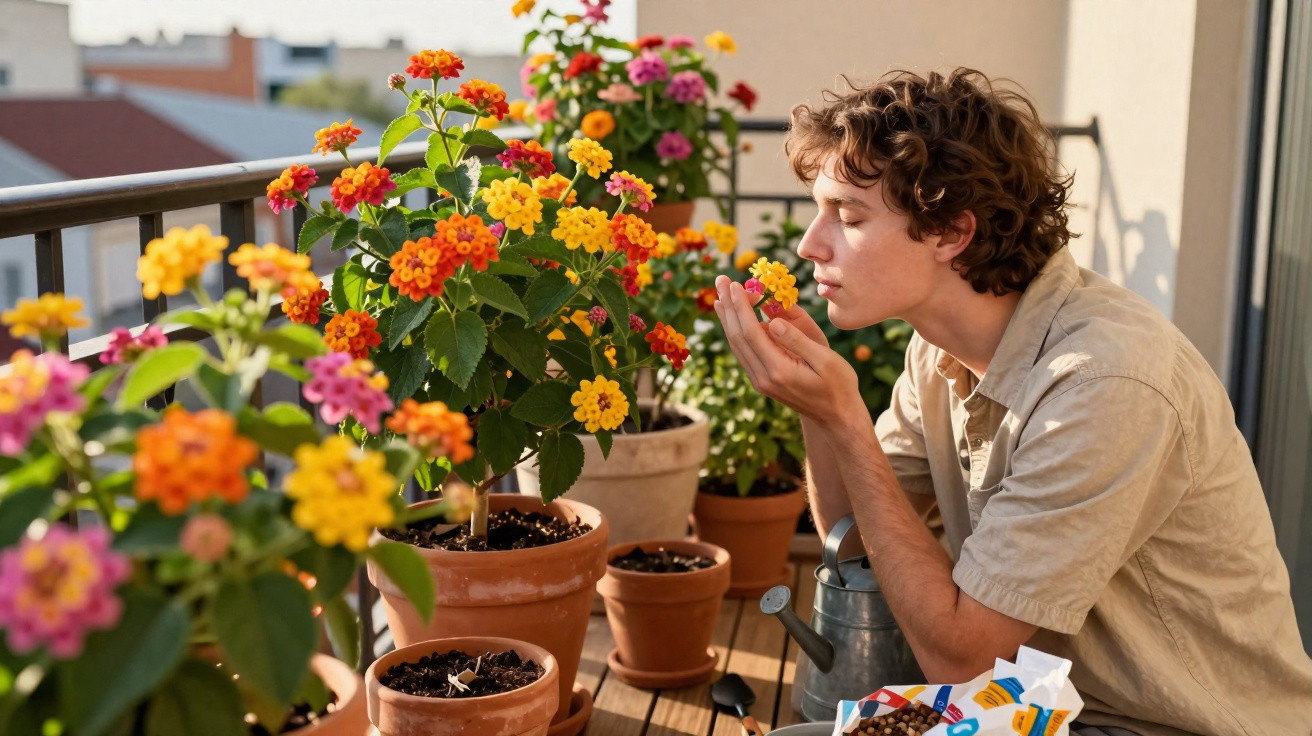
Choosing a plant for a balcony usually comes down to colour, fragrance and how easy it is to look after. Among the most sought-after ornamental options, one species stands out for combining a sweet, honey-like scent with colourful blooms that keep coming back through the year: lantana. Often known simply as garden lantana, it can turn a plain balcony into a lively, flower-filled spot with only a few basic care steps.
Why is lantana an ideal flower for fragrant balconies?
Lantana copes well with heat and wind, making it a practical choice for anyone without time for daily gardening. It suits both small and larger balconies, producing clustered flowers in shades of yellow, orange, red, pink and white, and it commonly draws bees and butterflies in.
It also tolerates strong sun, temperature swings and short dry spells-conditions that are typical on apartment balconies and home terraces. The honey-like fragrance becomes stronger during the warmest part of the day, helping the space smell pleasant without relying on artificial air fresheners.
Watch a video on the YouTube channel Pomar e Horta em Vasos about plants and mini trailing flowers that are perfect for dressing window boxes and scenting outdoor areas with a sweet aroma:
https://www.youtube.com/watch?v=F0B6bUjscb4
How do you choose a pot and compost for growing lantana on a balcony?
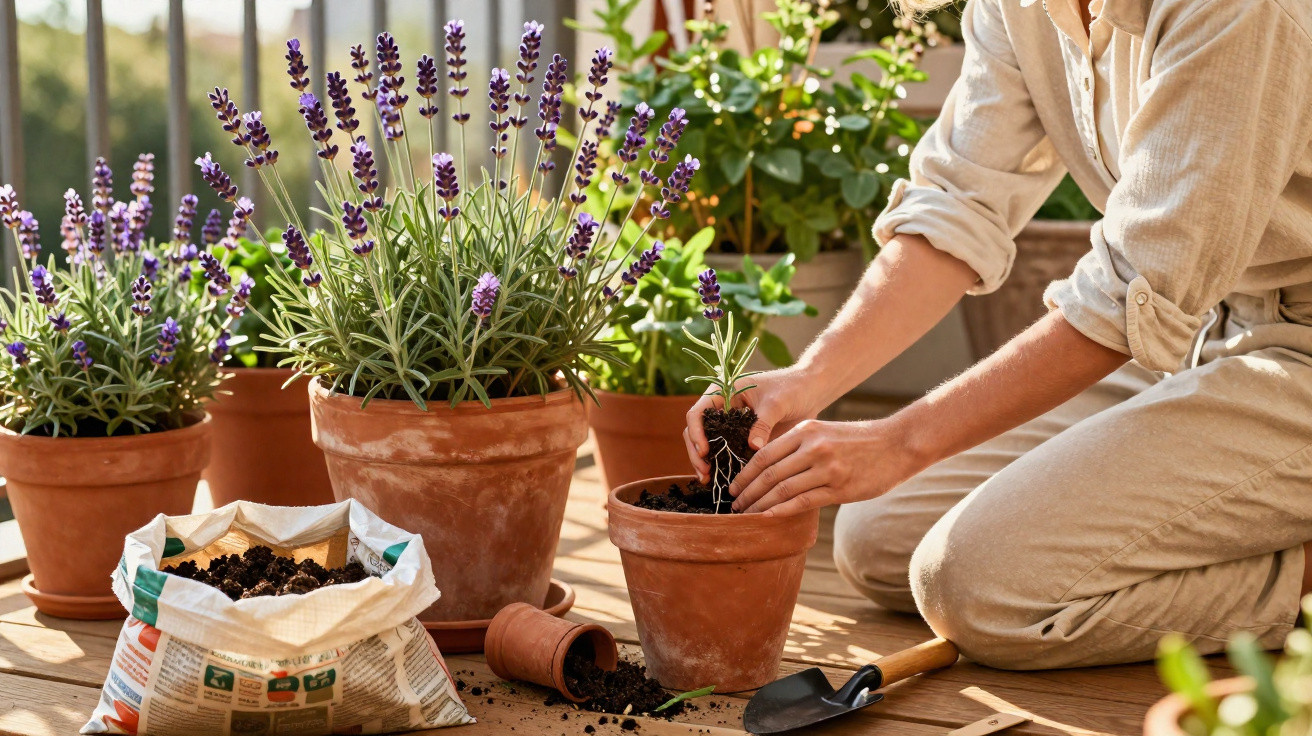
If you want lantana to thrive on a balcony, the container matters. Ceramic or terracotta pots help keep the root zone temperature more even, while plastic pots can work well too as long as drainage is excellent; in general, the bigger the pot, the more the plant branches out and the more it flowers.
For best results, use a light, free-draining mix with plenty of organic matter, which prevents waterlogging and supports healthy root growth. A straightforward, effective blend for balcony pots is:
- 1 part sifted topsoil;
- 1 part organic compost or worm castings;
- 1 part coarse sand or perlite to improve drainage.
How much sun and what daily care does lantana need on the balcony?
Lantana is a classic full-sun plant and needs at least four to five hours of direct light each day to bloom generously. On north- or west-facing balconies it often performs best, with fuller flowering and more intense colours.
Day-to-day care is uncomplicated: water two to three times a week in hot weather, keeping the compost just slightly moist, and feed every 40 to 60 days with fertilisers higher in phosphorus and potassium. On smaller balconies, light pruning after heavy flowering helps keep the plant compact and encourages fresh, bloom-bearing shoots.
How do you arrange a balcony to showcase lantana’s honey scent?
Where you place the pots has a big effect on how the balcony feels. In tighter spaces, lantana works well in planters fixed to the railing, keeping the flowers at eye level while freeing up floor space; on larger balconies, medium pots set near seating can create a pleasantly scented relaxation corner.
A useful approach is to pair lantana with plants that have simple green foliage as a backdrop, and to add trailing varieties on shelves or higher supports. This way, lantana’s colours stand out, the sweet scent carries through the space, and the balcony stays inviting all year with just a few minutes of care each week.


Comments
No comments yet. Be the first to comment!
Leave a Comment