
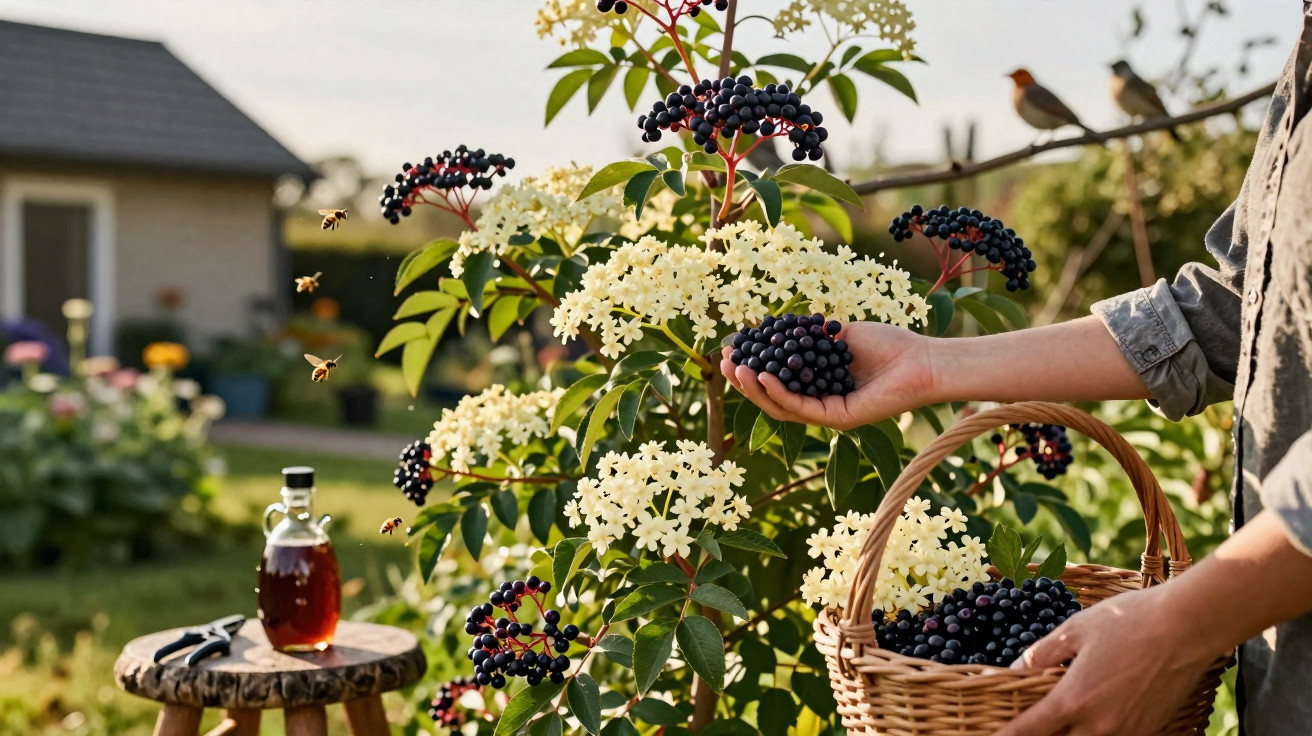
In old village gardens you can still spot it lingering in the corners: a modest shrub with fragrant, umbrella-like flower heads and dark berries. For a long time, it was largely overlooked. Now, with the move towards wildlife-friendly gardens, homemade food and tough, reliable plants, the black elder is enjoying a real revival - and in 2026 it’s set to become the standout feature in many gardens.
A shrub steeped in history and farming tradition
Across Europe, black elder has been part of life around farmsteads for centuries. In the past it was planted almost everywhere - by the barn, near the muck heap, in hedgerows, and often right next to the house. People saw it as a protective shrub, a bringer of good fortune, and a living household remedy cupboard.
In rural areas, practically every part of the plant was put to use:
- flowers for cordials, tea and syrup
- berries for jams, juices and wine
- leaves to help keep irritating flies away
- hollow stems as makeshift pea-shooters and toy pipes for children
"Elder used to be as commonplace as a lawnmower is today - only more sustainable and far more versatile."
As low-maintenance front gardens, gravel landscaping and uniform urban planting became widespread, elder gradually faded from view. Now that many people are once again looking for native plants, more nature in the garden, and straightforward recipes from Grandma’s kitchen, it’s firmly back in the spotlight.
Spectacular blossom and an unmistakable fragrance
A mature elder shrub can easily reach 4–5 metres tall, forming a broad, bushy shape with slightly arching growth. From late May into June, it covers itself in large, flat heads of creamy white flowers.
The scent is sweet, with the faintest hint of vanilla. On warm days the fragrance seems to hang over the shrub like a cloud, drawing in bees, hoverflies and butterflies in constant succession.
"Anyone who has stood next to a fully flowering elder will never forget that mix of scent, buzzing and a sea of blossom."
Even after flowering, the shrub stays attractive. Its feathered foliage looks light and airy, and some cultivated varieties - for example those with almost black, finely cut leaves - can appear almost exotic in modern planting schemes.
From late summer onwards, heavy clusters of deep violet-black berries hang from the branches. They’re a feast for blackbirds and other garden birds - and for anyone who enjoys bottling and preserving.
A natural remedy right behind the house
Black elder still has a place in herbal medicine today. For generations, its flowers have been used as a tea for colds, flu-like infections and fever. They are thought to encourage sweating, ease coughs and provide gentle support for the airways.
The berries contain high levels of antioxidants, particularly anthocyanins, which create the dark colouring. Juices and syrups made from cooked berries are regarded as supportive for the immune system and soothing during winter infections. In late summer, many families traditionally bottle a few litres of “elderberry juice for the winter”.
"A single elder shrub can be a pharmacy, a vitamin source and a provider of flavour all at once."
Leaves and bark contain stronger compounds and, in folk practice, are only suitable for external use; they do not belong in the kitchen without care. Anyone wanting to explore medicinal use in more depth should rely on well-grounded herbal guidance.
Low-maintenance like few other garden shrubs
One reason elder is making such a strong return in 2026 is that it suits people with limited time who still want to support wildlife and harvest something useful.
Location and soil - elder will accept almost anything
The shrub grows well in both sunny and semi-shaded positions. It copes with heavy, clay soils just as readily as looser, more nutrient-poor ground. It tolerates short dry spells and can also handle waterlogged conditions - provided the roots are not left standing in water permanently.
Frost is rarely a problem; temperatures down to around -20 °C are usually manageable. In much of Central Europe, it can therefore be planted without any winter protection.
Planting, pruning and propagation
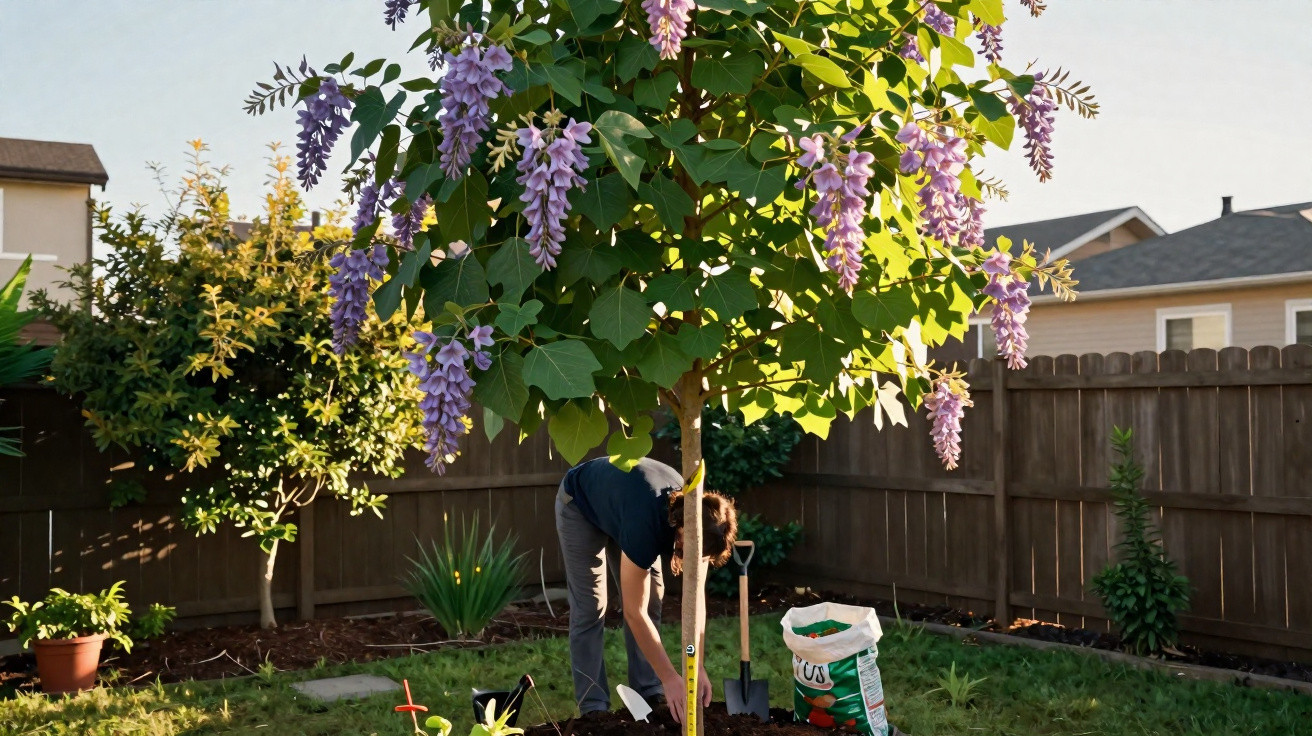
The best time to plant is autumn or early spring. Suitable spots include:
- as a specimen shrub on the edge of the lawn
- in a mixed wildlife hedge with blackthorn, hazel and wild roses
- at the far end of the vegetable patch to provide shade
A bucket of compost added to the planting hole is usually entirely sufficient. Further feeding in the following year is only needed on very poor soils.
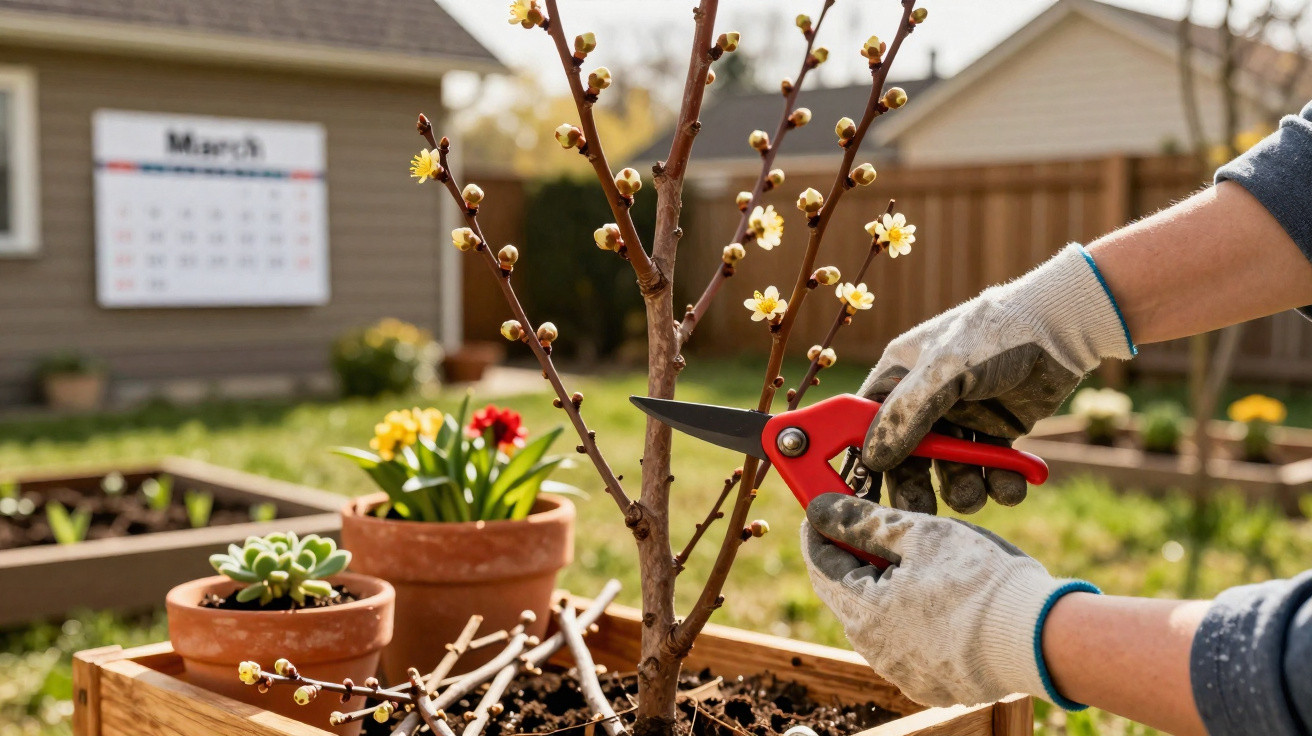
Elder does not require regular shaping. If you wish, you can remove a few older stems close to the ground at the end of winter to encourage fresh shoots. This keeps the plant vigorous and prevents it from becoming woody and tired.
A major advantage is how easily elder can be multiplied. Cuttings taken from semi-woody shoots often root readily in a pot filled with ordinary garden soil. Layering branches down to the ground to root also works well. That makes it ideal for sharing in community gardens or neighbourhood schemes.
A land of plenty for insects, birds and people
Elder is a small ecosystem in its own right. The flowers feed a wide range of pollinators, and the berries provide bird food well into autumn. Within the dense branches, blackbirds, robins and other species find safe nesting places.
"Planting elder is, in effect, putting up a free petrol station and a block of flats for garden wildlife."
At the same time, the shrub offers a surprisingly wide range of treats for the kitchen. From the flower heads, you can make, among other things:
- a refreshing syrup for water, sparkling wine or cocktails
- fermented elderflower fizz
- flower heads fried in batter - a classic springtime snack
The berries - which must be used cooked only - are ideal for:
- rich jellies and preserves
- a dark, aromatic juice for cold days
- liqueurs and spiced winter punches
- fruit sauces to serve with semolina pudding or pancakes
Even one or two good harvests a year are enough to stock the cupboard with bottles and jars for the colder months.
What to watch out for when harvesting
Many gardeners avoid elder because they feel unsure about it. A few straightforward rules make it simple:
- use only fully ripe berries that are a deep, dark colour
- always heat the berries, as raw fruit contains compounds that can be hard to tolerate
- use flowers only from untreated shrubs, well away from busy roads
- deliberately leave a few flower heads and berry clusters for wildlife
Small children should not be left unsupervised to snack on the berries. Properly prepared, however, elder is a valuable wild fruit.
Elder in a modern garden design
Many hobby gardeners still associate the shrub with “Grandma’s garden”. That is exactly what makes it so appealing now: it represents local growing, tradition and a little independence from supermarket shelves. With food prices high and interest in DIY products growing, it fits perfectly.
Elder also combines well with other edible plants. Set behind berry bushes along a fence, it forms a tall backdrop. In a native hedge, it complements local species and noticeably boosts biodiversity. With dark-leaved varieties, garden designers can add purposeful accents in modern, clean-lined borders.
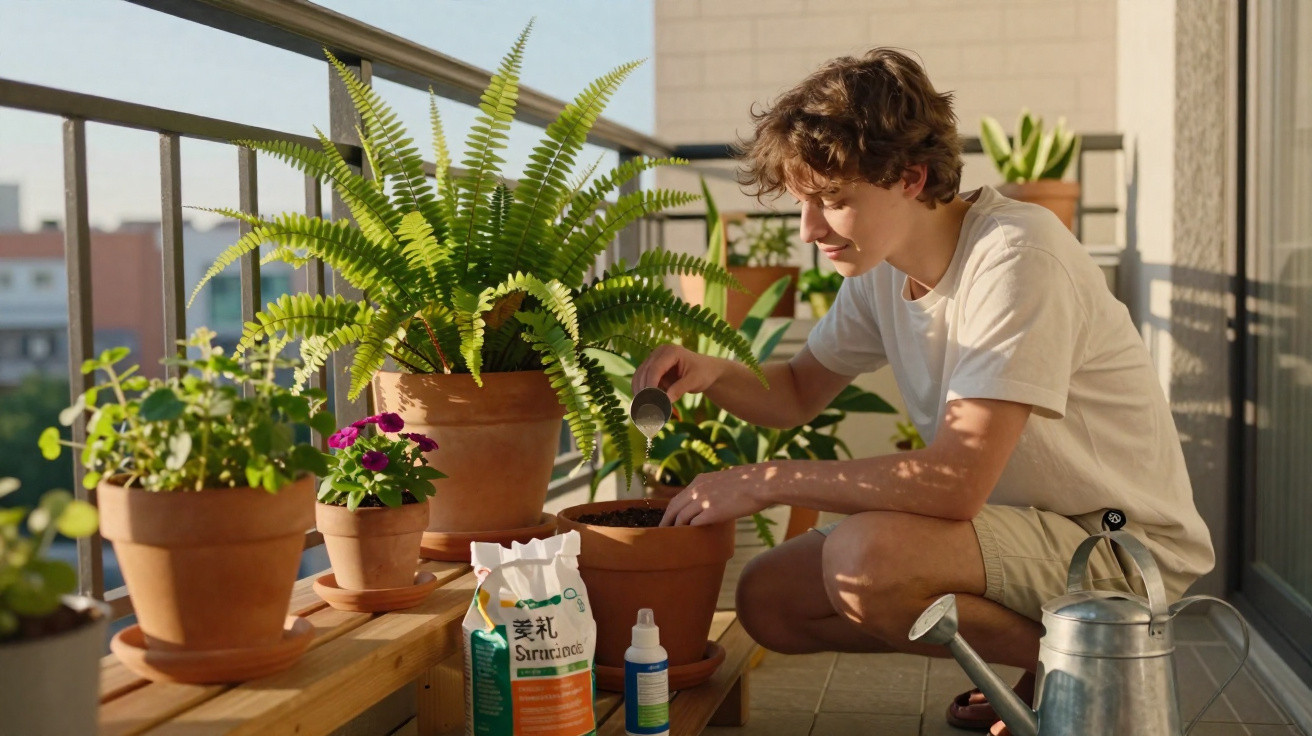
If you don’t have a large garden, young shrubs can be kept for several years in a large container - ideally on a balcony or terrace with plenty of sun. Growth will be somewhat restrained, but flowers and smaller berry harvests are still possible in a pot.
The calculation is simple: plant it once, and for many years it provides fragrance, shade, food, medicinal value and life in the garden. No wonder the supposedly old-fashioned black elder is more in demand than ever for 2026.
Comments
No comments yet. Be the first to comment!
Leave a Comment