
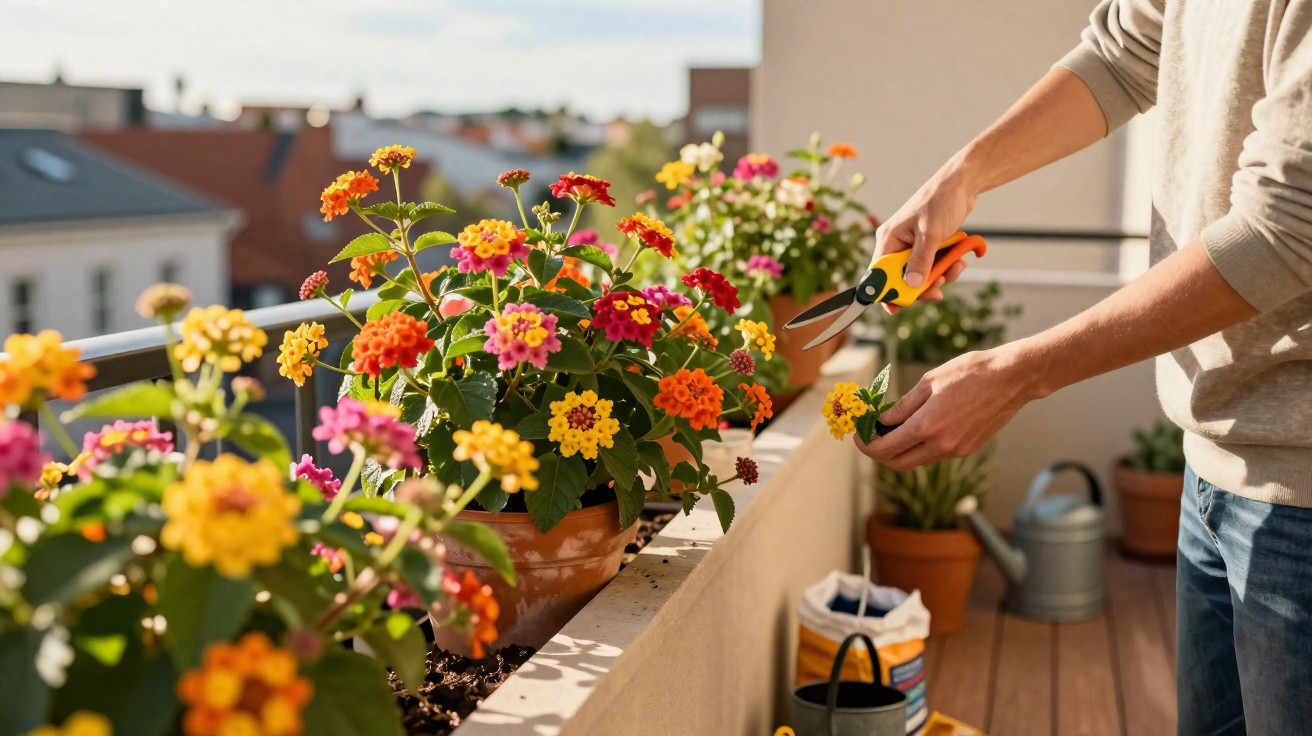
While plenty of amateur gardeners look out in winter at bare, lifeless beds and simply give up until spring, one exotic keeps on flowering regardless: the lantana shrub. A long-standing favourite in tropical regions, it is still oddly overlooked in many UK gardens. That is a shame-because this woody plant is tough, low-maintenance and can turn a balcony or garden into a lasting sea of colour with very little effort.
What makes lantana so special
Lantana-often known as shrub verbena-is a fairly compact shrub with dense foliage and vivid, rounded clusters of flowers. It originally comes from tropical and subtropical areas of the Americas and Africa, yet it has been grown successfully in European conditions for decades.
Its look is unmistakable: small, slightly rough leaves and spherical flower heads. The blooms appear in bold combinations such as yellow, orange, pink and violet. With many varieties, the flower colour even shifts as the blooms age, giving the plant a lively, constantly changing appearance.
"Lantana is considered an ever-flowering plant: in mild areas it produces new blooms for almost the entire year."
Where winters are gentle and frost is rare, it can flower virtually year-round. In colder areas it tends to pause only briefly, then gets going again early in the year as soon as temperatures rise.
A shrub that shrugs off heat and cold
Compared with many delicate ornamental plants, lantana copes surprisingly well with extreme temperatures. It tolerates blazing sun in mid-summer and deals with light frosts far better than you might expect from an exotic shrub.
The big benefit is simple: if you do not want complicated winter protection, fussy container plants and constant moving back and forth, lantana is a dependable choice.
- Heat: Perfect for very sunny positions, including hot, south-facing walls.
- Cold: Short cold snaps bother established plants very little.
- Drought: Brief dry spells are usually tolerated, as long as the root ball does not dry out completely.
- Wind: Flowering stays more generous in sheltered spots, but even breezy balconies are rarely a problem.
Despite its toughness, the shrub still needs consistent watering-especially in pots. The compost must not be allowed to dry out completely, but constant wetness can cause root rot. Good drainage is therefore essential.
Secret weapon for balcony and garden: beautiful and useful
Lantana is not just decorative-it also brings real activity into the garden. Its nectar-rich blooms attract a wide range of insects.
These include, for example:
- butterflies, which particularly like to settle on the flower heads
- honeybees and solitary bees searching for food
- various other pollinators drawn by the scent and colour
Those visitors help pollinate other plants in the garden-good news for anyone growing fruit bushes, vegetables or flowering perennials. At the same time, the shrub produces small berries that many bird species will feed on.
"If you plant lantana, you turn your space into a natural food source for insects and birds-without expensive specialist mixes."
Another welcome side effect: lantana is often described as mosquito-repellent. Its scent seems to deter many biting mosquitoes. For summer evenings on a patio or balcony, that can be a real bonus-even though the shrub is obviously not a complete shield.
How to work lantana into your garden
This shrub is far more versatile than it first appears. Depending on how you prune it and where you place it, lantana can brighten beds, driveways, balconies and even areas against the house.
In borders: colourful planting and informal hedging
Lantana is happiest in free-draining garden soil. It does not cope well with waterlogging; sandy loam improved with a little compost is ideal.
Typical ways to use it include:
- Flowering blocks: several plants grouped together create a strongly coloured bed that stays attractive for a long time.
- Informal hedge: planted in a line, lantana forms a dense but not overly rigid boundary along paths or plot edges.
- Slope planting: on slightly inclined ground it scores points with drought tolerance and dense foliage.
If you have enough space, you can also pair lantana with other sun-loving plants-such as lavender, sage or ornamental grasses-to create varied, easy-care planting schemes.
In pots: ideal for balconies and small terraces
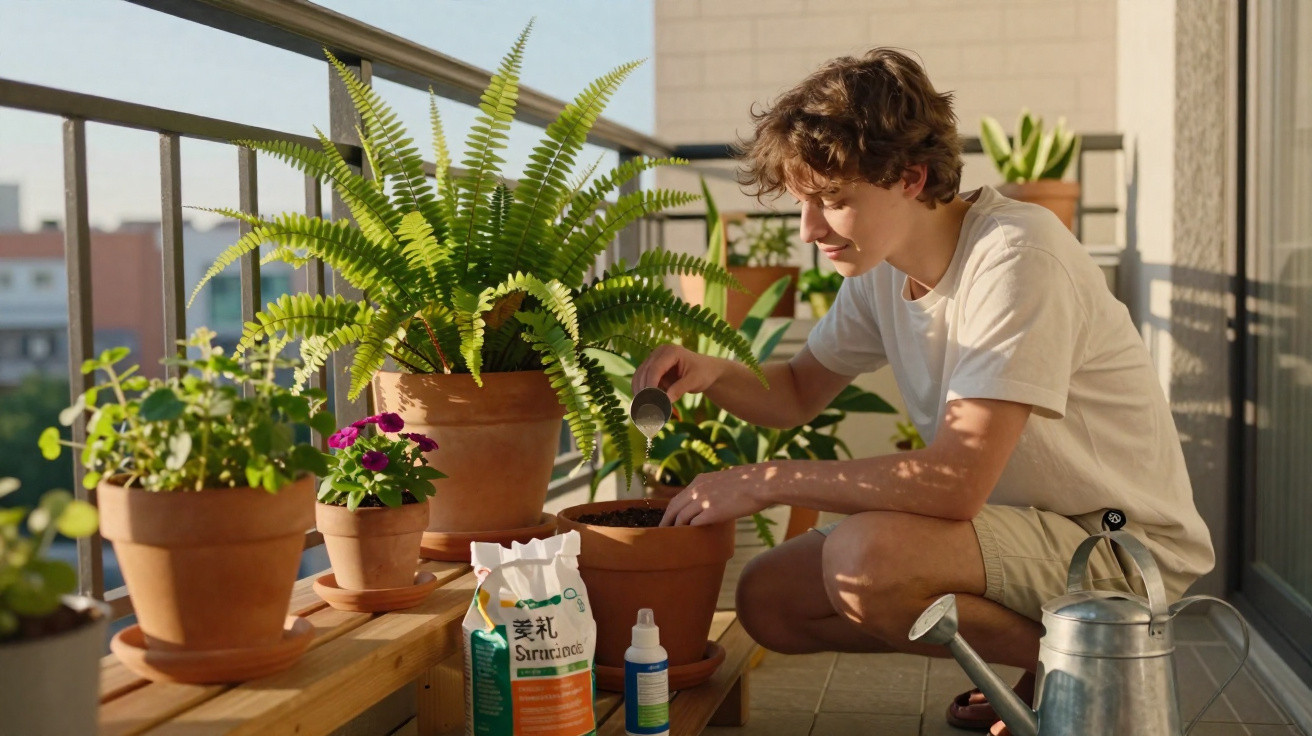
Even without a garden, you do not have to miss out on this near-constant bloomer. Lantana performs brilliantly in large pots or balcony planters.
| Aspect | Recommendation |
|---|---|
| Container size | As large as possible so roots can develop well |
| Compost | High-quality compost for container plants, with good drainage |
| Position | Full sun to partial shade |
| Watering | Regularly, but avoid waterlogging |
| Feeding | Every two weeks with a liquid feed from spring to late summer |
In containers, the shrub is also easy to keep in shape-from a bushy sub-shrub right through to a small standard form. With a bit of patience and targeted pruning, you can train it into a real focal point for a city balcony.
Why pruning is non-negotiable with lantana
As resilient and straightforward as it is, you should not underestimate how vigorously lantana grows. It can put on growth quickly and, without pruning, may crowd out neighbouring plants.
Regular cutting back brings several advantages at once:
- better branching and denser foliage
- even more flowers across the season
- controlled height and spread
- sturdier shoots that are less likely to snap
"If you prune the shrub consistently, you are rewarded with a particularly compact plant that flowers extremely freely."
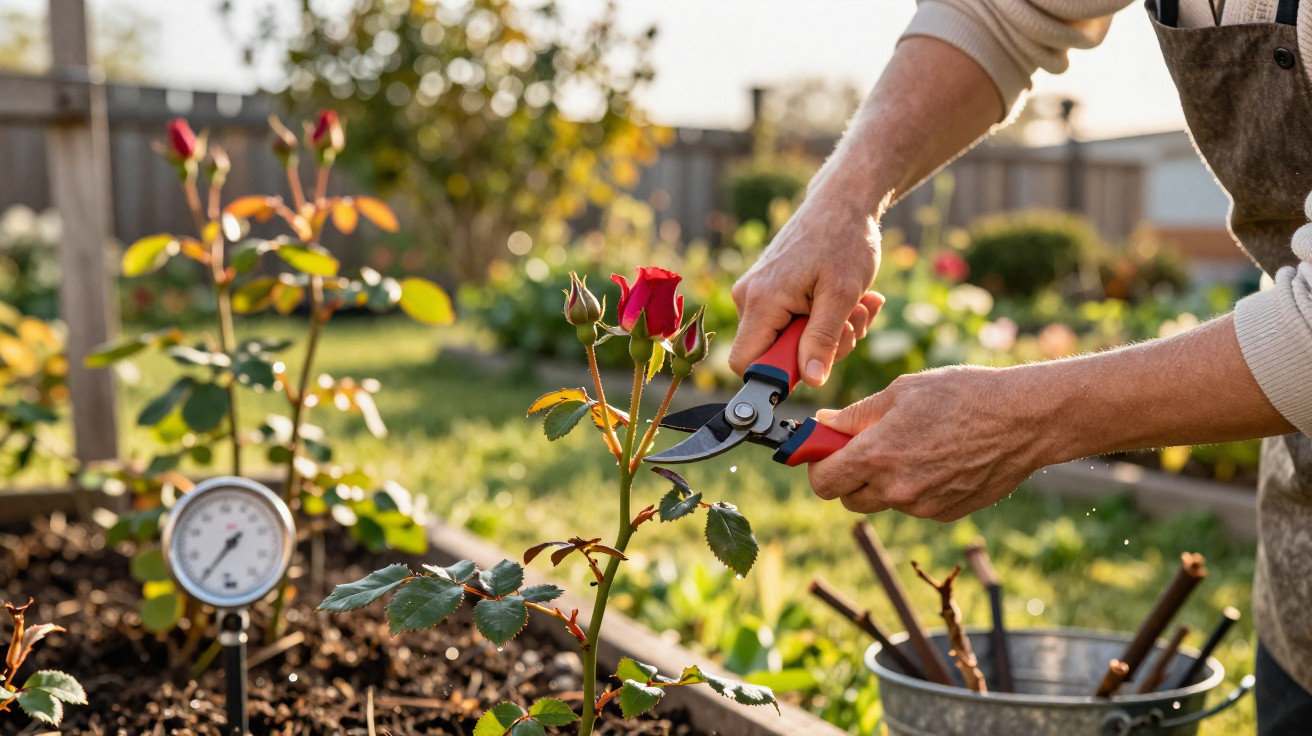
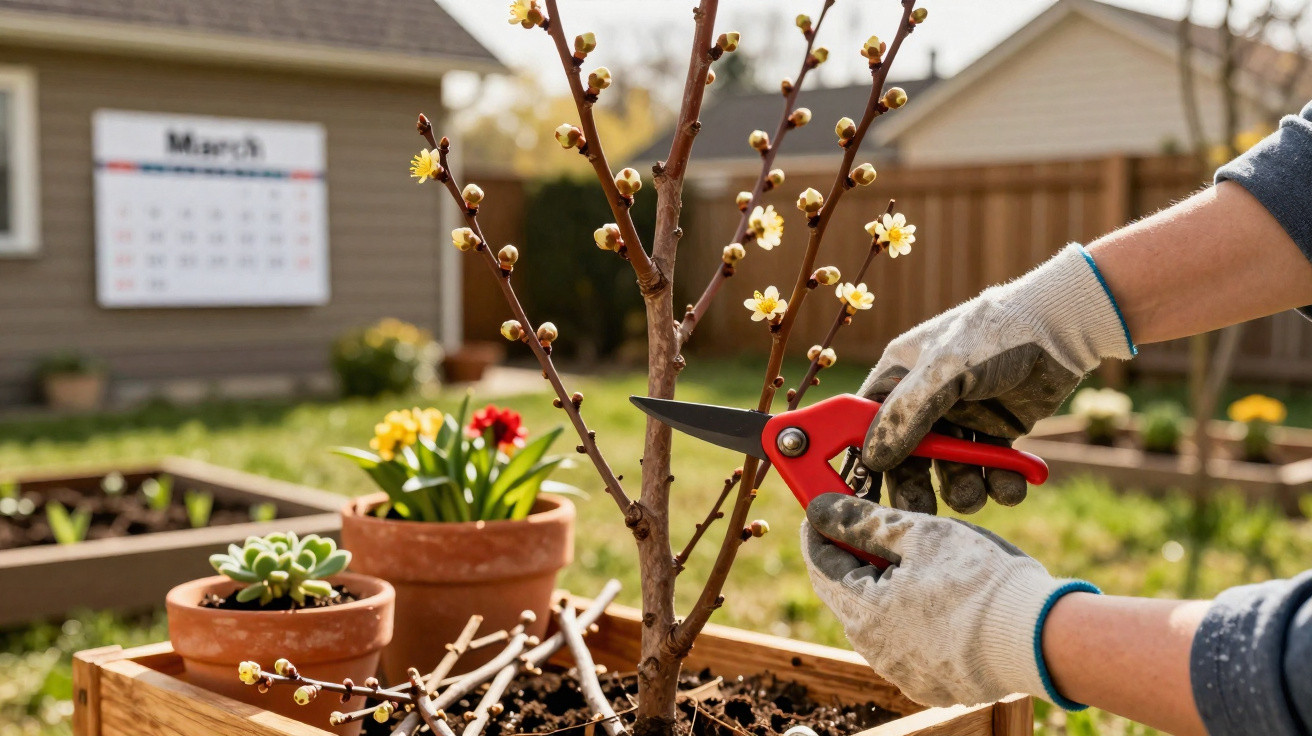
A strong cut back in early spring-once hard frosts are no longer expected-is an excellent starting point. During summer, light shaping cuts are enough to keep it under control. Spent flower heads can be removed regularly to encourage the plant to push out fresh buds.
What to know before you plant
One point that is often underestimated: lantana contains compounds in all parts of the plant that can be poisonous in larger amounts. Children should not put the colourful berries in their mouths, and pets should not nibble it either.
A few simple steps improve safety:
- plant lantana out of easy reach of small children
- keep an eye on pets-especially young dogs-to see whether they chew plants
- wear gardening gloves when doing heavier pruning
For adults handling ornamental plants in the normal way, the shrub is not usually an issue. In practice, the benefits for insects and birds clearly outweigh this drawback.
Who the “nearly indestructible” shrub suits best
Lantana is especially valuable for people with limited time, or anyone who would not describe themselves as a confident gardener. If you have struggled with roses, hydrangeas or delicate balcony plants in the past, this is a far less stressful alternative.
Situations where the shrub fits particularly well include:
- full-sun south-facing balconies where geraniums quickly wilt
- weekend homes or holiday cottages that are not cared for every day
- gardens with poor, dry soils where other ornamental shrubs struggle
- insect-friendly gardens where you actively want to support bees and butterflies
If you want a more climate-resilient outdoor space, lantana makes a clear statement for the future: more flowers, more food for wildlife, less effort-and that over many months of the year.
Comments
No comments yet. Be the first to comment!
Leave a Comment