
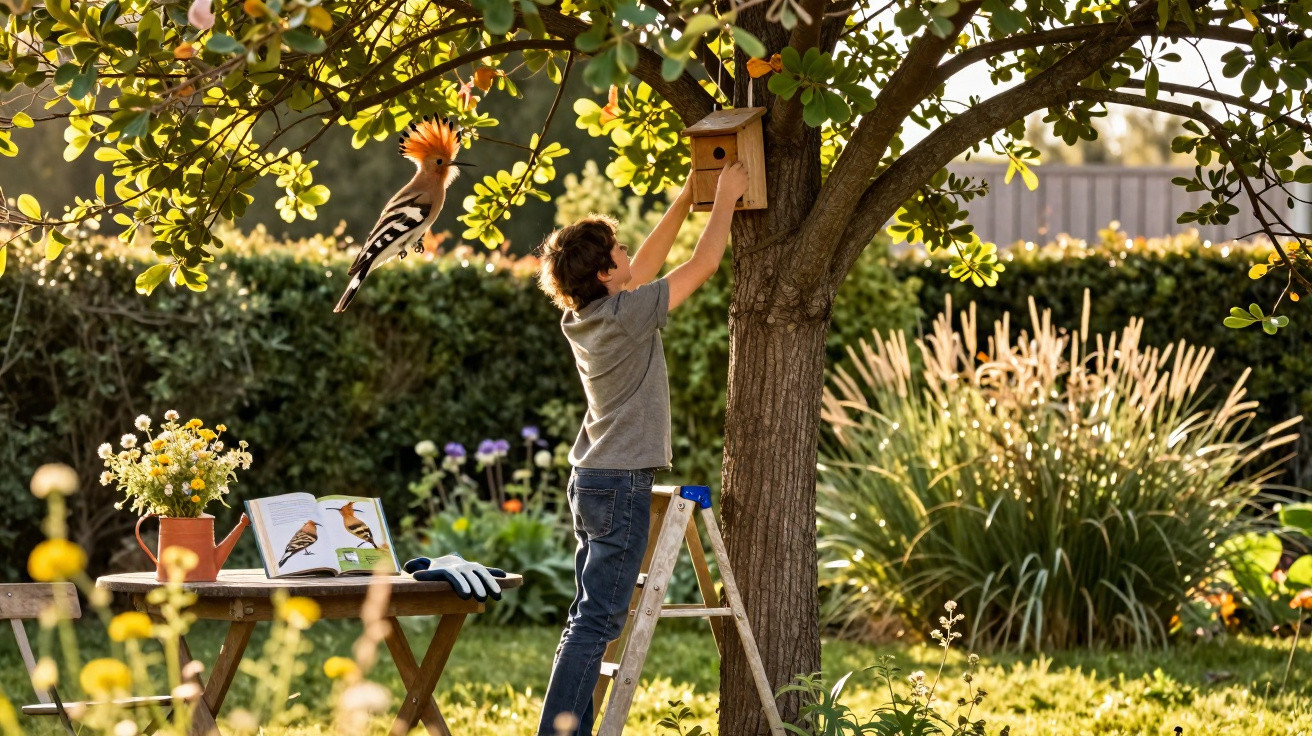
The hoopoe, with its orange-and-black feather crest, is among Europe’s most striking birds. Many people glimpse it only briefly in fields or vineyards and wonder how they might attract this exotic-looking bird to their own garden. The answer starts with a well-positioned nest box - and a garden suited to the way it lives.
Why a hoopoe is valuable in the garden
A hoopoe is not merely a visual highlight; it can also be a genuine ally in a productive garden. It searches for food almost entirely on the ground, using its long, slightly curved bill to probe the soil for whatever is crawling beneath the surface.
“The hoopoe acts like a natural pest-control service: it eats larvae, grubs, insects and even small slugs - all without chemicals.”
Its typical prey includes:
- Grubs of cockchafers or June beetles
- Caterpillars feeding on vegetables and fruit trees
- Grasshoppers and crickets
- Beetle larvae in lawns or compost heaps
- Small snails and other molluscs
Anyone growing plenty of vegetables or tending fruit trees can benefit directly. Less feeding damage, a reduced need for plant-protection products and more life in the garden: this is what makes the hoopoe so appealing to amateur gardeners.
Why nest boxes have become so important for hoopoes
In the past, hoopoes could find plenty of cavities and crevices for nesting in old orchards, gnarled trees and small groups of field trees. Yet these very structures are increasingly disappearing. Hedges are being cleared, mature trees felled, and barns demolished or thoroughly renovated and sealed.
As a result, the bird may still find food in some places, but suitable breeding sites are becoming rarer. A deliberately installed nest box can help fill this gap. A pair of hoopoes that finds a secure box saves energy otherwise spent searching for a nesting site and can devote more time to finding food for its young.
“A suitable nest box cannot replace a wild landscape, but it gives the hoopoe an important measure of security in a greatly altered environment.”
Especially in areas of intensive farming or dense development, a carefully planned box can determine whether a pair remains or moves on.
The best location: where to install a hoopoe nest box
The key question is where a hoopoe will genuinely feel at home in the garden. It requires two things together: a sheltered nesting place and open areas with loose soil in which to hunt for food.
Choosing the right part of the garden
Quiet spots around the edge of the garden are ideal. Suitable locations include:
- An old fruit tree with clear space around it
- A broad, mixed hedge
- A free-standing post or pole
- A quiet house wall or barn wall without constant activity
Keep the box away from heavily used areas: do not position it immediately beside a patio, a regularly used play area or, where possible, a busy road. Although hoopoes are curious, they are sensitive to continuous noise and repeated disturbance.
Height and direction of the entrance hole
In practice, the following has proved effective for hoopoe nest boxes:
- Height: roughly 2 to 4 metres above ground level, depending on the trees and shape of the land
- Direction: turn the entrance hole towards the east or south-east
- Conditions: avoid intense midday sun, but do not place it in permanent deep shade either
An east- or south-east-facing entrance provides morning sunshine without allowing the box to overheat on hot summer days. This position also generally offers better protection from the strongest rain fronts and westerly winds.
“A lightly sheltered site with morning sun provides the best microclimate for breeding in the box.”
Do not overlook protection from predators
Nest predators also need to be considered. Martens, cats, rats and magpies may become a problem if the box is too easy to reach.
Useful protective measures include:
- Smooth posts without branches or projections that can assist climbing
- Metal collars around the pole to stop climbing attempts
- No dense tangle of branches directly beside the entrance hole
- Distance from balconies, gutters and wall ledges from which cats could jump
When to put up the nest box
The earlier the nest box is installed, the better. Those who take action in autumn or winter provide not only future breeding sites, but also shelter on cold nights. Many birds use cavities and boxes as sleeping places during the colder months.
The hoopoe usually arrives in central Europe from April onwards. If the box has already been in place for some time, it is more readily accepted because it blends naturally into its surroundings and no longer smells of fresh timber or paint.
“It is best to install nest boxes in autumn - by spring they are already ‘settled in’ and can also serve effectively as winter shelter.”
Maintenance and cleaning: keeping the nest box appealing
Hoopoes are not particularly tidy occupants while breeding. Food remains, feathers and considerable amounts of droppings build up inside. If a box is left unmaintained for years, the conditions within it deteriorate noticeably.
Regular care is therefore worthwhile:
- Cleaning time: once a year, ideally in late autumn once all broods have finished
- Method: remove old nesting debris and sweep the interior out lightly if necessary
- No chemicals: avoid cleaning products or disinfectant sprays; clean water or dry brushing is sufficient
- Inspection: check the wood for damage and tighten the roof and mounting fittings
A clean box leaves room for fresh nesting material and lowers the risk of parasites. Where several boxes are installed in the garden, it is possible to see which position the birds favour and improve those locations accordingly.
Which nest box is suitable for a hoopoe
The hoopoe is a cavity nester. It therefore needs a sturdy wooden box with enough internal space and an appropriately sized entrance hole. Many specialist workshops and regional makers produce such boxes from locally sourced softwood or hardwood.
Handmade nest boxes generally offer:
- Robust construction and weather-resistant timber
- Well-considered dimensions matched to the species
- Straightforward access for cleaning
- Regional value creation and social projects involved in production
“Anyone who buys a handmade box not only supports birdlife, but often also helps local workshops and social organisations.”
For the garden, this means the box lasts longer, needs replacing less often and provides the hoopoe with a dependable breeding site for many years.
What the garden as a whole should look like
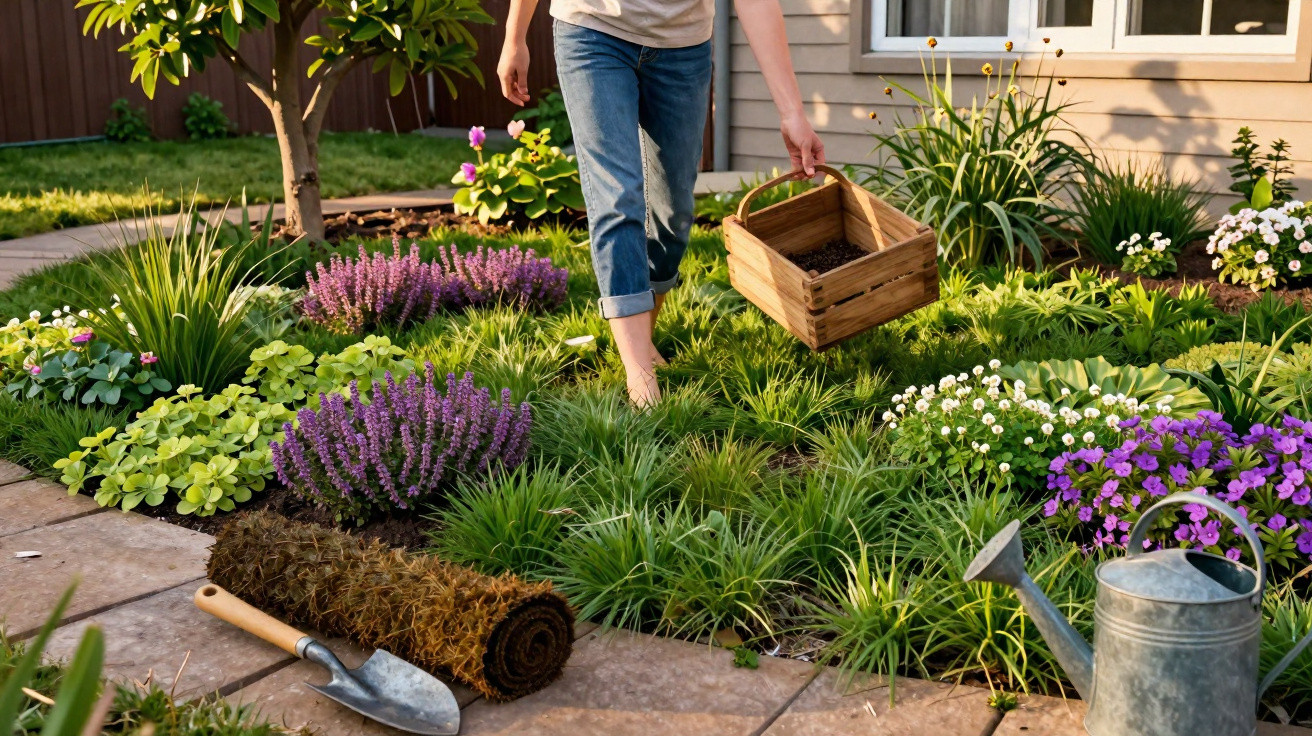
A nest box alone is seldom enough. The rest of the garden must also suit the species. Hoopoes favour open areas with short grass and soil that is not managed too immaculately. Bare gravel gardens and fully sealed surfaces offer them nothing.
Useful features in a hoopoe-friendly garden include:
- Open lawns that are not cut too short
- Colourful, insect-rich wildflower meadows instead of purely ornamental lawns
- Old tree stumps, deadwood corners and compost areas
- Small patches of bare ground where insects can establish themselves
Chemical insect killers damage the food base of hoopoes and many other birds. Avoiding them deliberately creates a richly stocked feeding ground and keeps the garden attractive to the bird in the long term.
Legal protection and respectful behaviour
The hoopoe is protected in many countries. It must not be caught, reared or kept as a “pet”. The sole purpose of nest boxes is to offer safe breeding places in the wild.
“People merely provide the space - the animal remains free, wild and independent.”
This also means not continually disturbing the birds during the breeding season. Brief observations from a distance are fine, whereas frantic close-range photography is not. Those with children can explain this clearly: we help the bird without owning it.
Practical additions for nature enthusiasts
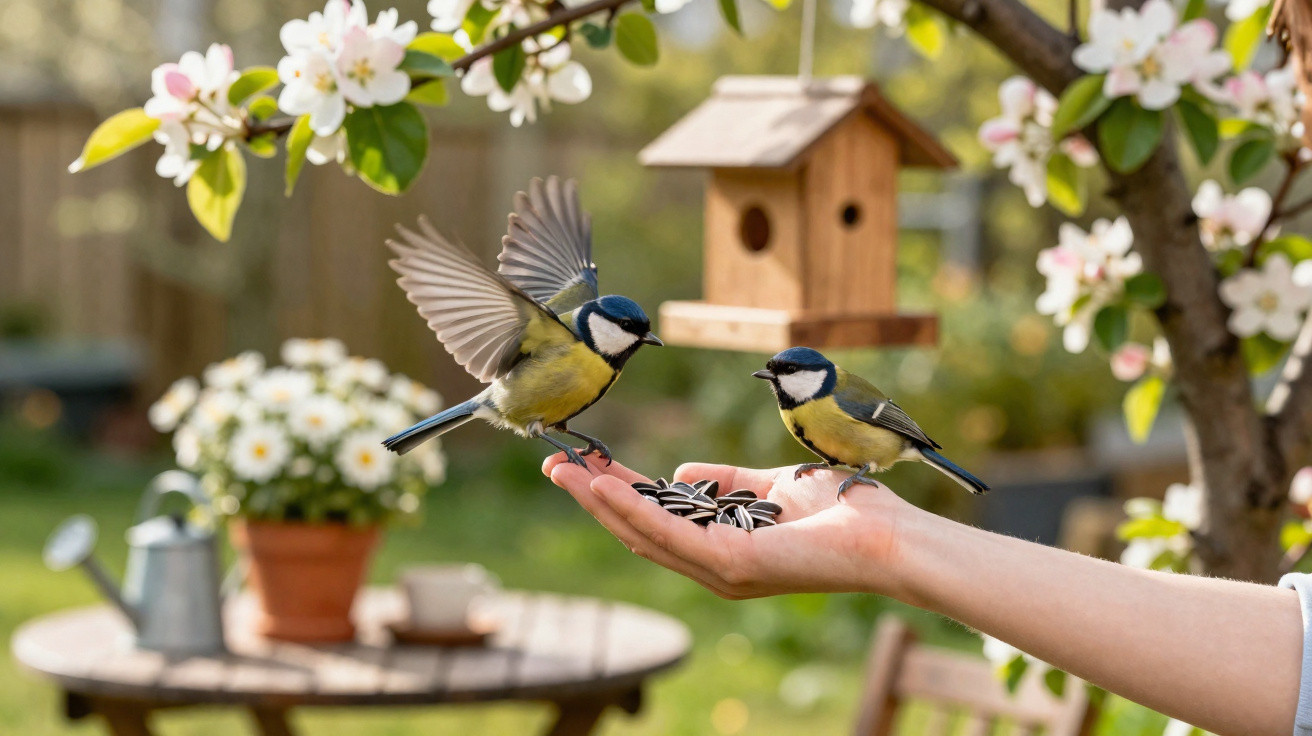
Anyone who enjoys having a hoopoe nest box can enhance the garden further. Insect hotels, sandy areas for wild bees and additional boxes for other cavity-nesting birds such as tits or starlings can turn a plot into a small piece of a wider network supporting greater biodiversity.
Keeping a simple observation diary - recording arrival dates, calls or feeding behaviour - also brings people closer to the bird’s life. In this way, not only does the chance of young birds in the box increase, but so does understanding of the connections within the garden ecosystem.
Comments
No comments yet. Be the first to comment!
Leave a Comment