
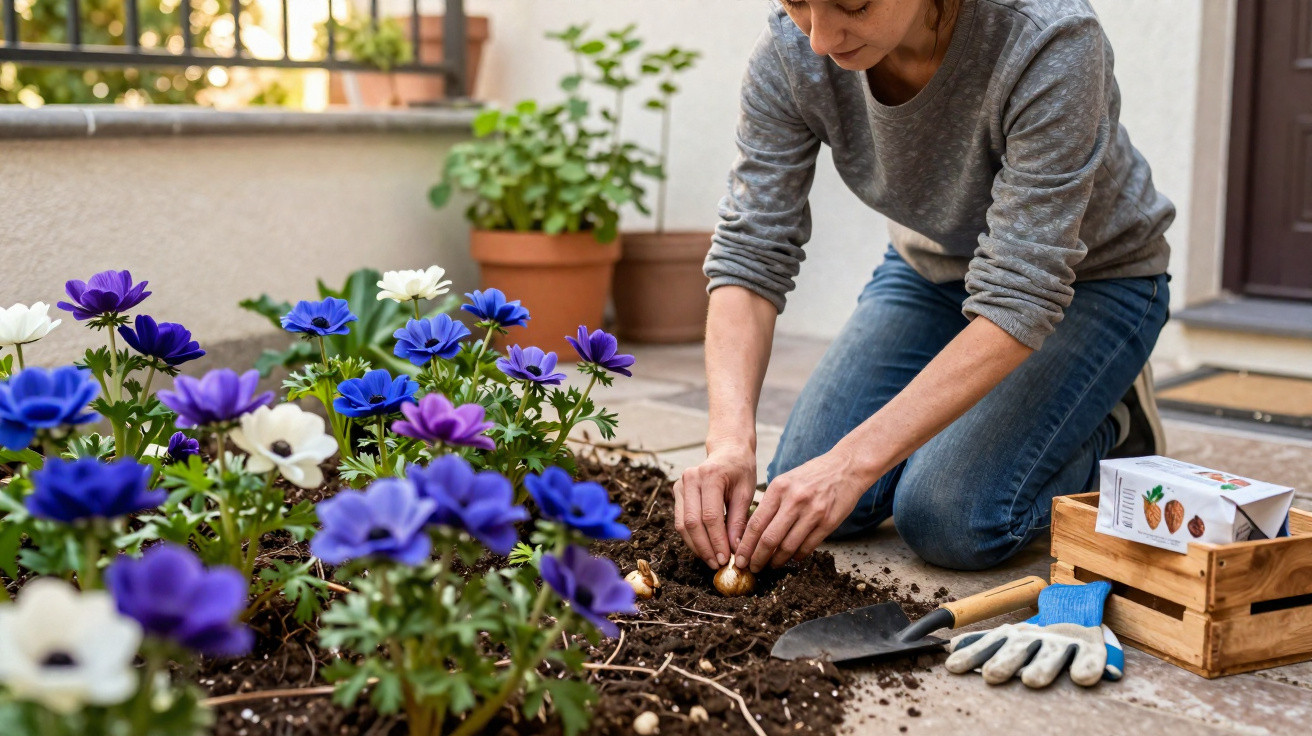
The Greek anemone stands out in compact gardens because it delivers lavish flowering on a small framework. Native to mountainous areas, this species pairs a delicate appearance with exceptionally high hardiness, making it a smart choice for anyone wanting to refresh residential landscaping with minimal fuss.
Why is the Greek anemone ideal for small spaces?
Reaching just 10–15 cm in height, this plant has the right proportions for bed edging and containers. Its ornamental, lace-like foliage creates a charming look, covering the ground without crowding out neighbouring plants as it grows.
In addition to its compact habit, it produces daisy-shaped blooms in shades of pink, blue, and white in early spring. This range of colours adds real vitality to outdoor areas and draws in a variety of pollinators that support the local ecosystem.
Which small, fragrant shrub is replacing hydrangeas?
A compact, highly scented plant is gaining ground in urban back gardens thanks to its strong resilience and… Read more
What are the main attributes of this wildflower?
One of the biggest appeals of this ground-hugging plant is how straightforward it is to grow. It shows excellent resistance to deer and other animals, and generally doesn’t require frequent fertiliser or additional watering to develop in a healthy, vigorous way.
Another strength is its ability to naturalise on its own after a few years in cultivation. This trait encourages the formation of dense flowering carpets in planters or garden beds, giving outdoor spaces a consistently natural feel.
Below is a video from the Washington Gardener Magazine channel on YouTube that explores the points covered in this topic:
How should the corms be planted correctly in the soil?
Planting starts with soaking the round corms in water overnight. This preparation speeds up early germination and helps the underground structures settle properly into the prepared substrate.
Because the corms are rounded, laying them on their side at a depth of 10 cm makes sprouting easier. Choosing a sunny, well-drained spot ensures the shoots can readily access solar light during the season.
Quick Planting Guide
Key steps for success
Follow these simple steps to establish the corms in the garden:
- 1
Soak the corms in water overnight before planting; - 2
Place the structures on their side at 10 cm depth; - 3
Select a well-drained site with full sun exposure.
What essential care ensures healthy annual flowering?
Once the petals fade naturally, it’s important to let the leaves yellow before cutting them back. This maturation stage allows essential nutrients to move into the corms, storing enough energy for next year’s growth.
Too much moisture in the warmer months should be avoided to protect the roots. Opting for areas sheltered from summer irrigation keeps the soil dry, safeguarding the structures from rot caused by unwanted waterlogging.
Here are the habits that help maintain the plant’s health throughout its cycle:
- Wait until the foliage has fully yellowed before pruning;
- Avoid frequent watering during summer dormancy;
- Ensure the soil drains well to prevent unwanted water build-up.
How does this species behave across the seasons?
In spring, the plant reaches its ornamental peak, opening into vivid, colourful carpets. Its presence attracts beneficial insects, boosting biodiversity in the garden while bringing elegance and delicacy to borders and pots.
As summer arrives, the growth retreats into natural dormancy, conserving its strength beneath the soil. This strategic pause helps it return with full vigour in the next cycle, reinforcing its longevity in residential landscaping.

Comments
No comments yet. Be the first to comment!
Leave a Comment