
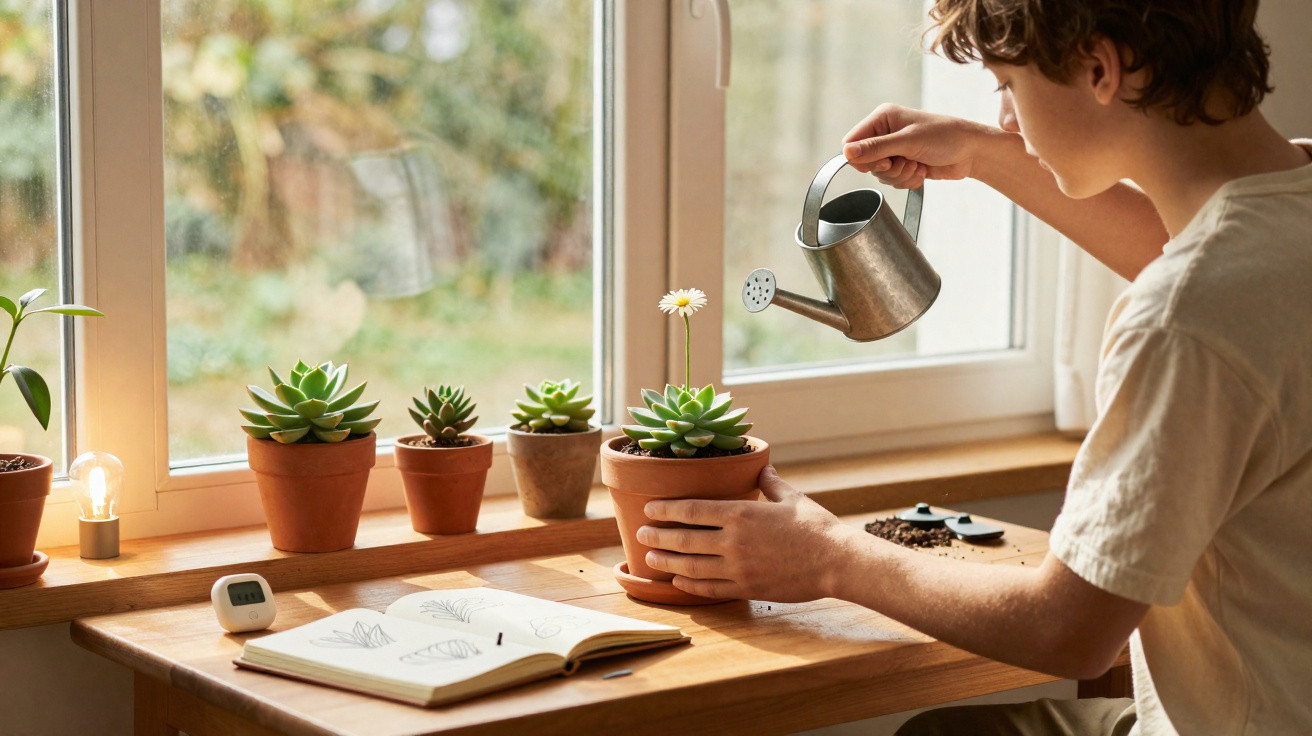
Many people are surprised to find that a succulent doesn't flower even when it is watered regularly and kept in a neat, well-arranged pot. In plenty of homes and flats, these plants keep growing and pushing out fresh leaves, yet blooms never appear. That often leaves people wondering what is missing from their everyday routine and whether the species is actually capable of flowering at all.
Why doesn’t a healthy succulent flower?
When a succulent doesn’t flower, it is common to assume it must be lacking fertiliser or water. More often, though, the issue starts with where the pot is placed. A large number of ornamental species originate in places with strong sun, bright days and noticeable temperature swings-conditions that are quite different from indoor rooms with small windows or curtains kept closed.
Plant maturity matters as well: some succulents only begin flowering once they reach a certain size, which can take two to four years. So even with good care, a younger plant may simply not be ready to bloom yet. Watching its growth pace and whether the leaves are becoming thicker can help you judge whether it has reached a more adult stage.
How does lighting influence succulent flowering?
Lighting for succulents is one of the main factors in triggering blooms. As a rule, they do best with direct sun or, at minimum, very bright partial shade-such as on balconies or near east- or south-facing windows. In flats where little sunlight comes in, the ambient brightness may be enough for the plant to survive, but often not enough to switch on its reproductive cycle.
A few clues can show that the light level is too low and point towards simple changes, such as moving the pot or using artificial lighting designed for plants:
- Long, thin, stretched leaves suggest the plant is reaching for light;
- Washed-out colours in naturally colourful succulents indicate low light;
- Very slow growth may be linked to a lack of direct sun;
- Weak stems and plants that topple over point to insufficient light.
Basic care that supports succulent flowering
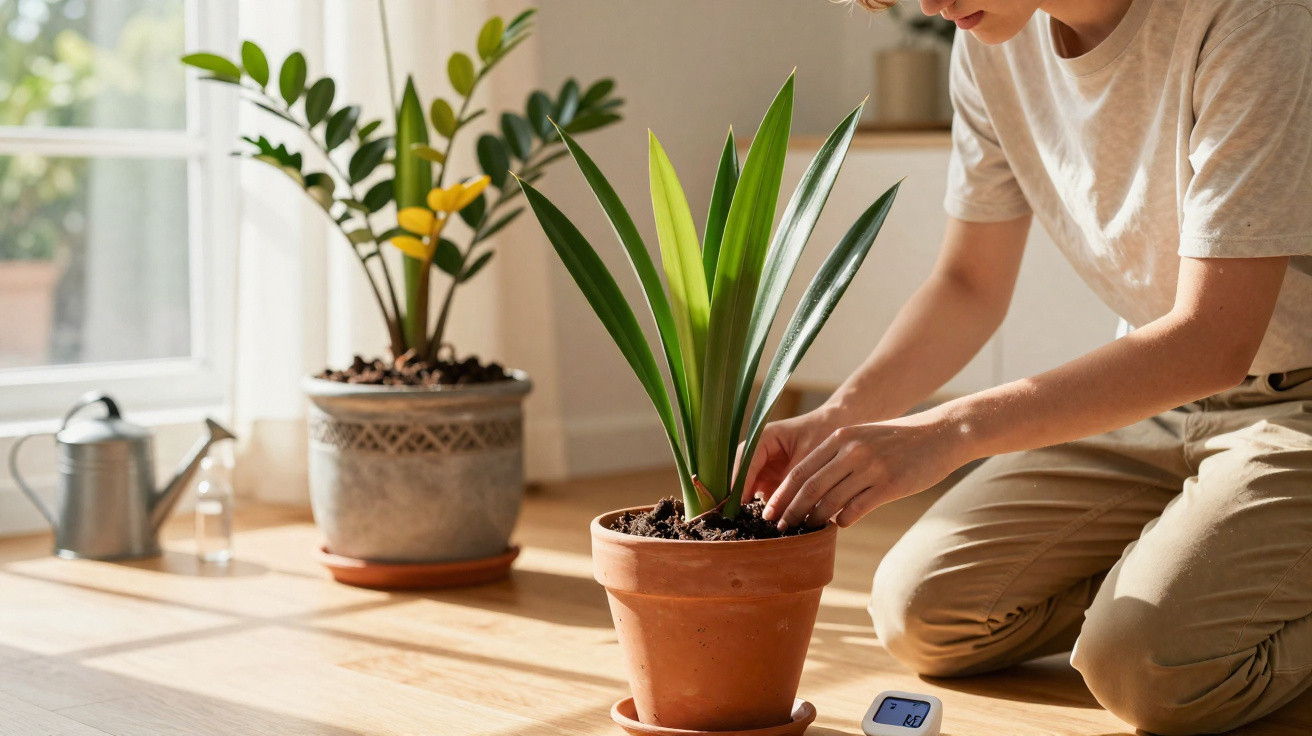
Alongside light, succulent care determines whether the plant has the reserves it needs to flower. A free-draining compost, moderate watering and a pot with drainage holes are essential, because waterlogged roots push the plant into “survival mode”. On the other hand, very long dry spells-especially in small pots-can slow growth and reduce the chances of producing flower stalks.
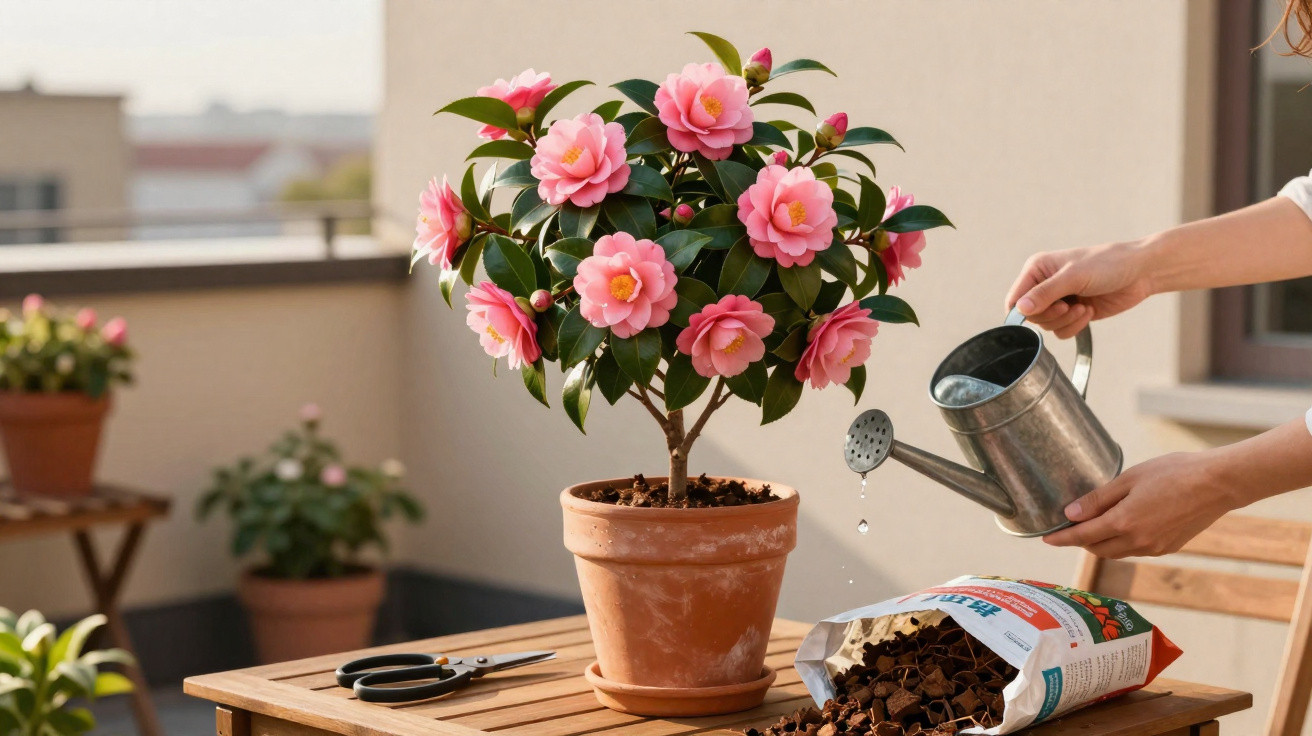
Succulent fertilising should be balanced, with particular attention to phosphorus, which is associated with flower formation. Small amounts applied at regular intervals tend to work better than heavy, occasional feeds. Too much nitrogen, meanwhile, usually encourages leaf production and stretching, leaving flowers as a lower priority.
How to make succulents flower indoors
Indoors, it is natural to ask how to get a succulent doesn't flower to finally produce buds. The secret is to combine strong light, correct watering and a mild, controlled stress-such as small day–night temperature changes or slightly longer gaps between waterings, without letting the plant become severely dehydrated.
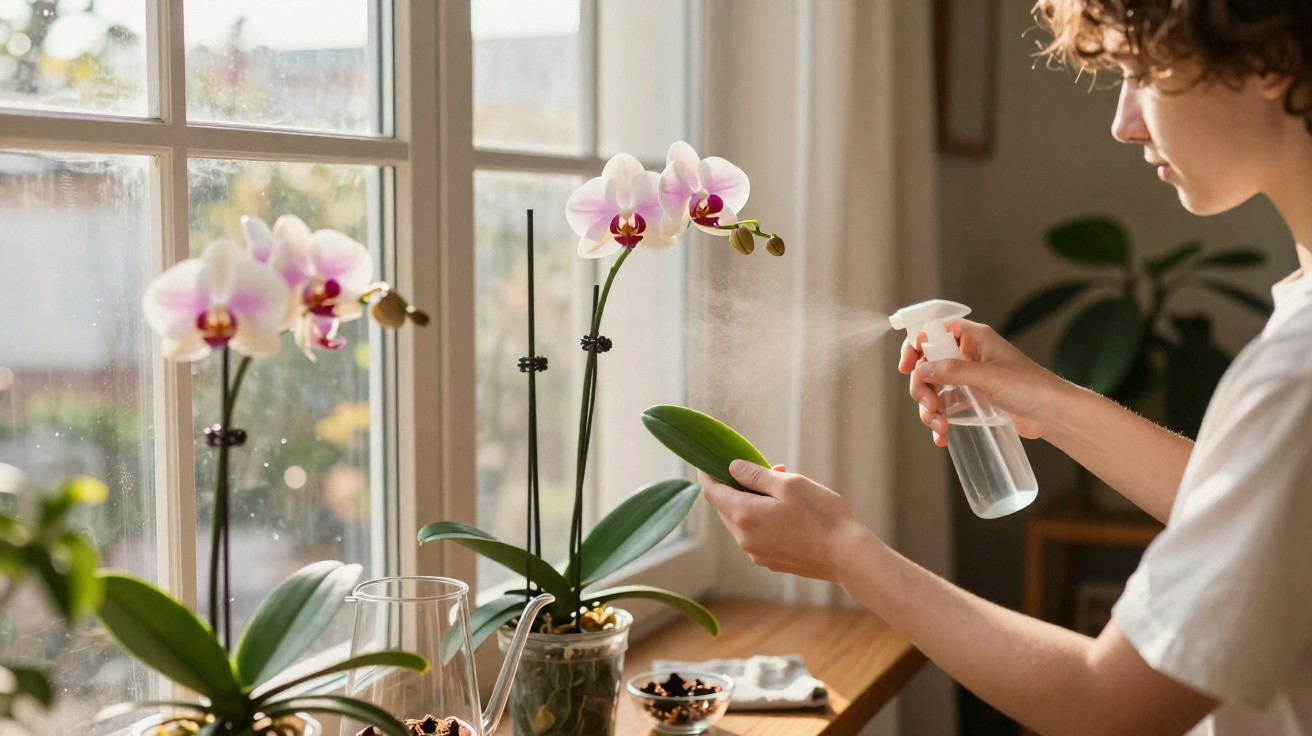
Where sunshine is limited, it helps to place the pot as close to the window as possible, keep curtains open and, if needed, use grow lights on a consistent schedule. With that, plus moderate feeding and the patience to respect each species’ maturation timeline, flowering often arrives as a natural “bonus” of doing the basics well.

Comments
No comments yet. Be the first to comment!
Leave a Comment