
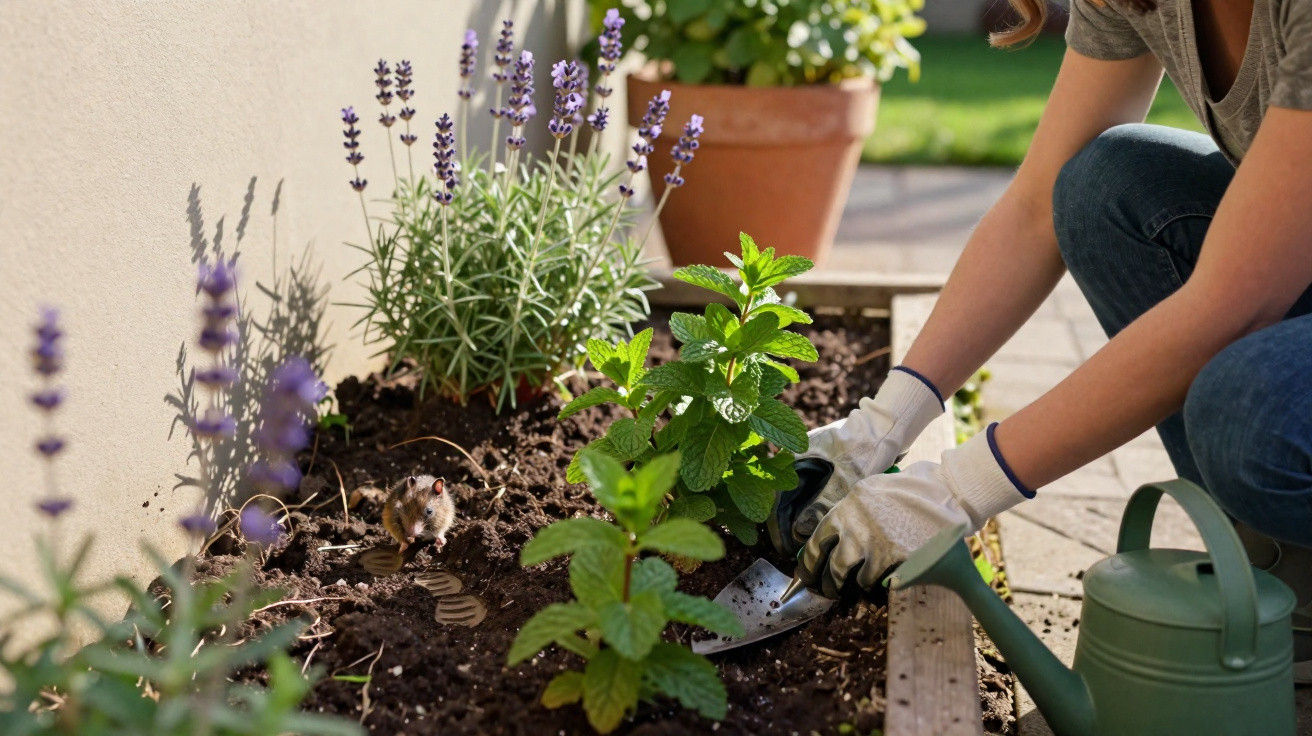
Mint, lavender and rosemary are three aromatic plants recommended to keep rats away from the garden. Their strong scents can make entry points, walls and potential hiding spots less appealing to rodents-especially when growing them is paired with removing food scraps, standing water and piled-up materials.
Which three plants are used to keep rats away?
These plants are straightforward to grow and give off distinctive aromas from their leaves and flowers. The idea is to place them around the garden in key locations, rather than clustering every pot in one corner.
- Mint, best kept in pots near doors, walls and likely access routes;
- Lavender, well suited to borders, fences and sunny spots;
- Rosemary, hardy and useful in areas with plenty of sun;
- Moveable pots, which can be shifted to wherever signs of rodents appear;
- Healthy leaves, which release more fragrance when brushed or disturbed.
Why do the scents of these plants bother rats?
Rats have a very acute sense of smell and rely on odours to find food, navigate familiar routes and detect potential danger. The intense fragrance of these herbs can temporarily disrupt those scent cues and make certain areas less attractive to pass through.
Even so, planting aromatic herbs as a rat deterrent works best as an additional barrier. If the garden still provides plenty of food and safe shelter, rodents may tolerate the smell and stay anyway.
Where should you plant mint, lavender and rosemary?
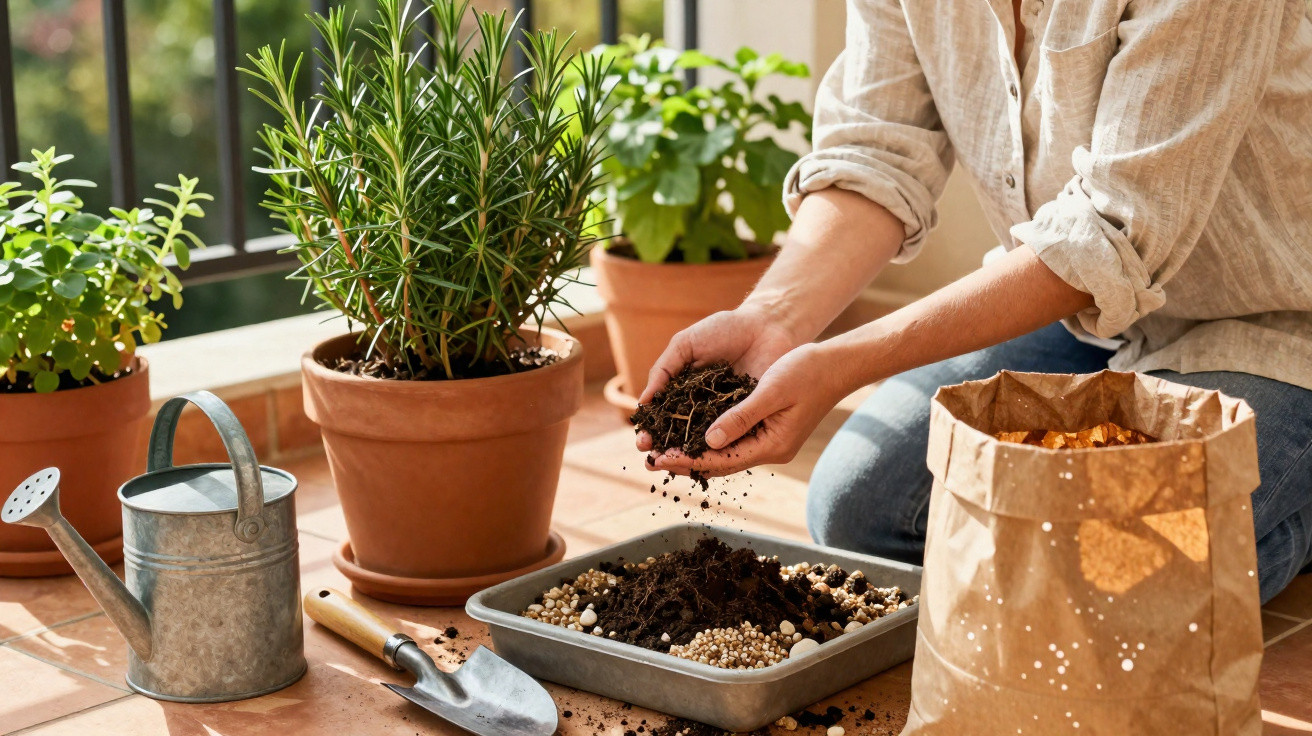
Mint is best kept in containers to stop its roots spreading too far. Lavender and rosemary do best in sunny positions and in soil that does not stay waterlogged. All three should be placed close to the routes animals use, without blocking access around the garden.
- Beside doors and gates that lead into the home;
- Near walls, fences and gaps on the outside;
- Around sheds and areas where tools are stored;
- Close to the compost bin, but not in contact with food waste;
- Near beds that tend to attract rodent traffic;
- In pots spread across different parts of the garden.
What upkeep stops rats from finding shelter?
Alongside the plants, it is important to keep bins closed, pick up fallen fruit and avoid leaving pet food out overnight. Stacks of wood, boxes, tiles, dry leaves and very dense growth create protected hiding places and should be tidied away or moved clear of walls.
Drains, cracks, gaps under doors and openings in outbuildings also need checking. Droppings, gnawed packaging, runways along walls or fresh digging in the soil all point to rodent activity and call for broader control measures than simply adding more pots.
Do plants replace professional control for an infestation?
Mint, lavender and rosemary in the garden can support prevention and make certain routes less appealing, but they will not remove an established colony. If there are many signs of activity, animals are getting into the house, or the issue keeps returning, it is necessary to contact a specialist pest control service.
The best results come from combining strong scents with cleanliness and blocking access points. In this way, these three plants play a preventive role while also fragrancing the space, attracting pollinators and adding useful herbs to everyday home life.

Comments
No comments yet. Be the first to comment!
Leave a Comment