
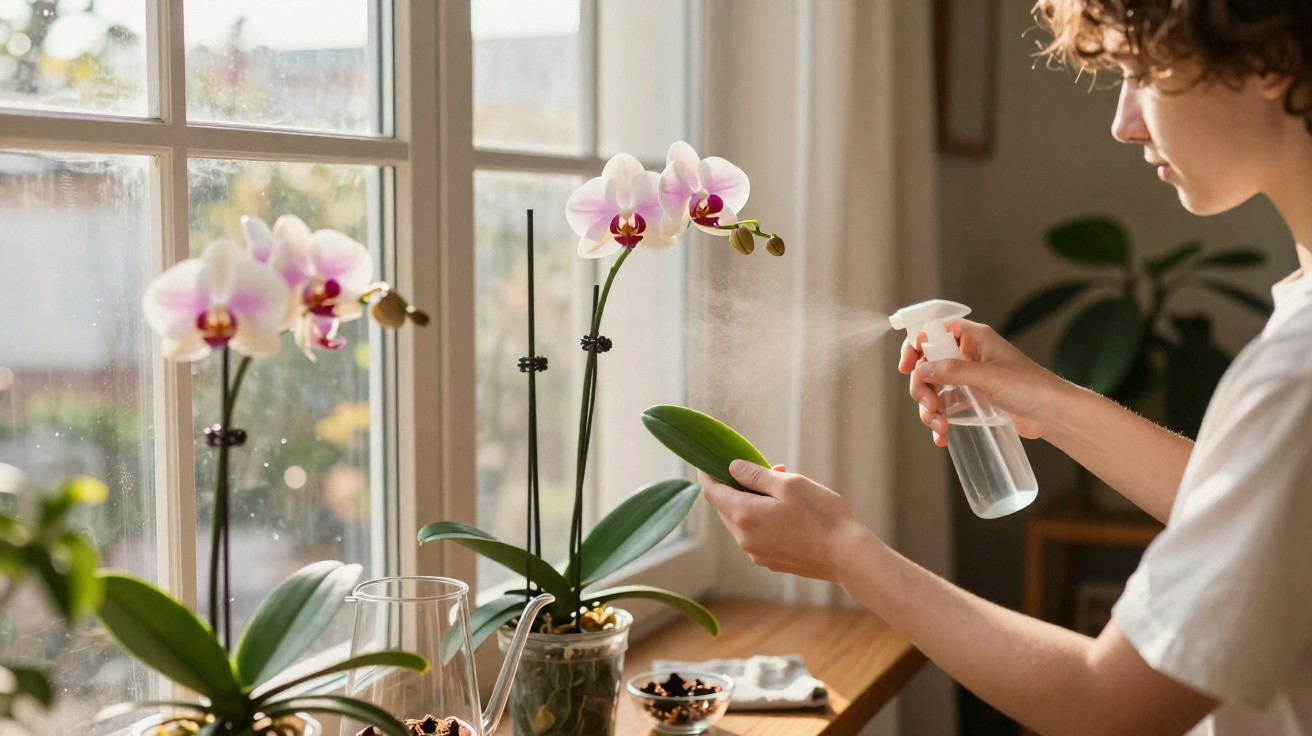
Among the many orchid species grown today, the Phalaenopsis orchid has become one of the most common choices for homes and other indoor spaces. Its popularity comes largely from its extended flowering period, which can last from two to four months, and from how well it adapts to sheltered environments such as flats and offices-provided it gets filtered light, measured watering, and adequate air movement.
Why is the Phalaenopsis orchid considered long-flowering?
The reputation of a long-flowering orchid is tied to the Phalaenopsis’ natural traits. In its native habitat, it develops in humid tropical regions where light and temperature stay fairly consistent throughout the year, encouraging longer flowering cycles and blooms that remain viable for weeks.
Indoors, when orchid flowering occurs under conditions that resemble those found in nature, the flowers tend to open little by little and can stay attractive for months. Temperatures between 18°C and 28°C, no cold draughts, and minimal changes of position all help reduce the risk of buds dropping and support the longevity of its thick, firm petals.
How to care for Phalaenopsis orchid indoors?
Orchid care indoors is straightforward once you understand what the plant needs. Phalaenopsis does best with gentle, indirect light-such as near an east-facing window or behind a sheer curtain-because strong direct sun can scorch leaves and flowers and undermine the plant’s overall health.
For anyone trying to learn how to care for Phalaenopsis orchid, watering should be based on checking the growing medium, which needs to dry slightly between waterings. Clear pots make it easier to monitor the roots, which should look firm and green or silvery; and a light, free-draining orchid mix helps prevent rot in areas where ventilation is limited.
- Keep the plant in a bright spot, but out of intense direct sunlight.
- Avoid soaking the growing medium when watering.
- Provide good ventilation, without cold air currents.
- Use an orchid-specific growing medium that is light and well drained.
- Check roots and leaves regularly to spot changes early.
How to get an orchid to flower again at home?
Many people wonder how to get an orchid to flower again once the blooms have fallen. In most cases the plant remains healthy, but it needs a rest period, proper nourishment, and small day–night temperature differences to signal that it is time to begin a new flowering cycle.
After orchid flowering, the flower spike may dry out partly or completely. If it is still green, you can trim it just above a node to try to encourage new buds; if it is dry, cut it close to the base, always using a clean tool. Orchid-specific fertilisers, applied at the recommended dose, support the development of new leaves, roots, and future flower spikes.
Which daily habits prolong Phalaenopsis flowering?
Keeping a long-flowering orchid in good condition comes down to small, consistent daily habits. Wiping the leaves occasionally with a damp cloth removes dust, improves photosynthesis, and helps the plant breathe; and removing wilted flowers prevents moisture build-up and lowers the risk of fungal problems.
Watching leaf colour, checking how the roots look, and noticing the smell of the growing medium is a simple way to catch early issues such as overwatering or poor ventilation. With quick adjustments, Phalaenopsis typically responds with more reliable flowering over the years, becoming a lasting feature in interior décor.
Comments
No comments yet. Be the first to comment!
Leave a Comment