
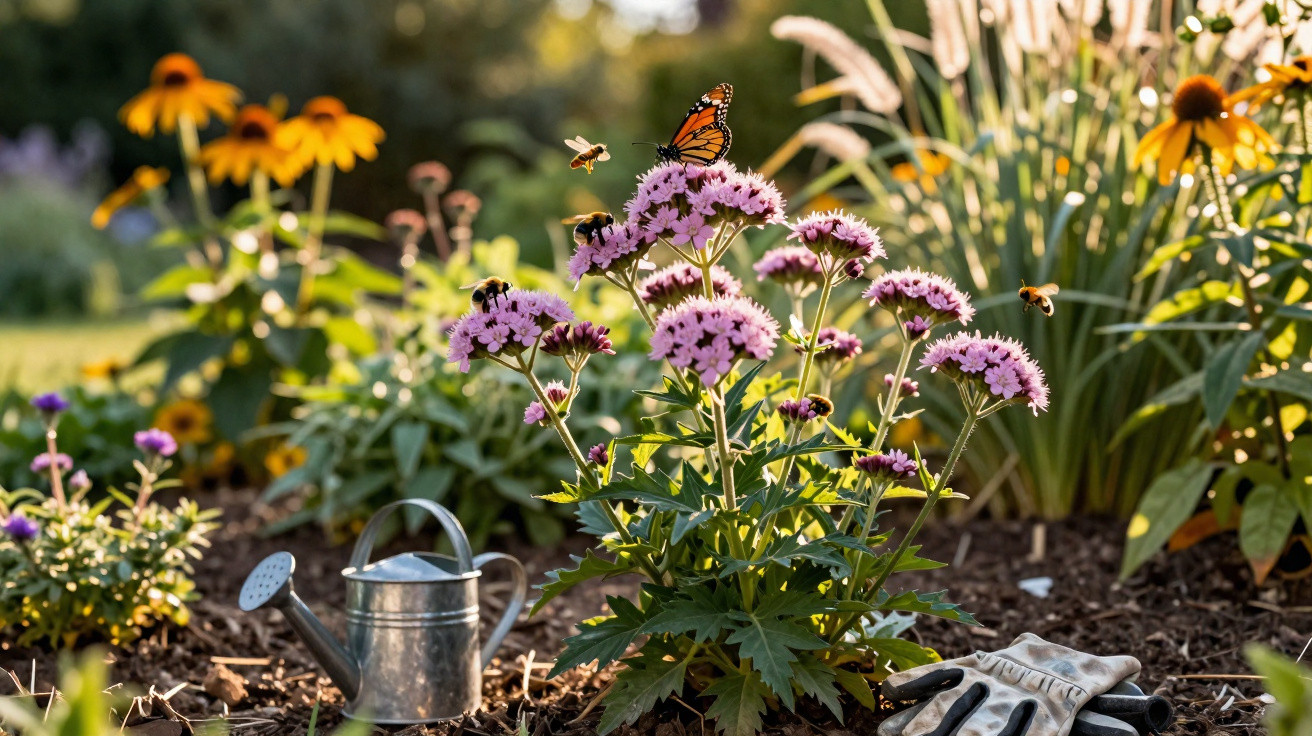
Turning green spaces into lively refuges starts with choosing plants that genuinely meet the needs of local wildlife. The genus Eutrochium stands out because it produces plenty of nectar during the warmer months, reliably feeding a wide range of beneficial insects.
Why does Joe-Pye weed attract so many pollinators?
Large flower heads in pinkish shades appear at the tips of the stems, delivering a bold display that is hard for flying visitors to ignore. A light fragrance, paired with an easy-to-access structure, allows hardworking bees and bright butterflies to feed without interruption.
Where many ornamental plants slow down their food production as summer draws to a close, this plant reaches its peak at exactly that time. That late-season supply provides valuable resources when natural forage is scarce, making the garden an important place of support.
How do you plan a green space that attracts native species and copes with drought? Growing tougher, resilient varieties in your border improves soil health and reduces the need for constant watering, creating… Read more
What are the best conditions for growing this plant?
For strong, healthy growth, this perennial does best in beds that receive direct sunlight for much of the day. Moist, organic-rich soils give the ideal foundation for vigorous development of tall stems covered in flowers.
Temperate conditions suit the plant’s natural cycle, helping its roots settle in quickly and build resilience. Keeping the ground evenly moist prevents drought stress and supports a generous display right through to the beginning of autumn with full vigour.
Below is a video from the Backyard Ecology™ YouTube channel that explores the points discussed in this topic in more depth:
How does the species stand out in garden ecology?
As a North American native, it boosts local biodiversity by offering shelter alongside a steady food source. Insects such as the monarch butterfly can draw on the dense nectar for the energy needed for long migrations and for breeding activities in nature.
Beyond its striking landscaping value, the plant helps keep the ecosystem in balance by drawing in pollinators that also fertilise other nearby plantings. This productive cycle benefits the wider area, encouraging a harmonious relationship between wildlife and flora in a sustainable way.
Joe-Pye weed essential kit
Core care Key requirements to keep this native species healthy in your space:
- Choose a sunny spot that receives at least six hours of direct sunlight each day.
- Keep the soil fertile and consistently moist, without waterlogging the roots.
- Allow enough room for its tall growth and the overall bulk of its foliage.
What care ensures abundant flowering?
Designing the bed with the plant’s mature size in mind prevents overcrowding and improves air flow. Applying organic feed in early spring encourages strong new shoots and prepares the structure to carry the large clusters of flowers.
Regular watering maintains the moisture it needs without saturating the soil, protecting the root system throughout the year. Removing dead stems after the season ends helps refresh the foliage for the next cycle with health and beauty.
A few straightforward habits can improve performance and extend the life of your planting:
- Water frequently during extended dry spells.
- Add a layer of mulch to help the soil retain moisture.
- Do a tidy-up prune in late autumn to renew the plant’s framework.
How can you use Joe-Pye weed in garden design?
Because it grows so tall, this perennial is ideal at the back of mixed borders, forming a lush, eye-catching green backdrop. Planting groups alongside companions of varying heights improves the overall composition and increases the total volume of nectar available across the plot.
Pairing it with other plants that flower at complementary times creates a lively scene that shifts gradually over the months. The contrast between pink-toned blooms and varied foliage produces a balanced look that draws notable visitors into the space with impressive frequency.
Comments
No comments yet. Be the first to comment!
Leave a Comment